What is a supercapacitor?
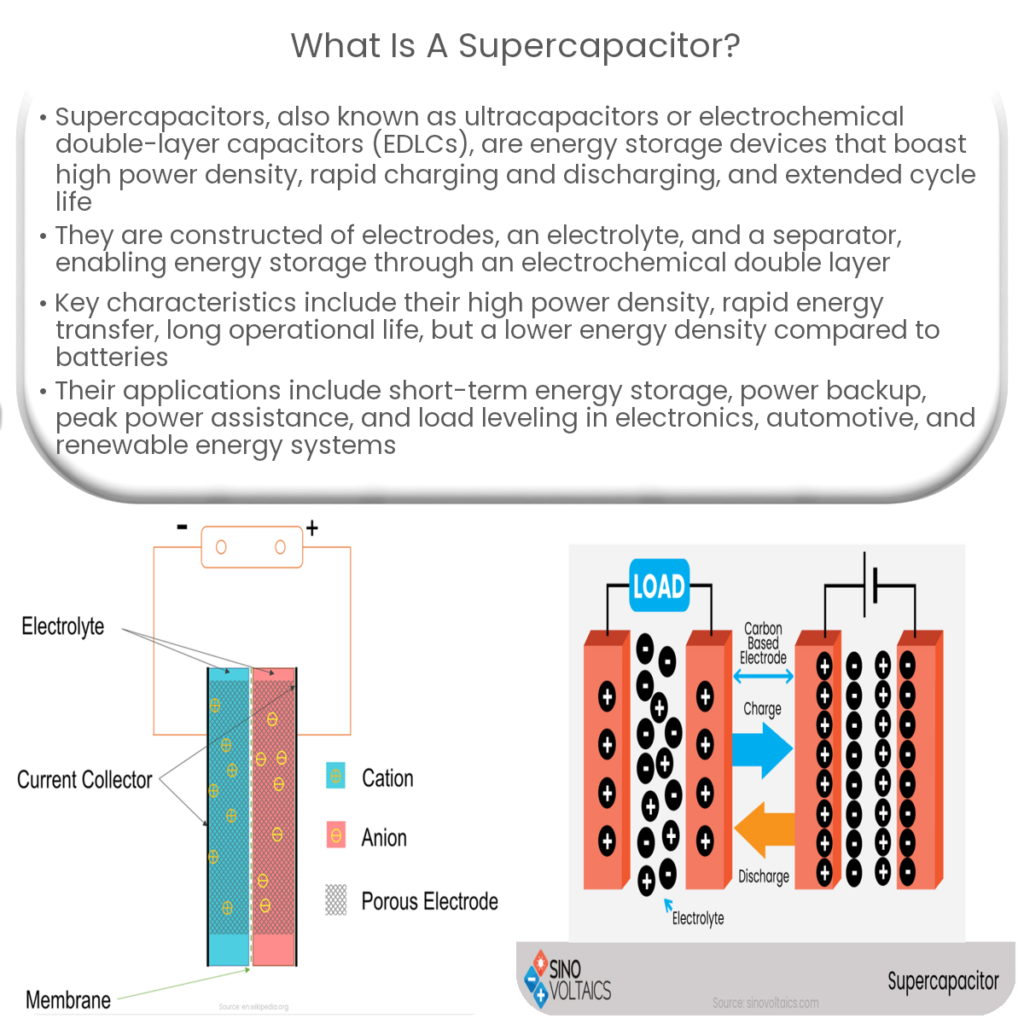
Supercapacitors, also known as ultracapacitors or electrochemical double-layer capacitors (EDLCs), are energy storage devices that offer high power density, rapid charging and discharging capabilities, and long cycle life.
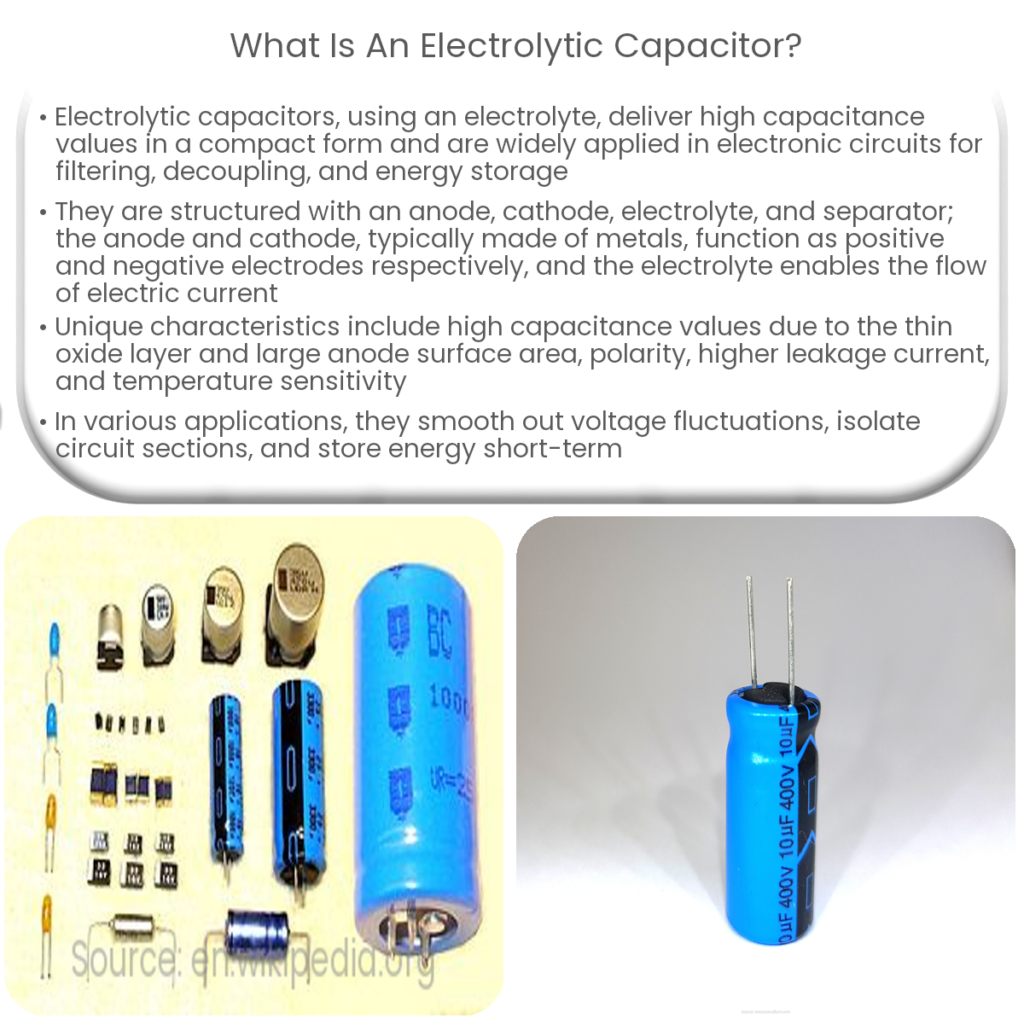
An electrolytic capacitor is a polarized capacitor with high capacitance, using an electrolyte to connect the cathode to the anode’s oxide layer.
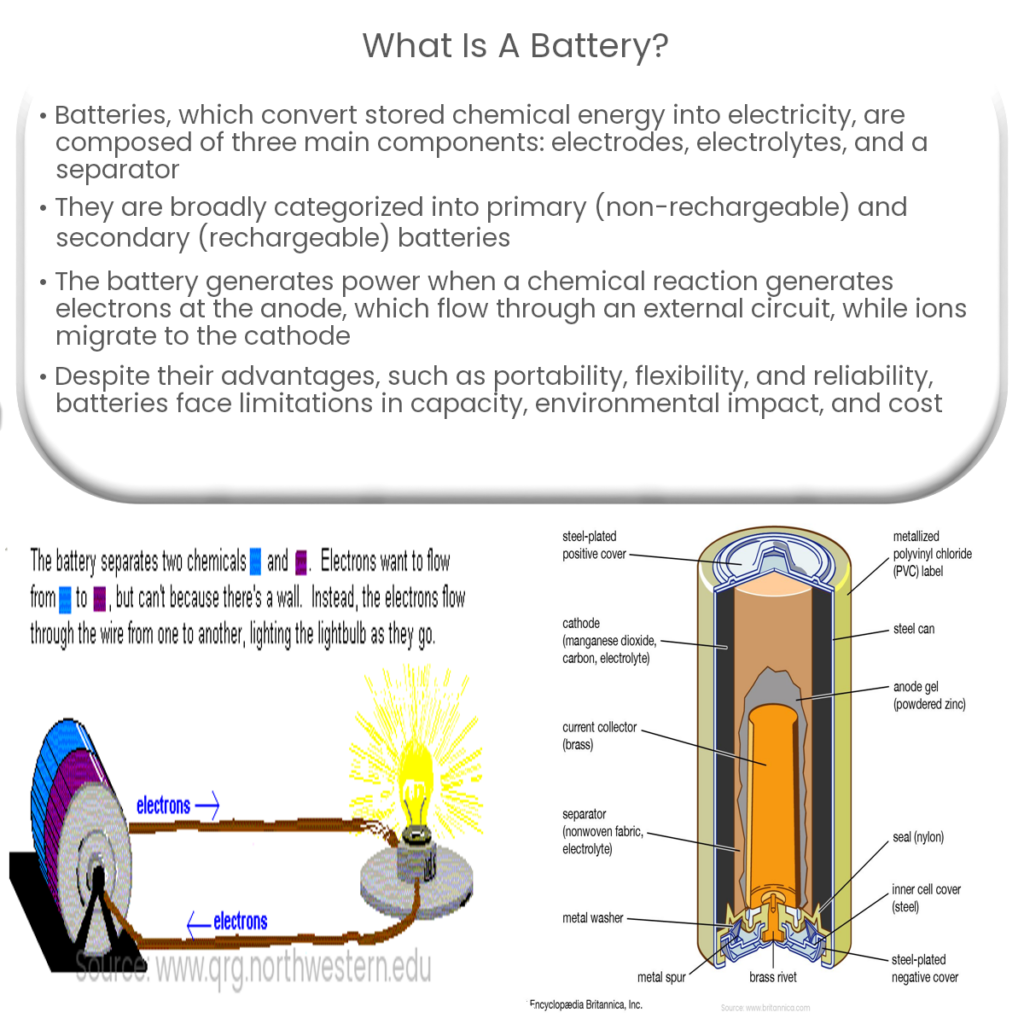
A battery stores electrical energy as chemical energy, which is converted back into electrical energy when needed for various applications.
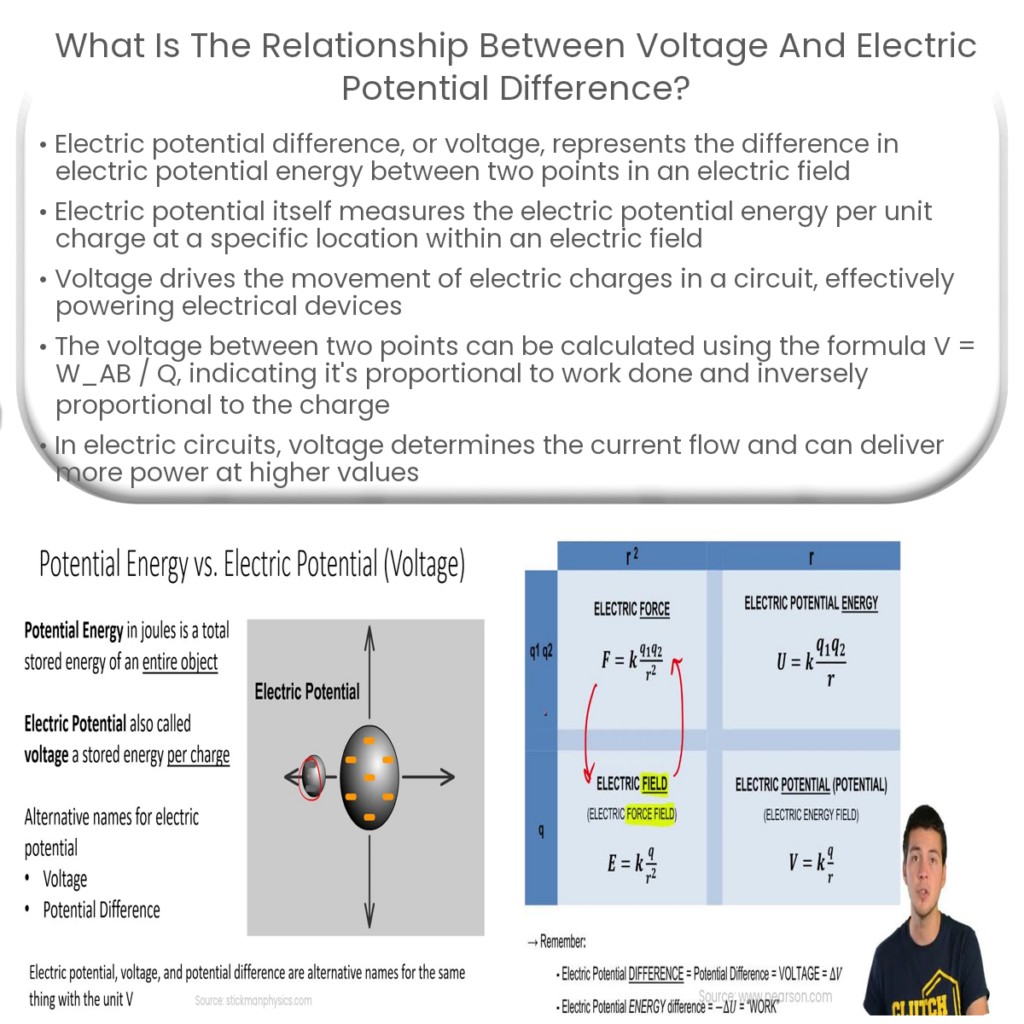
The electric field points in the direction of the steepest decrease in electric potential, and they are related through the gradient operation.
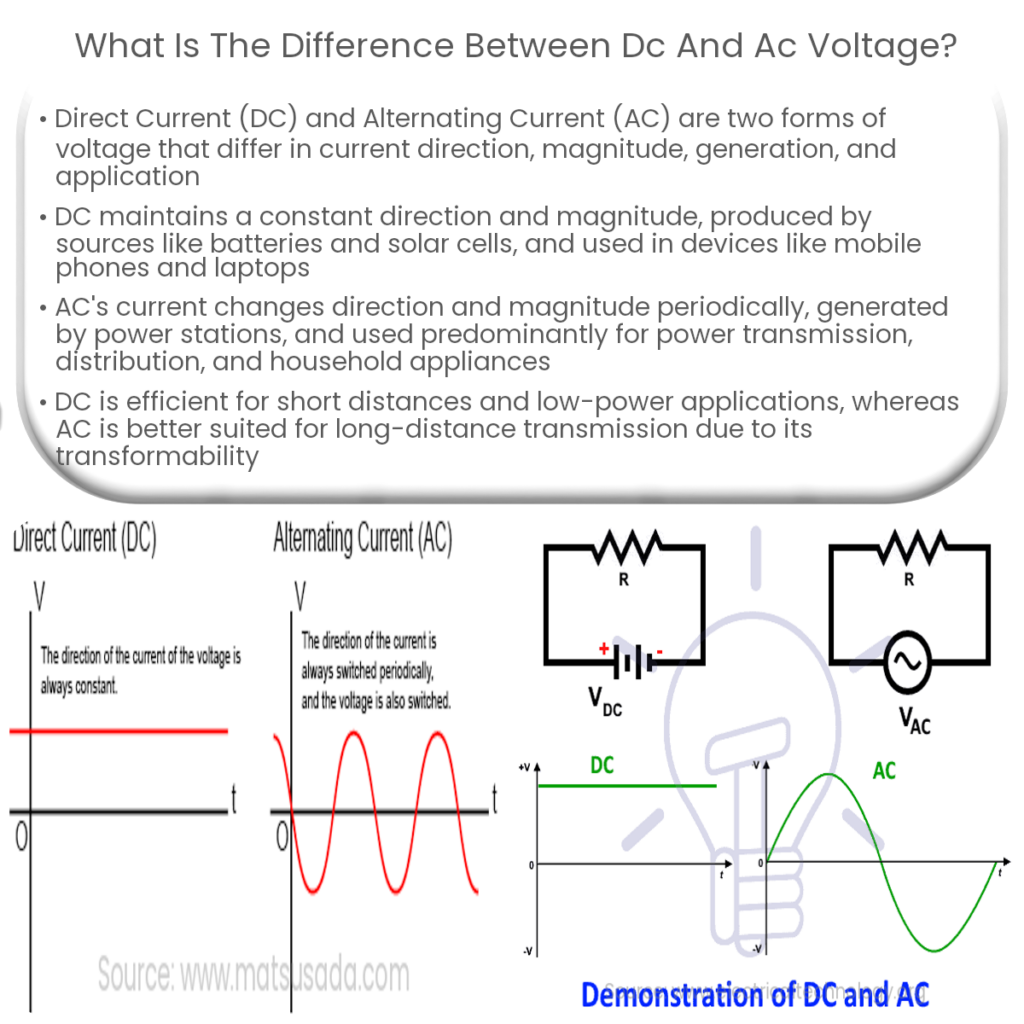
DC voltage has constant direction and magnitude, while AC voltage periodically changes direction and magnitude, affecting their applications.
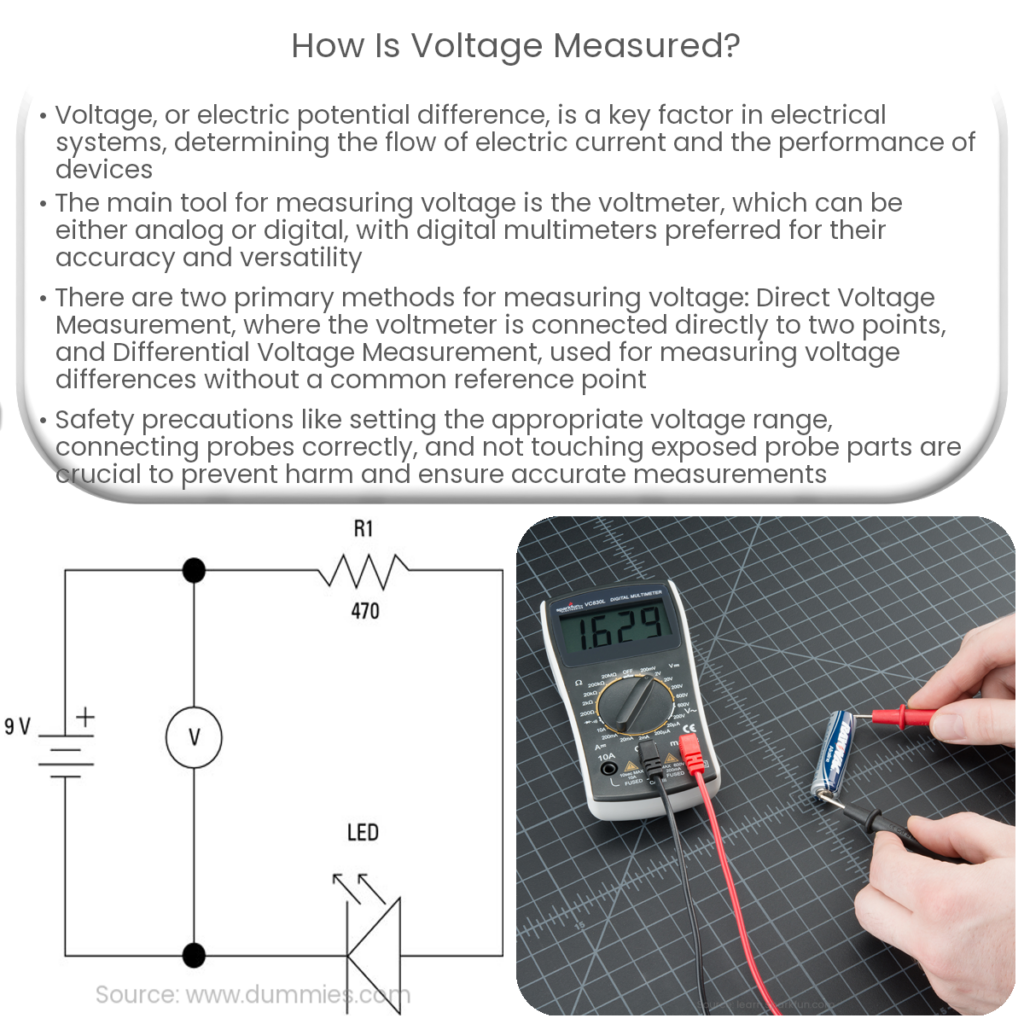
Voltage is measured using a voltmeter, which is connected to two points in a circuit to determine the electric potential difference between them.
Voltage, or electric potential difference, is the difference in electric potential energy between two points in an electric field, measured in volts.
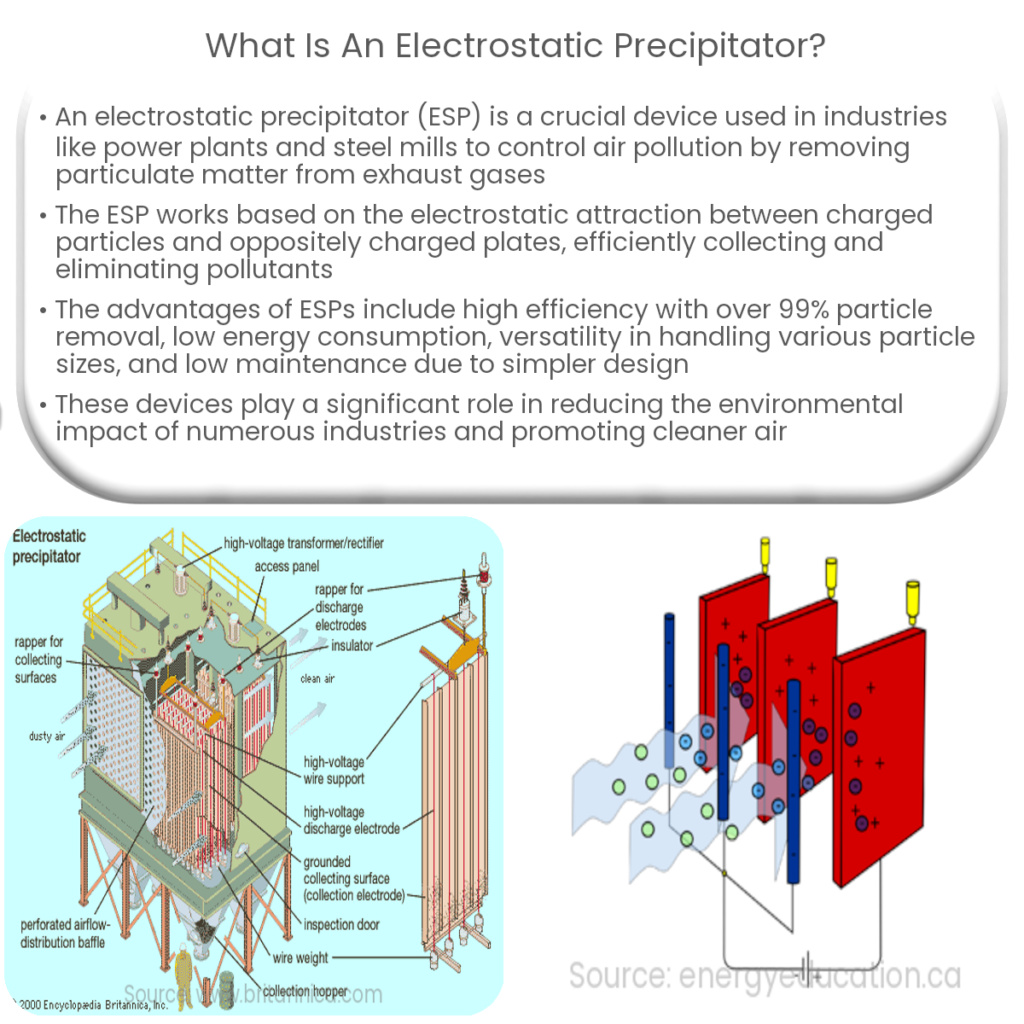
An electrostatic precipitator removes particles from exhaust gases using electrostatic attraction, significantly reducing air pollution in industries.
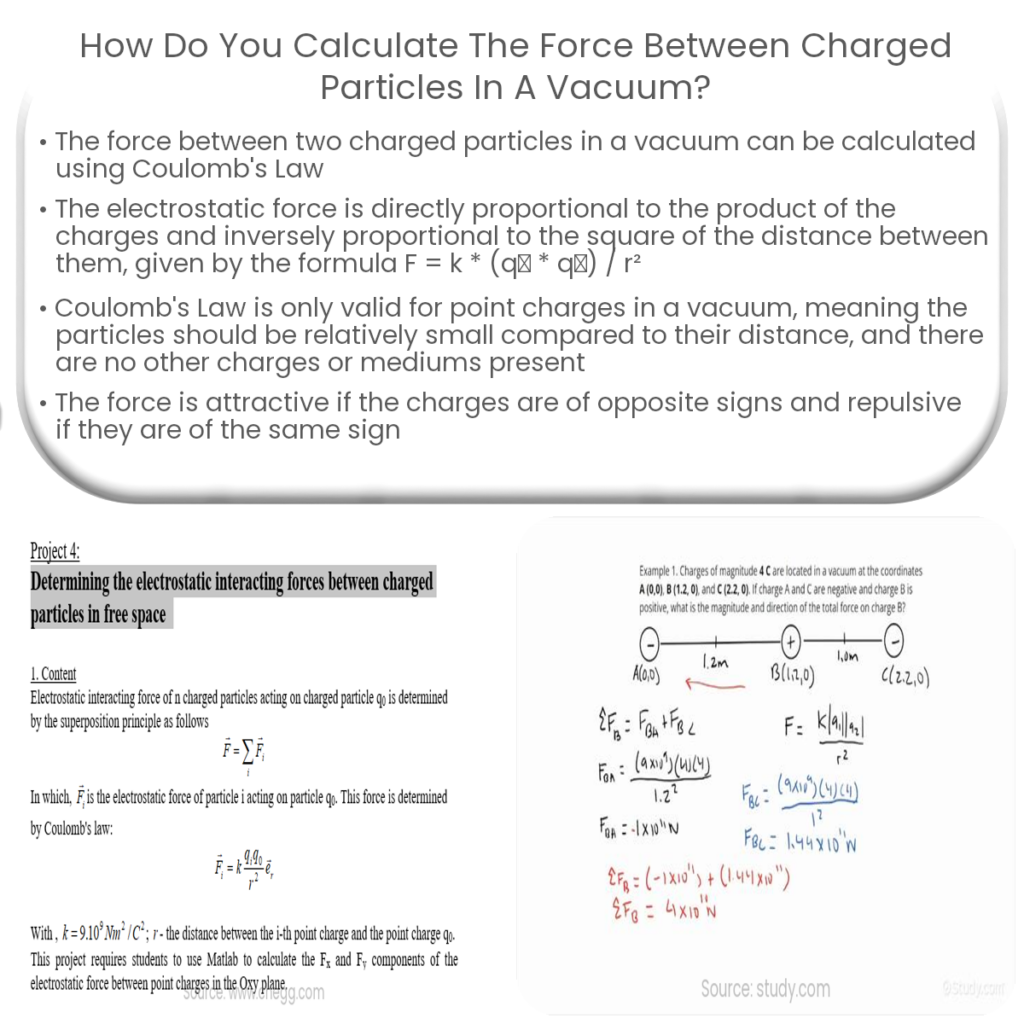
Use Coulomb’s Law, F = k*(q1*q2)/r², where F is the force, k is Coulomb’s constant, q1 and q2 are the charges, and r is the distance between them.
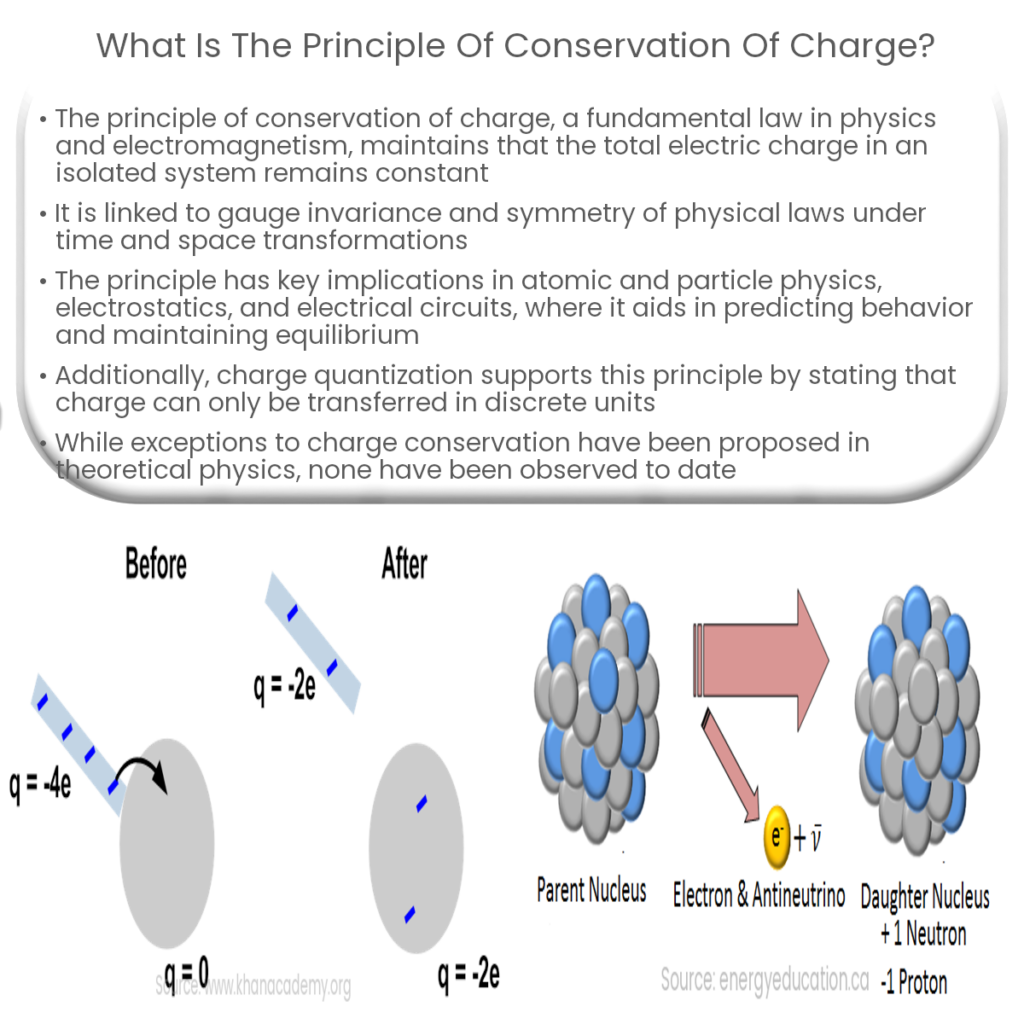
The principle of conservation of charge states that the total electric charge in an isolated system remains constant over time.

The primary purpose of this project is to help the public to learn some exciting and important information about electricity and magnetism.
Our Website follows all legal requirements to protect your privacy. Visit our Privacy Policy page.
The Cookies Statement is part of our Privacy Policy.
The information contained on this website is for general information purposes only. This website does not use any proprietary data. Visit our Editorial note.
It’s simple:
1) You may use almost everything for non-commercial and educational use.
2) You may not distribute or commercially exploit the content, especially on another website.