
What is a potentiometer?
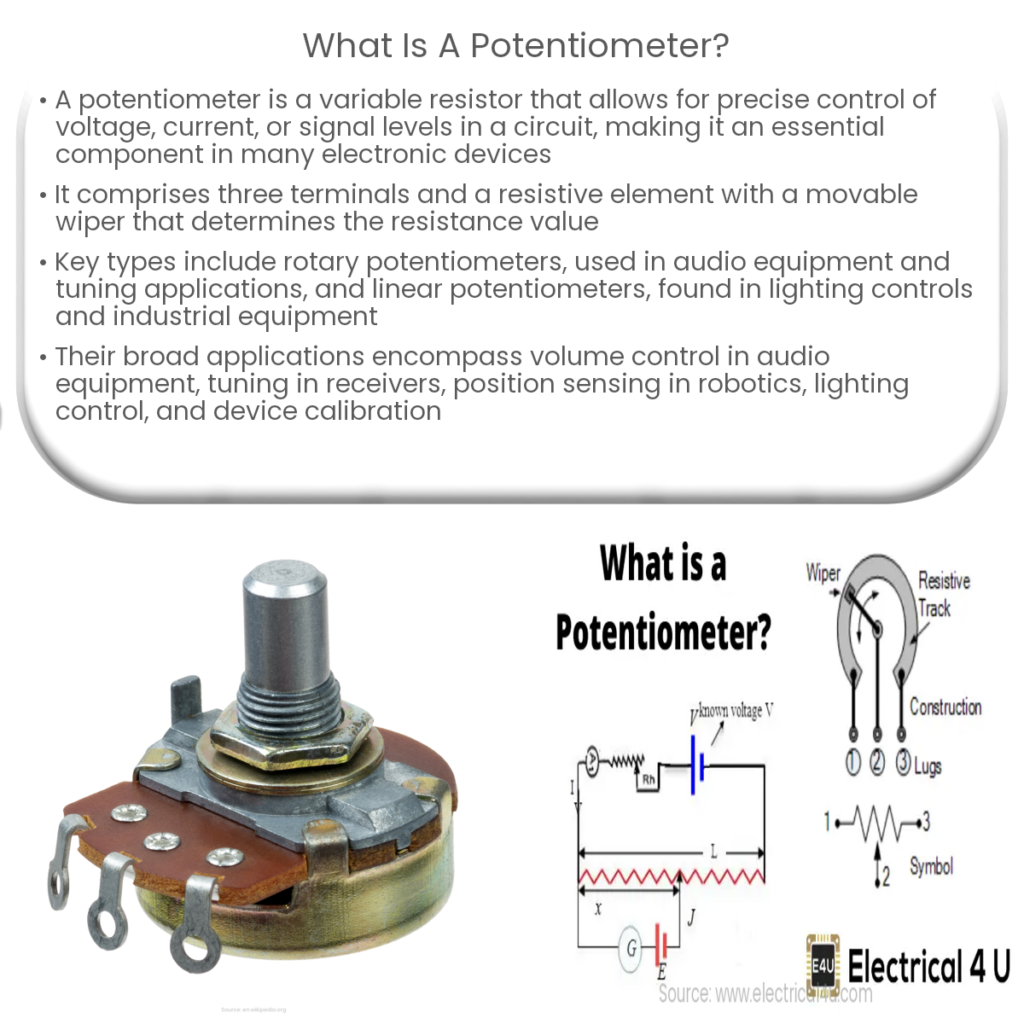
A potentiometer is a three-terminal variable resistor used for voltage division and signal scaling in electronic circuits, allowing adjustable output.
A potentiometer is a three-terminal variable resistor used for voltage division and signal scaling in electronic circuits, allowing adjustable output.
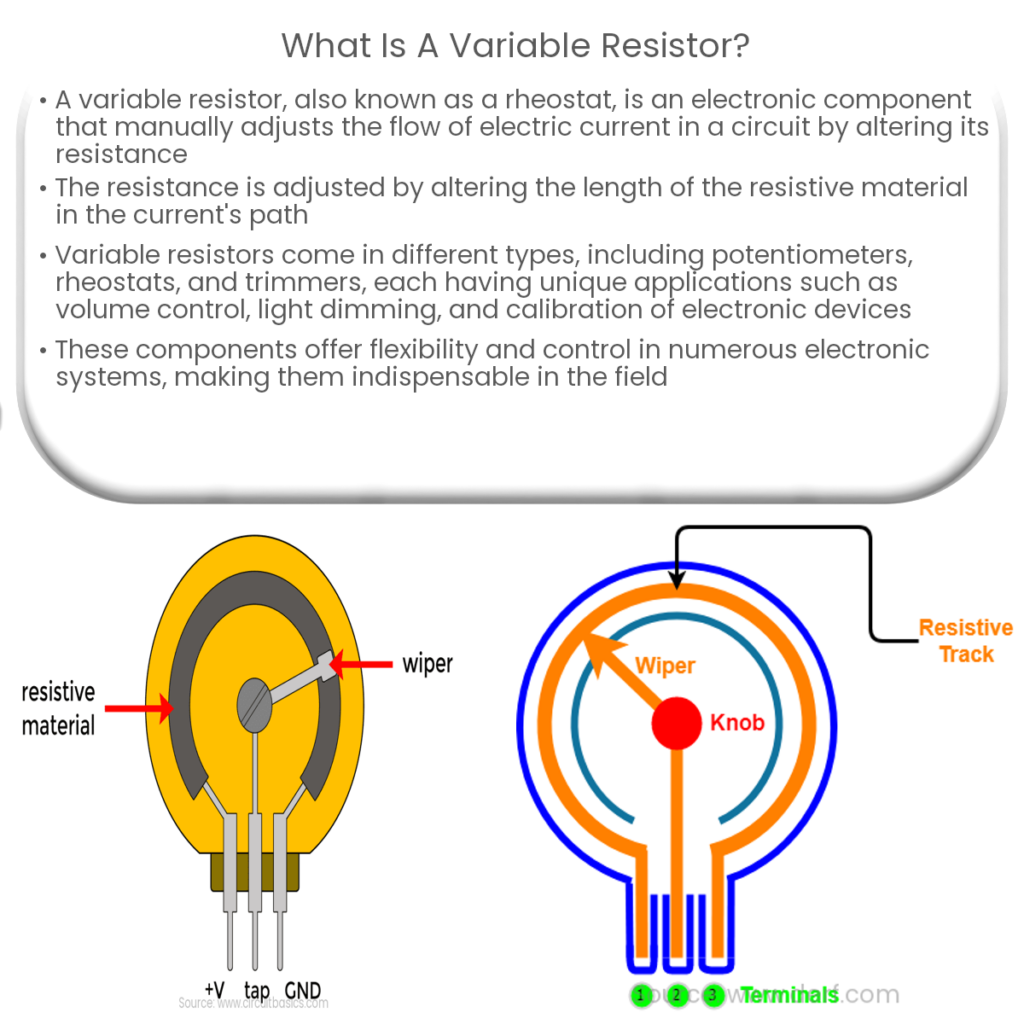
A variable resistor is an adjustable electronic component that controls current flow in a circuit by altering its resistance, used in various applications.
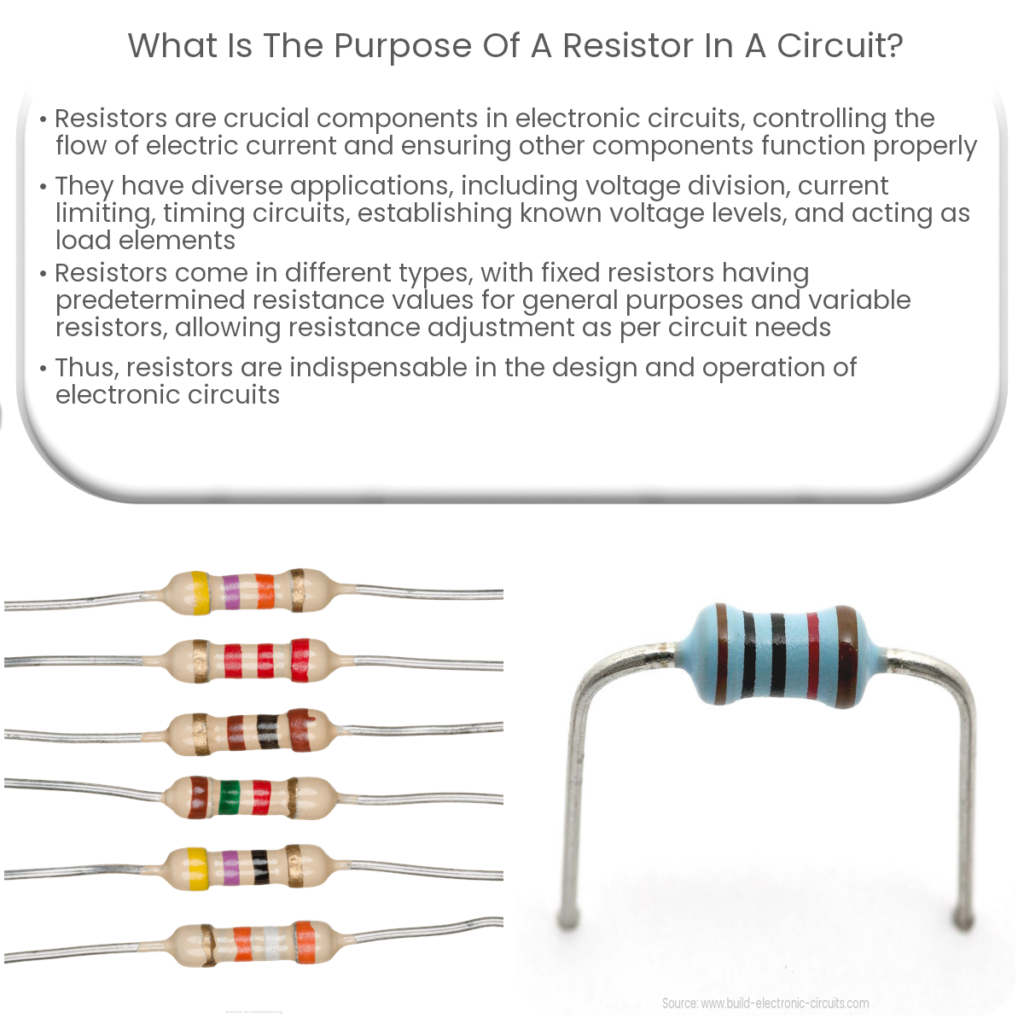
The purpose of a resistor in a circuit is to control the flow of electric current, ensuring the proper functioning of other components.
A multimeter measures voltage, current, and resistance by connecting probes to a circuit and selecting the appropriate setting on the device.
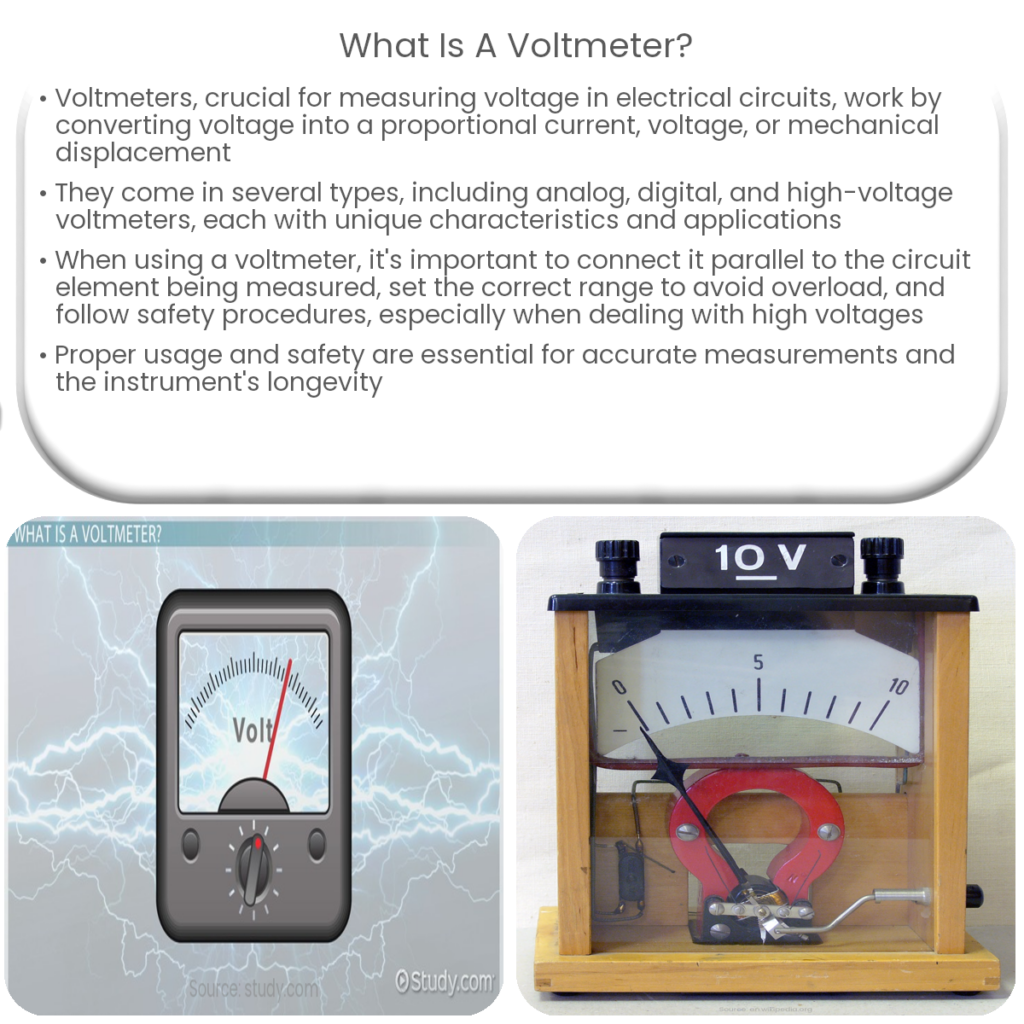
A voltmeter is an instrument that measures voltage or potential difference between two points in an electrical circuit, available in analog or digital forms.
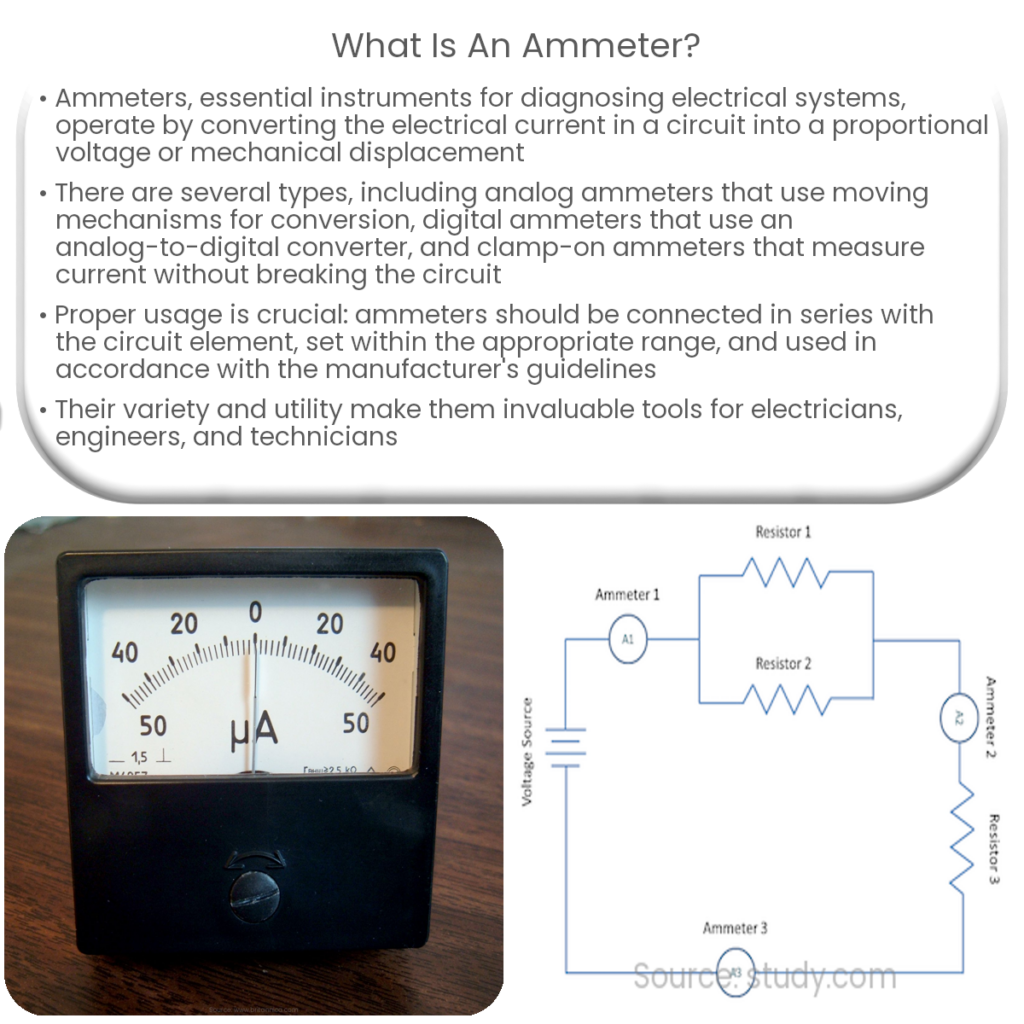
An ammeter is an instrument used to measure electric current in a circuit, with types including analog, digital, and clamp-on ammeters.
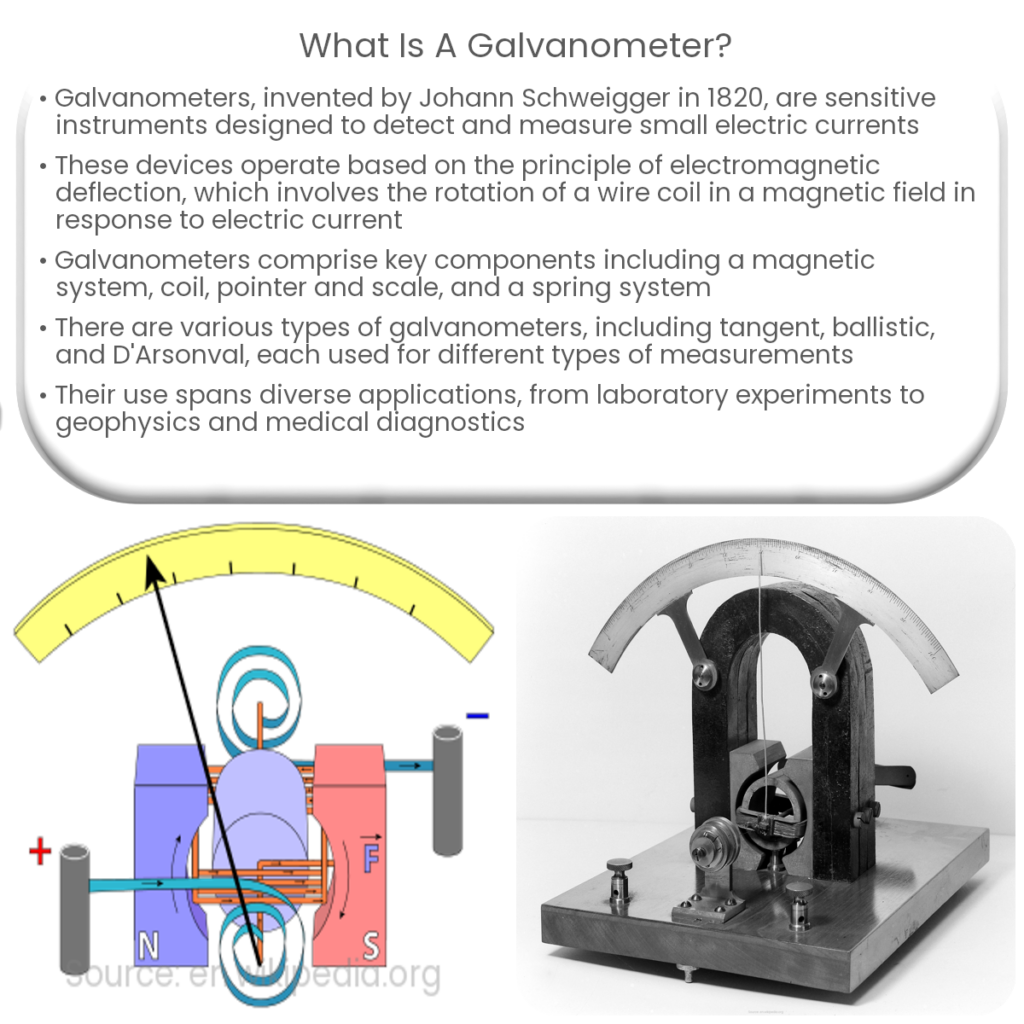
A galvanometer is a sensitive instrument used to measure small electric currents or detect the presence of a current by utilizing magnetic fields.
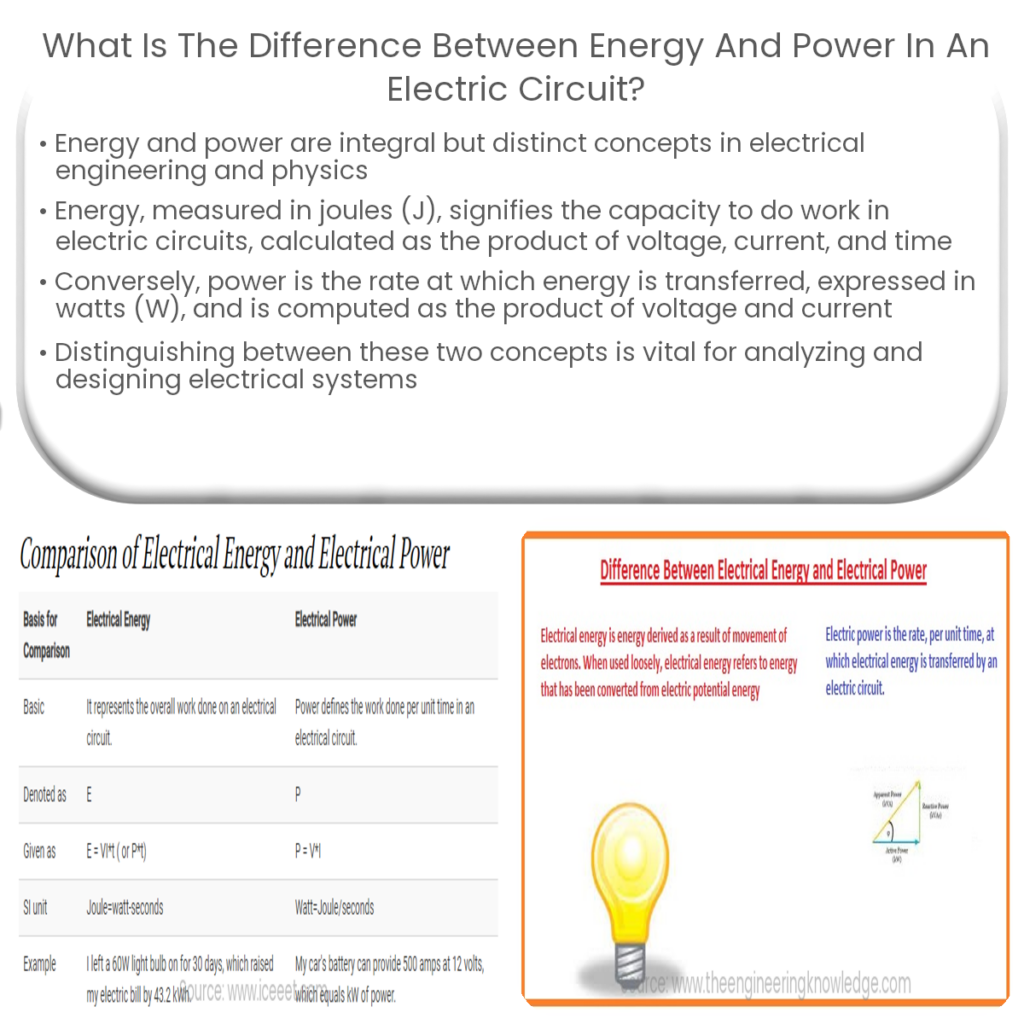
Energy is the capacity to do work (measured in joules), while power is the rate of energy transfer (measured in watts) in an electric circuit.
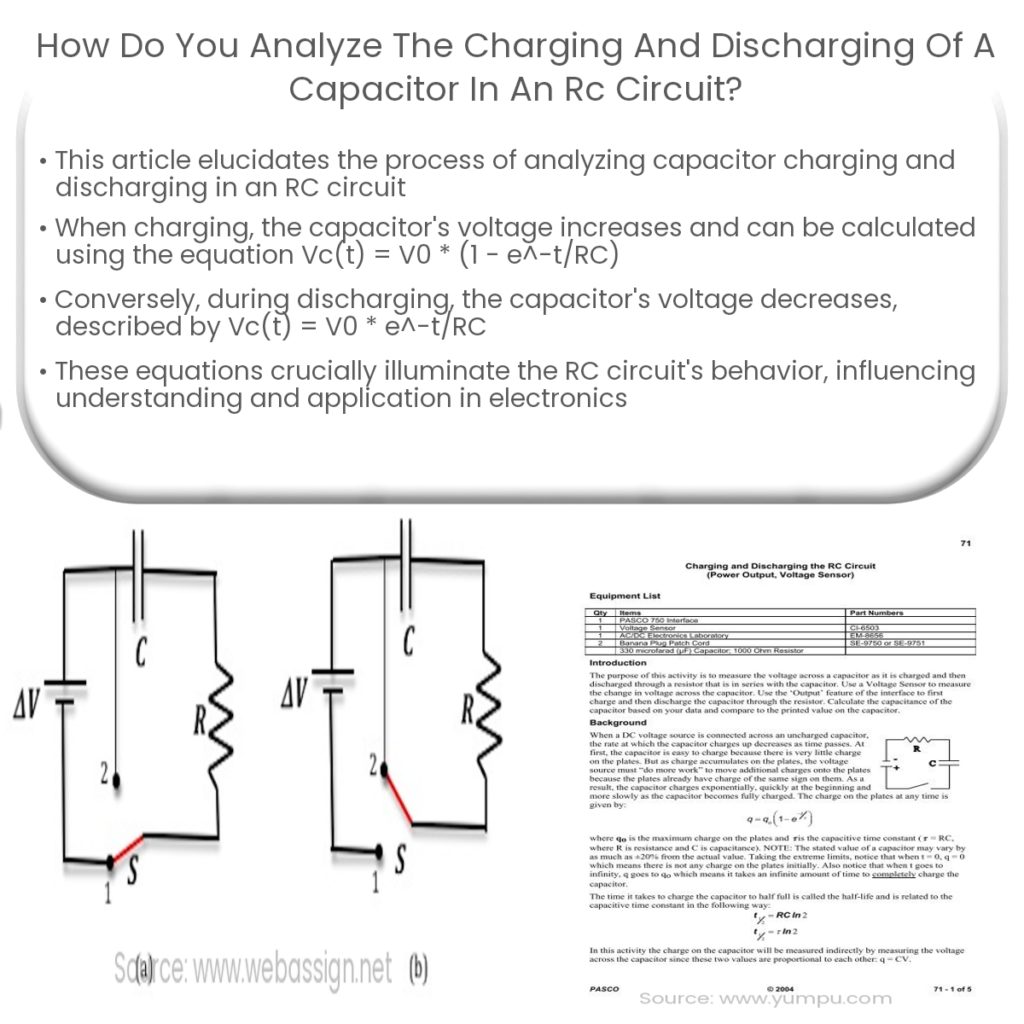
To analyze capacitor charging and discharging in an RC circuit, use exponential equations for voltage as a function of time, considering resistance and capacitance values.

The time constant of an RC circuit (τ) represents the time for the capacitor to charge or discharge to ~63.2% of its maximum value (τ = R * C).

The primary purpose of this project is to help the public to learn some exciting and important information about electricity and magnetism.
Our Website follows all legal requirements to protect your privacy. Visit our Privacy Policy page.
The Cookies Statement is part of our Privacy Policy.
The information contained on this website is for general information purposes only. This website does not use any proprietary data. Visit our Editorial note.
It’s simple:
1) You may use almost everything for non-commercial and educational use.
2) You may not distribute or commercially exploit the content, especially on another website.


