
How do you calculate the electric field due to a uniformly charged rod?
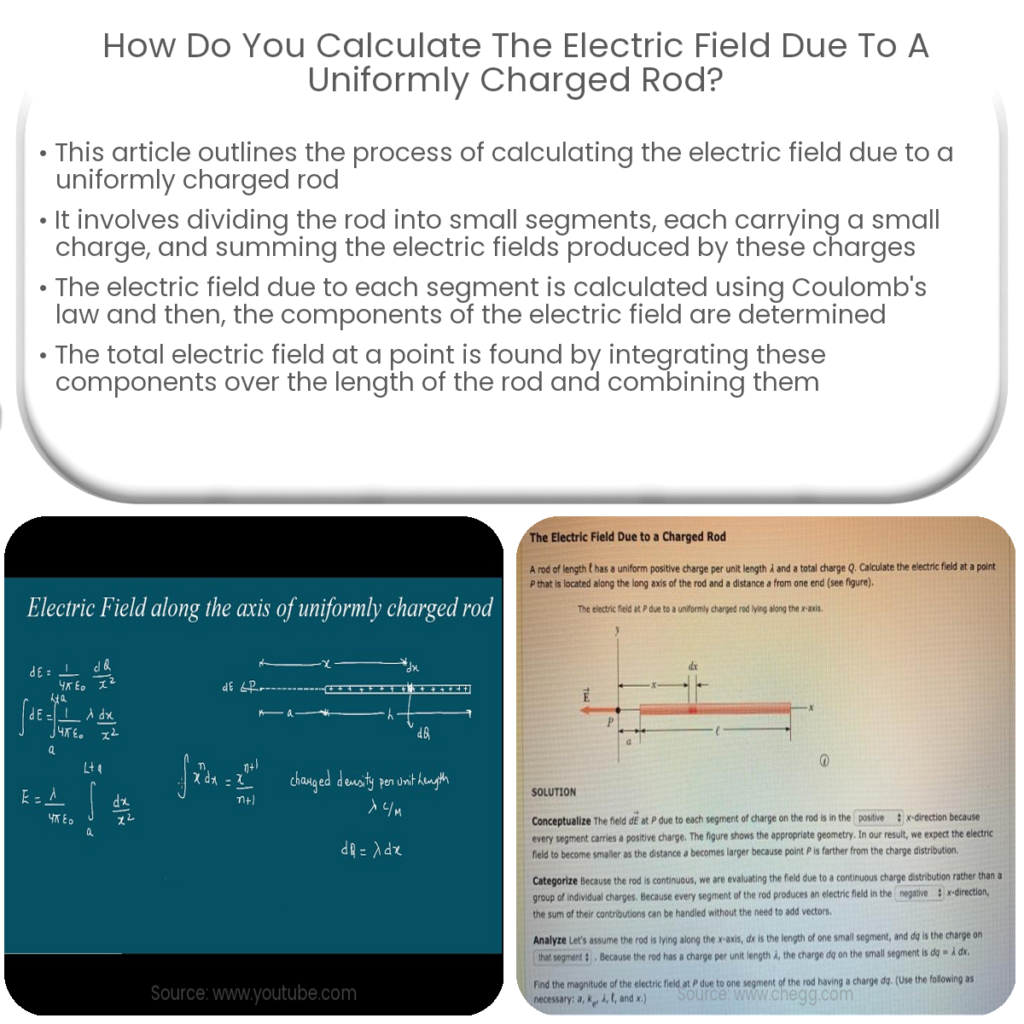
To calculate the electric field due to a uniformly charged rod, divide it into small segments, find their electric field contributions, and integrate them.
To calculate the electric field due to a uniformly charged rod, divide it into small segments, find their electric field contributions, and integrate them.

The breakdown voltage of a capacitor is the maximum voltage it can withstand before its dielectric material fails, causing permanent damage.
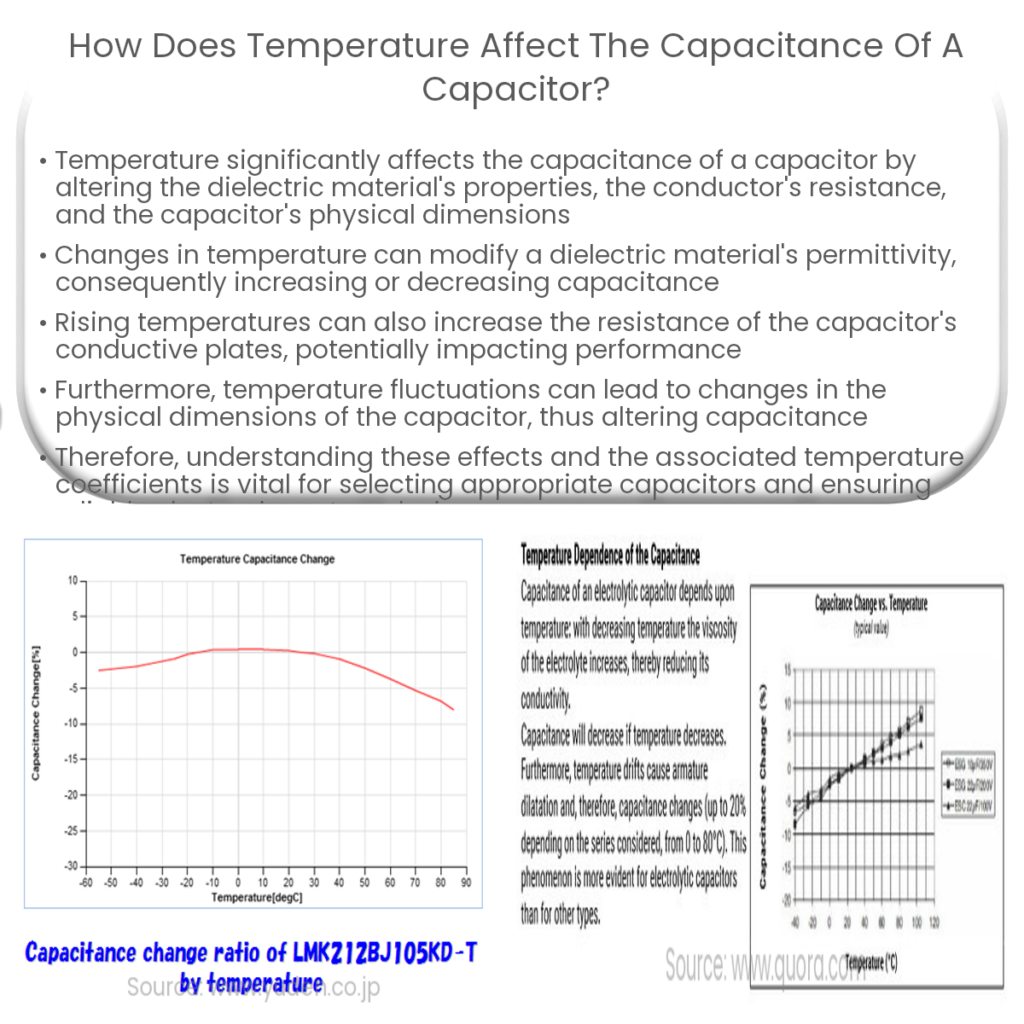
Temperature affects a capacitor’s capacitance by altering the dielectric material’s properties, conductor resistance, and the capacitor’s dimensions.
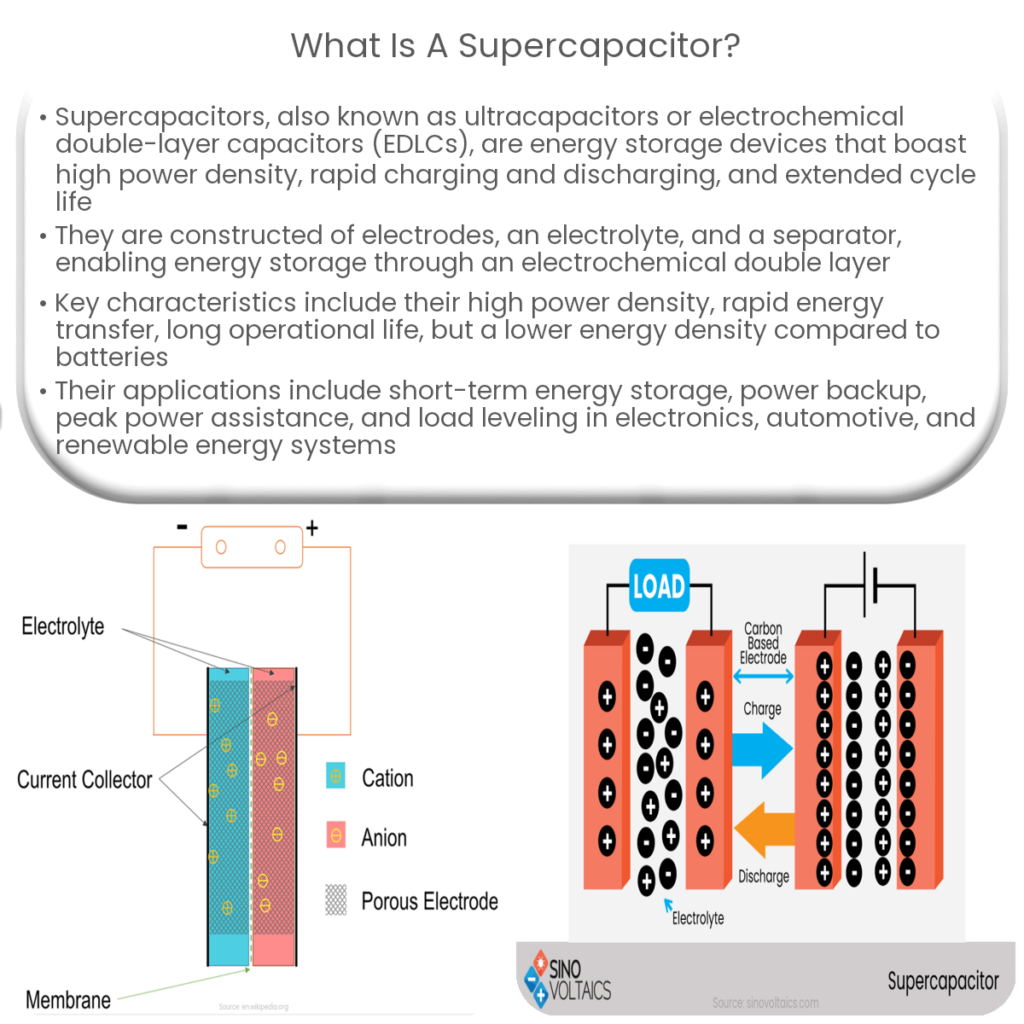
Supercapacitors, also known as ultracapacitors or electrochemical double-layer capacitors (EDLCs), are energy storage devices that offer high power density, rapid charging and discharging capabilities, and long cycle life.

Energy density of a capacitor measures the amount of energy stored per unit volume, influenced by dielectric material, design, and operating voltage.
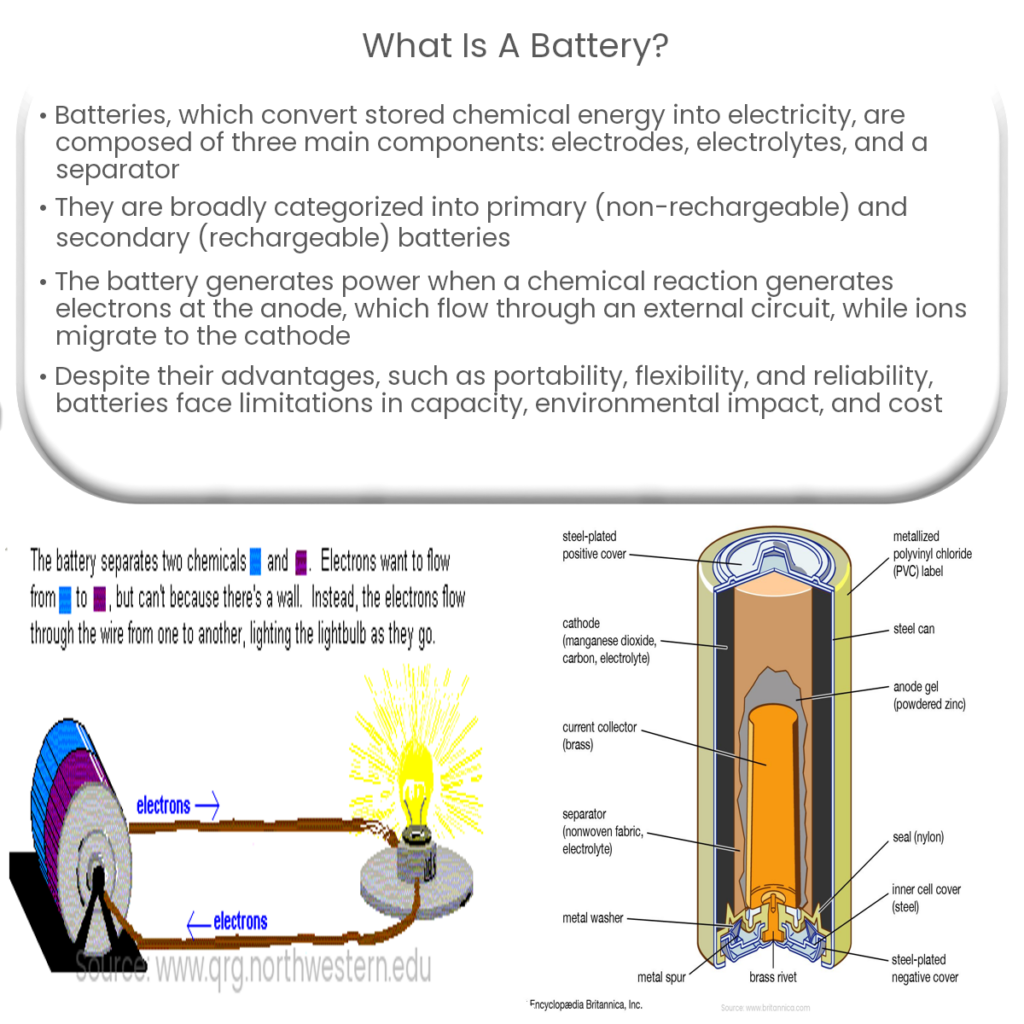
A battery stores electrical energy as chemical energy, which is converted back into electrical energy when needed for various applications.
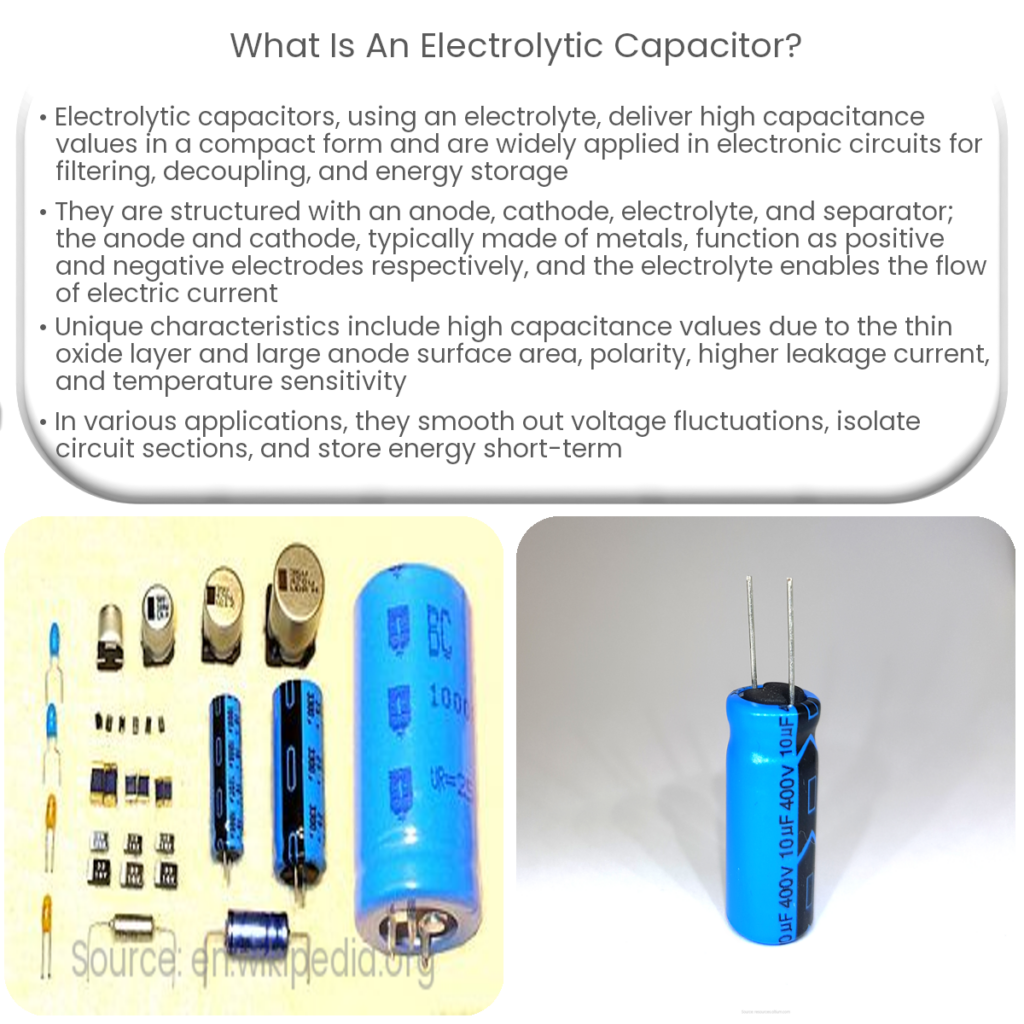
An electrolytic capacitor is a polarized capacitor with high capacitance, using an electrolyte to connect the cathode to the anode’s oxide layer.
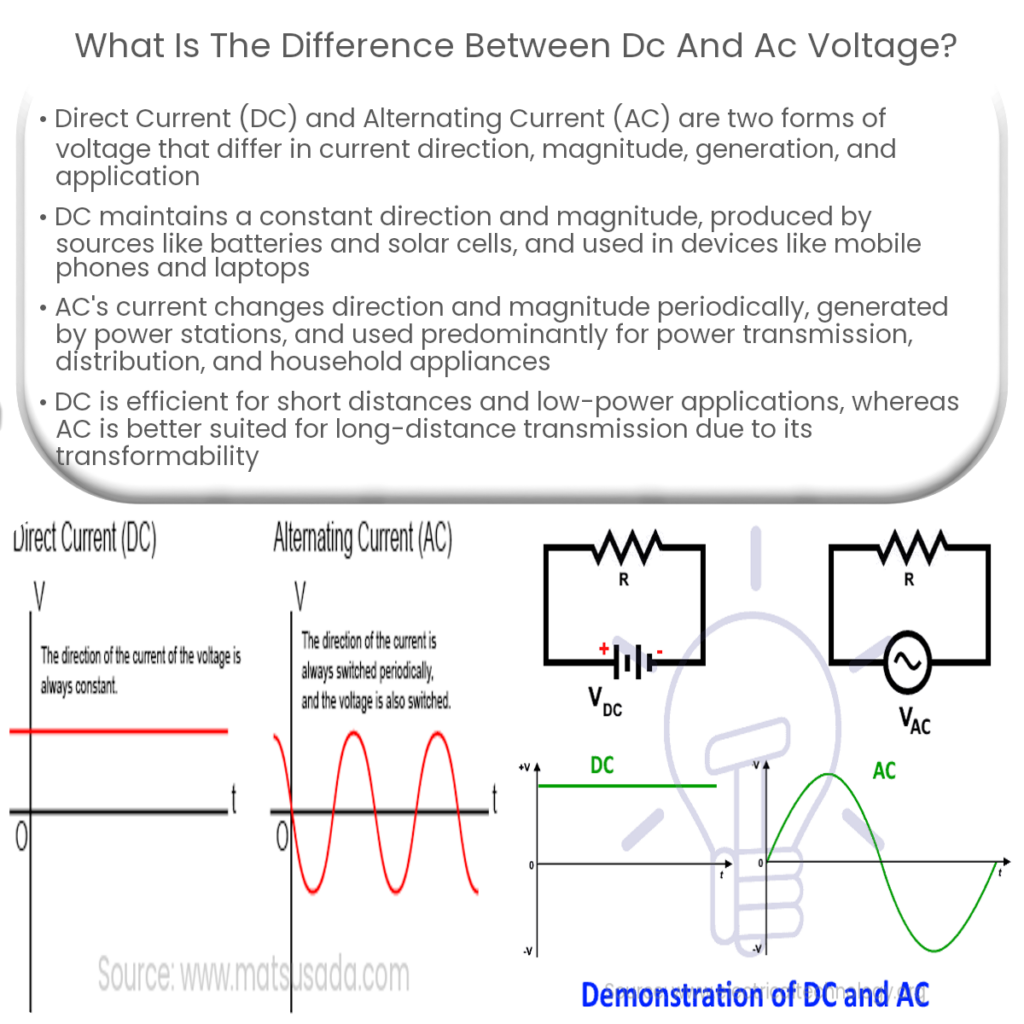
DC voltage has constant direction and magnitude, while AC voltage periodically changes direction and magnitude, affecting their applications.

The electric field points in the direction of the steepest decrease in electric potential, and they are related through the gradient operation.
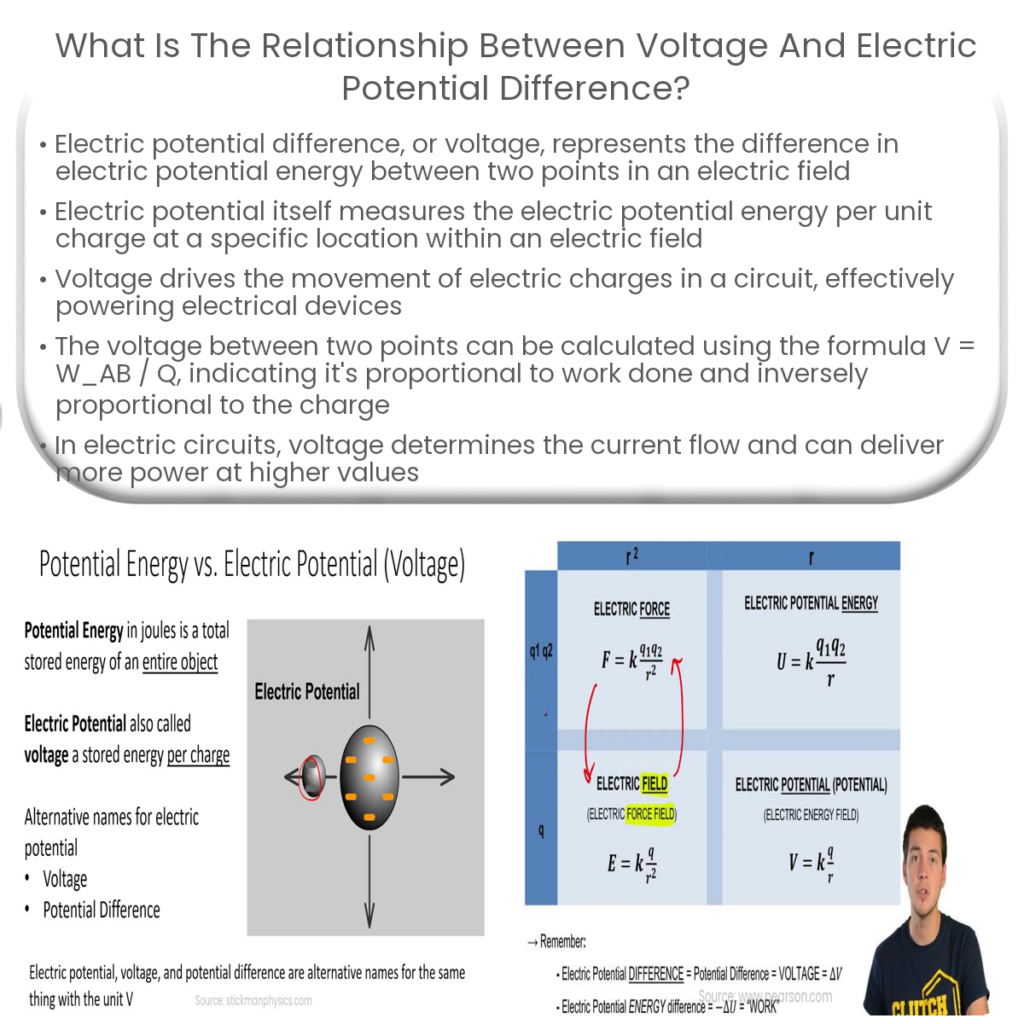
Voltage, or electric potential difference, is the difference in electric potential energy between two points in an electric field, measured in volts.

The primary purpose of this project is to help the public to learn some exciting and important information about electricity and magnetism.
Our Website follows all legal requirements to protect your privacy. Visit our Privacy Policy page.
The Cookies Statement is part of our Privacy Policy.
The information contained on this website is for general information purposes only. This website does not use any proprietary data. Visit our Editorial note.
It’s simple:
1) You may use almost everything for non-commercial and educational use.
2) You may not distribute or commercially exploit the content, especially on another website.
