
What is an electroscope?
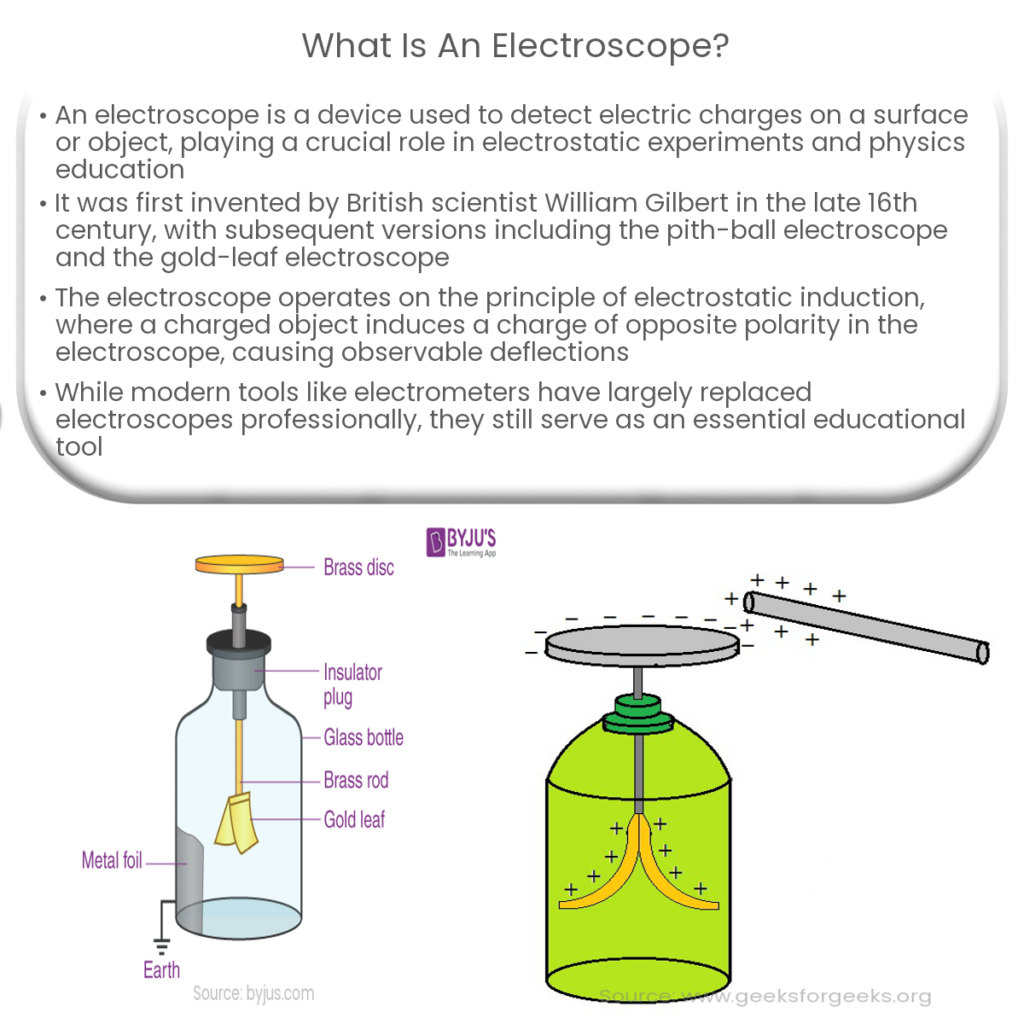
An electroscope is a device that detects the presence of electric charges on objects or surfaces by observing the movement of charged components.
An electroscope is a device that detects the presence of electric charges on objects or surfaces by observing the movement of charged components.

To calculate the force on a charged particle in a magnetic field, use the Lorentz force formula: F = q(v x B), where q is charge, and v and B are vectors.
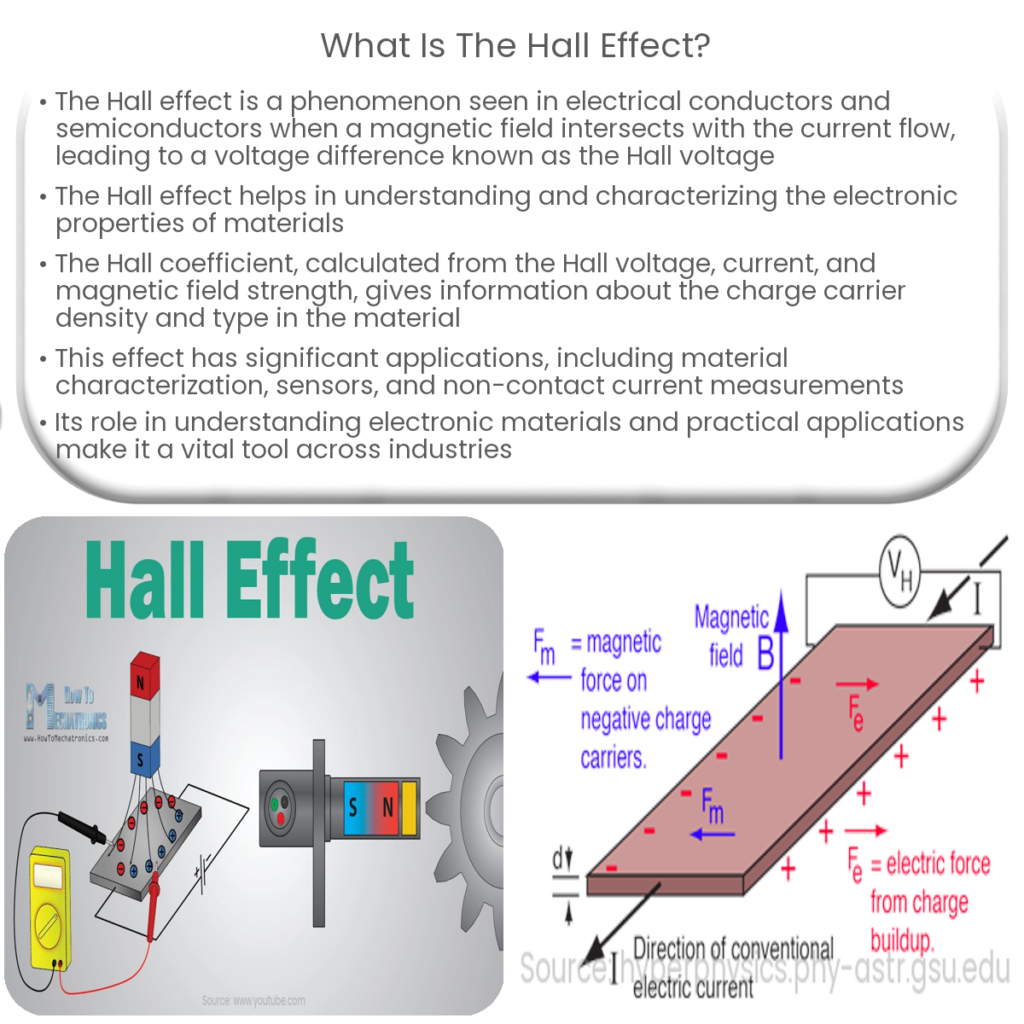
The Hall effect occurs when a magnetic field applied perpendicular to an electric current creates a voltage across a conductor.
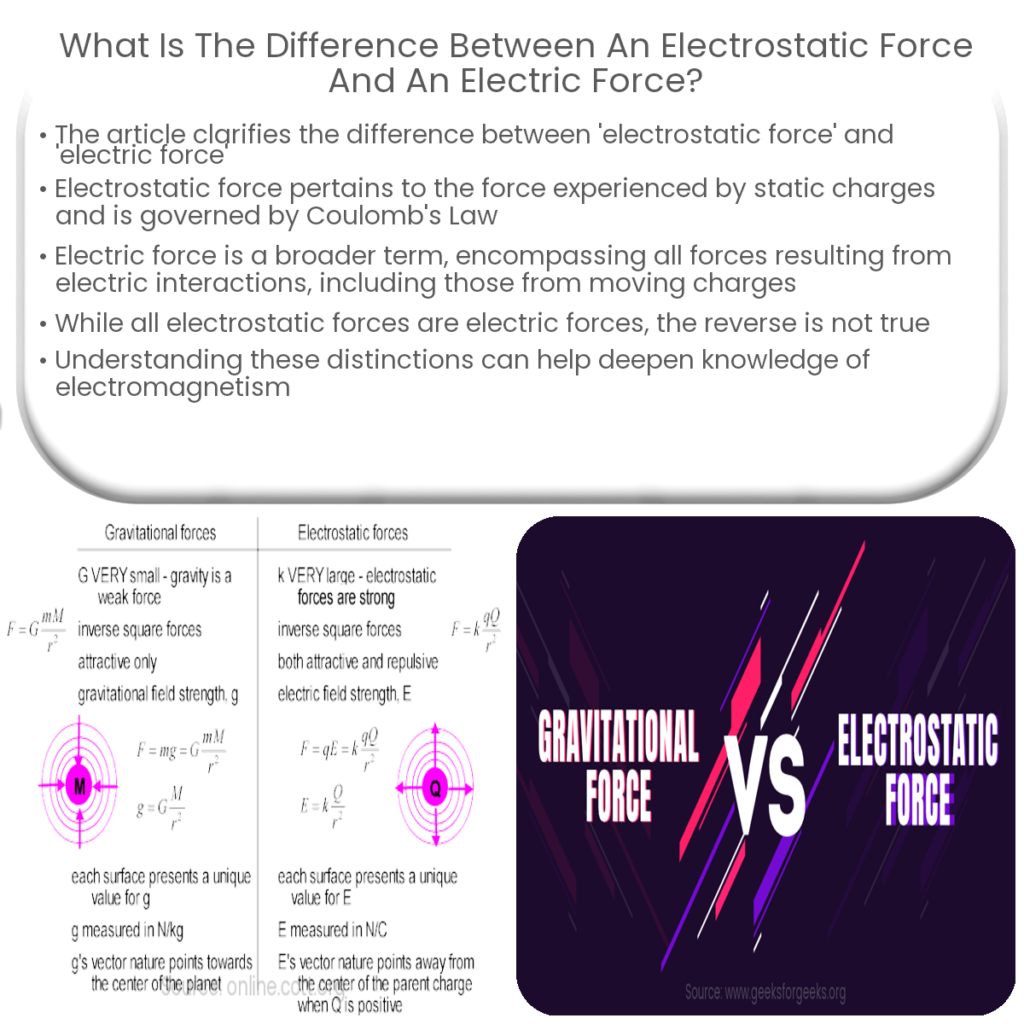
Electrostatic force refers to forces between static charges, while electric force is a broader term, encompassing forces from both static and moving charges.
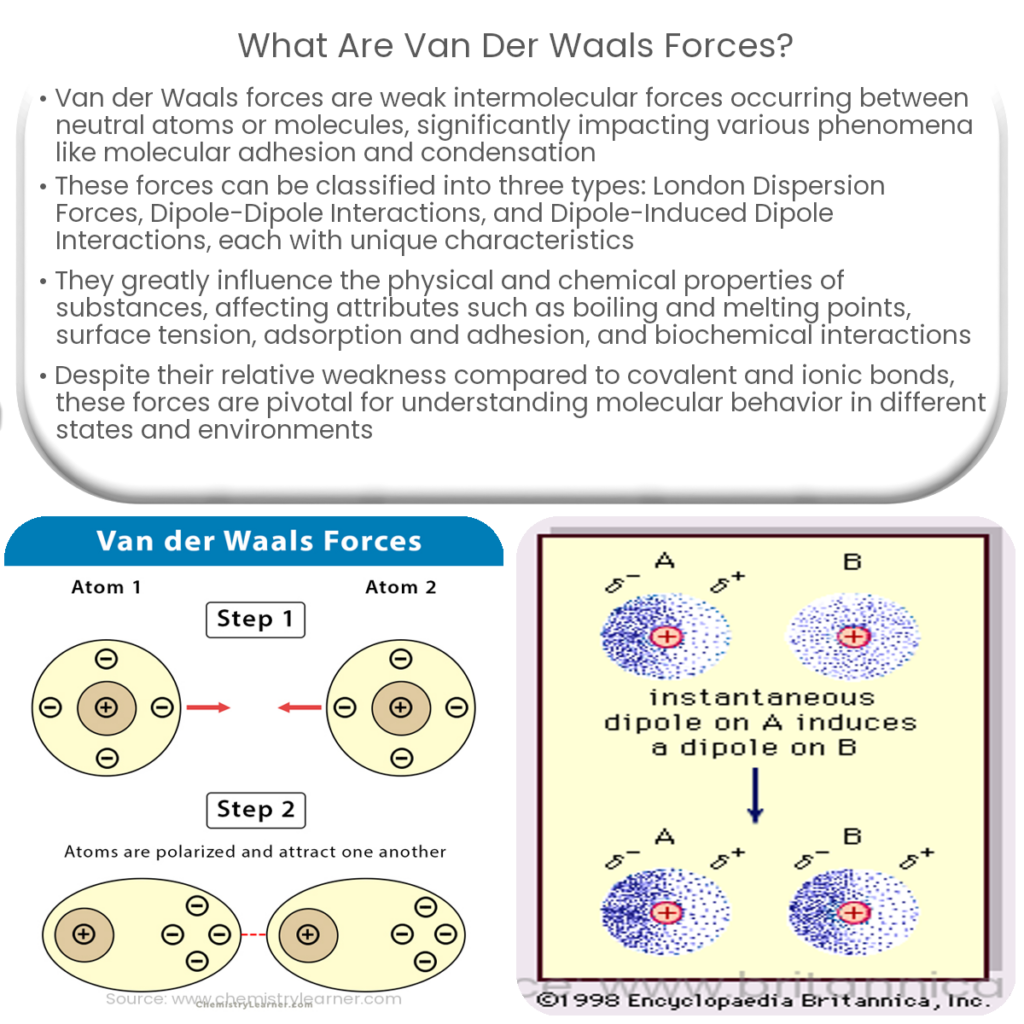
Van der Waals forces are weak intermolecular forces between neutral atoms or molecules, influencing properties like adhesion, boiling points, and surface tension.
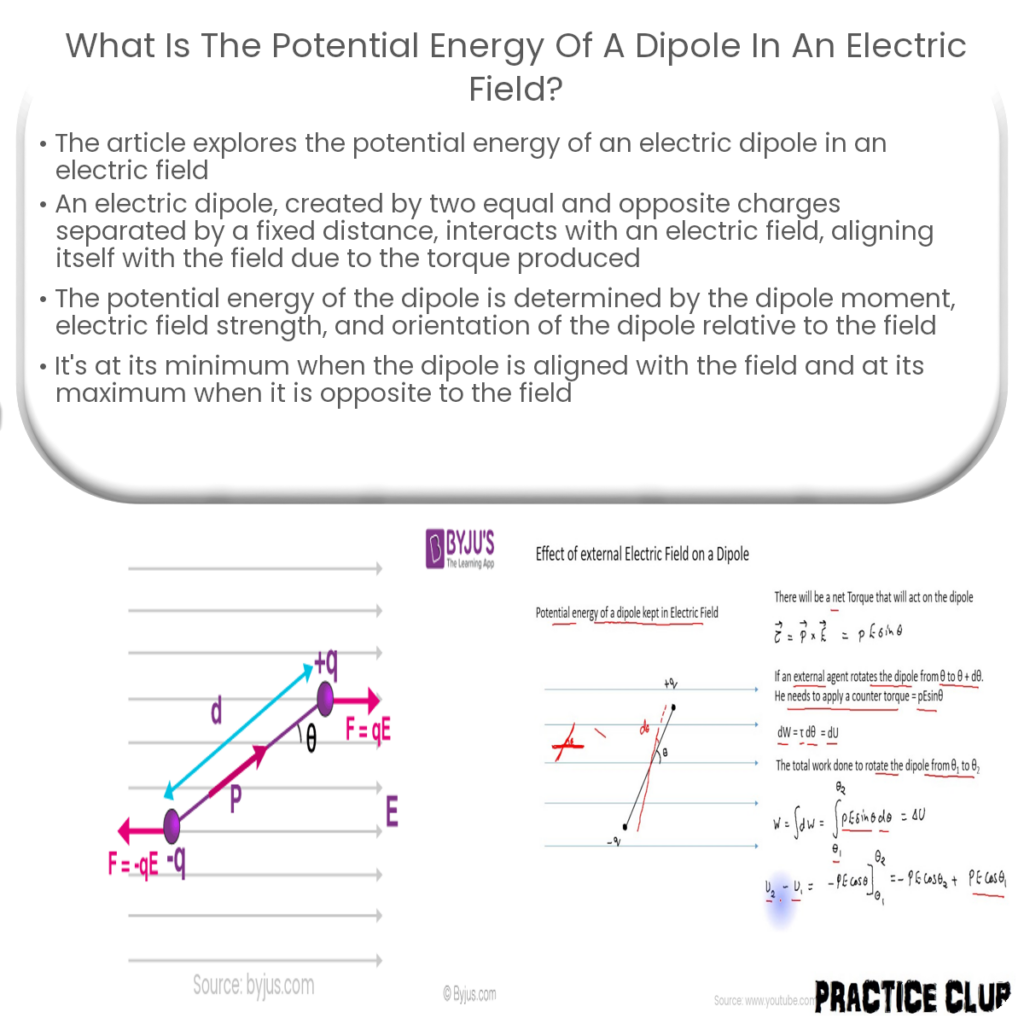
The potential energy of a dipole in an electric field is given by U = -P * E * cos(θ), where P is the dipole moment, E is the field strength, and θ is the angle between them.

An electric field gradient measures how the electric field changes with respect to position and is crucial in understanding charged particles’ behavior.
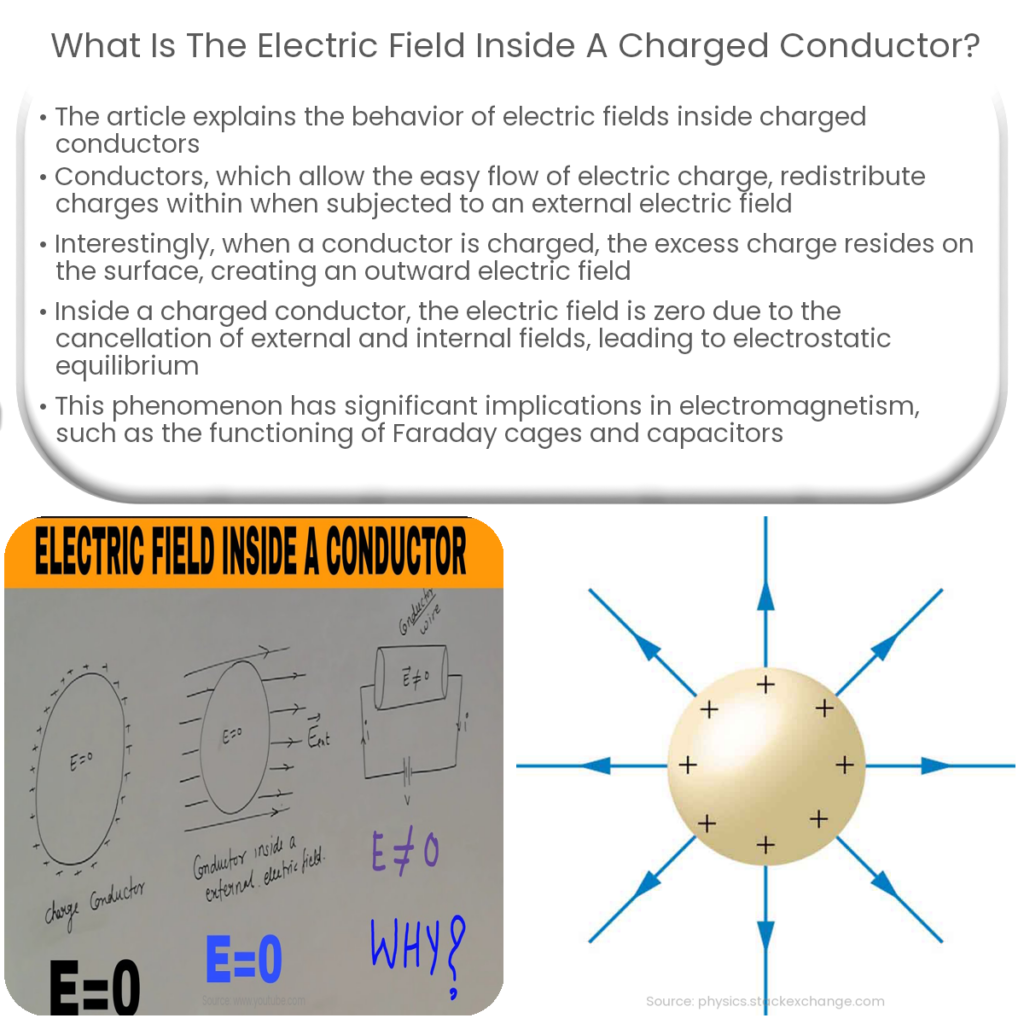
The electric field inside a charged conductor is zero due to the redistribution of charges that counteract any external electric field.
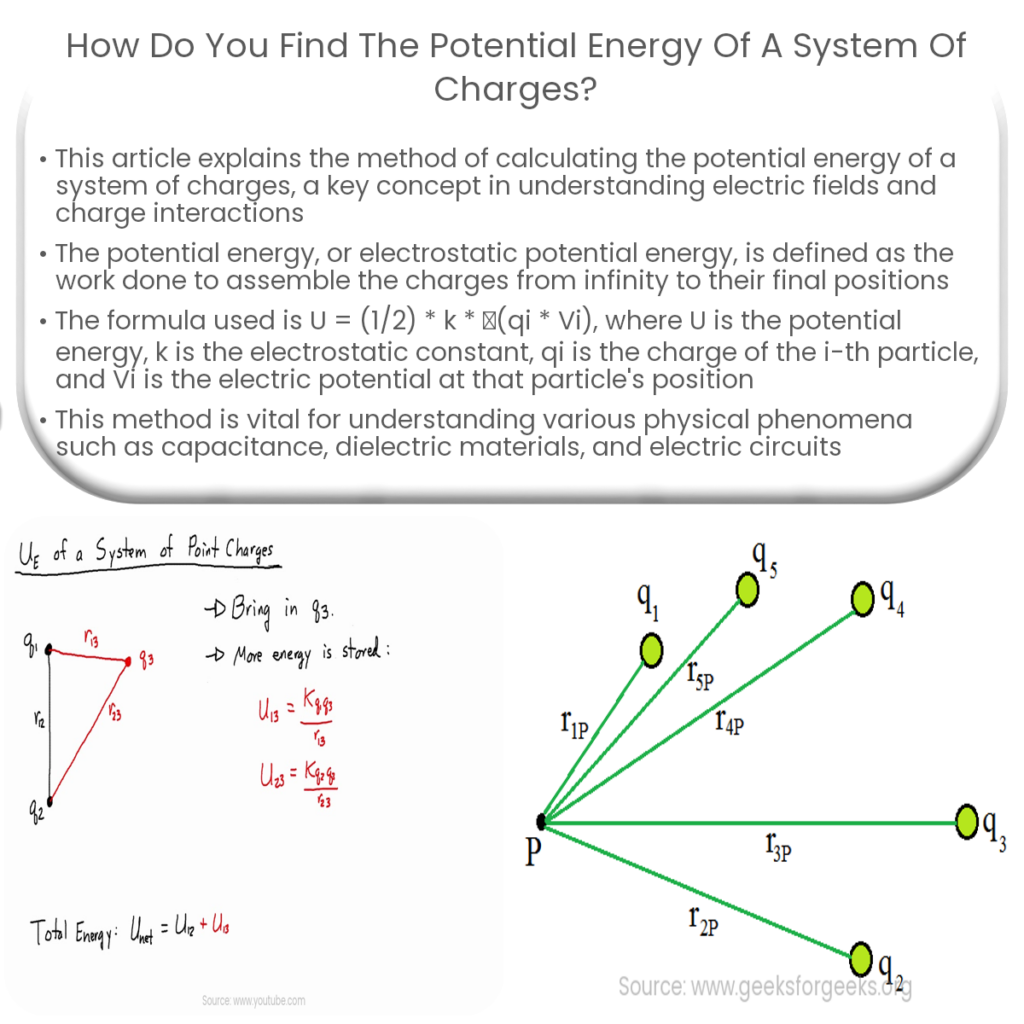
To find the potential energy of a system of charges, use the formula U = (1/2) * k * Σ(qi * Vi), where k is the electrostatic constant.

Capacitors in power supply circuits provide voltage regulation, filtering, energy storage, and decoupling, ensuring stable and efficient performance.

The primary purpose of this project is to help the public to learn some exciting and important information about electricity and magnetism.
Our Website follows all legal requirements to protect your privacy. Visit our Privacy Policy page.
The Cookies Statement is part of our Privacy Policy.
The information contained on this website is for general information purposes only. This website does not use any proprietary data. Visit our Editorial note.
It’s simple:
1) You may use almost everything for non-commercial and educational use.
2) You may not distribute or commercially exploit the content, especially on another website.
