
How is voltage measured?
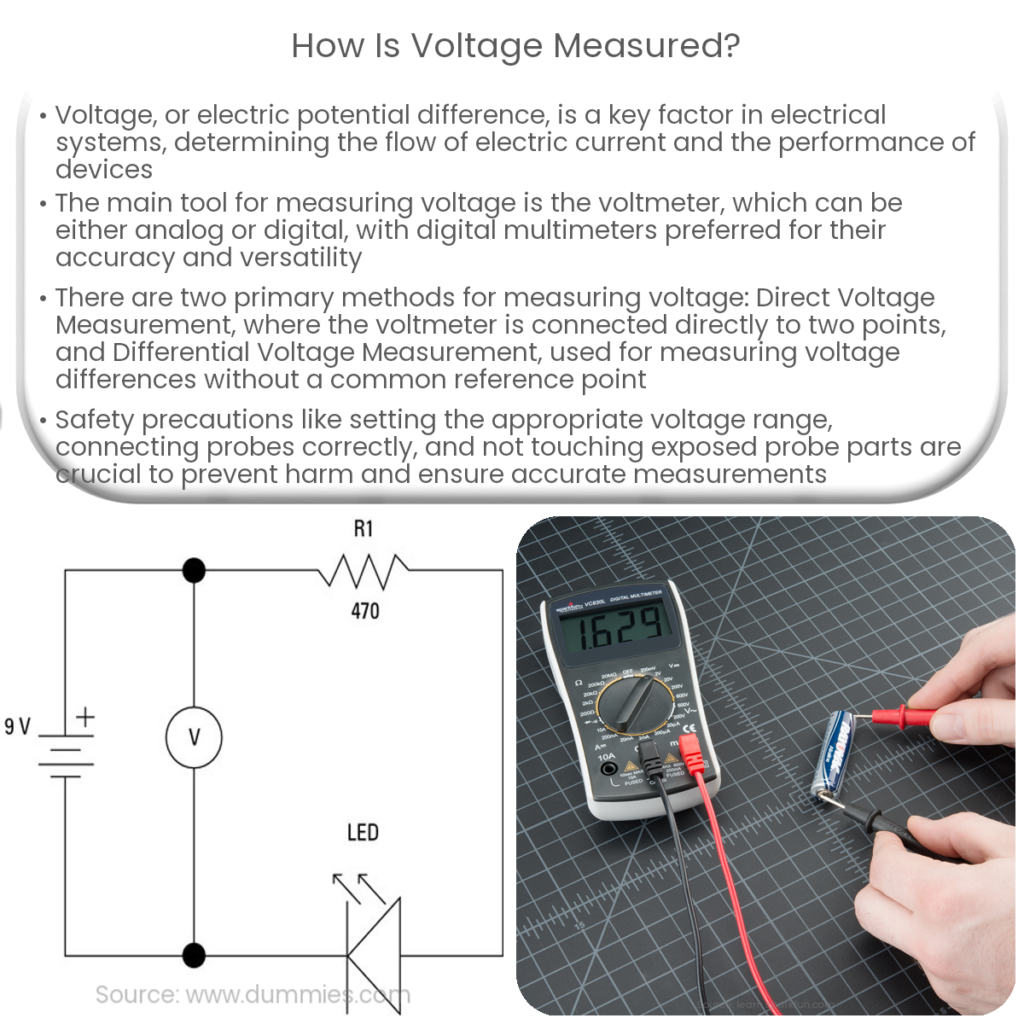
Voltage is measured using a voltmeter, which is connected to two points in a circuit to determine the electric potential difference between them.
Voltage is measured using a voltmeter, which is connected to two points in a circuit to determine the electric potential difference between them.
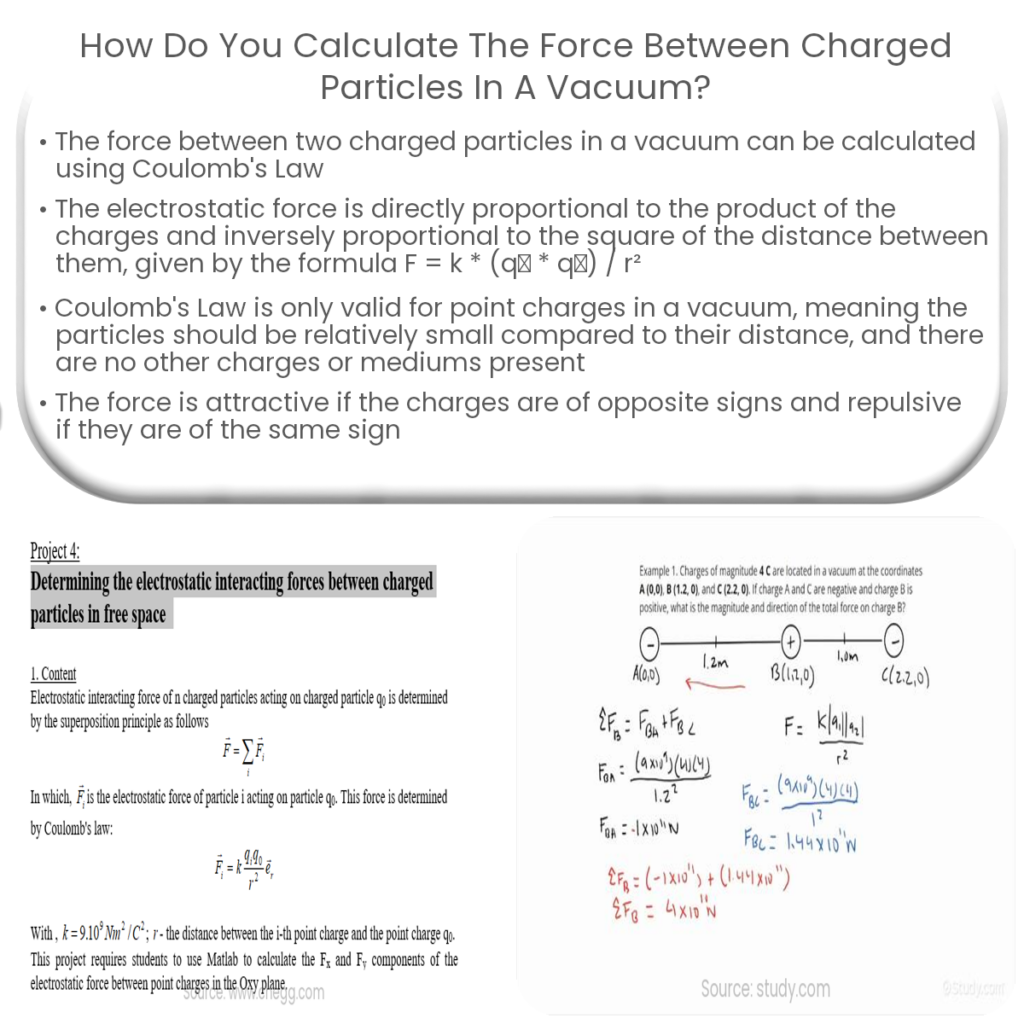
Use Coulomb’s Law, F = k*(q1*q2)/r², where F is the force, k is Coulomb’s constant, q1 and q2 are the charges, and r is the distance between them.
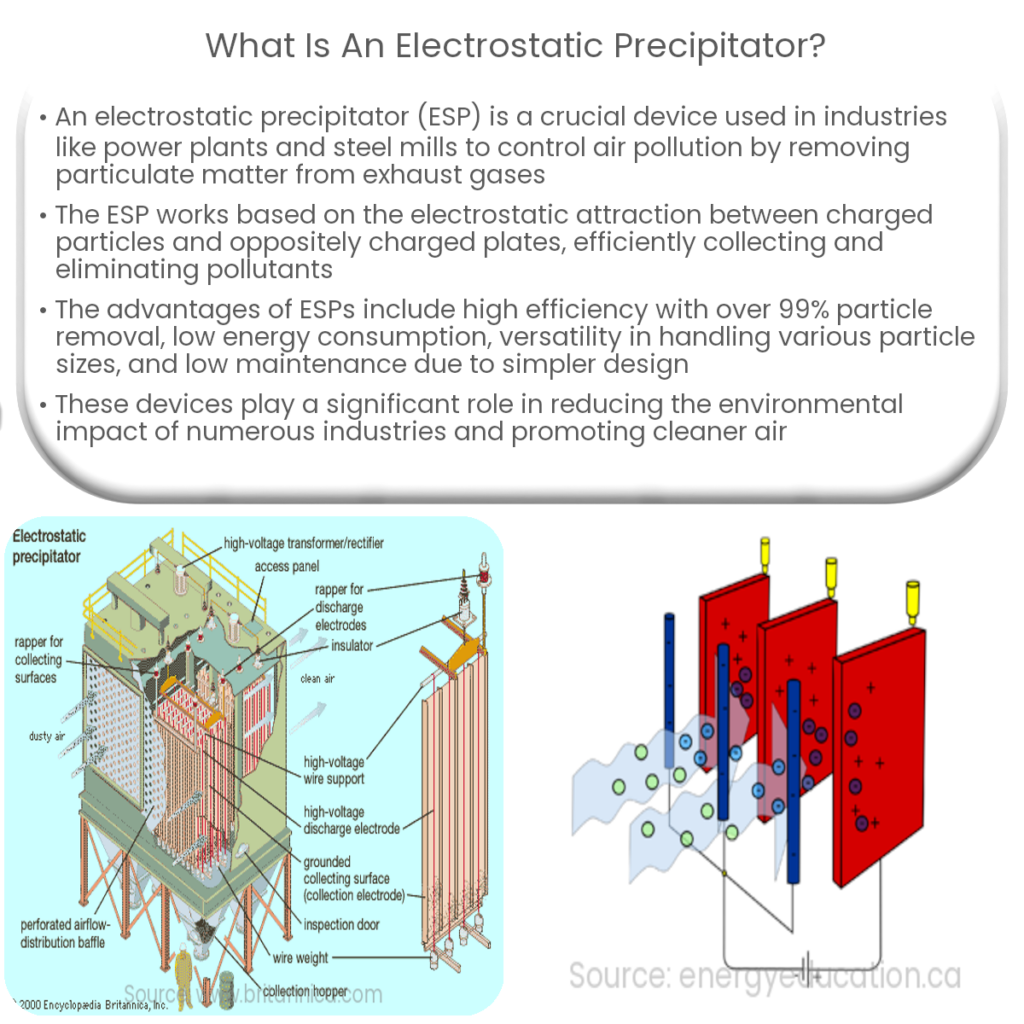
An electrostatic precipitator removes particles from exhaust gases using electrostatic attraction, significantly reducing air pollution in industries.
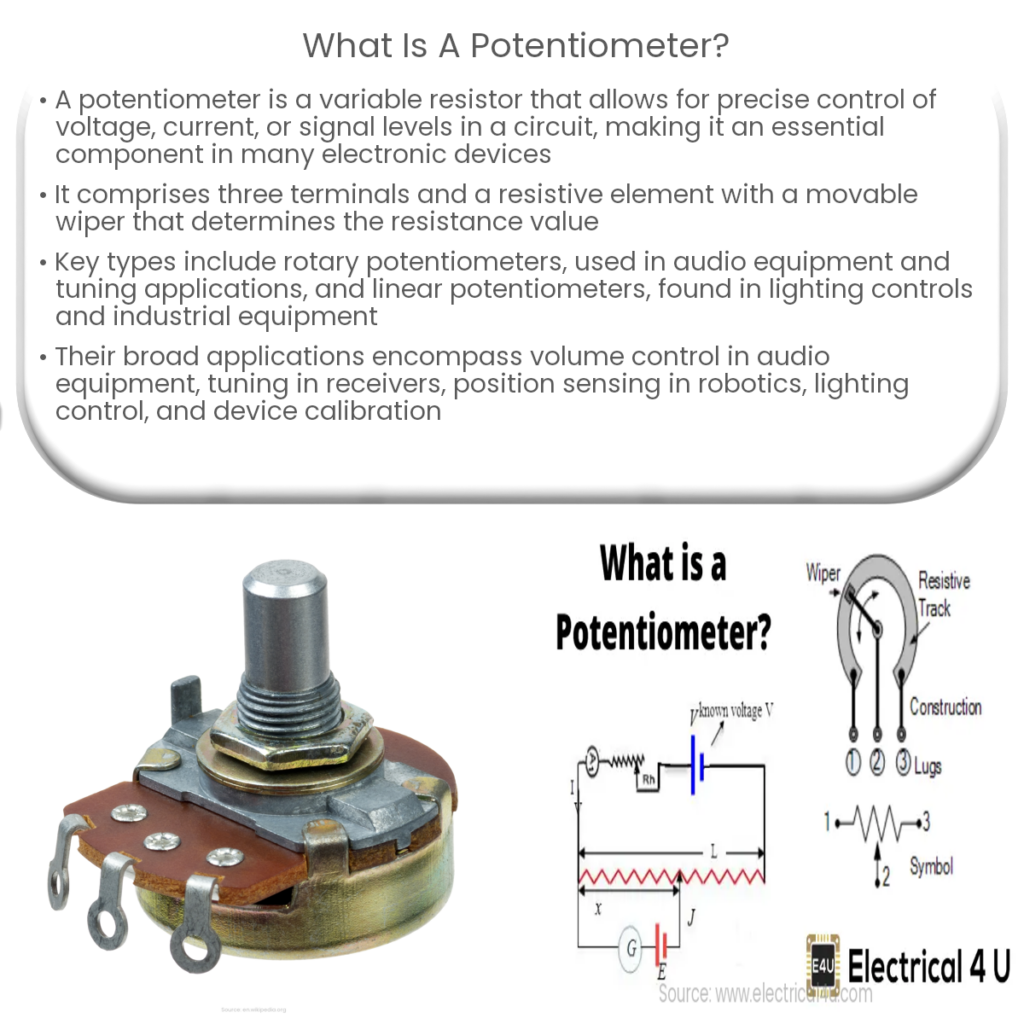
A potentiometer is a three-terminal variable resistor used for voltage division and signal scaling in electronic circuits, allowing adjustable output.
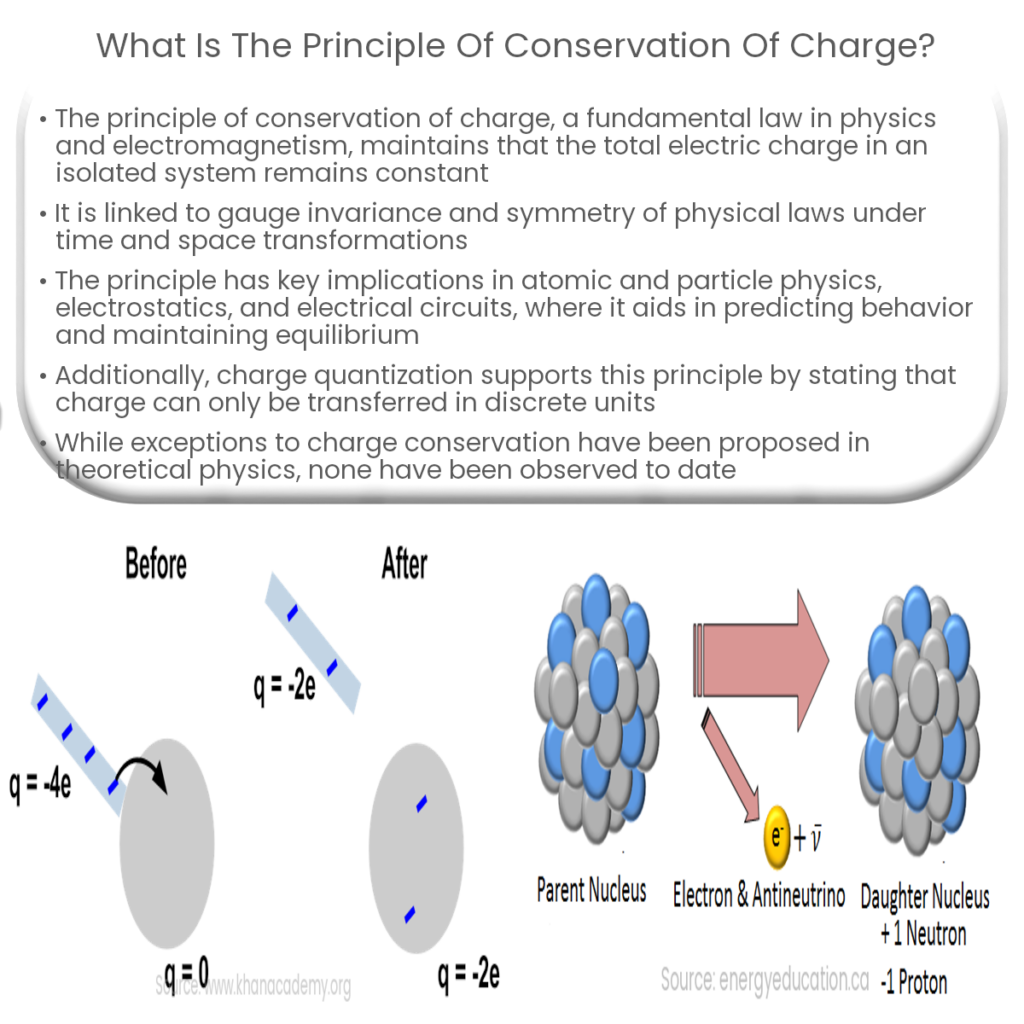
The principle of conservation of charge states that the total electric charge in an isolated system remains constant over time.

The purpose of a resistor in a circuit is to control the flow of electric current, ensuring the proper functioning of other components.
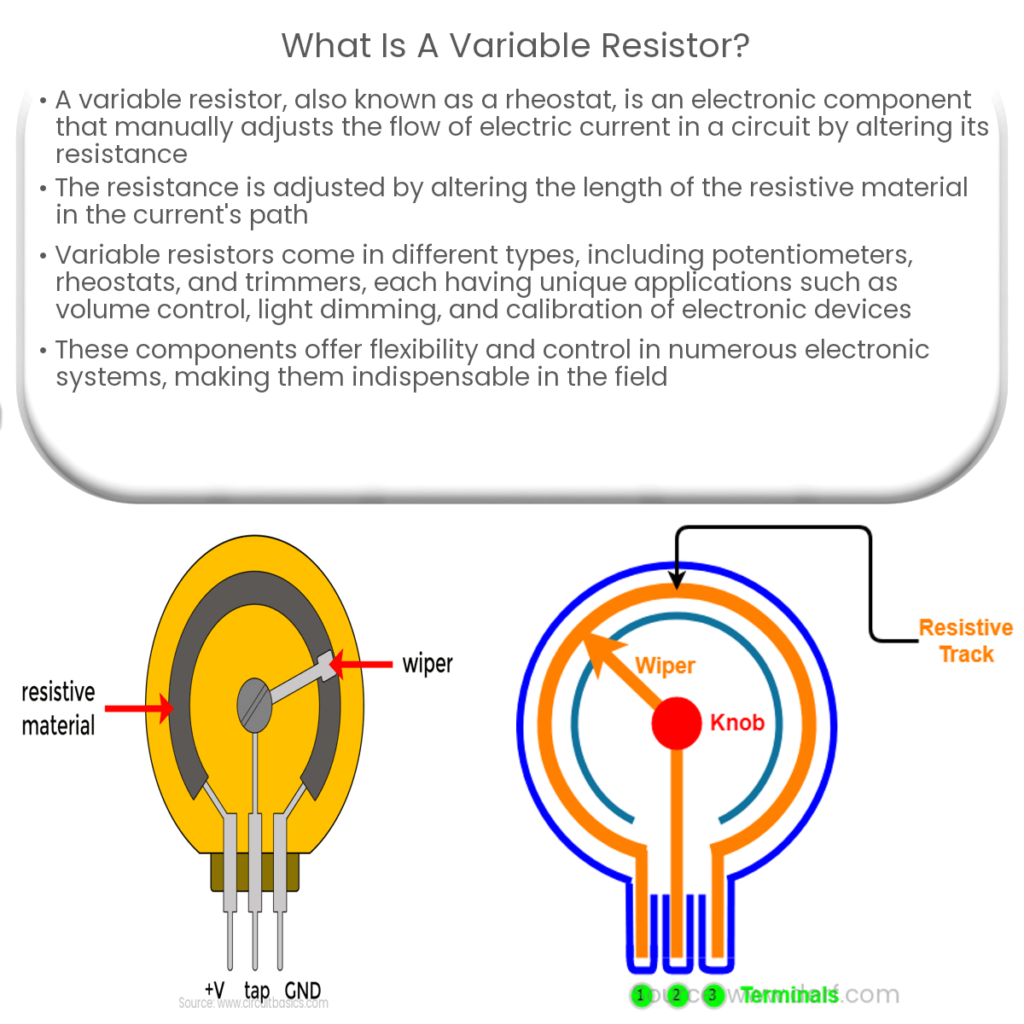
A variable resistor is an adjustable electronic component that controls current flow in a circuit by altering its resistance, used in various applications.
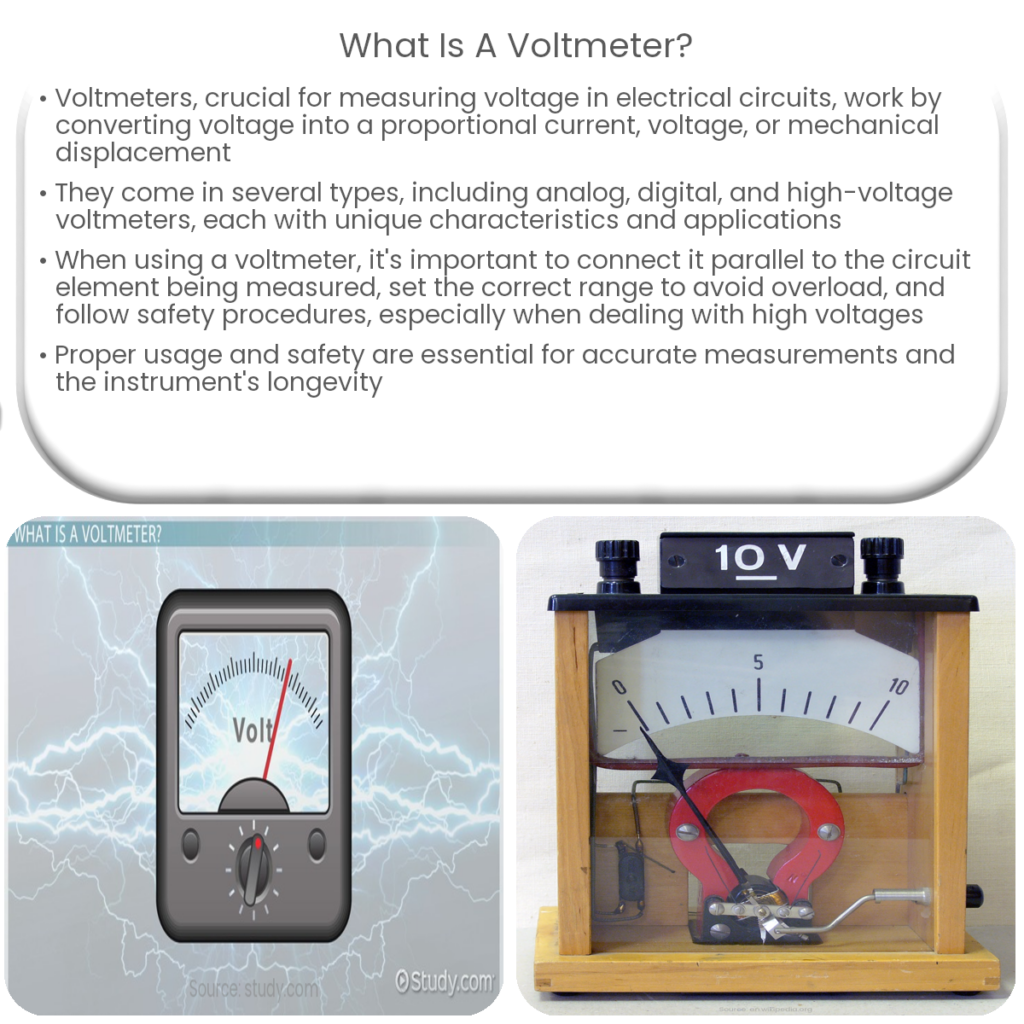
A voltmeter is an instrument that measures voltage or potential difference between two points in an electrical circuit, available in analog or digital forms.
A multimeter measures voltage, current, and resistance by connecting probes to a circuit and selecting the appropriate setting on the device.
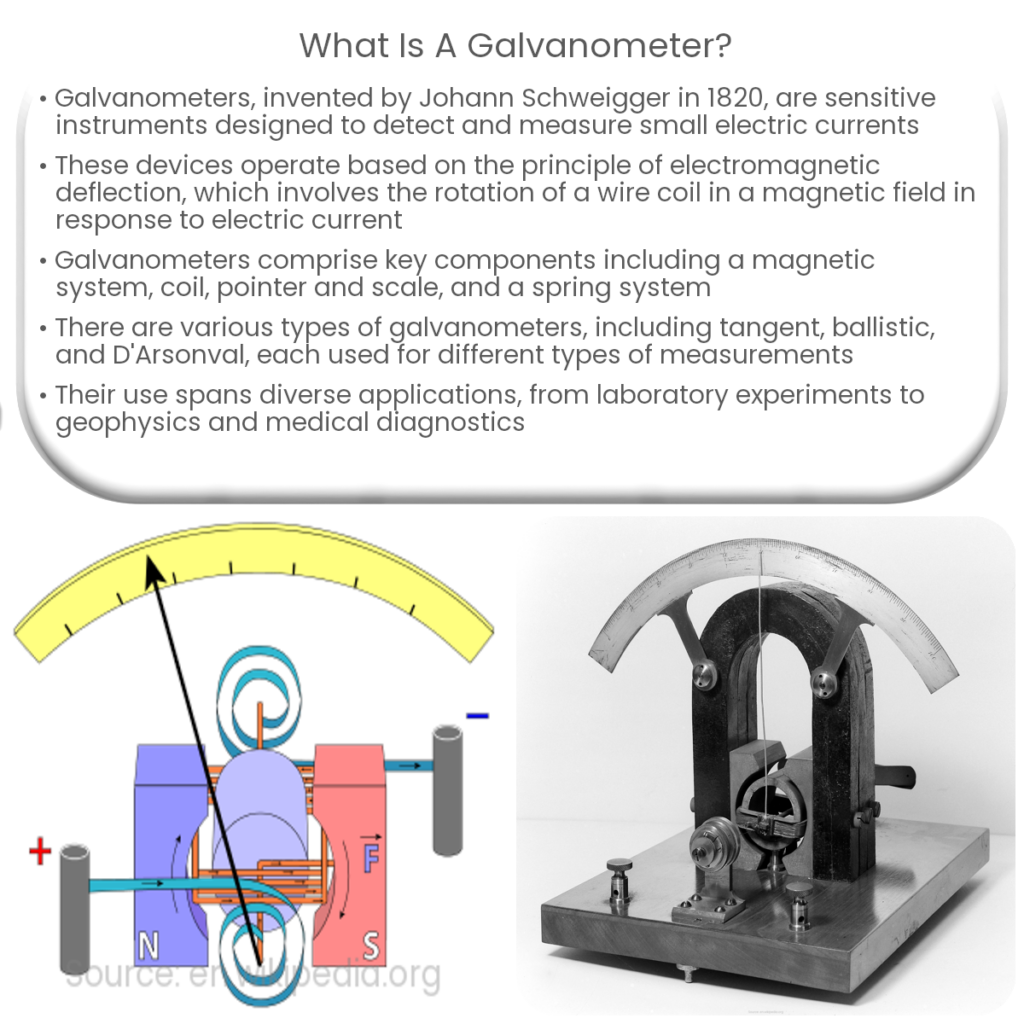
A galvanometer is a sensitive instrument used to measure small electric currents or detect the presence of a current by utilizing magnetic fields.

The primary purpose of this project is to help the public to learn some exciting and important information about electricity and magnetism.
Our Website follows all legal requirements to protect your privacy. Visit our Privacy Policy page.
The Cookies Statement is part of our Privacy Policy.
The information contained on this website is for general information purposes only. This website does not use any proprietary data. Visit our Editorial note.
It’s simple:
1) You may use almost everything for non-commercial and educational use.
2) You may not distribute or commercially exploit the content, especially on another website.
