
What is an ammeter?
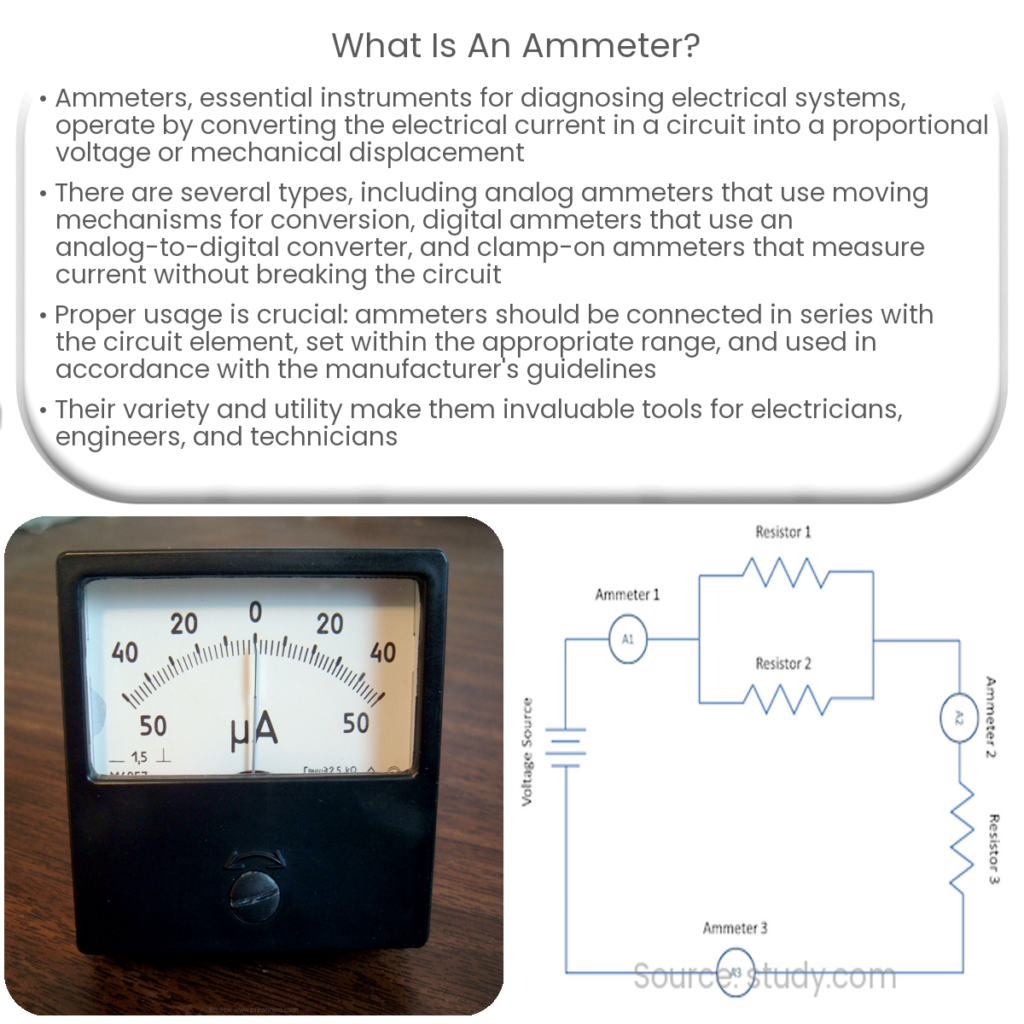
An ammeter is an instrument used to measure electric current in a circuit, with types including analog, digital, and clamp-on ammeters.
An ammeter is an instrument used to measure electric current in a circuit, with types including analog, digital, and clamp-on ammeters.
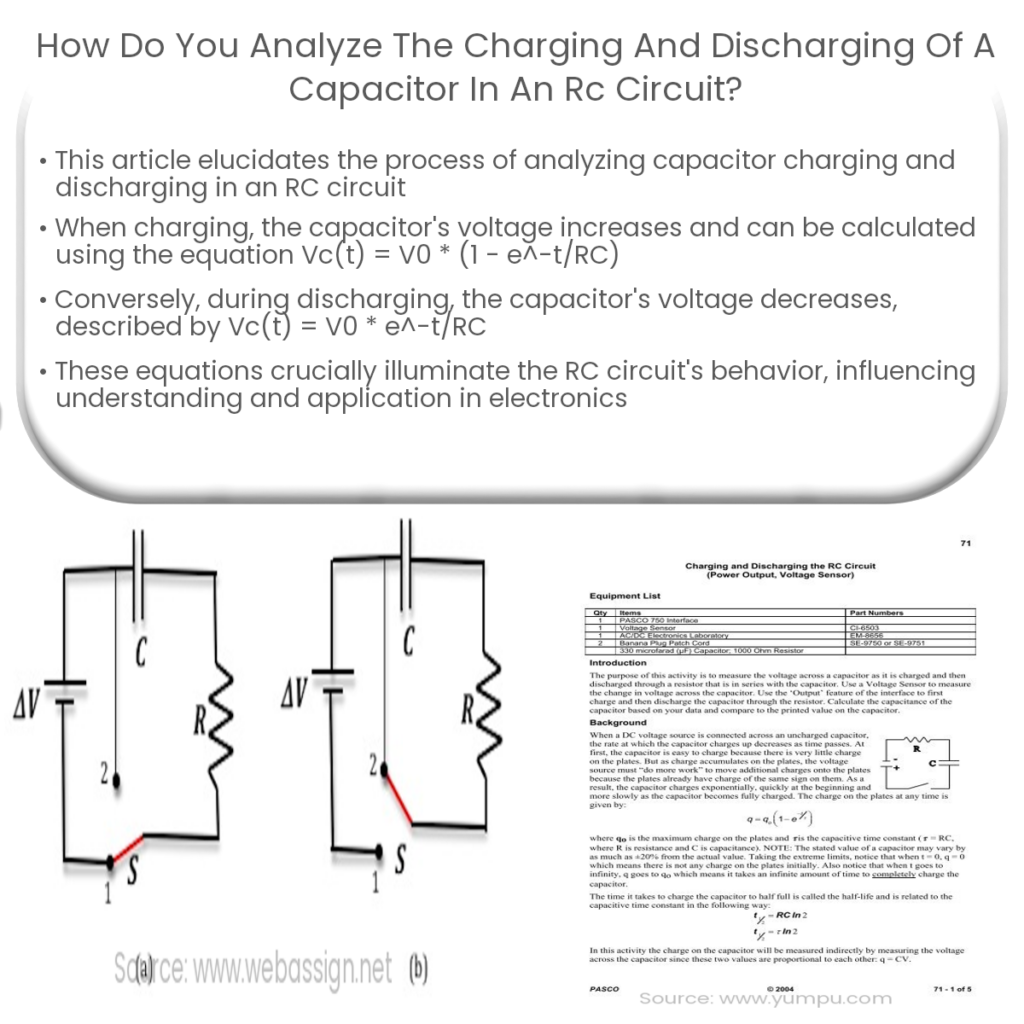
To analyze capacitor charging and discharging in an RC circuit, use exponential equations for voltage as a function of time, considering resistance and capacitance values.
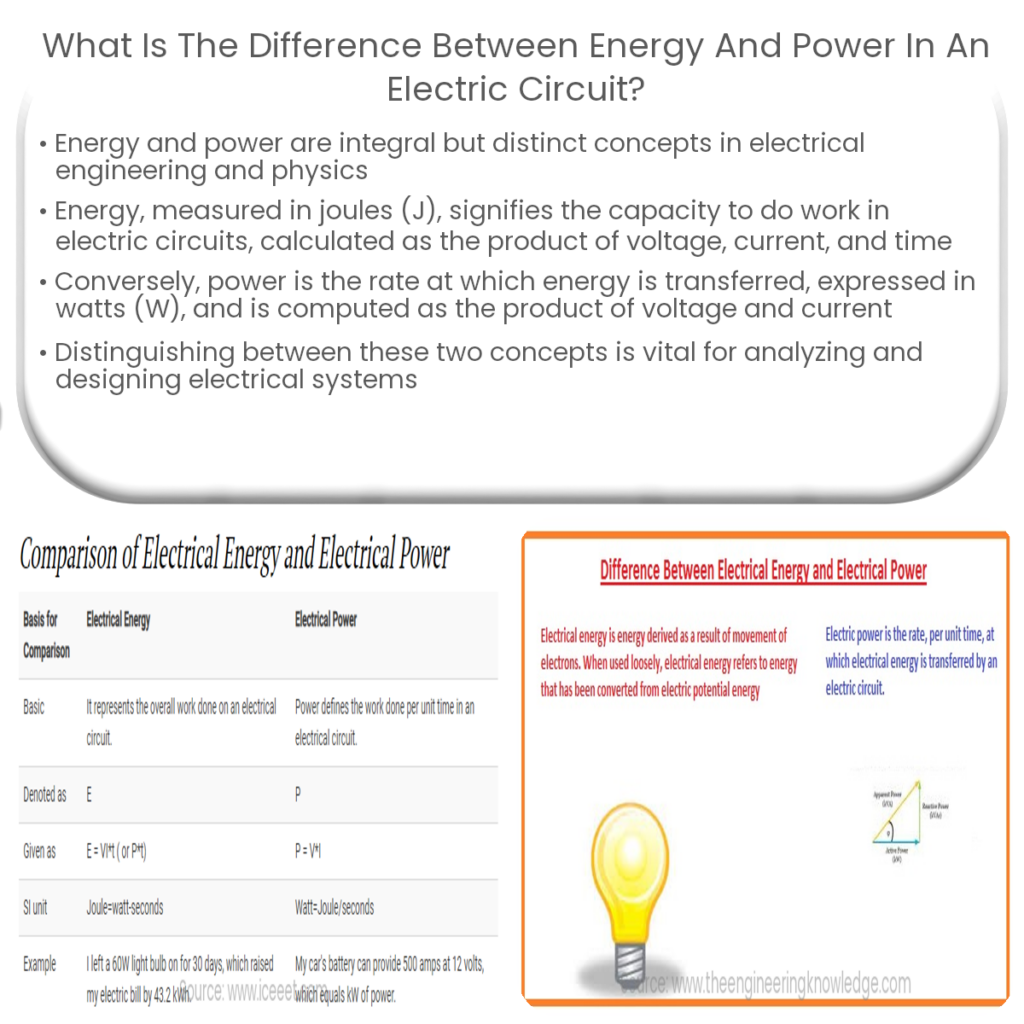
Energy is the capacity to do work (measured in joules), while power is the rate of energy transfer (measured in watts) in an electric circuit.
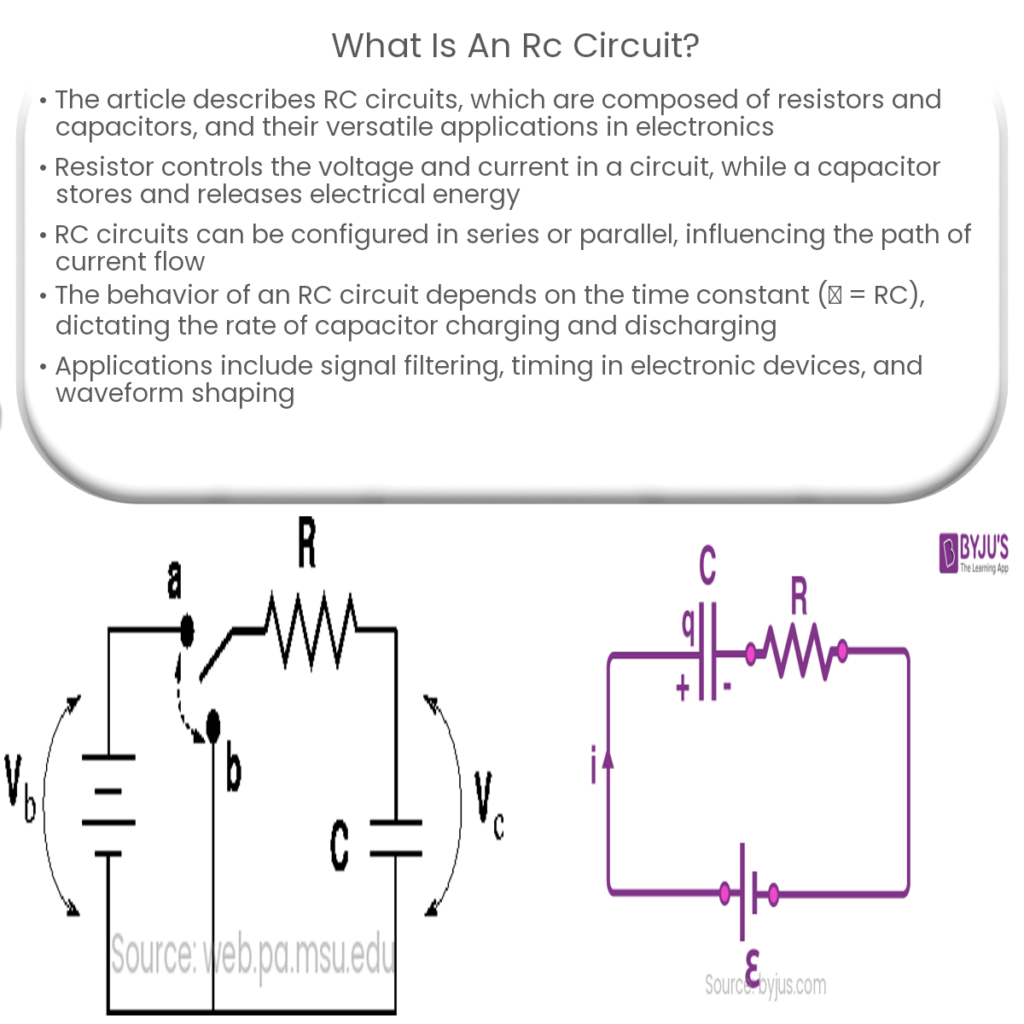
An RC circuit consists of a resistor and capacitor connected in series or parallel, used in filtering, timing, and waveform shaping applications.

The time constant of an RC circuit (τ) represents the time for the capacitor to charge or discharge to ~63.2% of its maximum value (τ = R * C).

The shape of a capacitor affects its capacitance by altering the surface area and distance between plates, influencing charge storage capacity.
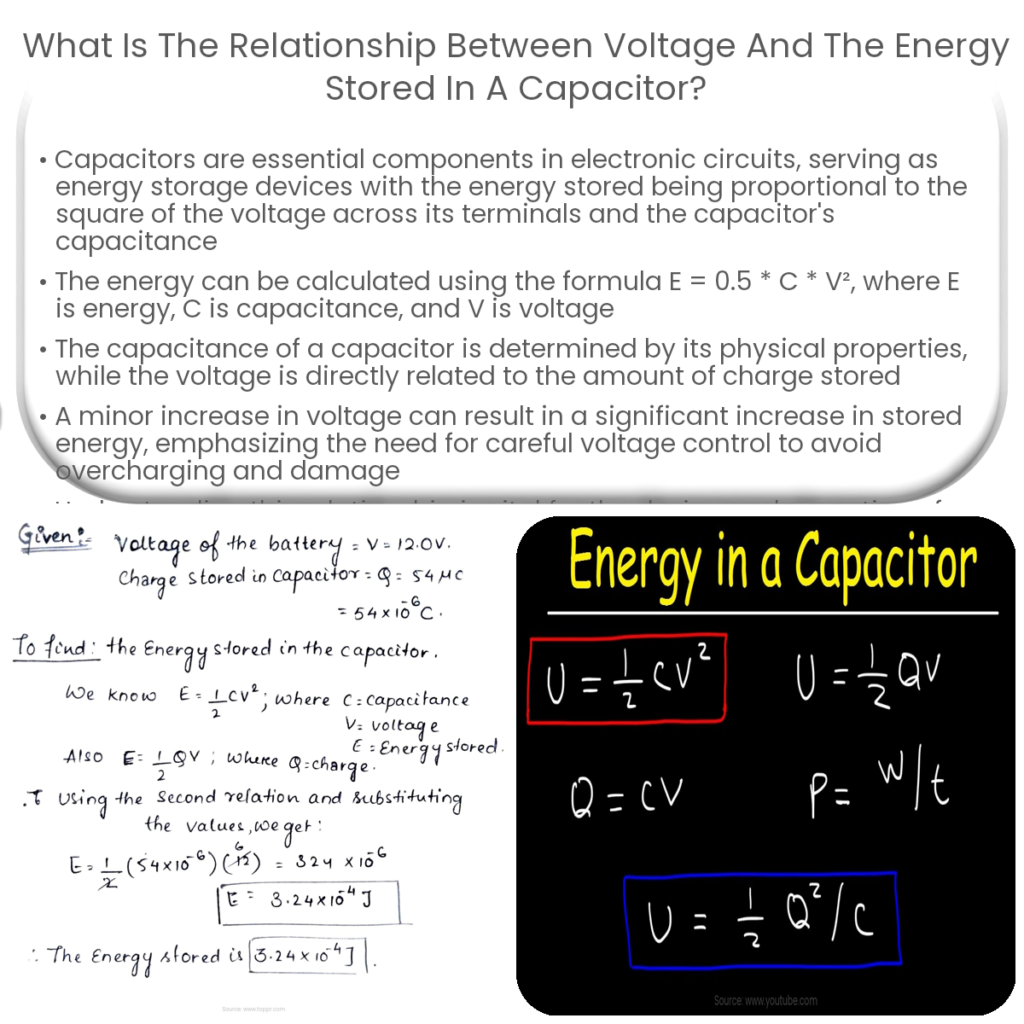
The energy stored in a capacitor is directly related to the voltage across its terminals, with energy proportional to the square of the voltage.
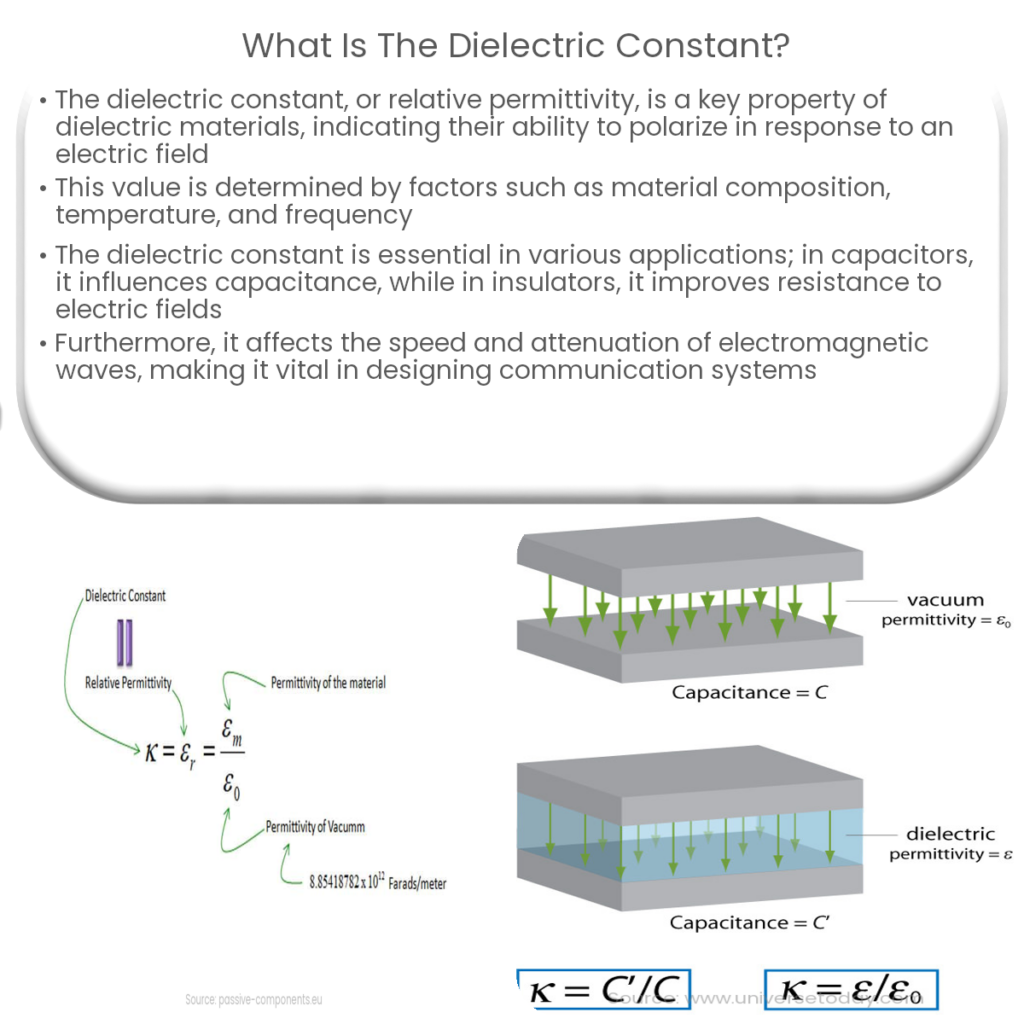
The dielectric constant is a measure of a material’s ability to polarize under an electric field, affecting capacitance, insulation, and wave propagation.
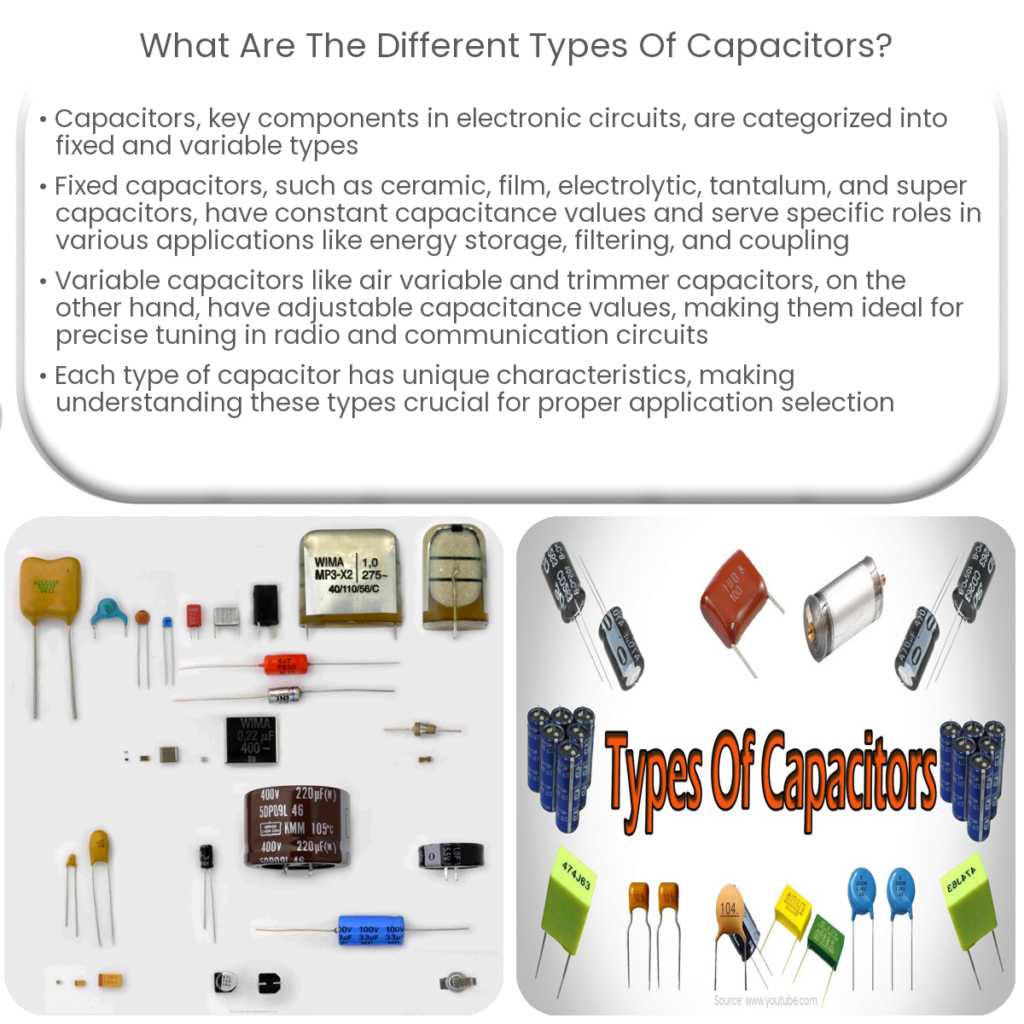
Different types of capacitors include ceramic, film, electrolytic, tantalum, super capacitors, air variable capacitors, and trimmer capacitors.
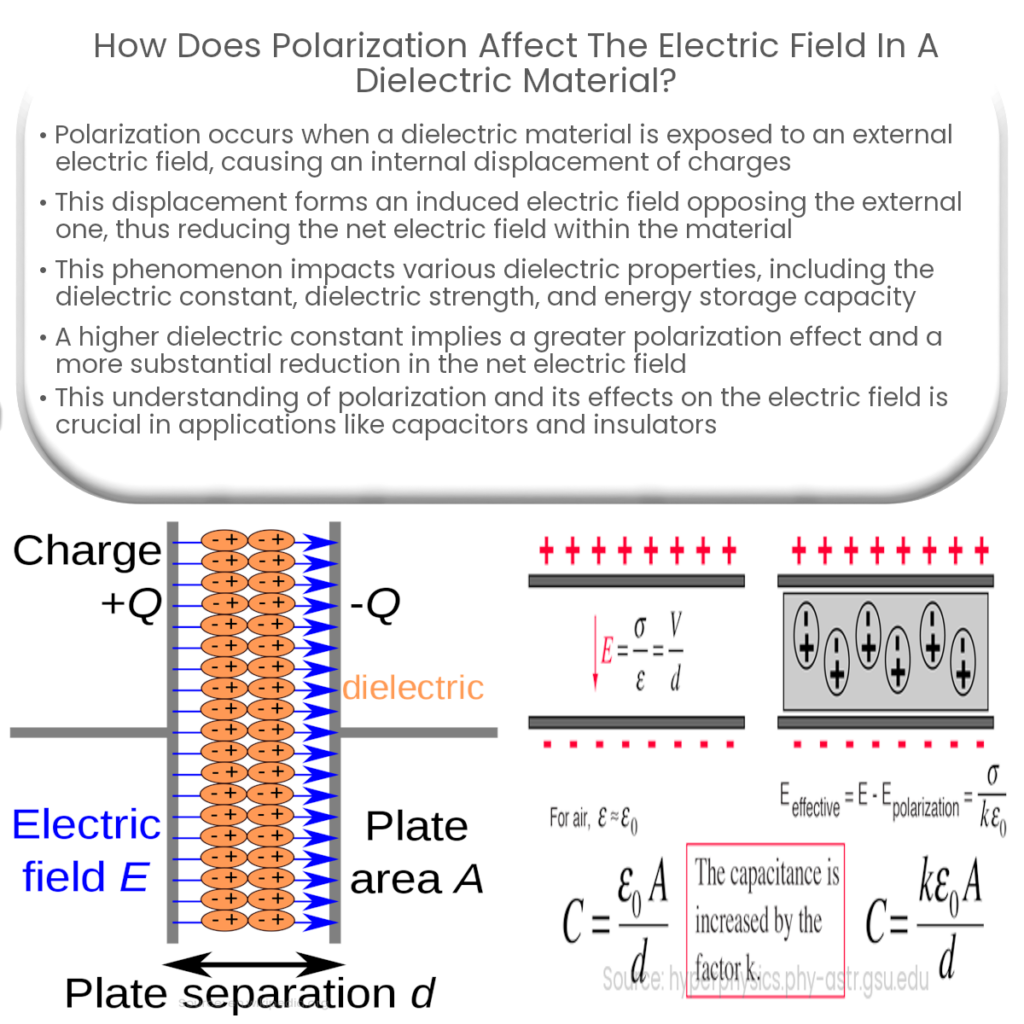
Polarization in dielectrics creates an induced electric field that opposes the external field, reducing the net electric field within the material.

The primary purpose of this project is to help the public to learn some exciting and important information about electricity and magnetism.
Our Website follows all legal requirements to protect your privacy. Visit our Privacy Policy page.
The Cookies Statement is part of our Privacy Policy.
The information contained on this website is for general information purposes only. This website does not use any proprietary data. Visit our Editorial note.
It’s simple:
1) You may use almost everything for non-commercial and educational use.
2) You may not distribute or commercially exploit the content, especially on another website.
