
What is the difference between a step-up and a step-down transformer?
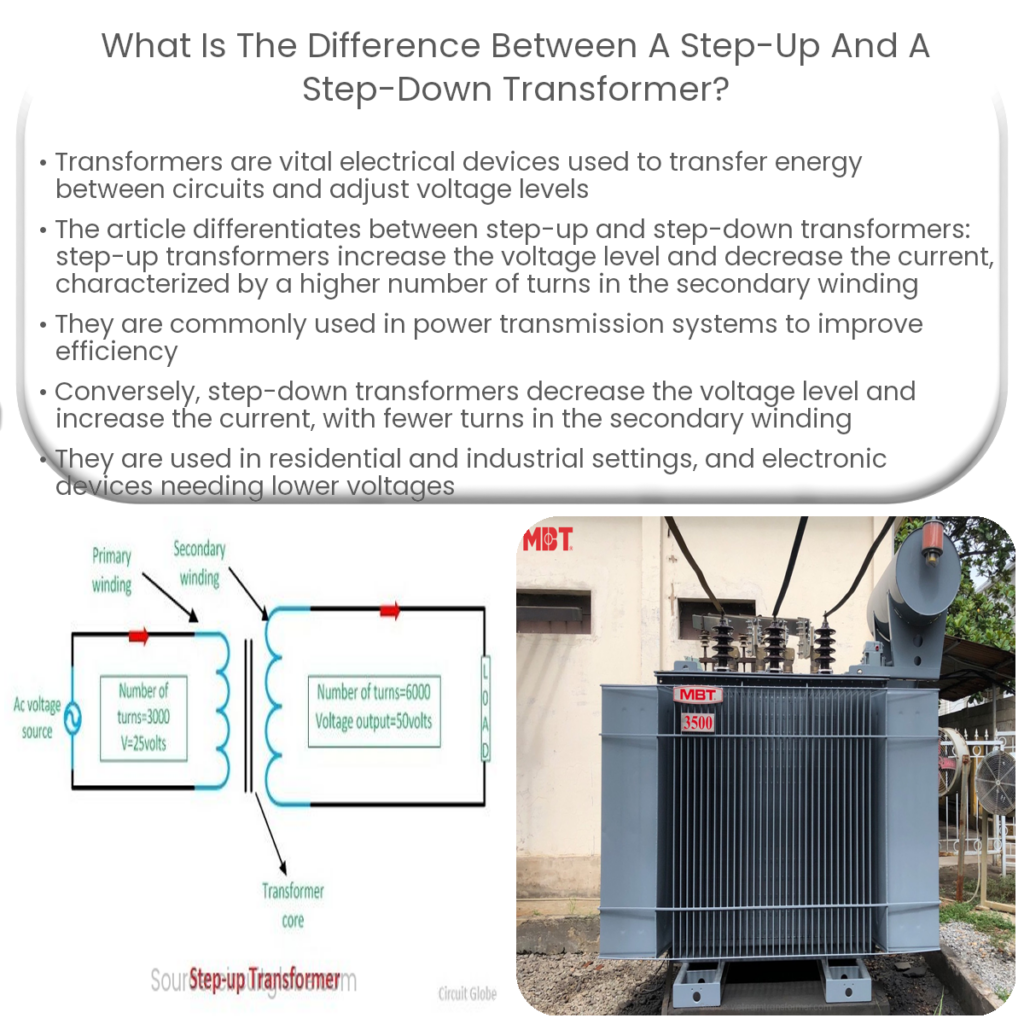
The main difference is that a step-up transformer increases voltage and decreases current, while a step-down transformer decreases voltage and increases current.
The main difference is that a step-up transformer increases voltage and decreases current, while a step-down transformer decreases voltage and increases current.
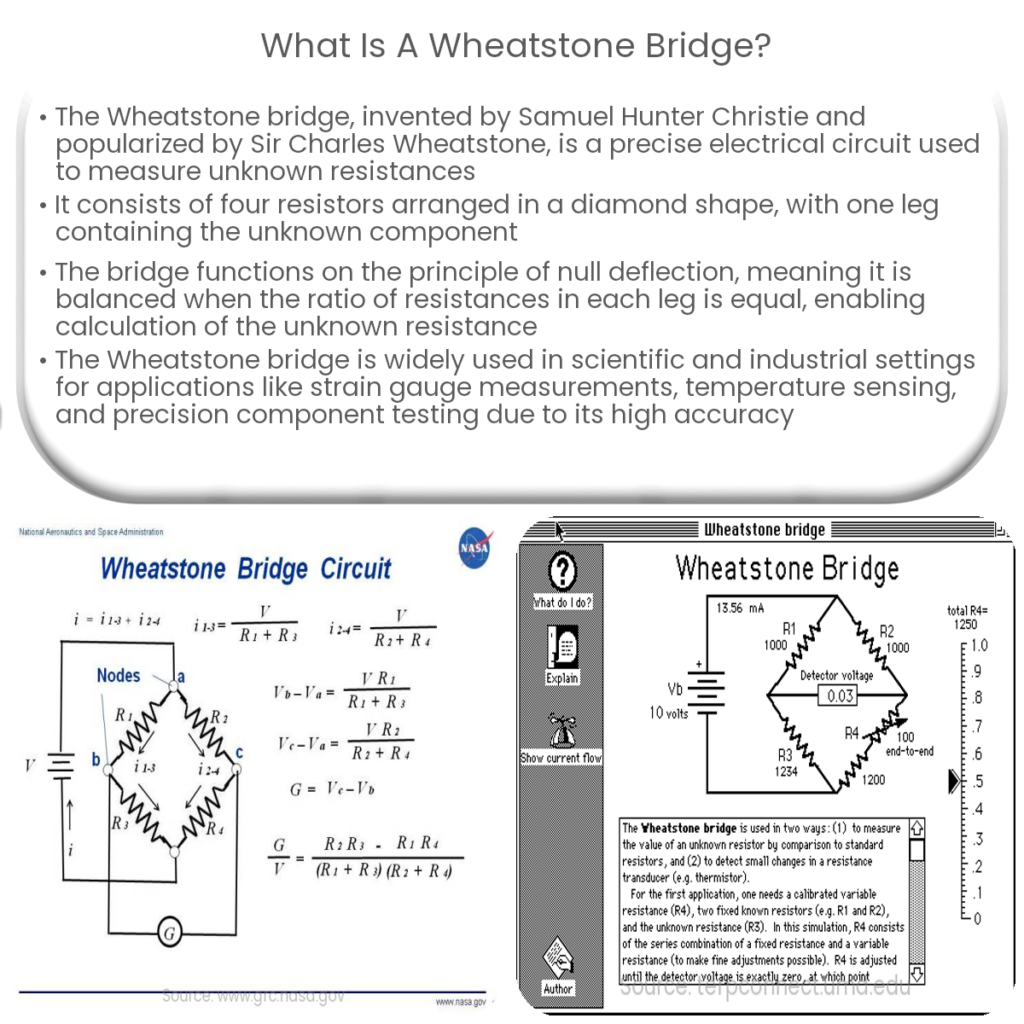
A Wheatstone bridge is an instrument used to measure unknown electrical resistance or compare resistances by balancing the bridge’s resistor ratios.
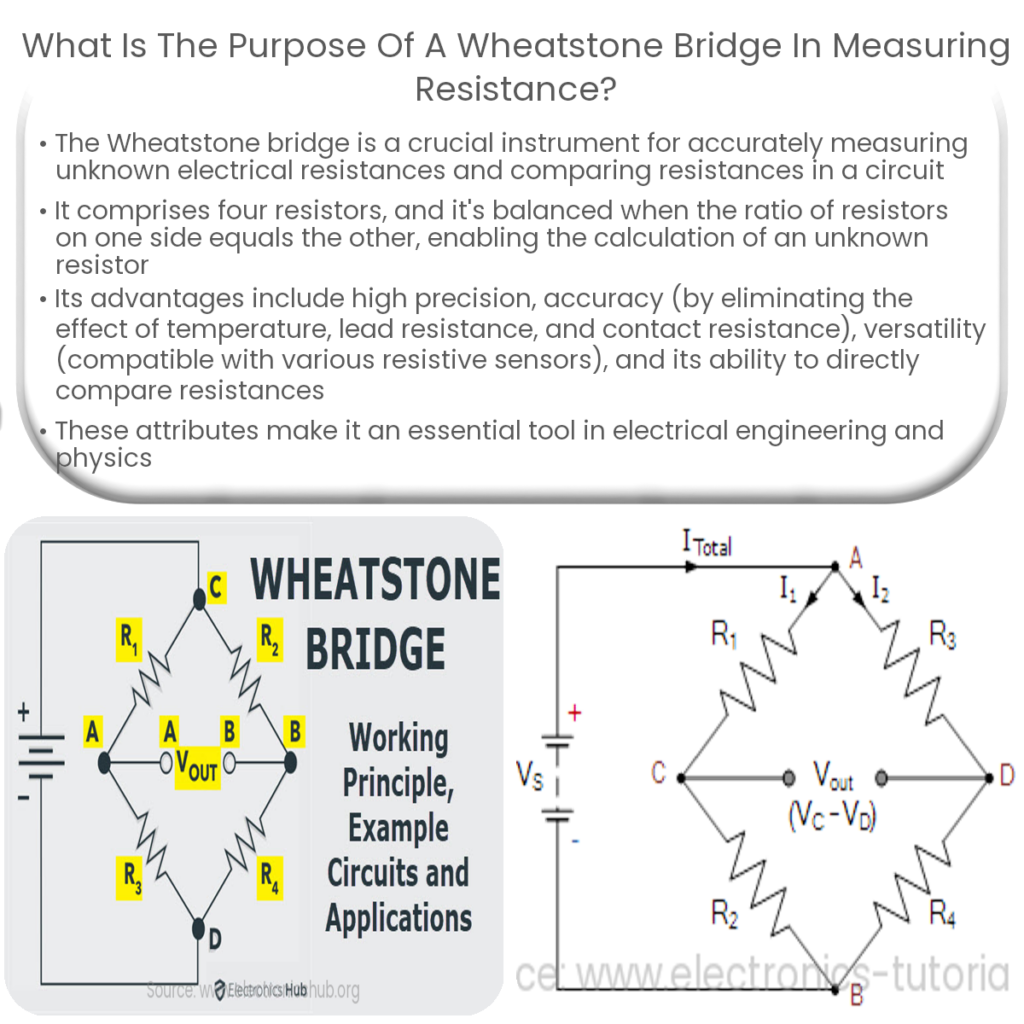
The purpose of a Wheatstone bridge is to accurately measure unknown resistances by balancing resistor ratios, ensuring precision and versatility.
Kirchhoff’s voltage law states that the sum of voltages around any closed loop in a circuit is always zero, reflecting the conservation of energy.
To solve a circuit using Kirchhoff’s laws, identify nodes and loops, write KCL and KVL equations, solve the system of equations, and verify the solution.
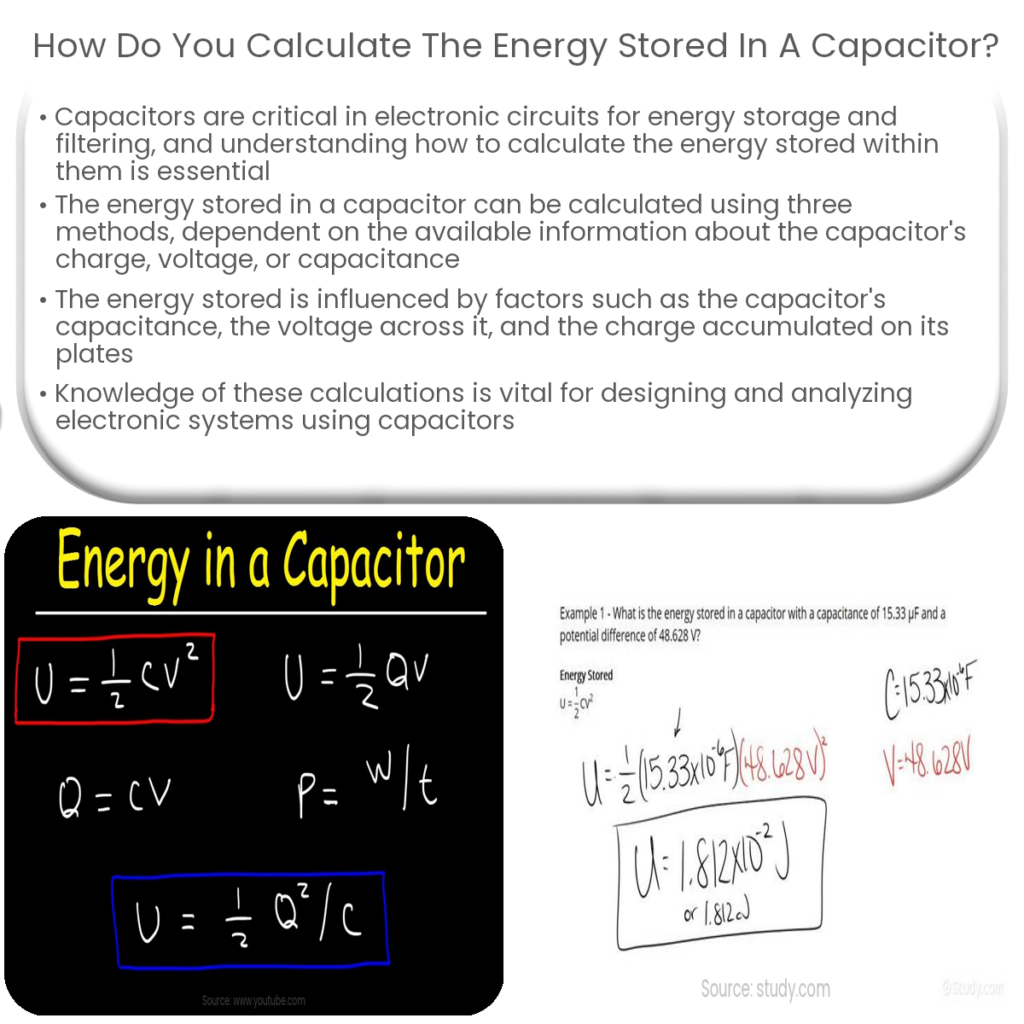
The energy stored in a capacitor can be calculated using W = 1/2 * Q * V, W = 1/2 * C * V², or W = Q² / (2 * C), depending on the available information.
Kirchhoff’s current law states that the total current entering a node in a circuit must equal the total current leaving the node, conserving charge.
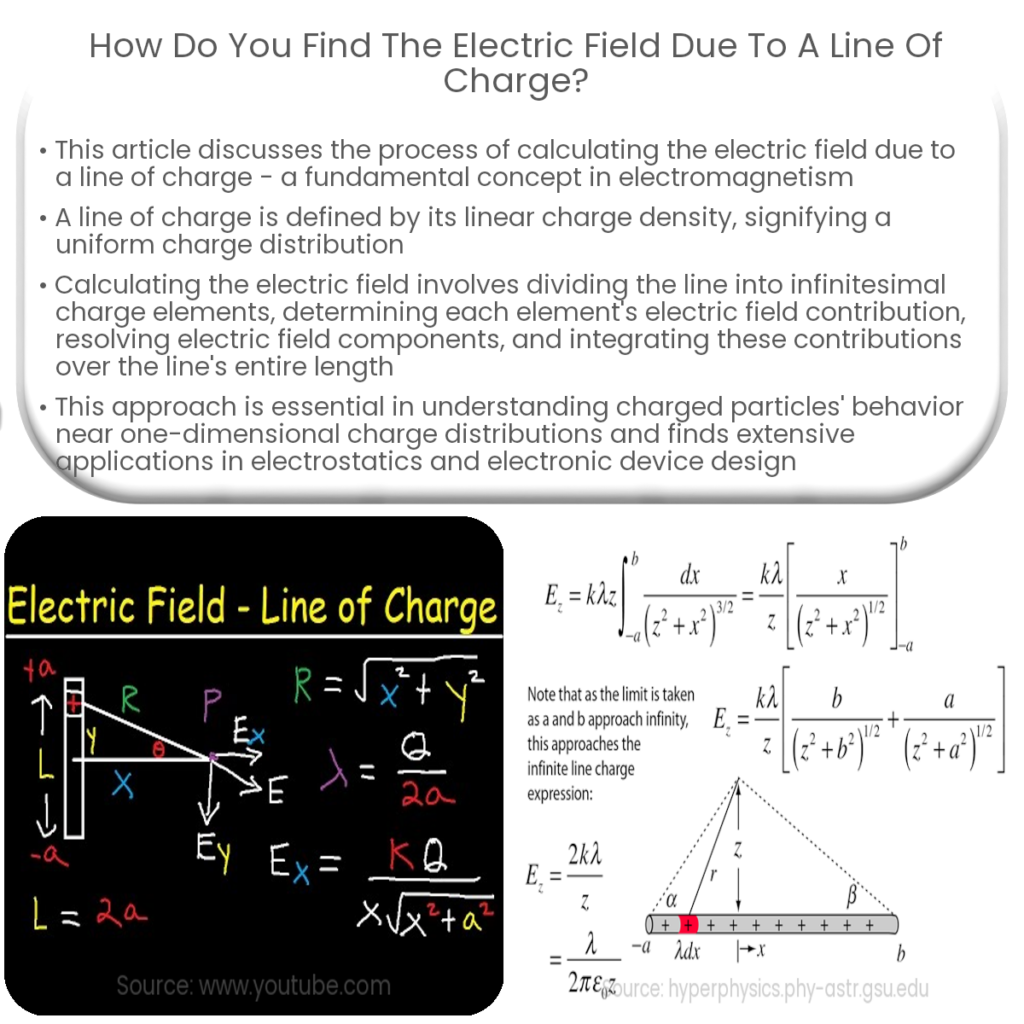
To find the electric field due to a line of charge, divide it into small charge elements, calculate their fields, and integrate the vertical components.
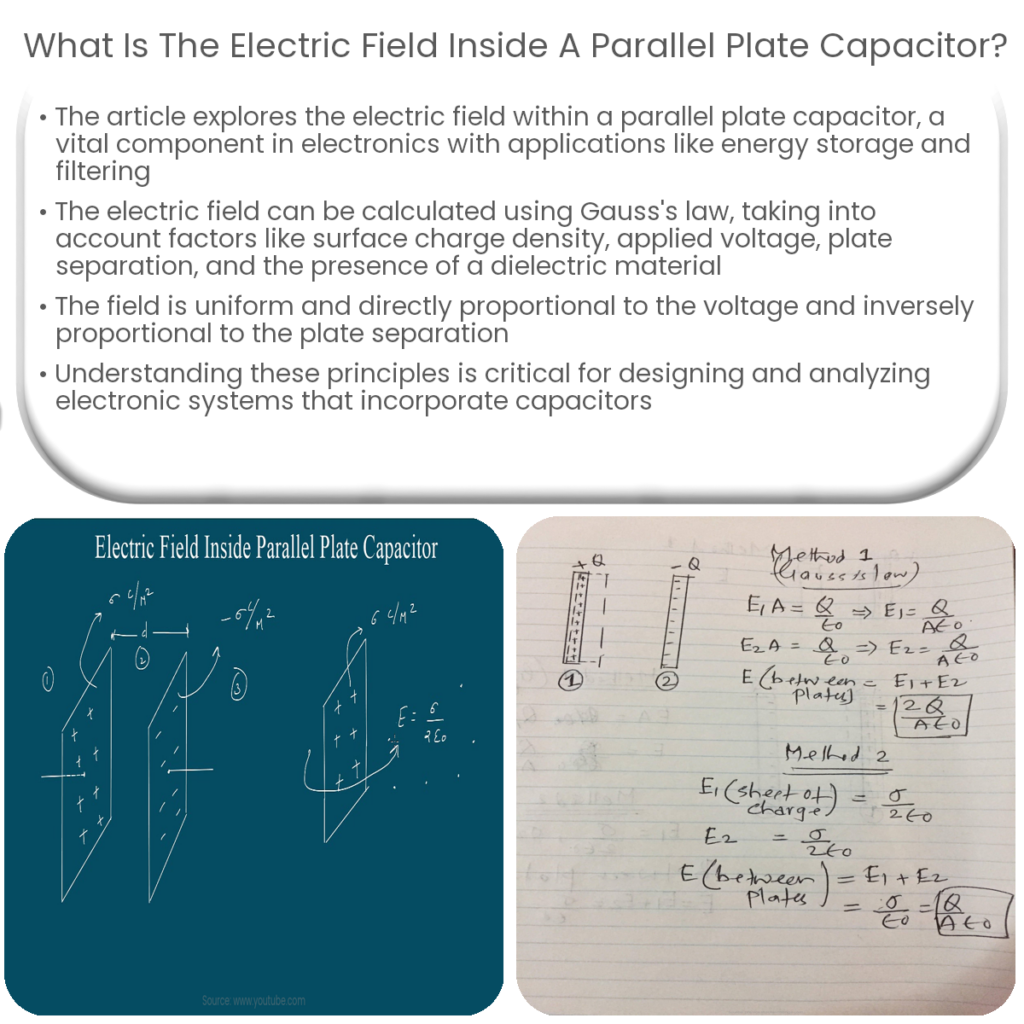
The electric field inside a parallel plate capacitor is uniform and depends on surface charge density, voltage, plate separation, and dielectric material.
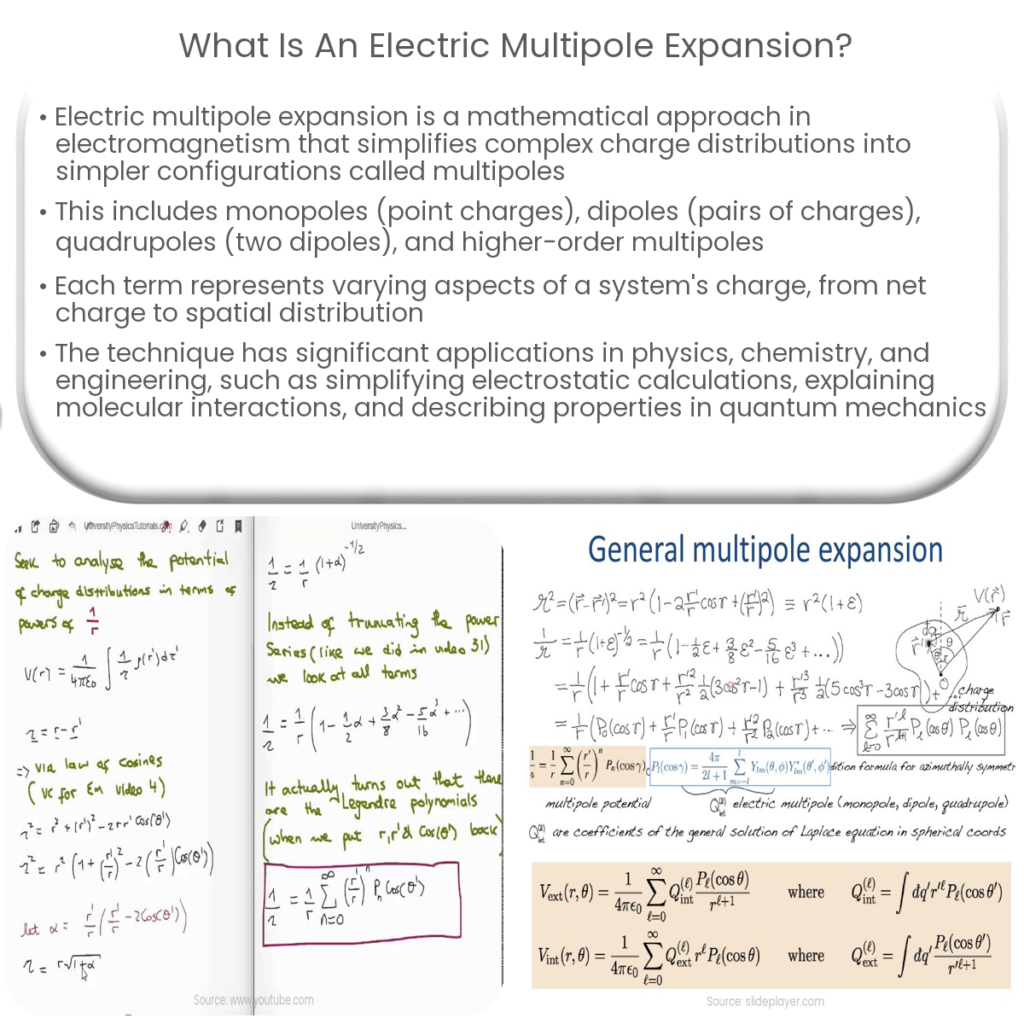
Electric multipole expansion is a technique that approximates complex charge distributions as combinations of simpler multipoles for easier analysis.

The primary purpose of this project is to help the public to learn some exciting and important information about electricity and magnetism.
Our Website follows all legal requirements to protect your privacy. Visit our Privacy Policy page.
The Cookies Statement is part of our Privacy Policy.
The information contained on this website is for general information purposes only. This website does not use any proprietary data. Visit our Editorial note.
It’s simple:
1) You may use almost everything for non-commercial and educational use.
2) You may not distribute or commercially exploit the content, especially on another website.
