
How do you calculate the impedance of an RLC circuit?
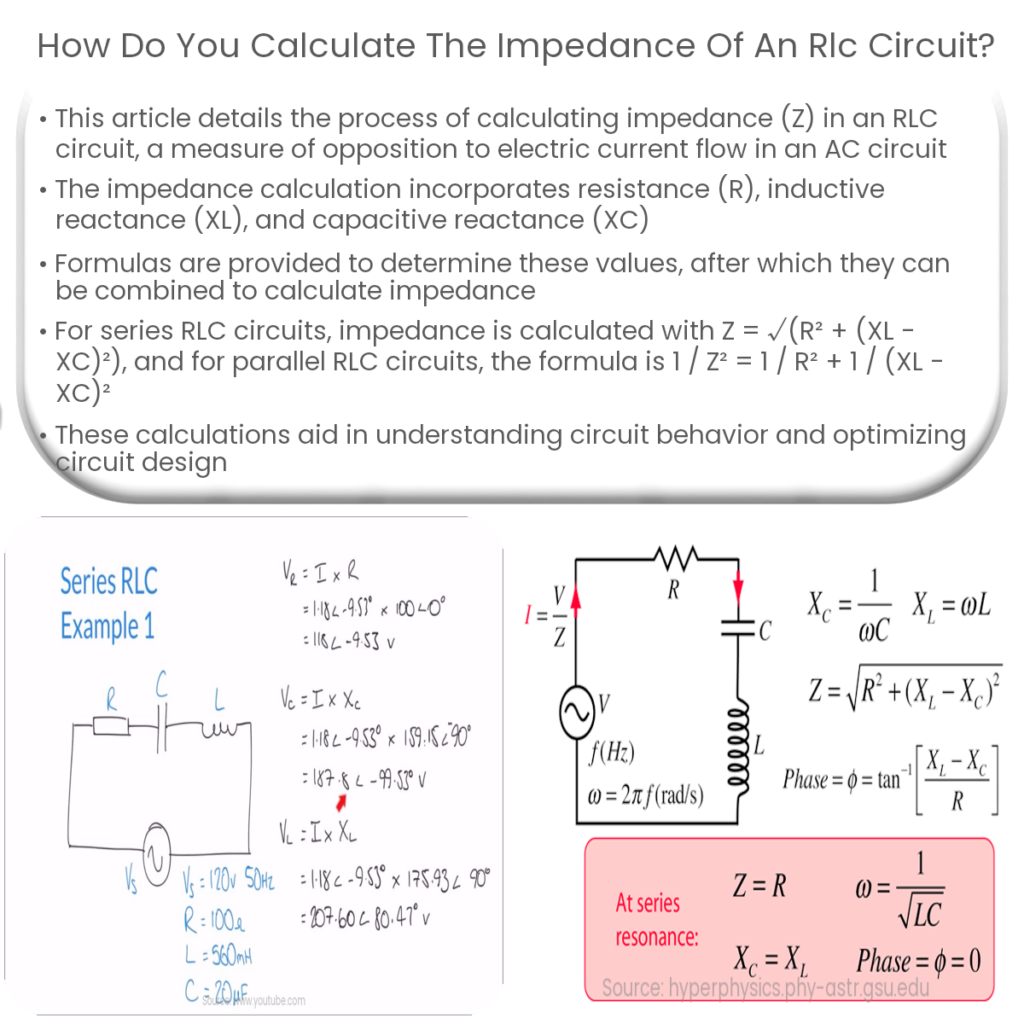
Calculate impedance in a series RLC circuit: Z = √(R² + (XL – XC)²) and in a parallel RLC circuit: 1 / Z² = 1 / R² + 1 / (XL – XC)².
Calculate impedance in a series RLC circuit: Z = √(R² + (XL – XC)²) and in a parallel RLC circuit: 1 / Z² = 1 / R² + 1 / (XL – XC)².
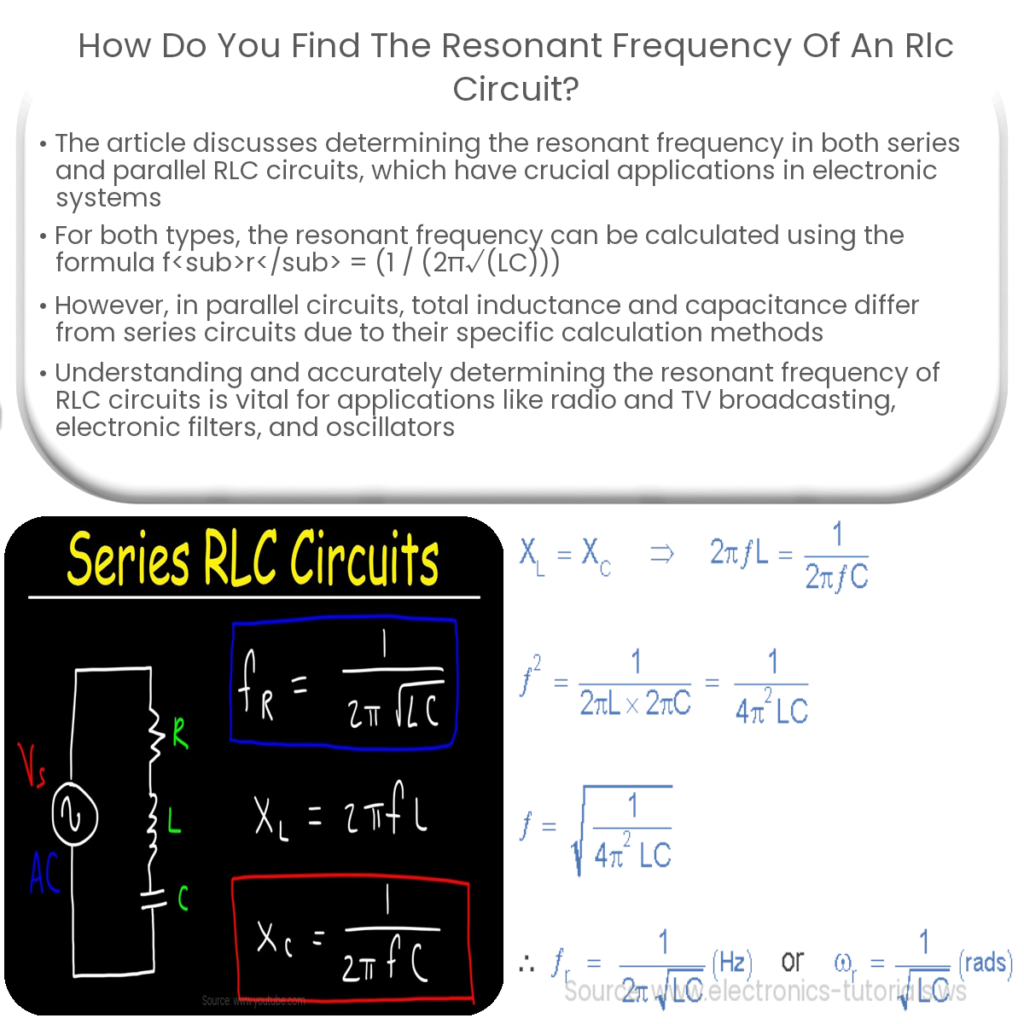
To find the resonant frequency of an RLC circuit, use the formula f_r = (1 / (2π√(LC))), where L is inductance and C is capacitance in the circuit.
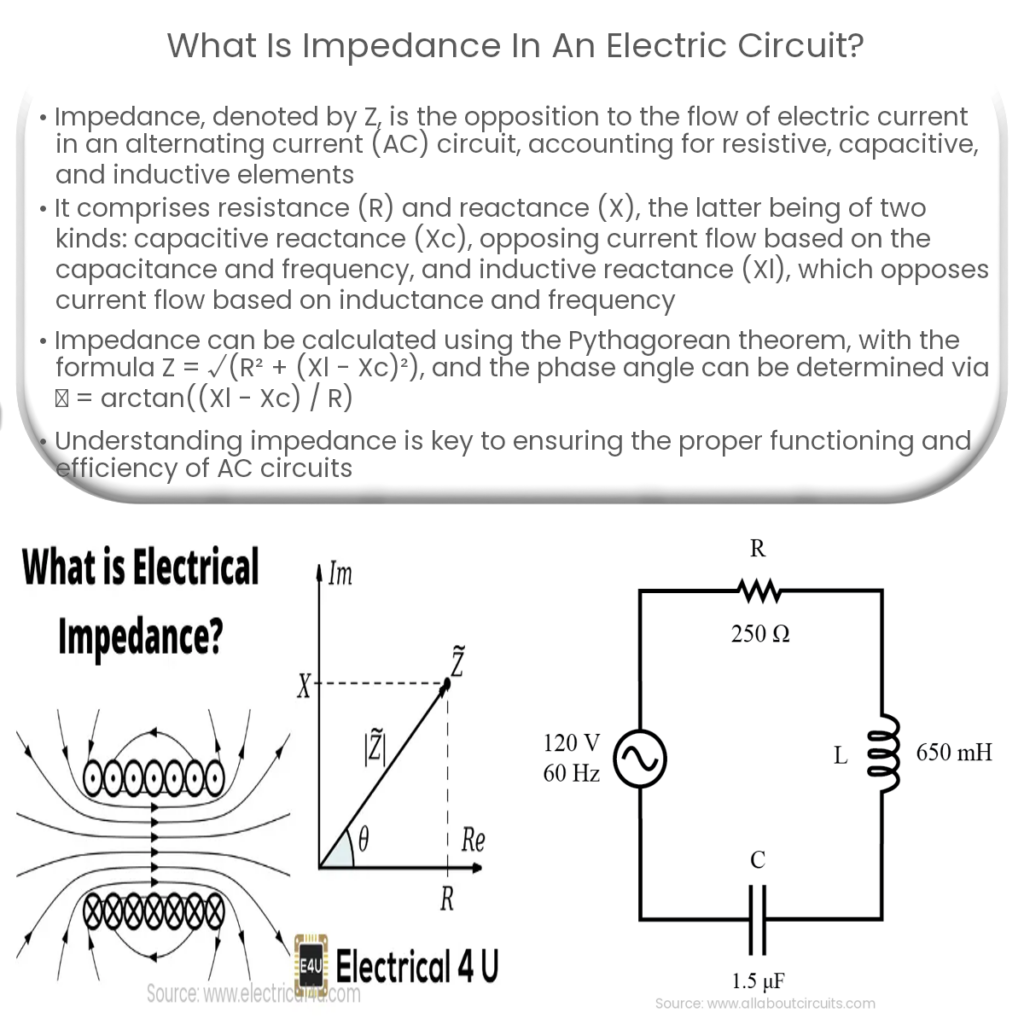
Impedance is the opposition to the flow of alternating current in a circuit, taking into account resistance, capacitive reactance, and inductive reactance.
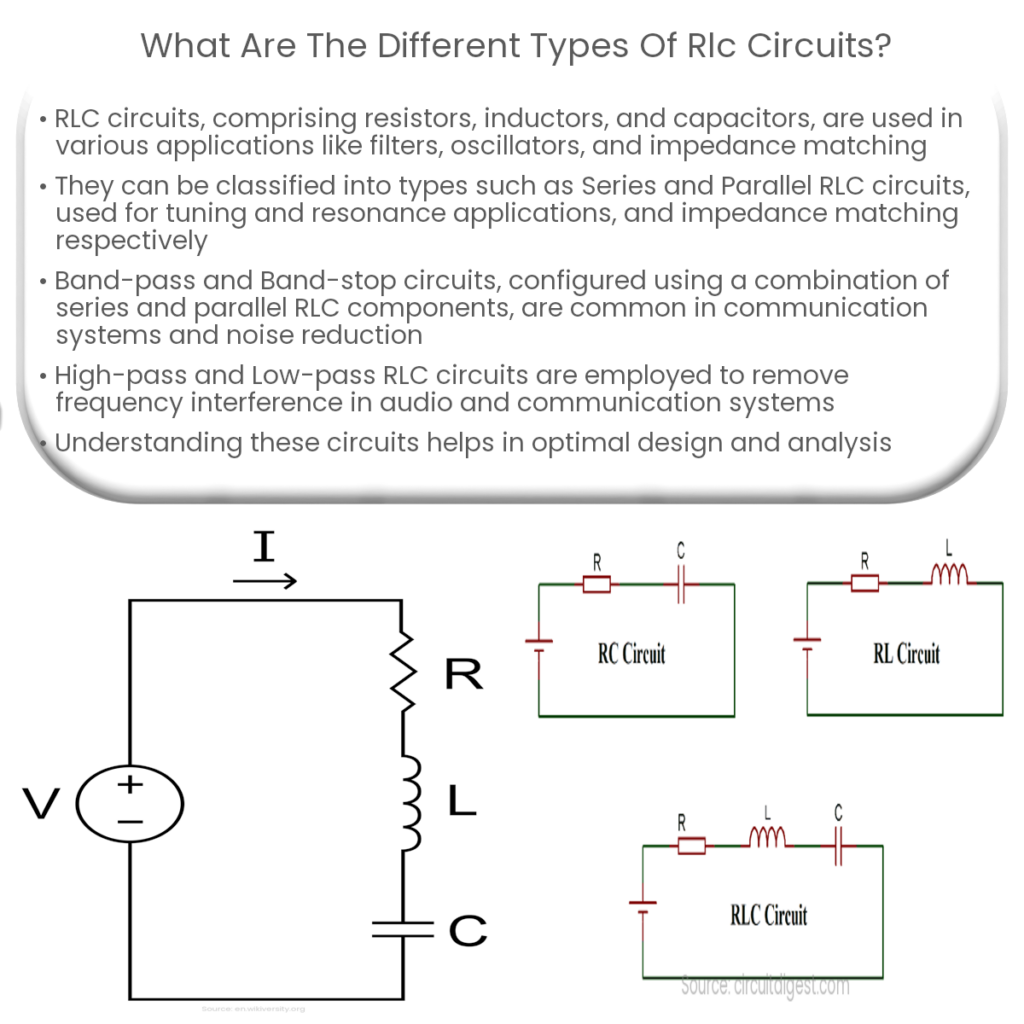
RLC circuits can be series, parallel, band-pass, band-stop, high-pass, or low-pass, each serving specific functions in electrical and electronic systems.
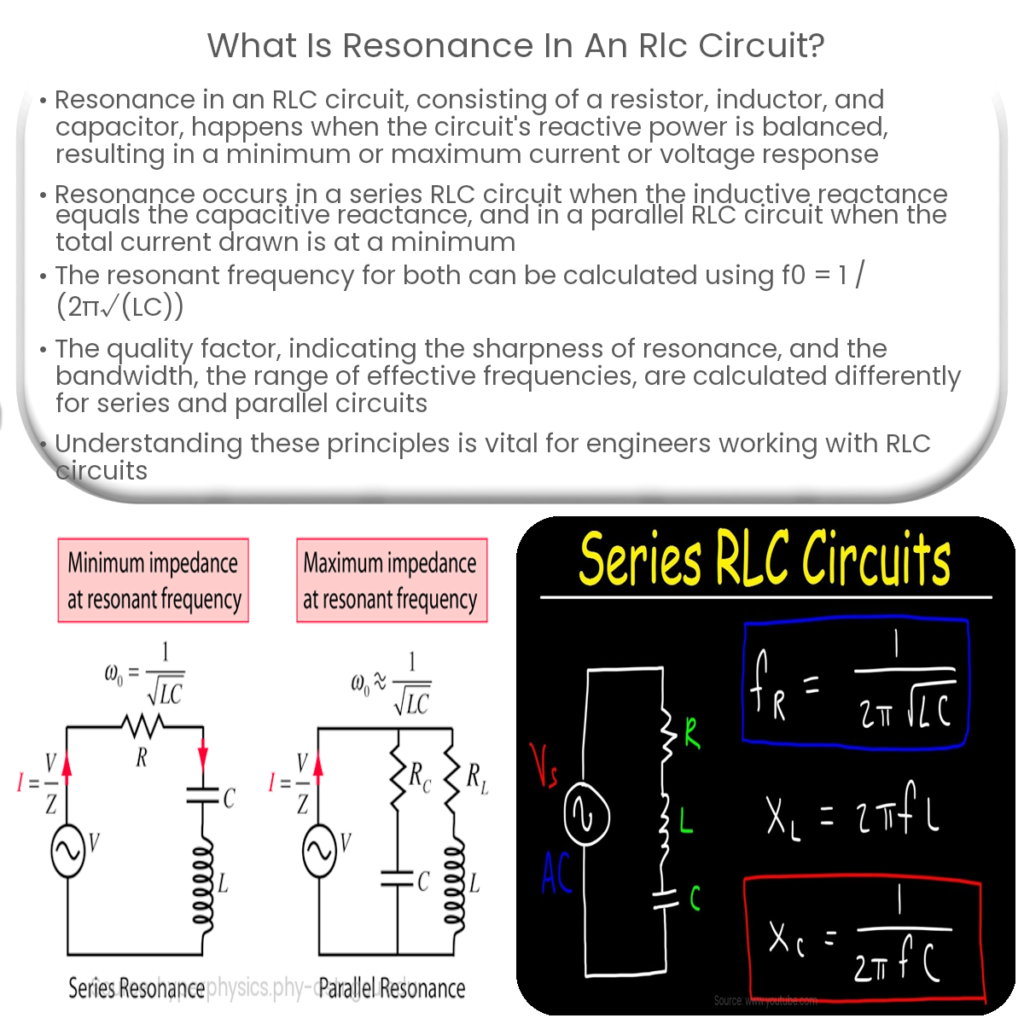
Resonance in an RLC circuit occurs when the reactive power from the inductor and capacitor cancel each other, resulting in minimum or maximum response.
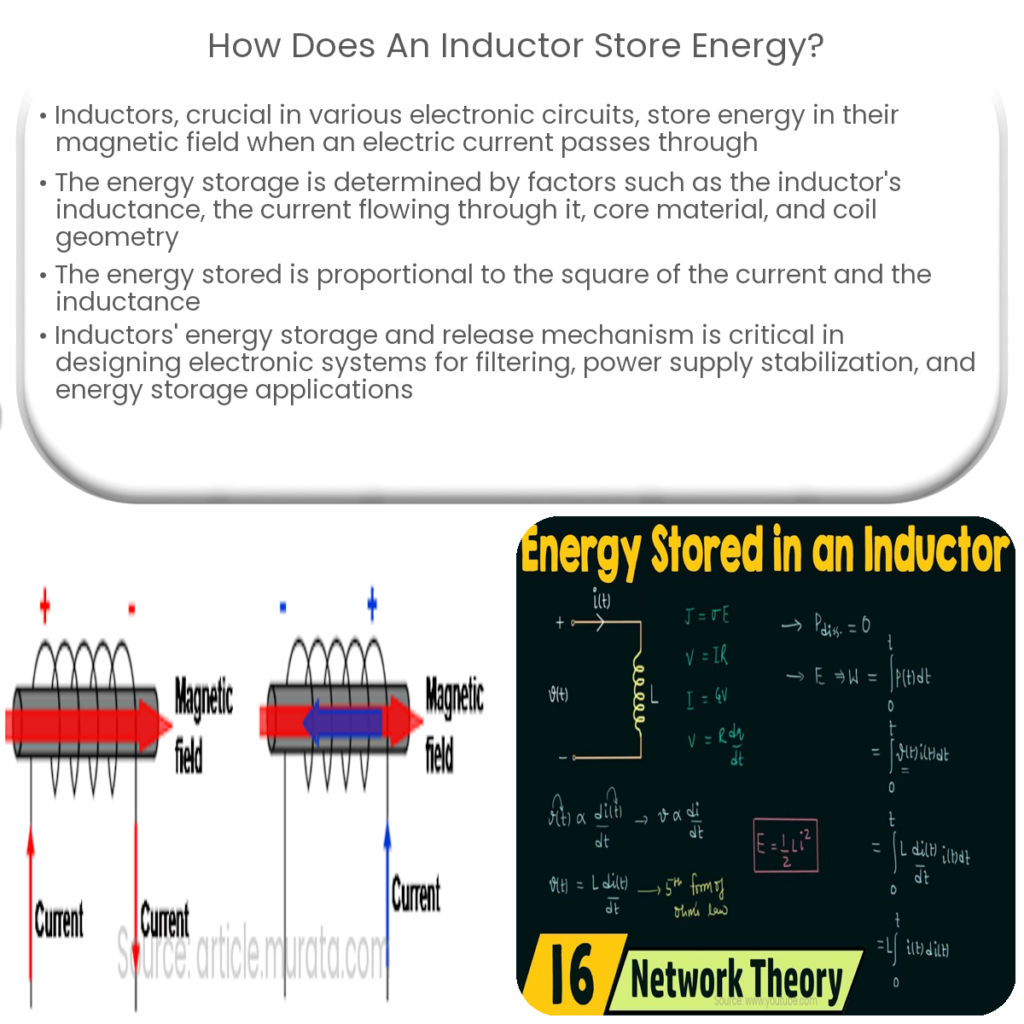
Inductors store energy in their magnetic field when current flows through them. This energy storage depends on the inductor’s inductance and current.
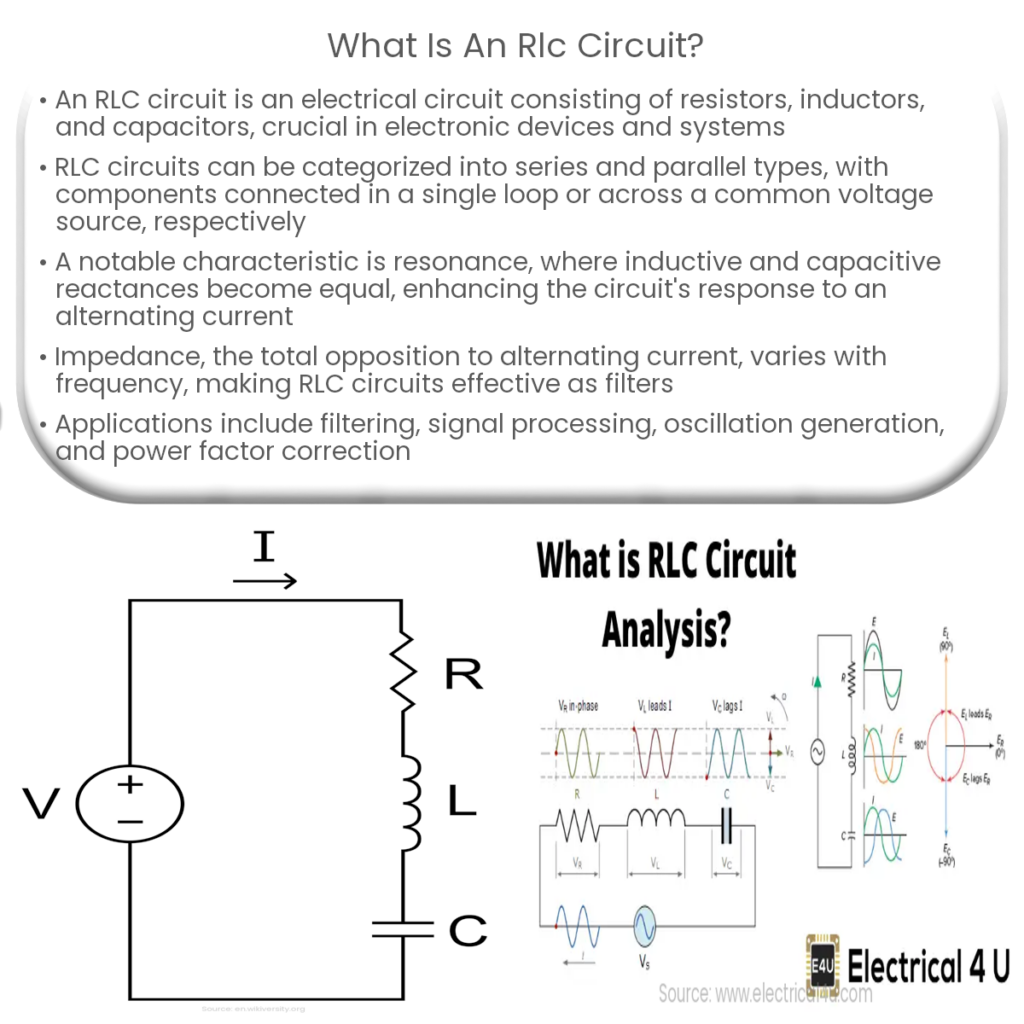
An RLC circuit is an electrical circuit consisting of resistors, inductors, and capacitors, used in applications like filtering, oscillators, and impedance matching.
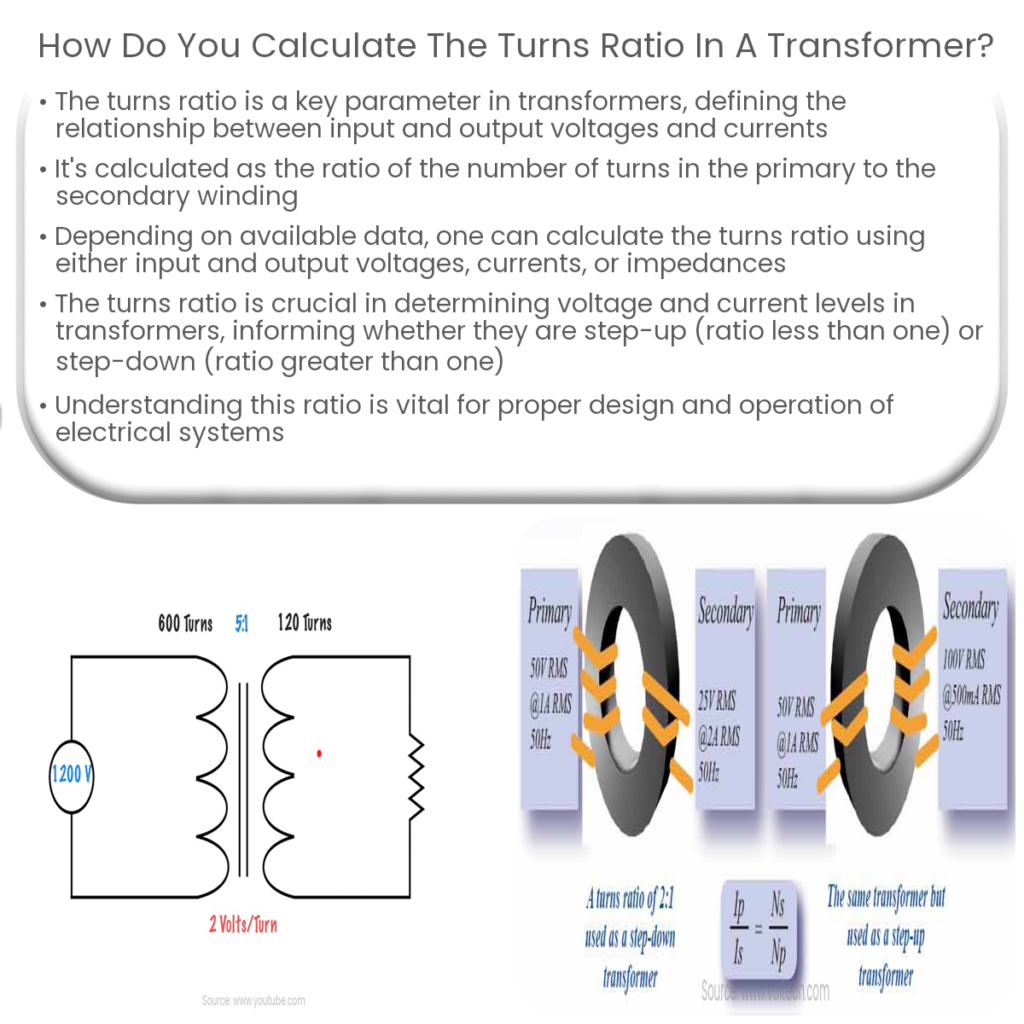
To calculate the turns ratio in a transformer, divide the number of turns in the primary winding by the number of turns in the secondary winding.
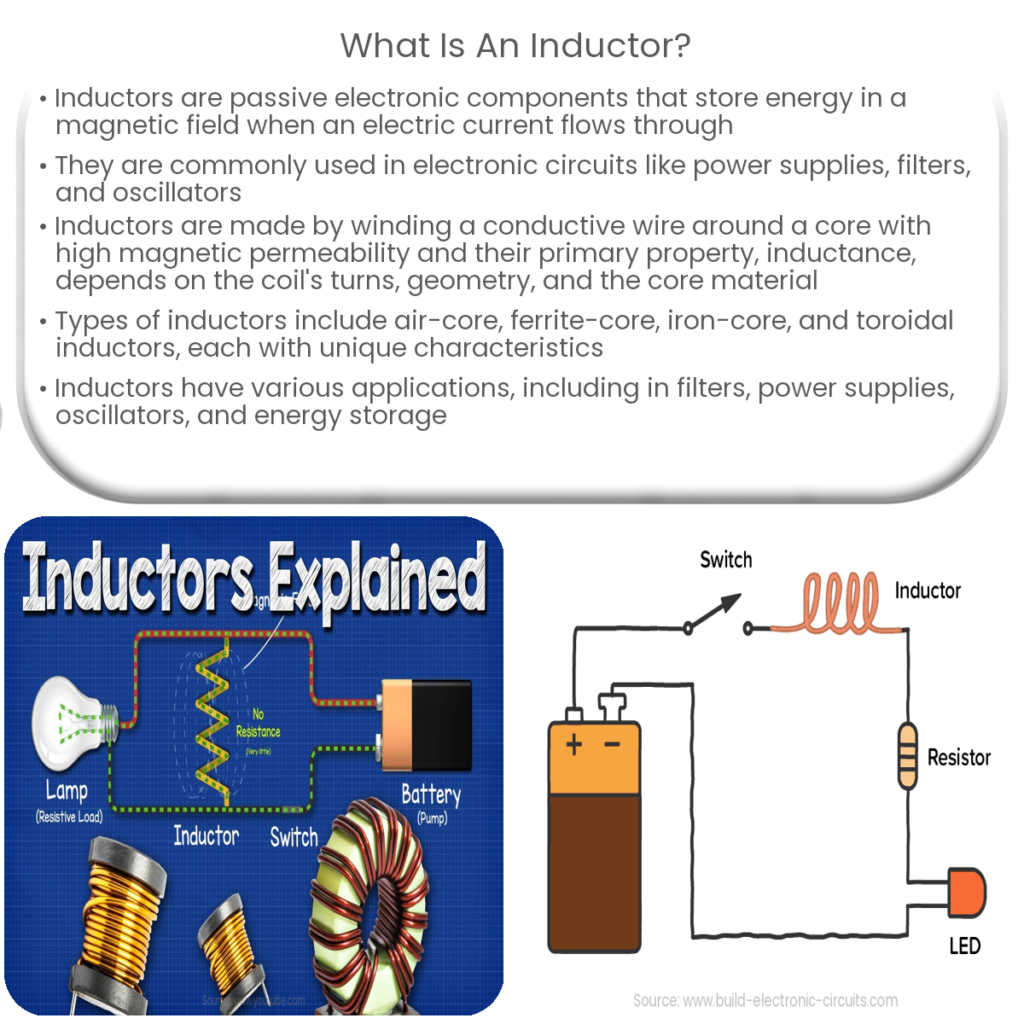
An inductor is a passive electronic component that stores energy in its magnetic field when current flows through it, commonly used in filters and power supplies.

A transformer works by using electromagnetic induction to transfer energy between two coils, altering voltage levels in alternating current systems.

The primary purpose of this project is to help the public to learn some exciting and important information about electricity and magnetism.
Our Website follows all legal requirements to protect your privacy. Visit our Privacy Policy page.
The Cookies Statement is part of our Privacy Policy.
The information contained on this website is for general information purposes only. This website does not use any proprietary data. Visit our Editorial note.
It’s simple:
1) You may use almost everything for non-commercial and educational use.
2) You may not distribute or commercially exploit the content, especially on another website.
