
Microwave level sensor

Microwave level sensors accurately measure liquid, solid, and granular material levels in diverse industries, offering non-contact, reliable readings.
Microwave level sensors accurately measure liquid, solid, and granular material levels in diverse industries, offering non-contact, reliable readings.

Flat linear motors provide precise, efficient, and reliable motion control by eliminating mechanical transmission components.
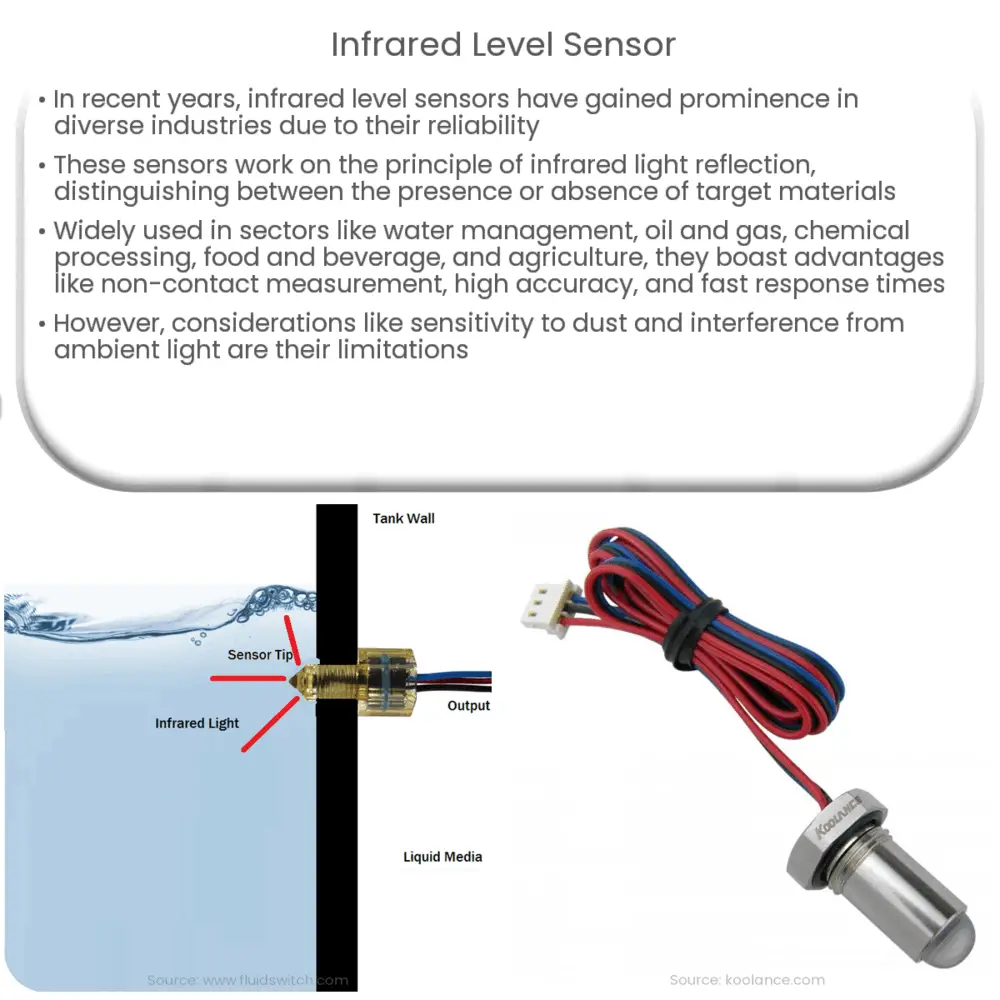
Infrared level sensors use reflected infrared light to accurately measure liquid and solid levels in various industries, offering non-contact, reliable, and real-time monitoring.
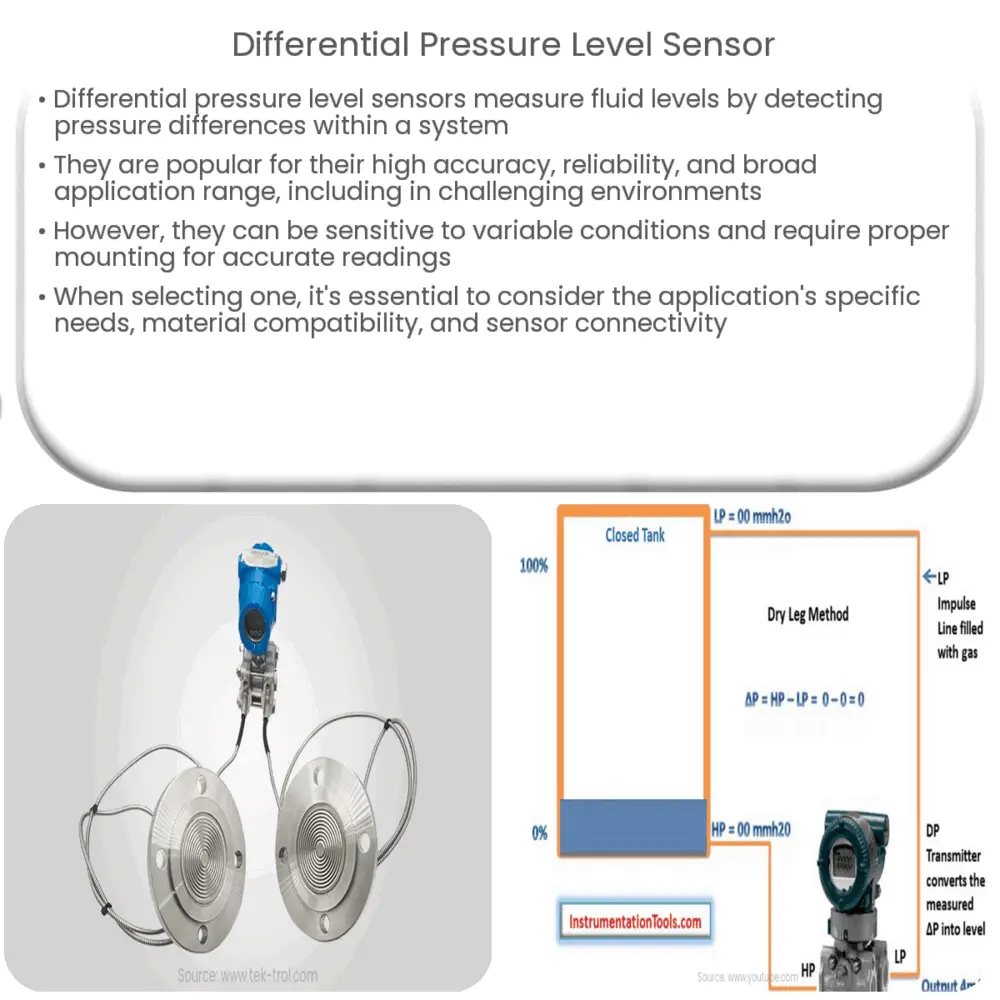
Differential pressure level sensors accurately measure fluid levels in various industries, offering high reliability, compatibility, and cost-effectiveness.
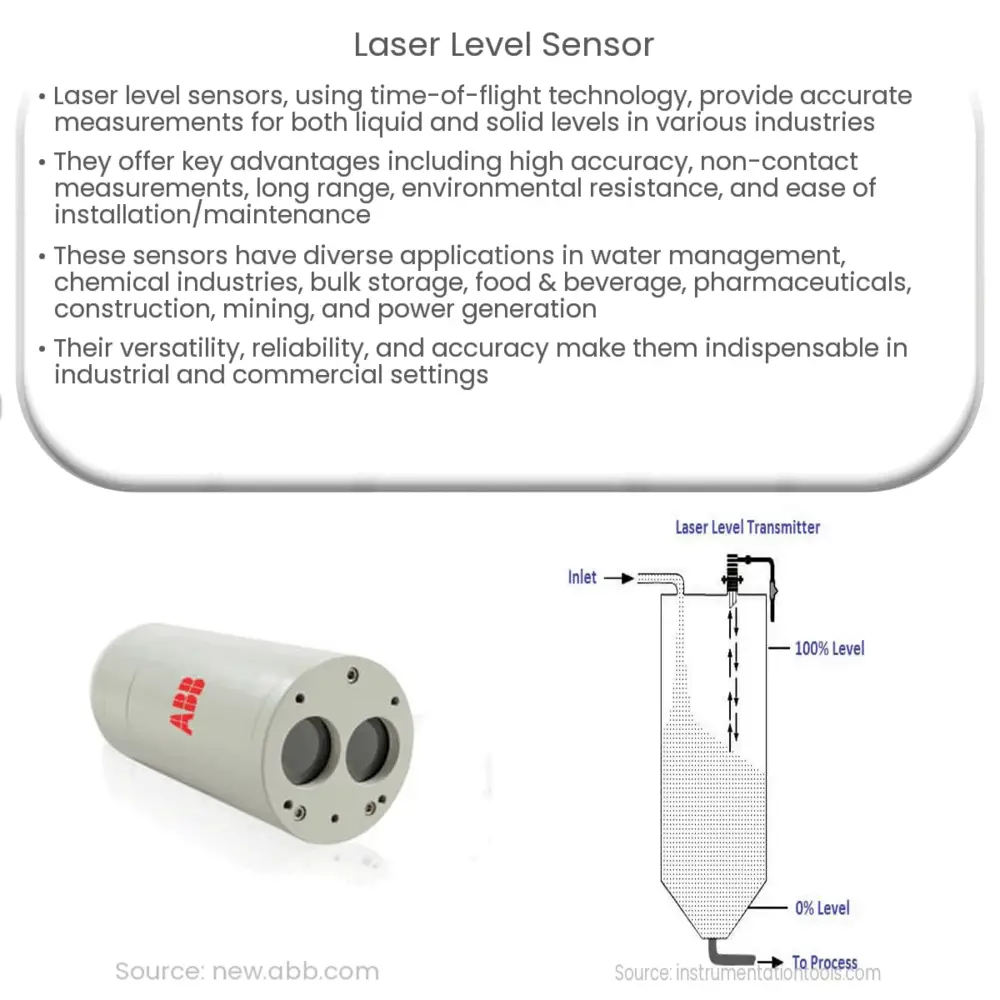
Discover the benefits and applications of laser level sensors, their working principle, and how they revolutionize various industries with high accuracy.
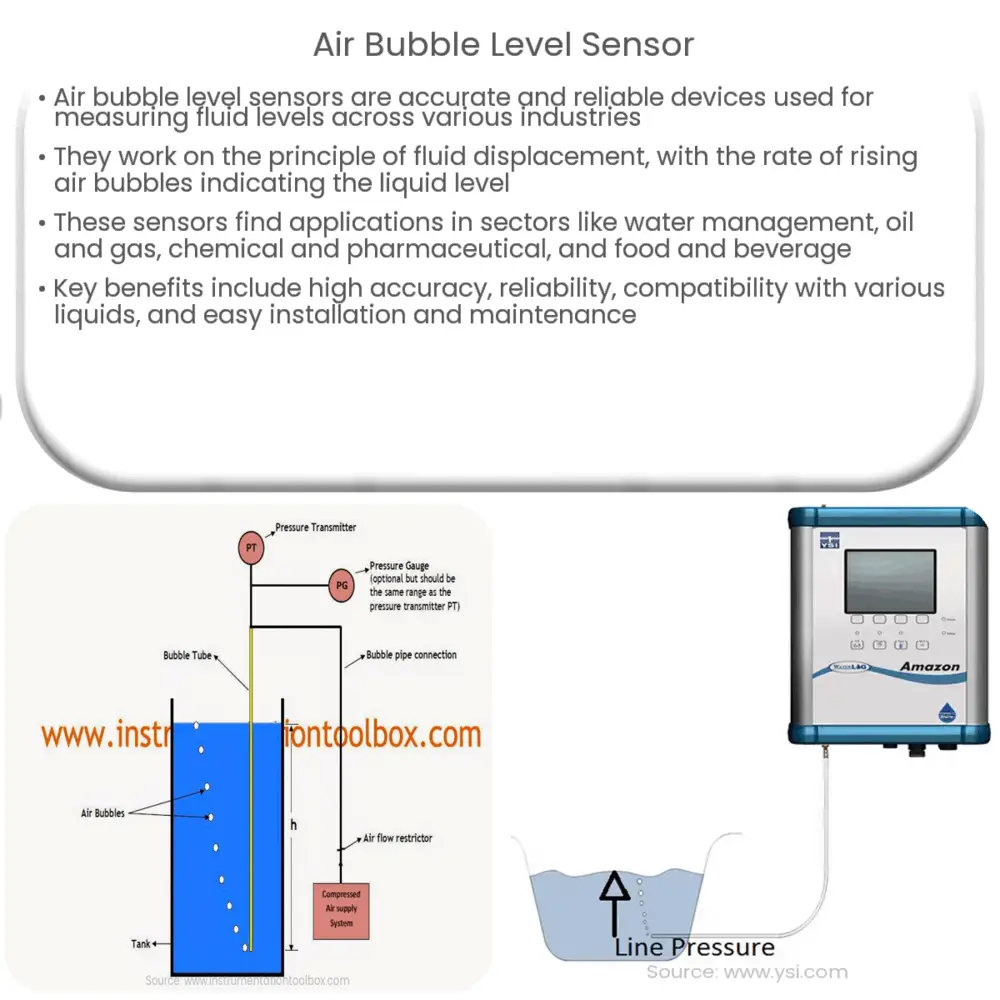
Air bubble level sensors accurately measure fluid levels in various industries, offering reliability, compatibility, and low maintenance.

Explore the workings of Thermoelectric Generators (TEGs), their applications in various sectors, benefits, limitations, and future prospects.

Guided Wave Radar level sensors offer high accuracy and reliability for various industries, unaffected by process conditions or environmental challenges.
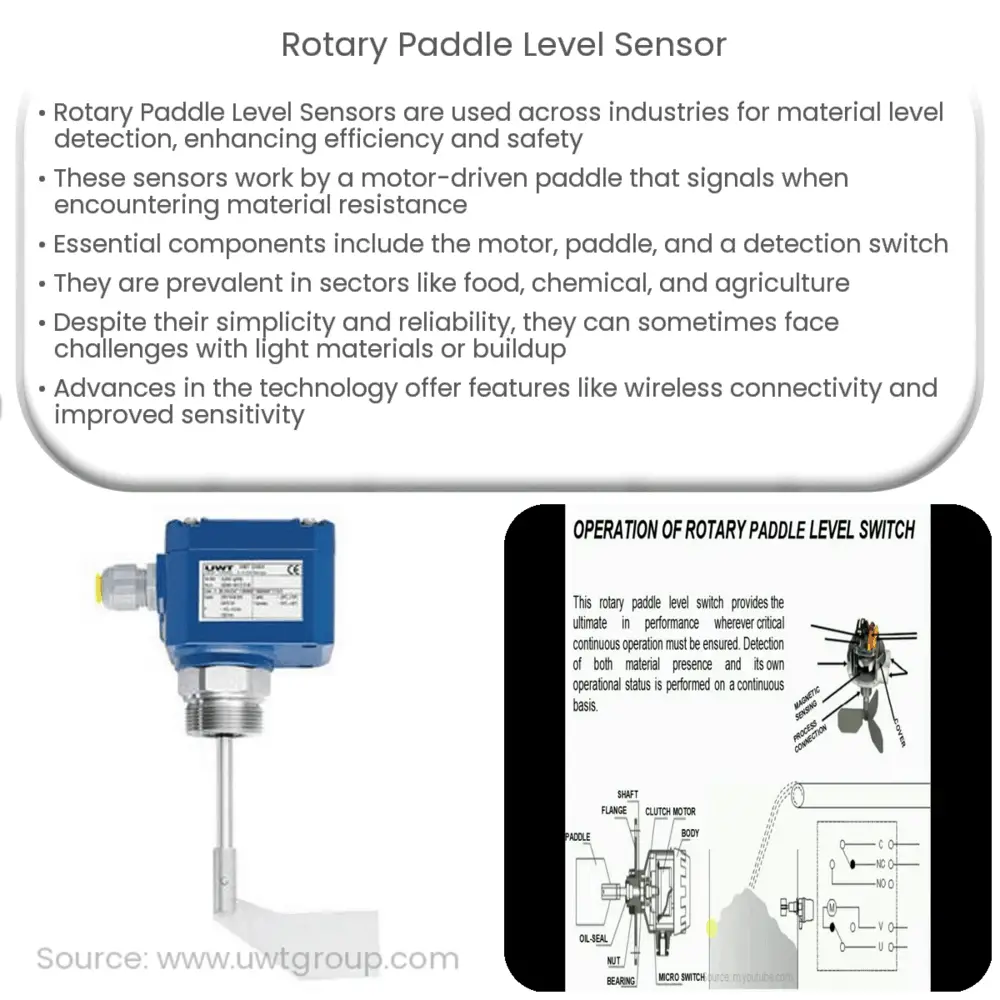
Explore the functionality, applications, and advancements of Rotary Paddle Level Sensors in various industries.
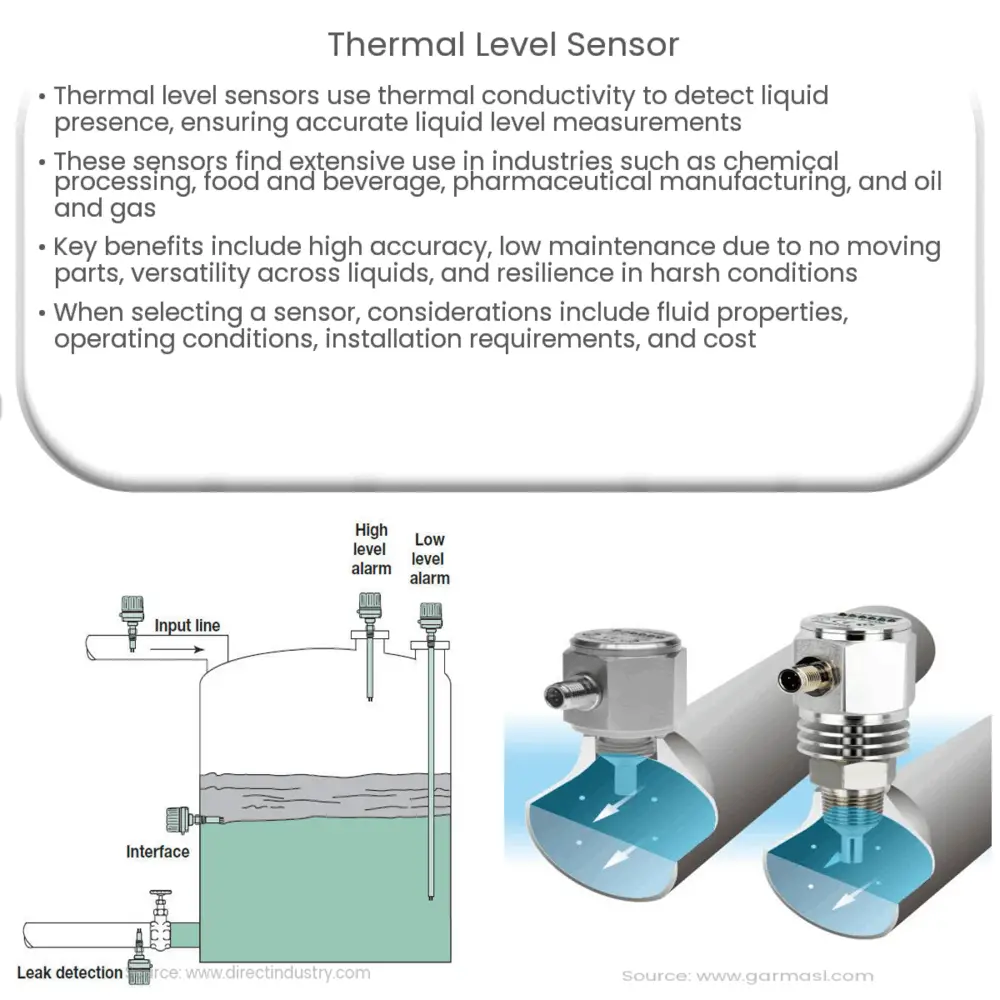
Thermal level sensors measure liquid levels using thermal conductivity principles, offering accuracy, low maintenance, and versatility in various industries.

The primary purpose of this project is to help the public to learn some exciting and important information about electricity and magnetism.
Our Website follows all legal requirements to protect your privacy. Visit our Privacy Policy page.
The Cookies Statement is part of our Privacy Policy.
The information contained on this website is for general information purposes only. This website does not use any proprietary data. Visit our Editorial note.
It’s simple:
1) You may use almost everything for non-commercial and educational use.
2) You may not distribute or commercially exploit the content, especially on another website.
