
Diaphragm level sensor

Explore the workings, types, applications, and maintenance of diaphragm level sensors, a vital tool for accurate fluid level measurements in various industries.
Explore the workings, types, applications, and maintenance of diaphragm level sensors, a vital tool for accurate fluid level measurements in various industries.
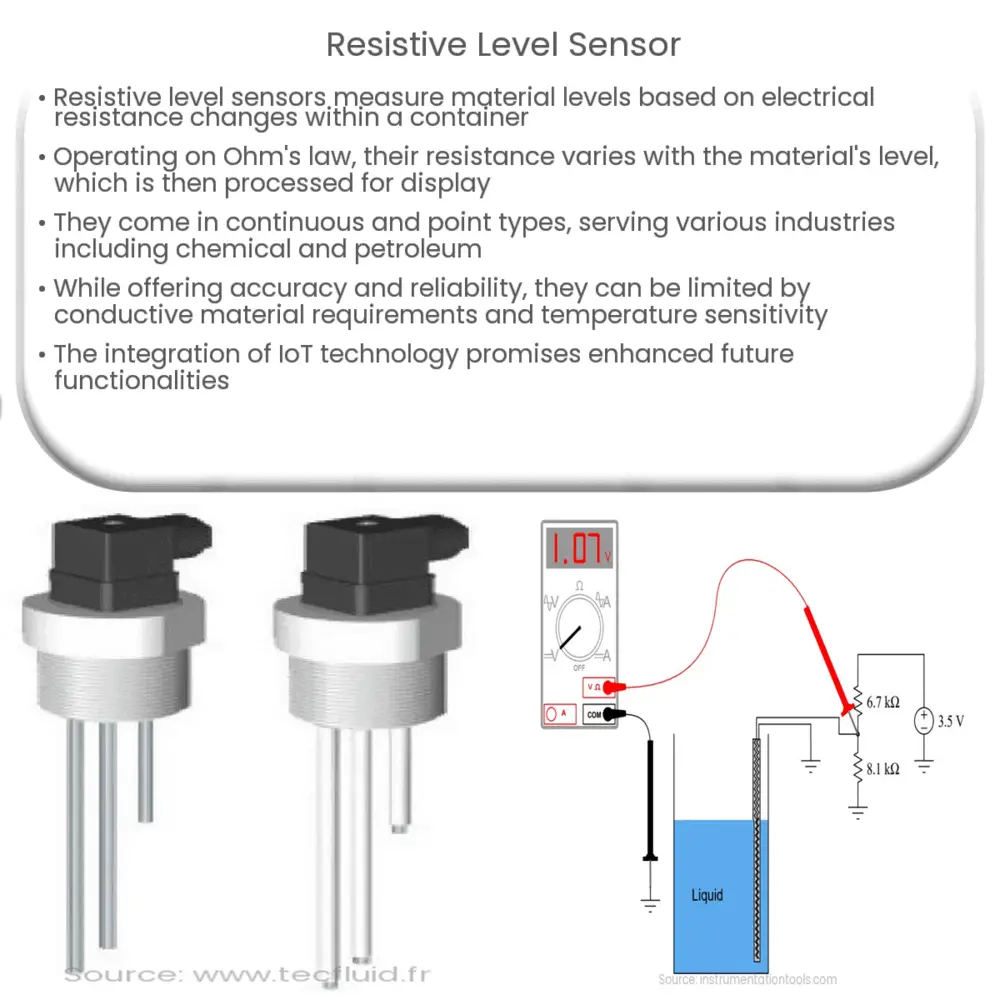
Explore the functioning, types, applications, advantages, and disadvantages of resistive level sensors in various industries.
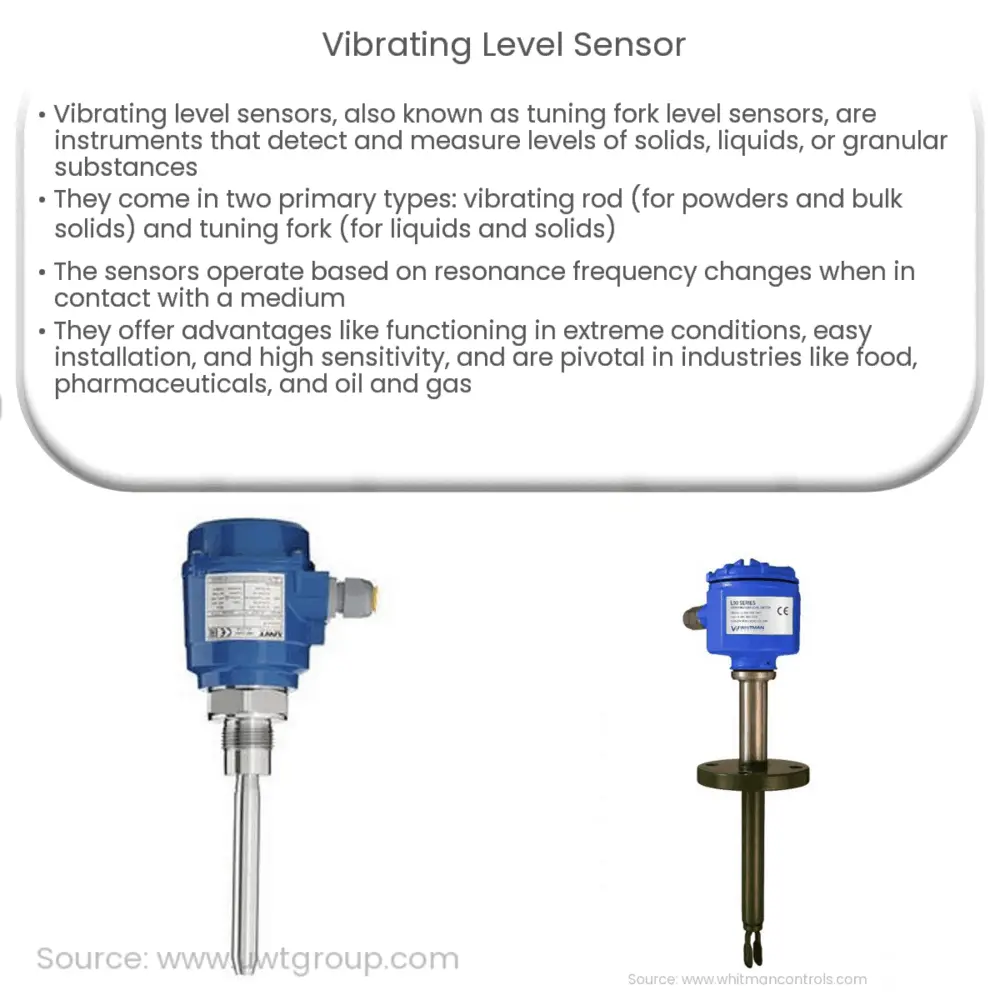
Explore the functioning, advantages, applications, and troubleshooting of vibrating level sensors in various industries.
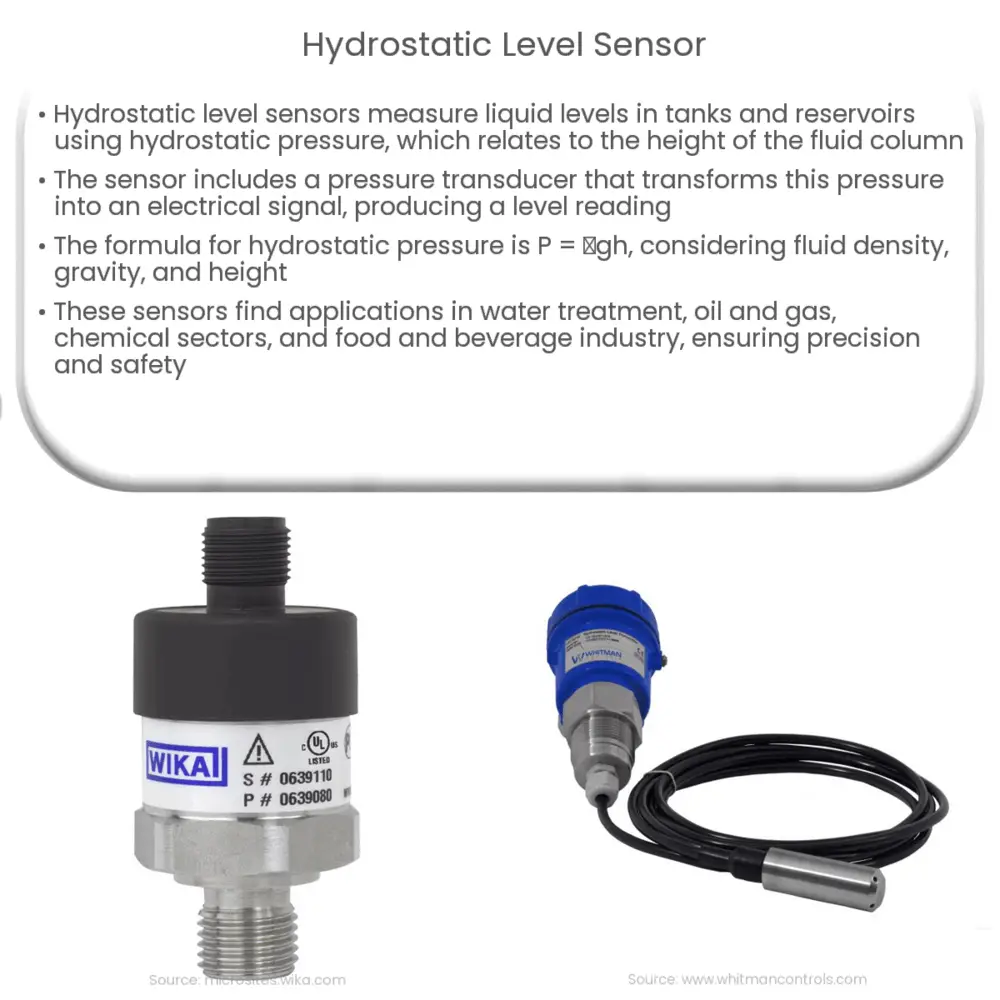
Hydrostatic level sensors are a widely used and reliable method for measuring liquid levels in various industries, including water and wastewater treatment, oil and gas, chemical and petrochemical, and food and beverage. They offer several advantages, such as simple and reliable operation, high accuracy, versatility, immunity to external factors, and a wide range of customization options. By selecting the appropriate sensor type, material, and mounting method, users can optimize the performance and durability of their hydrostatic level sensors to meet the specific needs of their applications.
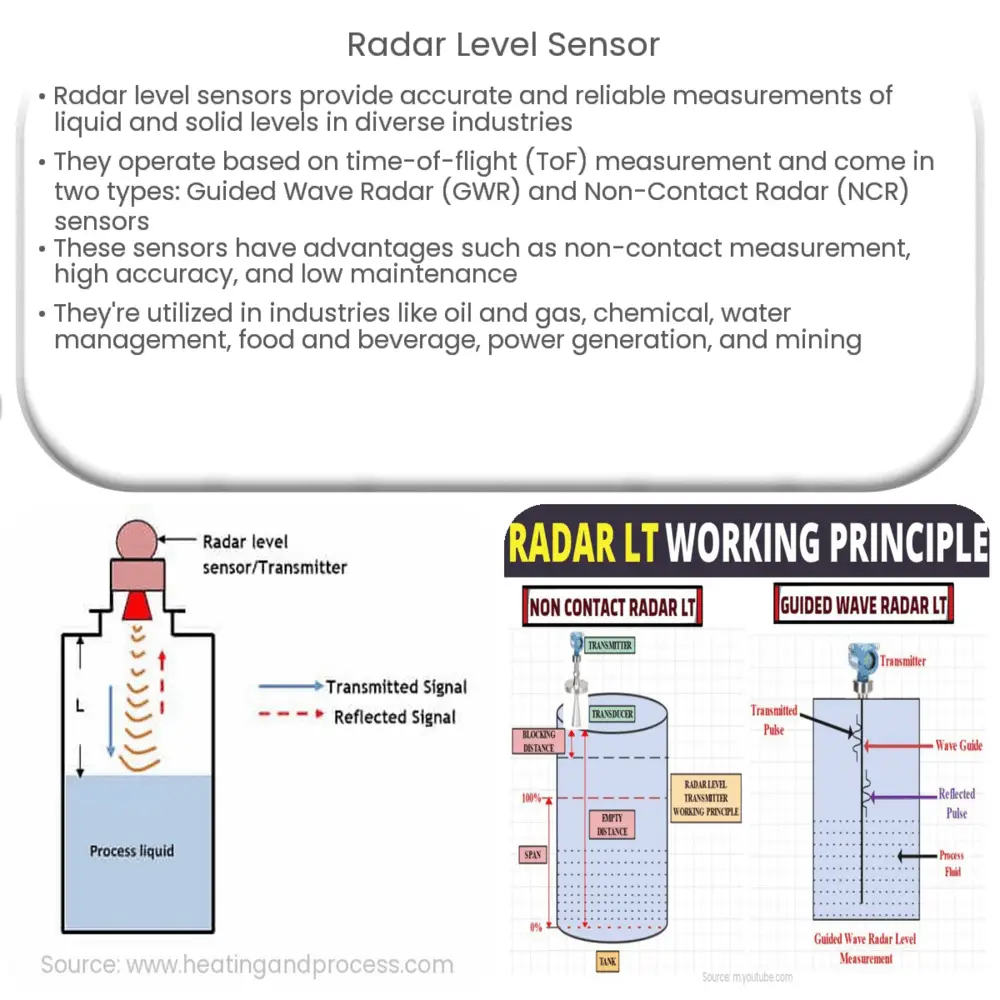
Radar level sensors provide accurate, non-contact level measurements for liquids and solids in various industries, handling challenging environments.
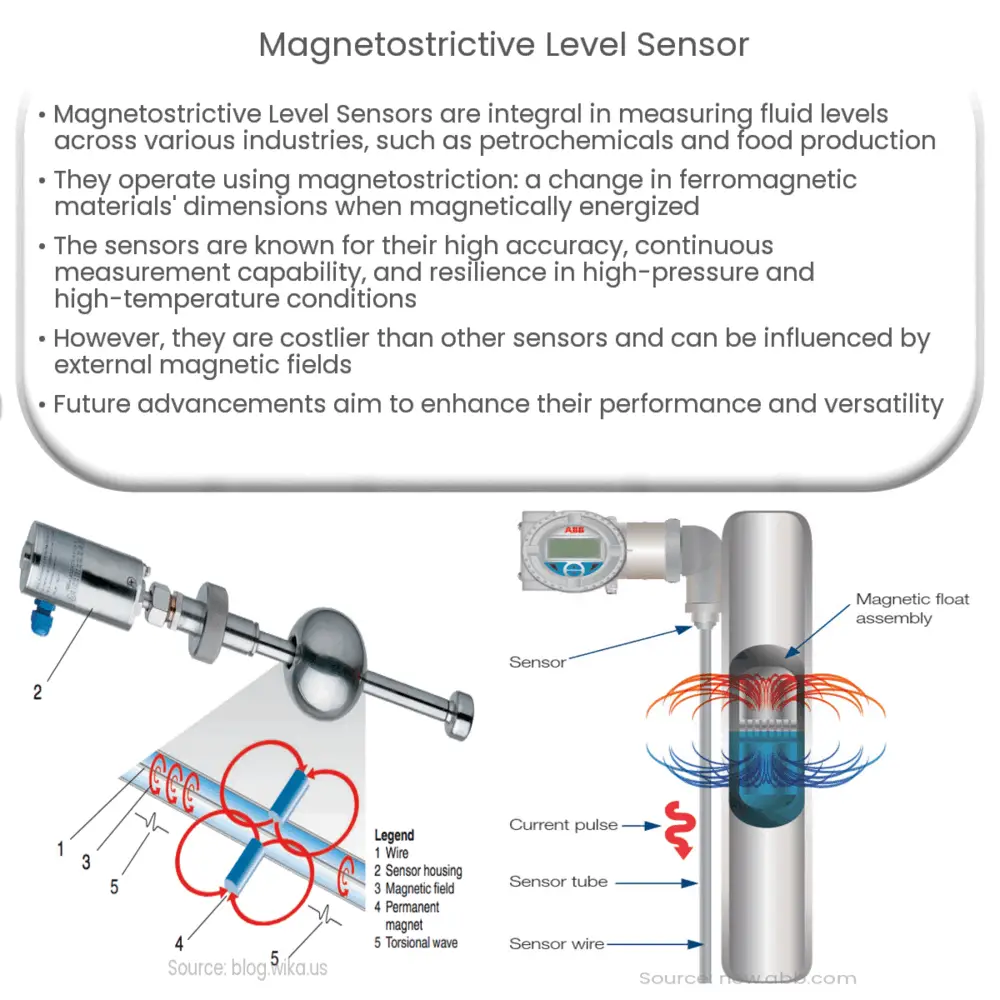
Explore the working, benefits, applications, and future trends of Magnetostrictive Level Sensors in various industries.
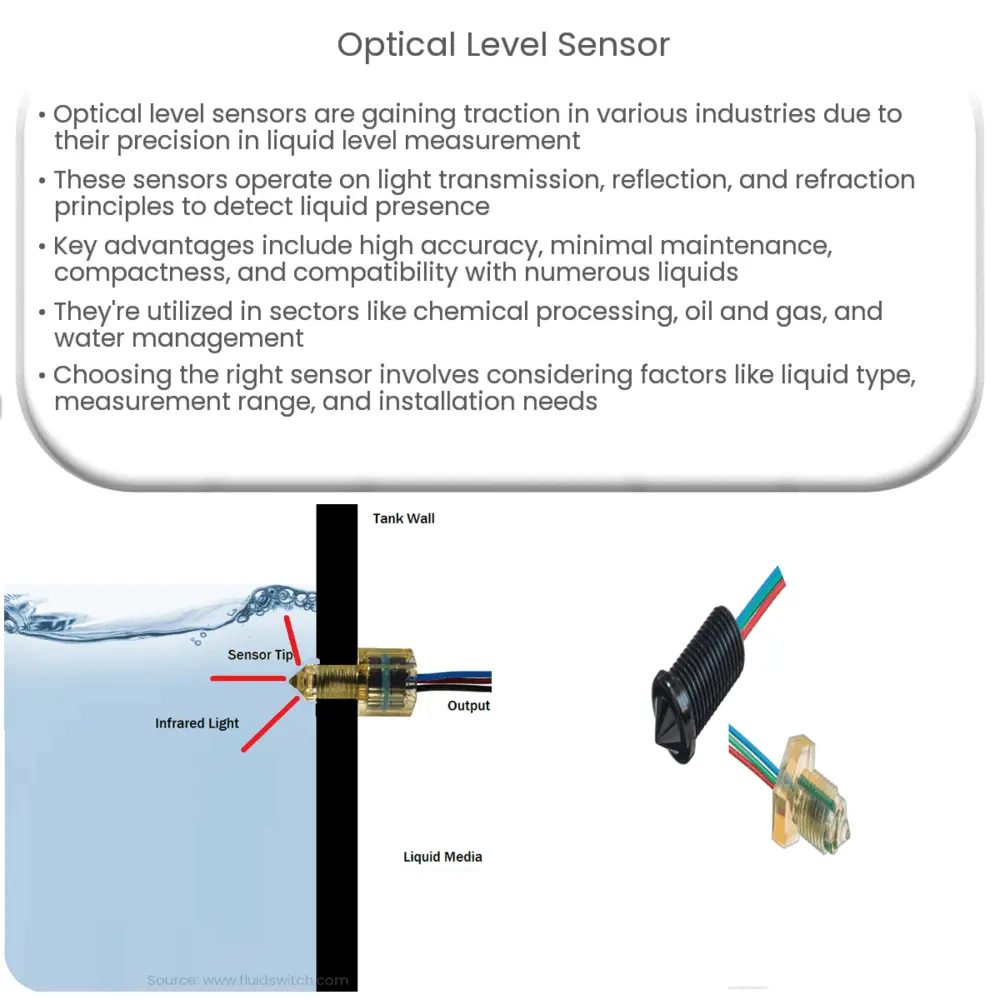
Optical level sensors provide accurate, reliable liquid level measurements for various industries, with low maintenance and high compatibility.

Pressure level sensors accurately measure fluid levels in various containment systems, offering high precision, versatility, and durability across industries.

Conductive level sensors accurately measure liquid levels in tanks using electrical conductivity, offering a reliable, cost-effective solution for various industries.

Explore the fascinating world of Peltier devices, their functioning, advantages, and applications in various fields with this detailed guide.

The primary purpose of this project is to help the public to learn some exciting and important information about electricity and magnetism.
Our Website follows all legal requirements to protect your privacy. Visit our Privacy Policy page.
The Cookies Statement is part of our Privacy Policy.
The information contained on this website is for general information purposes only. This website does not use any proprietary data. Visit our Editorial note.
It’s simple:
1) You may use almost everything for non-commercial and educational use.
2) You may not distribute or commercially exploit the content, especially on another website.
