
Capacitive level sensor
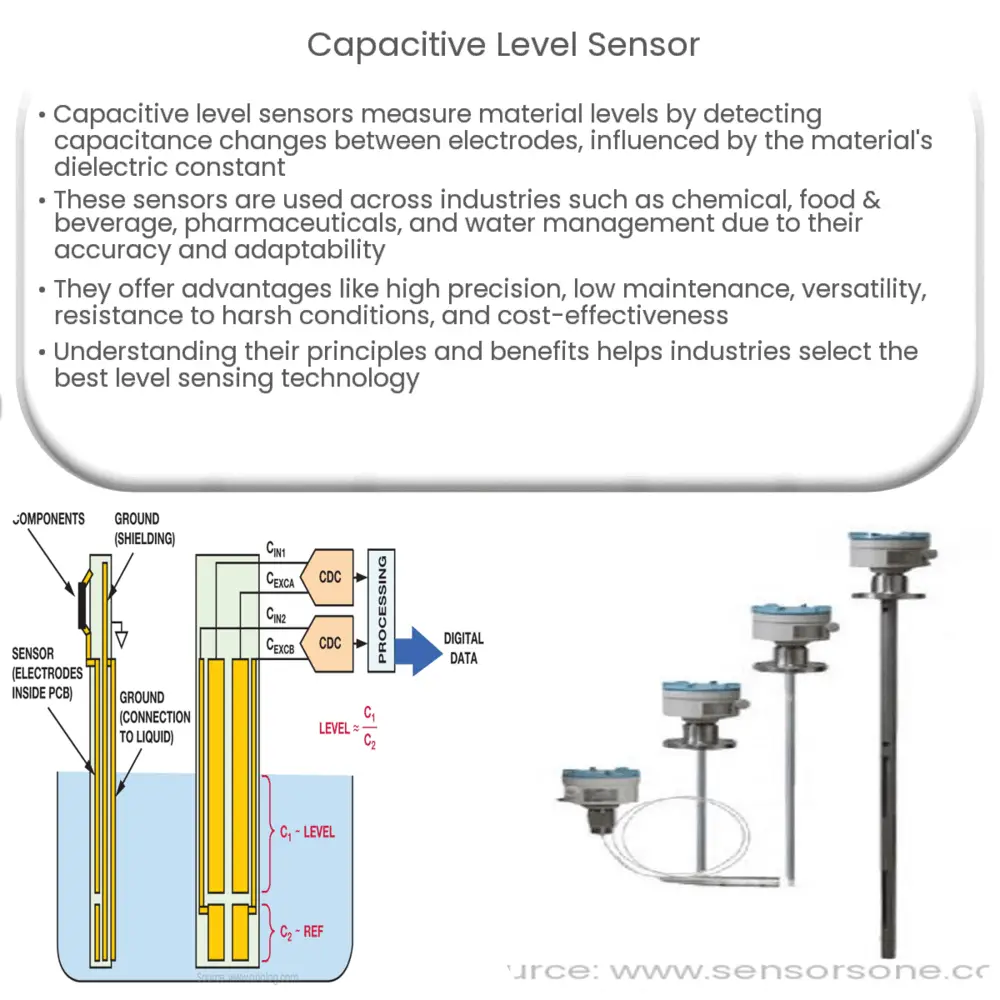
Capacitive level sensors accurately measure liquid and solid levels in various industries, offering high accuracy, minimal maintenance, and versatility.
Capacitive level sensors accurately measure liquid and solid levels in various industries, offering high accuracy, minimal maintenance, and versatility.
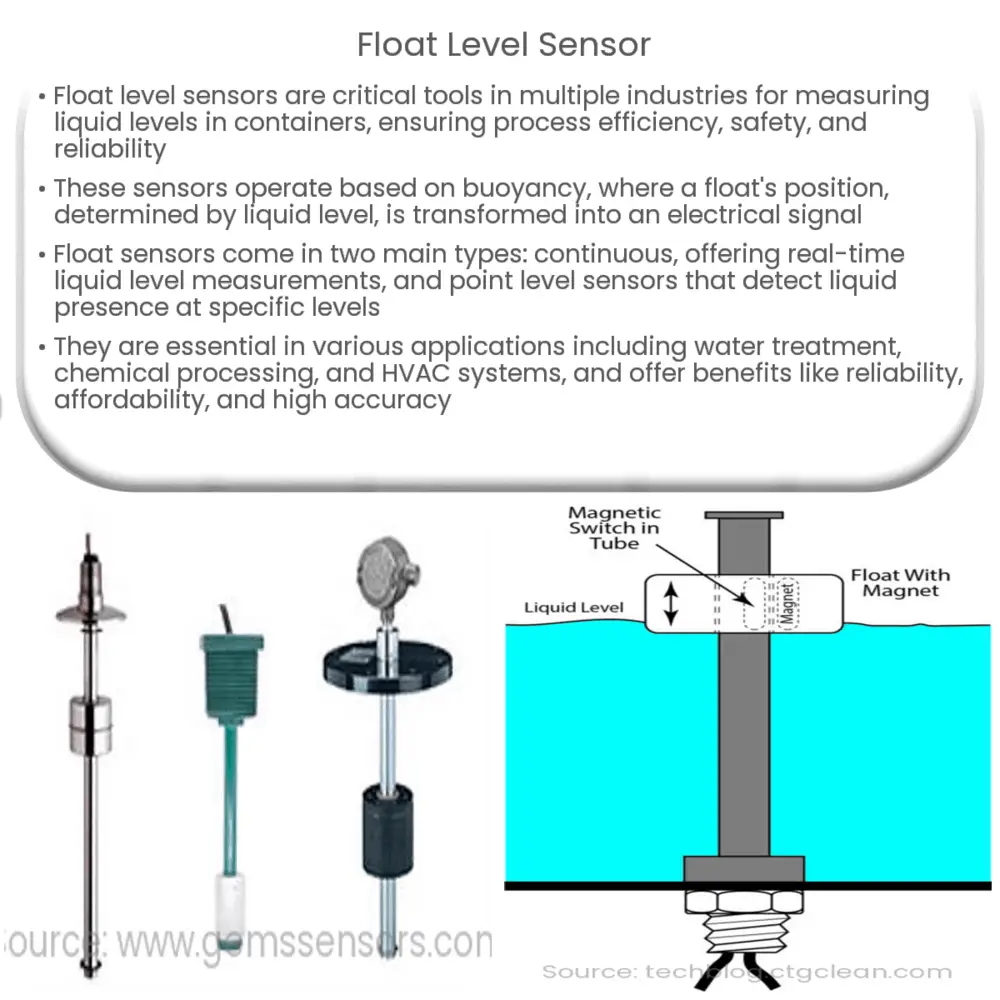
Float level sensors accurately measure liquid levels in tanks and containers, offering simplicity, reliability, and cost-effectiveness.

Antenna impedance analyzers measure and optimize antenna performance, enabling efficient signal transmission across various frequencies.
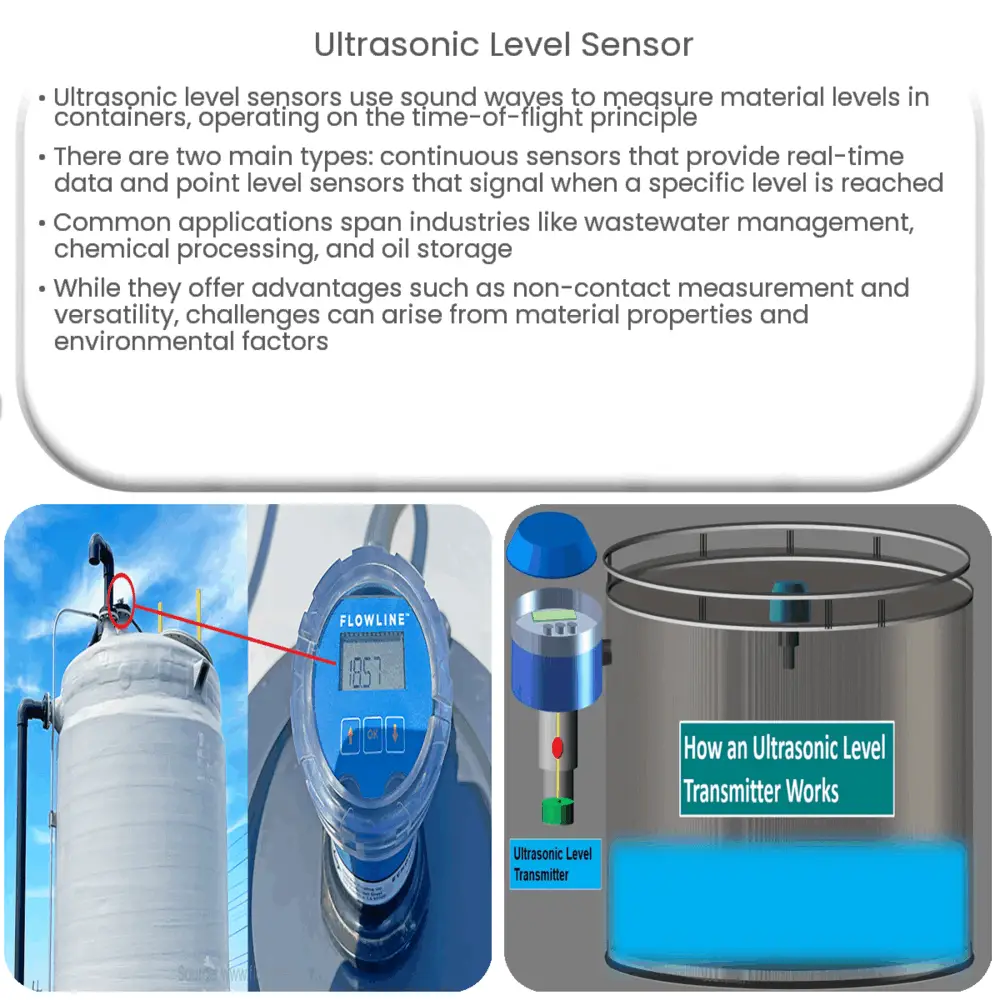
Ultrasonic level sensors use high-frequency sound waves to measure material levels in containers, offering accuracy, versatility, and non-contact measurement.
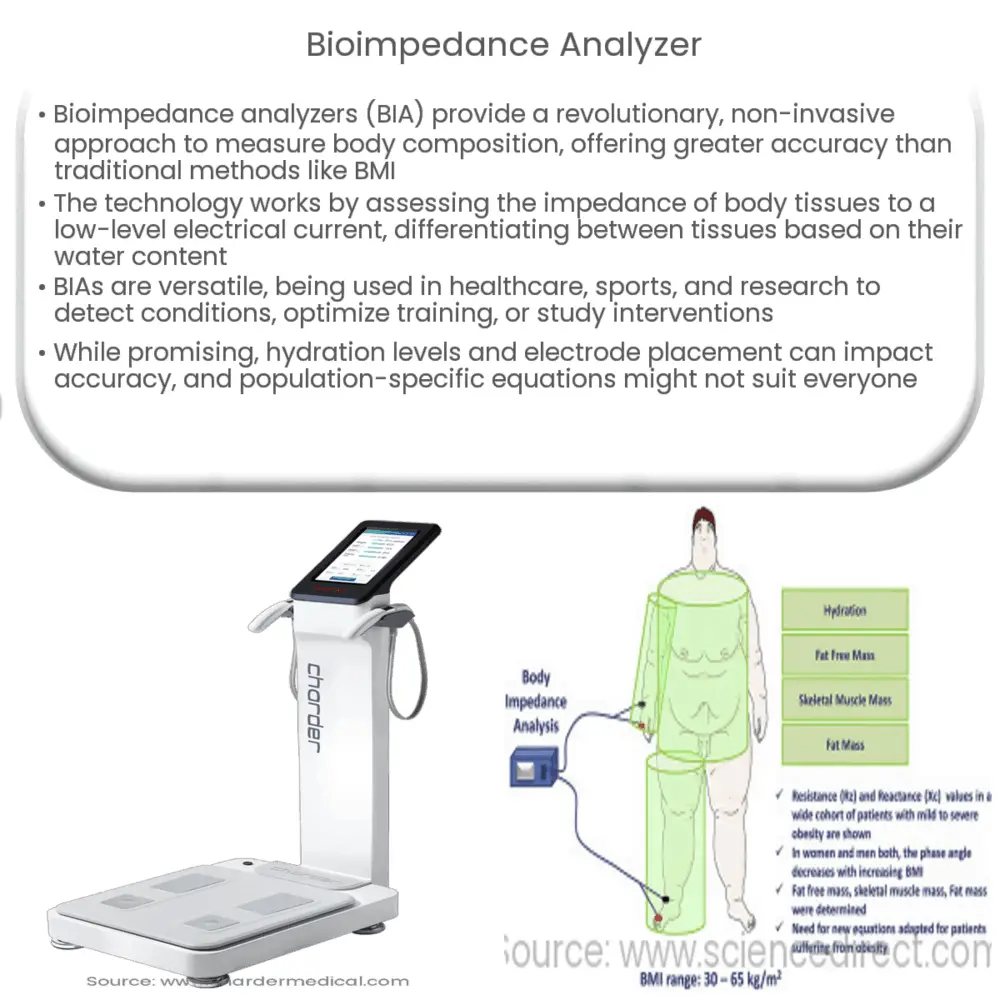
Bioimpedance analyzers provide a non-invasive, accurate method for measuring body composition, aiding in healthcare, sports, and research applications.
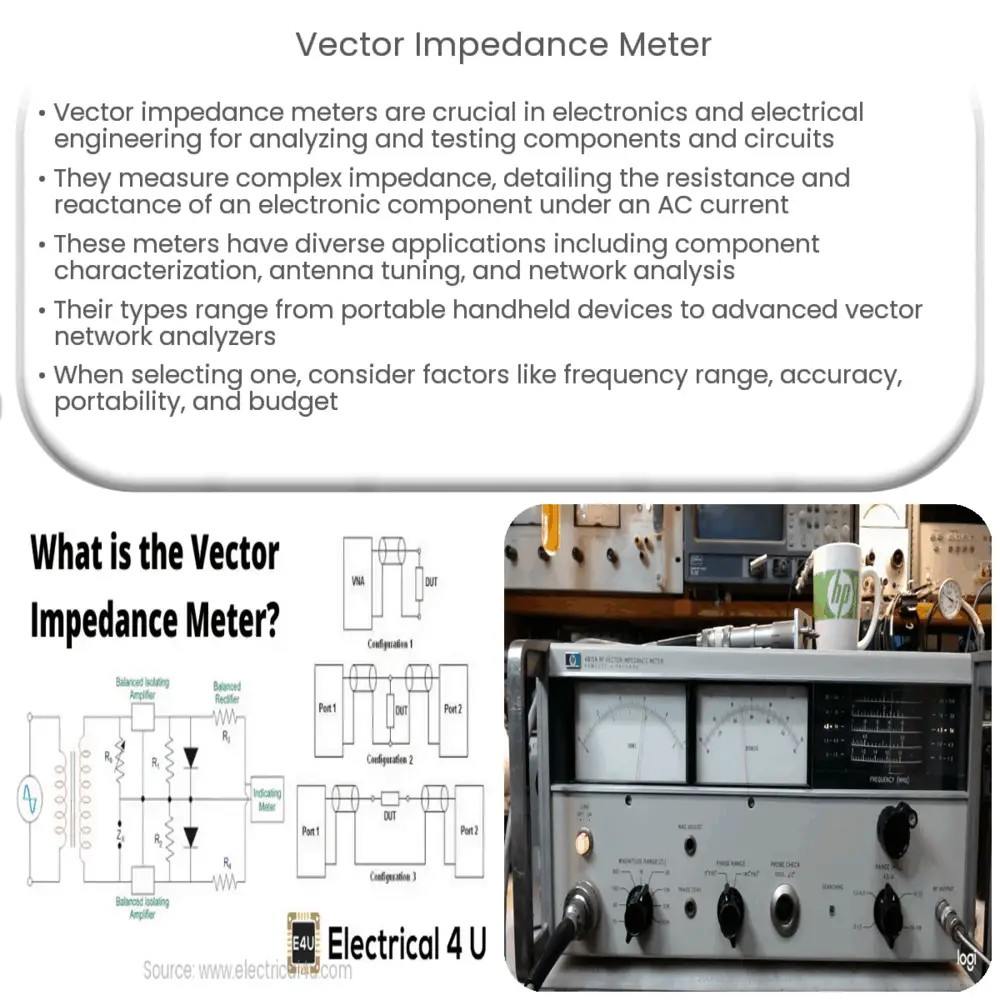
A vector impedance meter measures complex impedance, helping engineers analyze electronic components and circuits in AC conditions.

Millimeter wave impedance analyzers precisely measure device impedance at high frequencies, optimizing performance in 5G, radar, and satellite applications.

Electrochemical impedance analyzers offer valuable insights into electrochemical systems for applications in batteries, corrosion studies, and sensors.

Explore the essentials of industrial blowers – their types, components, working principles, applications, and maintenance safety tips.

Microwave impedance analyzers measure components & circuits in the microwave frequency range, aiding in design, verification, and failure analysis.

The primary purpose of this project is to help the public to learn some exciting and important information about electricity and magnetism.
Our Website follows all legal requirements to protect your privacy. Visit our Privacy Policy page.
The Cookies Statement is part of our Privacy Policy.
The information contained on this website is for general information purposes only. This website does not use any proprietary data. Visit our Editorial note.
It’s simple:
1) You may use almost everything for non-commercial and educational use.
2) You may not distribute or commercially exploit the content, especially on another website.
