
Optical Proximity Sensor
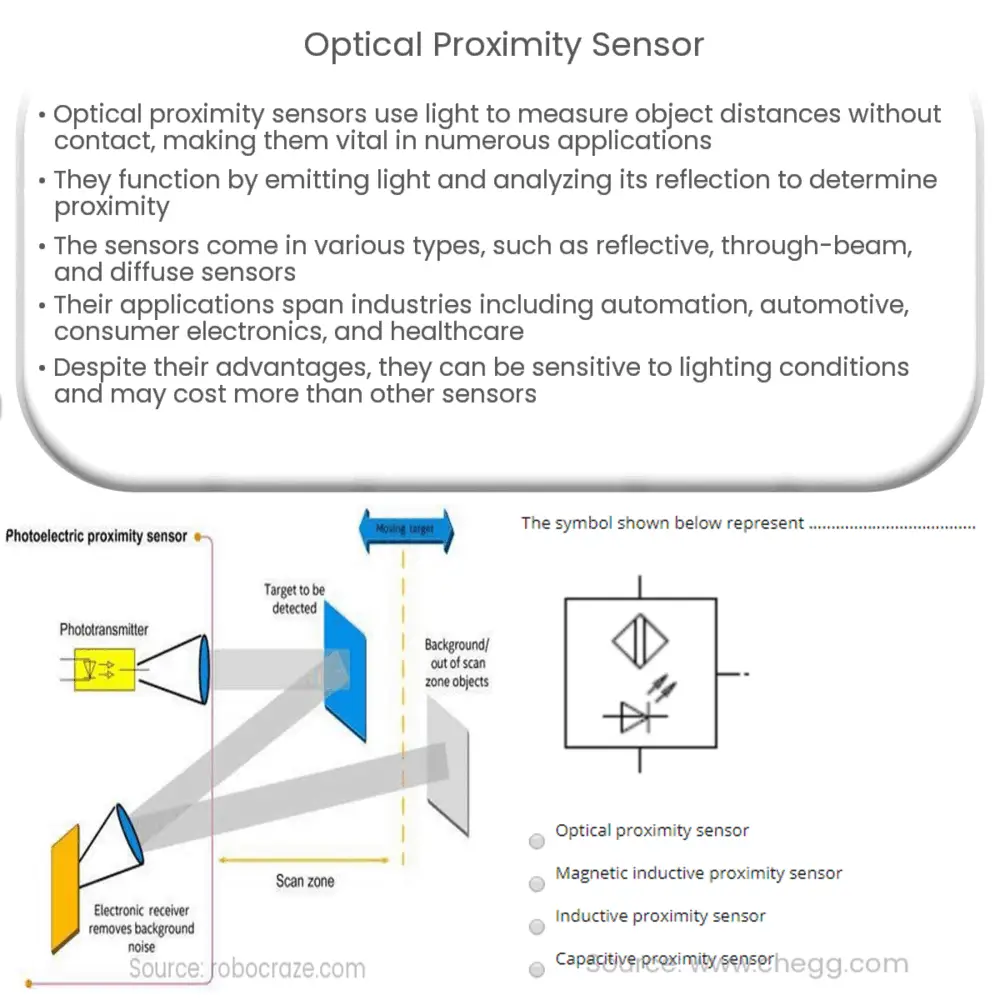
Optical proximity sensors use light to measure distance or presence of objects with high precision, benefiting various industries and applications.
Optical proximity sensors use light to measure distance or presence of objects with high precision, benefiting various industries and applications.
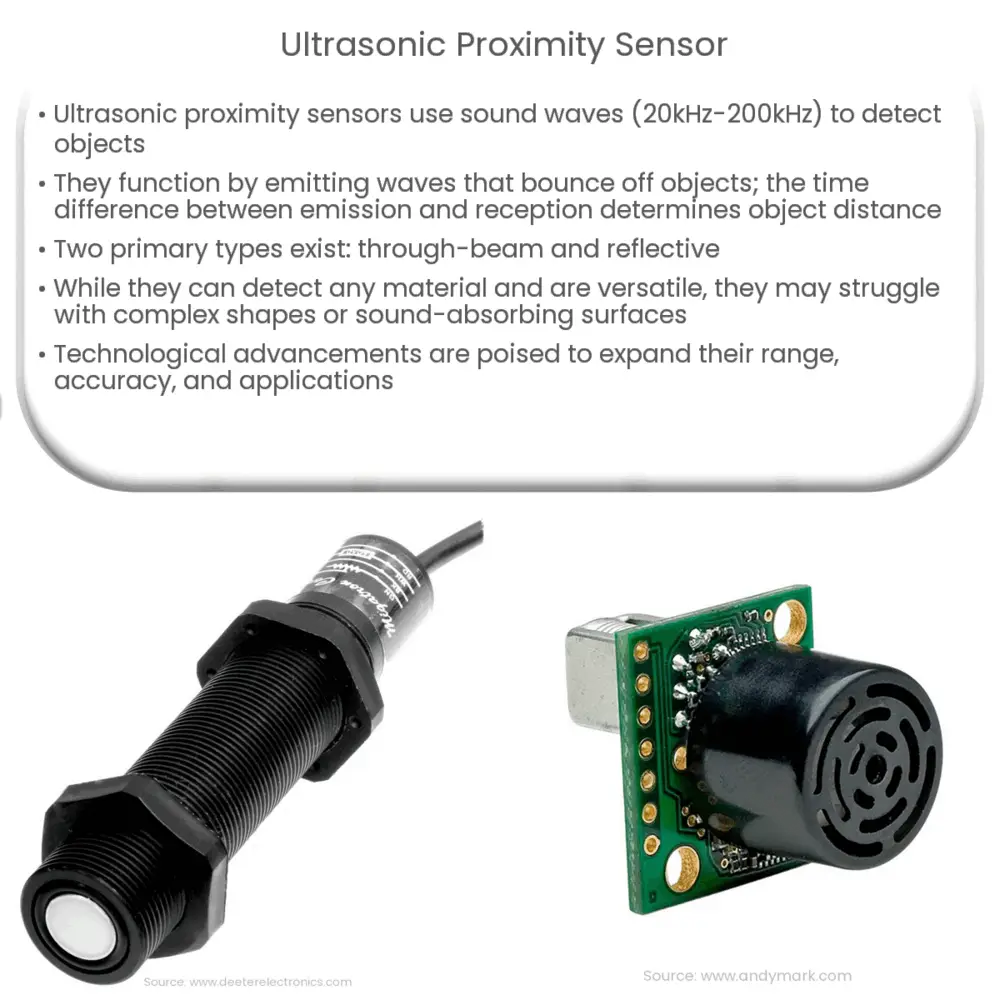
Explore the workings, types, applications, and future of ultrasonic proximity sensors in automation, robotics, and more.
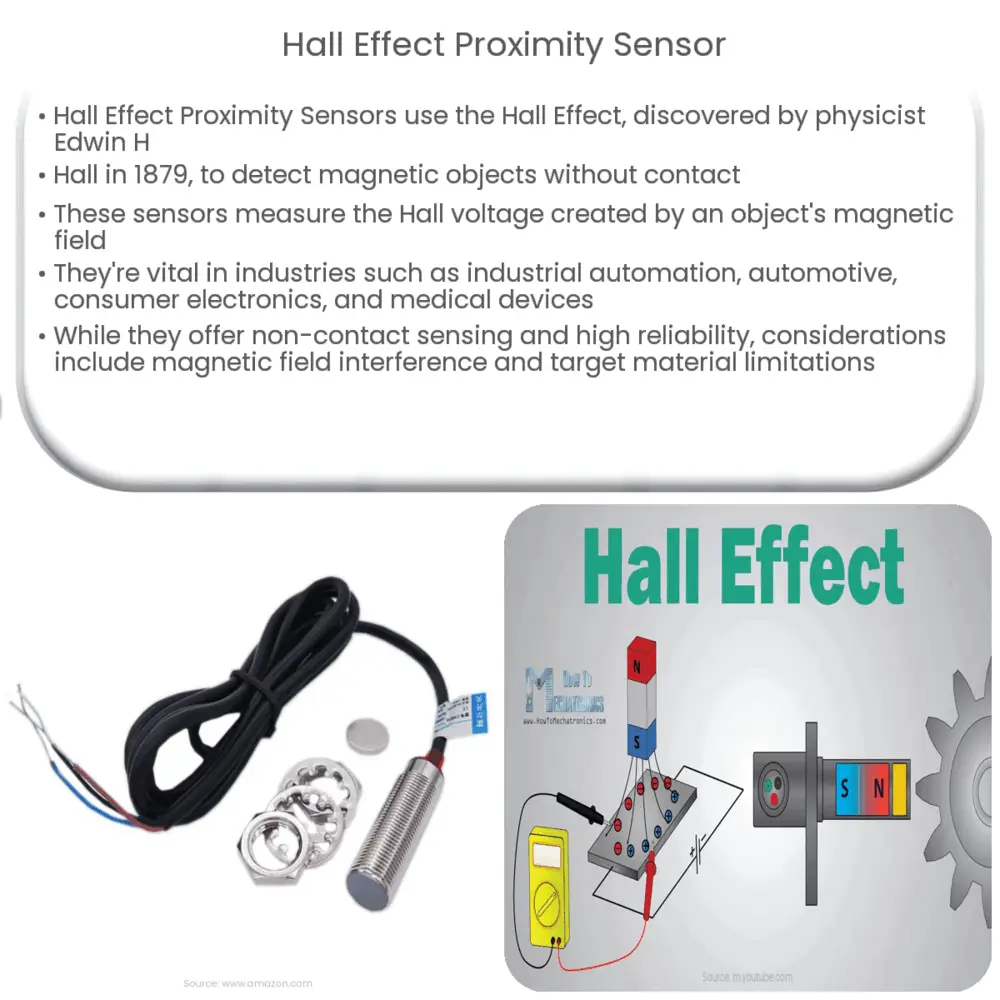
Hall Effect Proximity Sensors are non-contact devices that detect magnetic objects, offering high reliability and fast response times in various applications.

Fiber optic pressure sensors use light modulation to measure pressure, offering high sensitivity, EMI immunity, and wide-ranging applications.
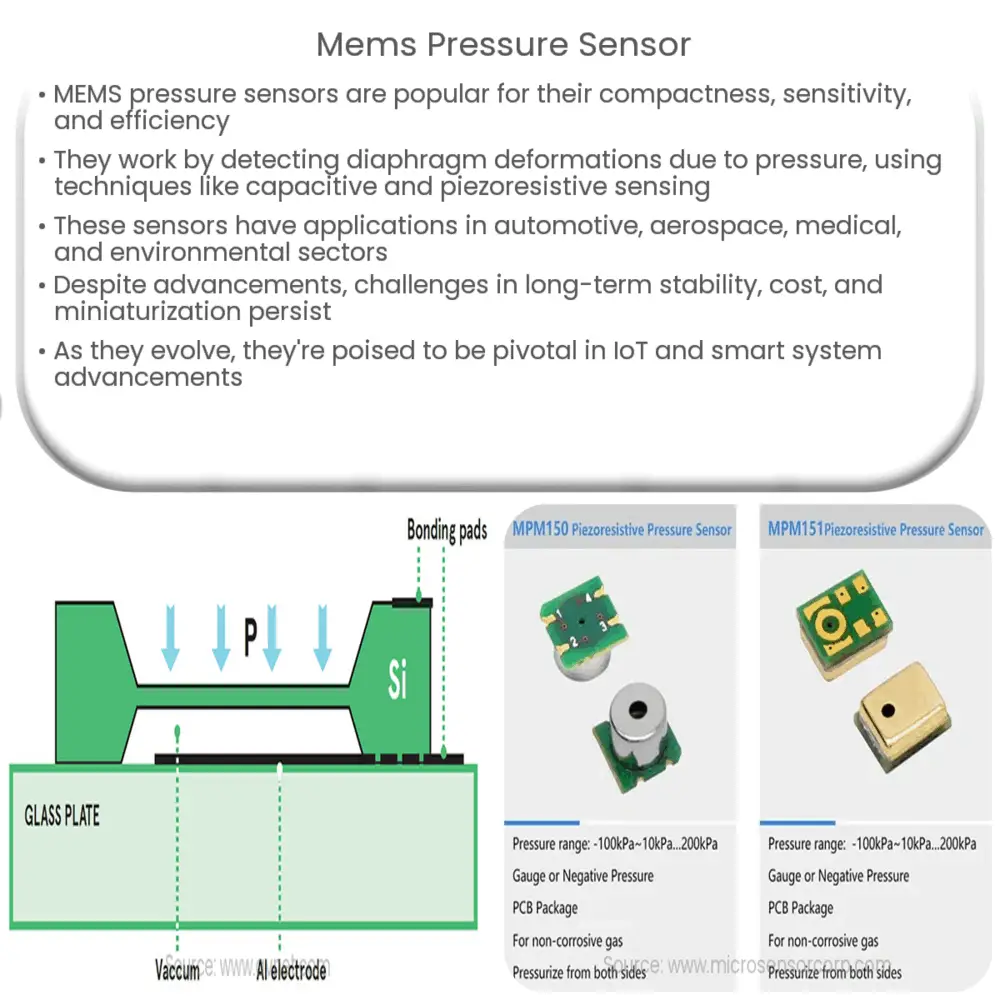
MEMS pressure sensors are compact, highly sensitive devices used for pressure measurement in automotive, aerospace, medical, and environmental applications.

Explore the fundamentals, types, applications, and design considerations of band-pass filters in electronics and signal processing.

Explore the workings of ionization vacuum pressure sensors, their types, applications, advantages, and disadvantages in detail.
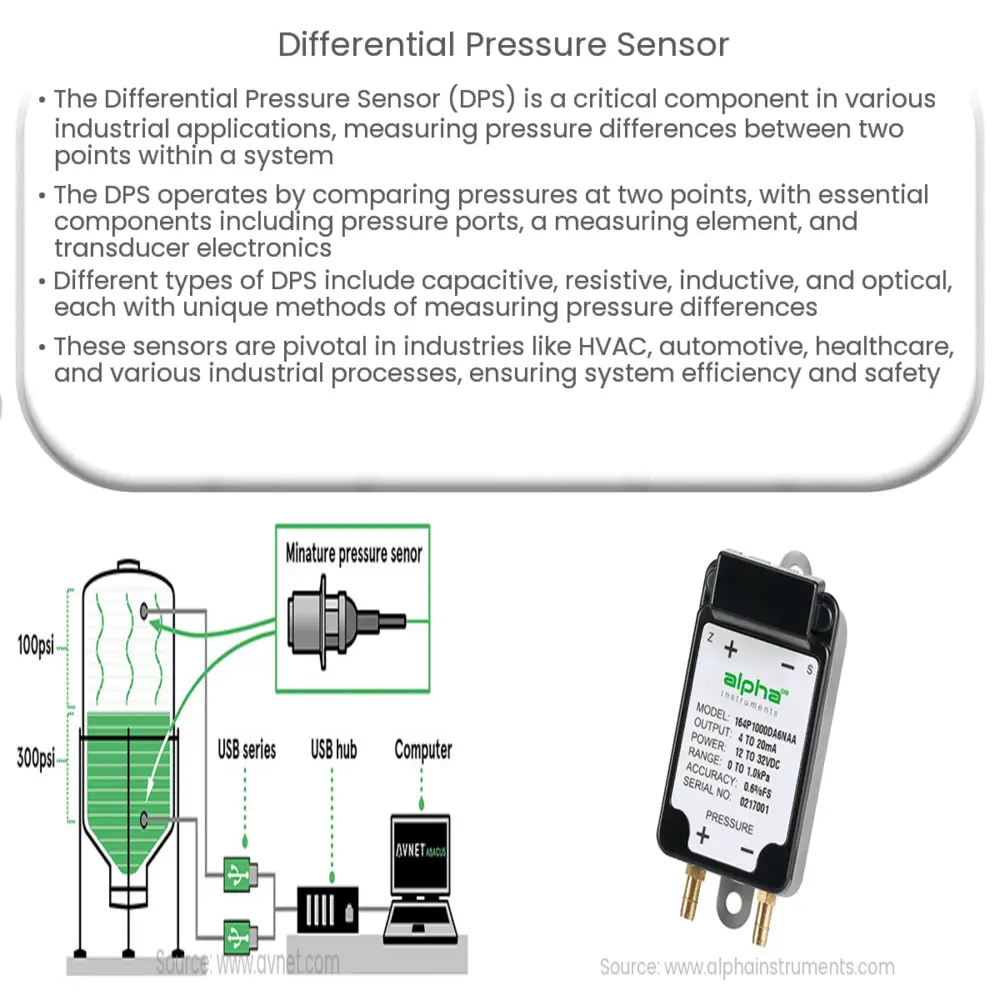
Explore the role of Differential Pressure Sensors in various industries, their types, working principles, and troubleshooting tips.

Hydrostatic pressure sensors measure fluid pressure, offering accuracy and reliability in various industries like water management and environmental monitoring.

A Bourdon tube pressure sensor is a reliable, mechanical device used to measure pressure in various industries, featuring high accuracy and a wide pressure range.

The primary purpose of this project is to help the public to learn some exciting and important information about electricity and magnetism.
Our Website follows all legal requirements to protect your privacy. Visit our Privacy Policy page.
The Cookies Statement is part of our Privacy Policy.
The information contained on this website is for general information purposes only. This website does not use any proprietary data. Visit our Editorial note.
It’s simple:
1) You may use almost everything for non-commercial and educational use.
2) You may not distribute or commercially exploit the content, especially on another website.
