
Pneumatic Proximity Sensor
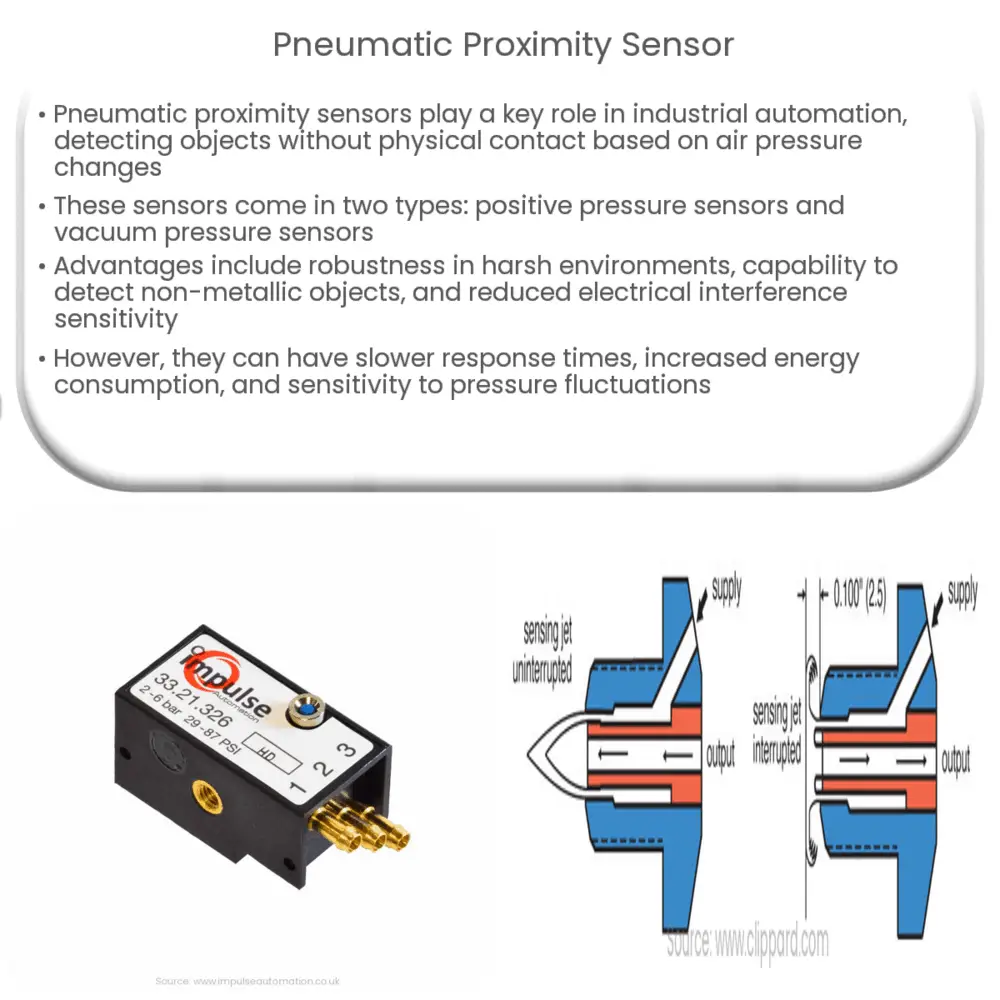
A pneumatic proximity sensor detects object presence without contact, using air pressure changes, ideal for harsh environments and various materials.
A pneumatic proximity sensor detects object presence without contact, using air pressure changes, ideal for harsh environments and various materials.
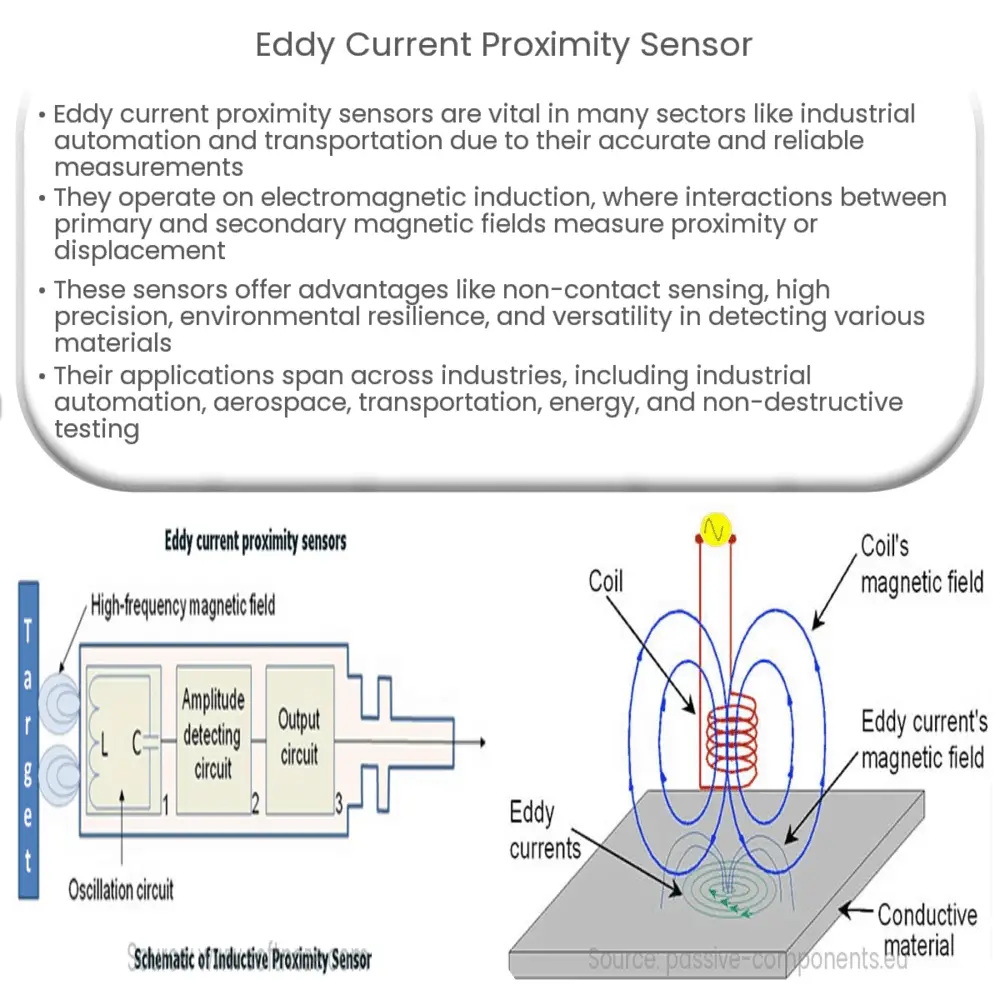
Eddy current proximity sensors detect distance & displacement with high accuracy in harsh environments, ideal for automation, aerospace, and more.

ToF proximity sensors provide accurate, fast, and versatile distance measurements, revolutionizing industries like robotics, automotive, and IoT.
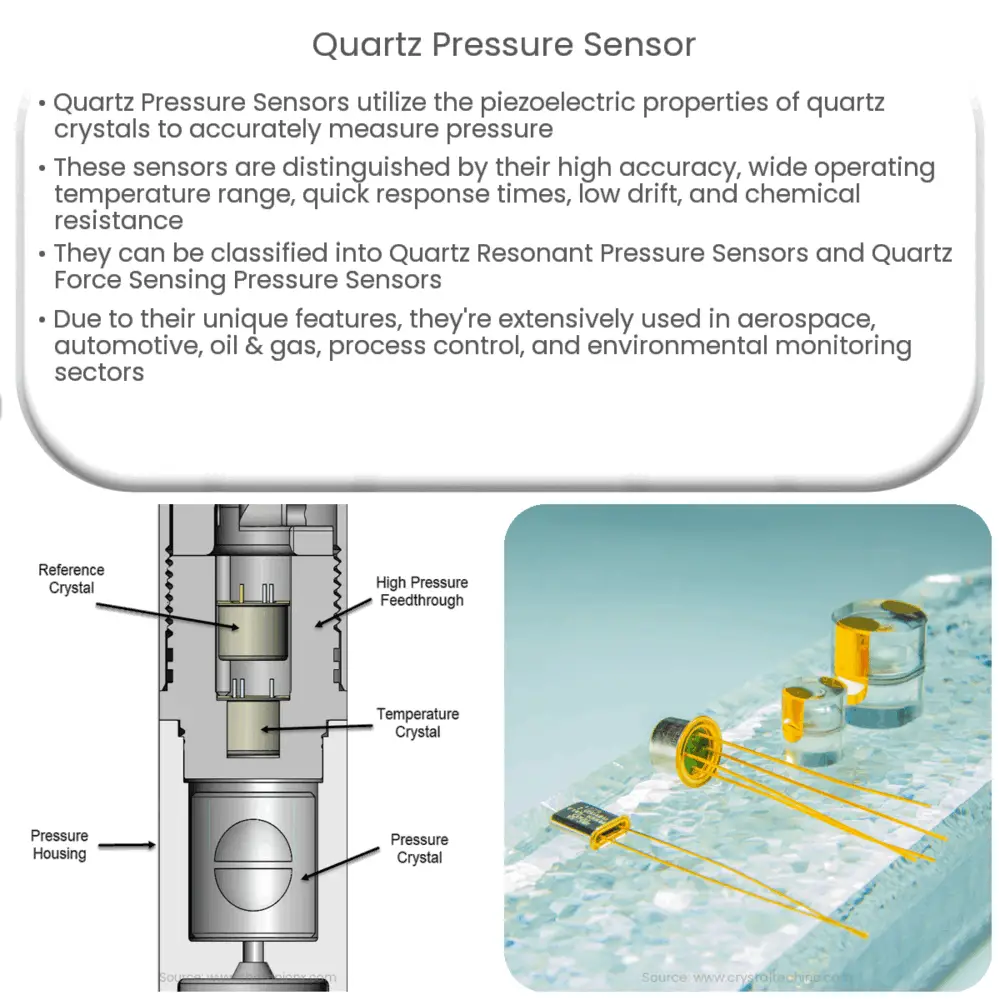
Quartz Pressure Sensors use piezoelectric properties of quartz crystals to measure pressure with high accuracy, stability, and wide temperature range.

Infrared pressure sensors offer accurate, non-contact measurements for various industries, including environmental monitoring, medical, and automotive.
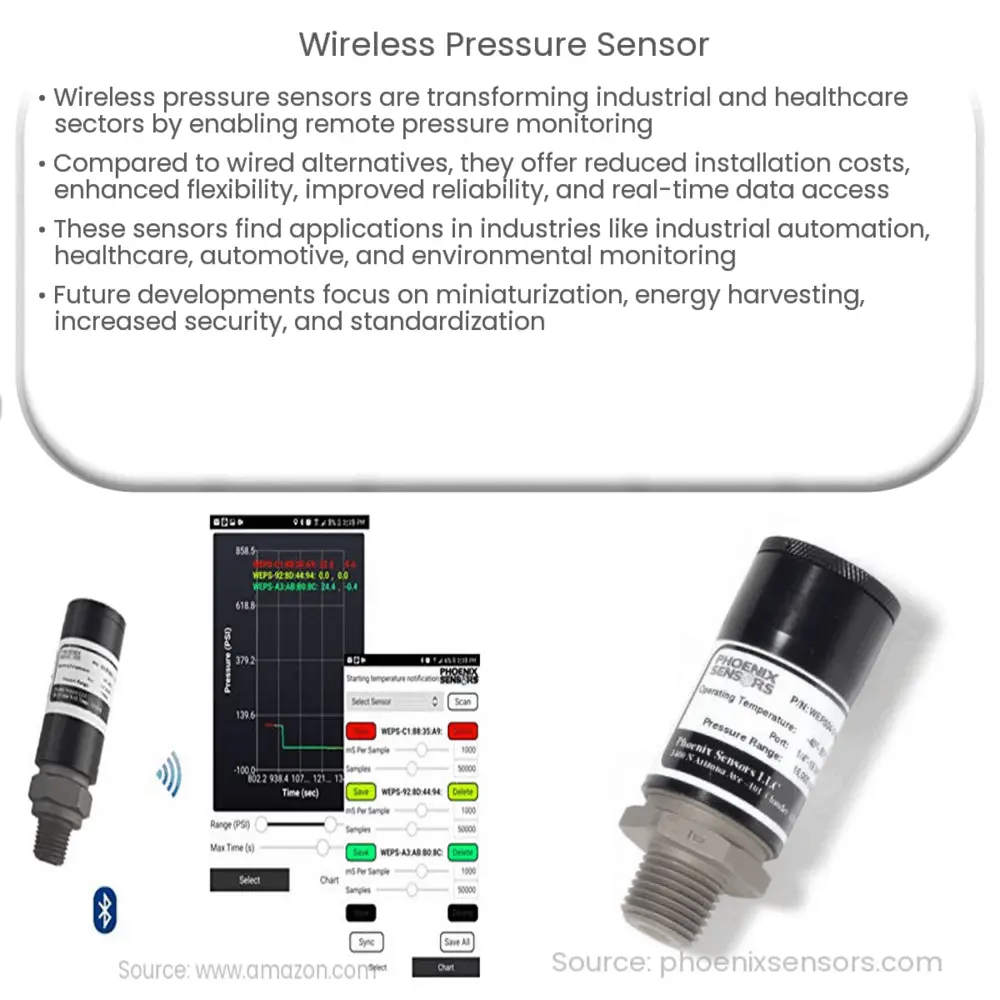
Wireless pressure sensors enable remote monitoring in various industries, offering reduced installation costs, flexibility, and real-time data access.

Explore the world of band-stop filters in this comprehensive guide. Learn about their design, operation, types, applications, and key parameters.
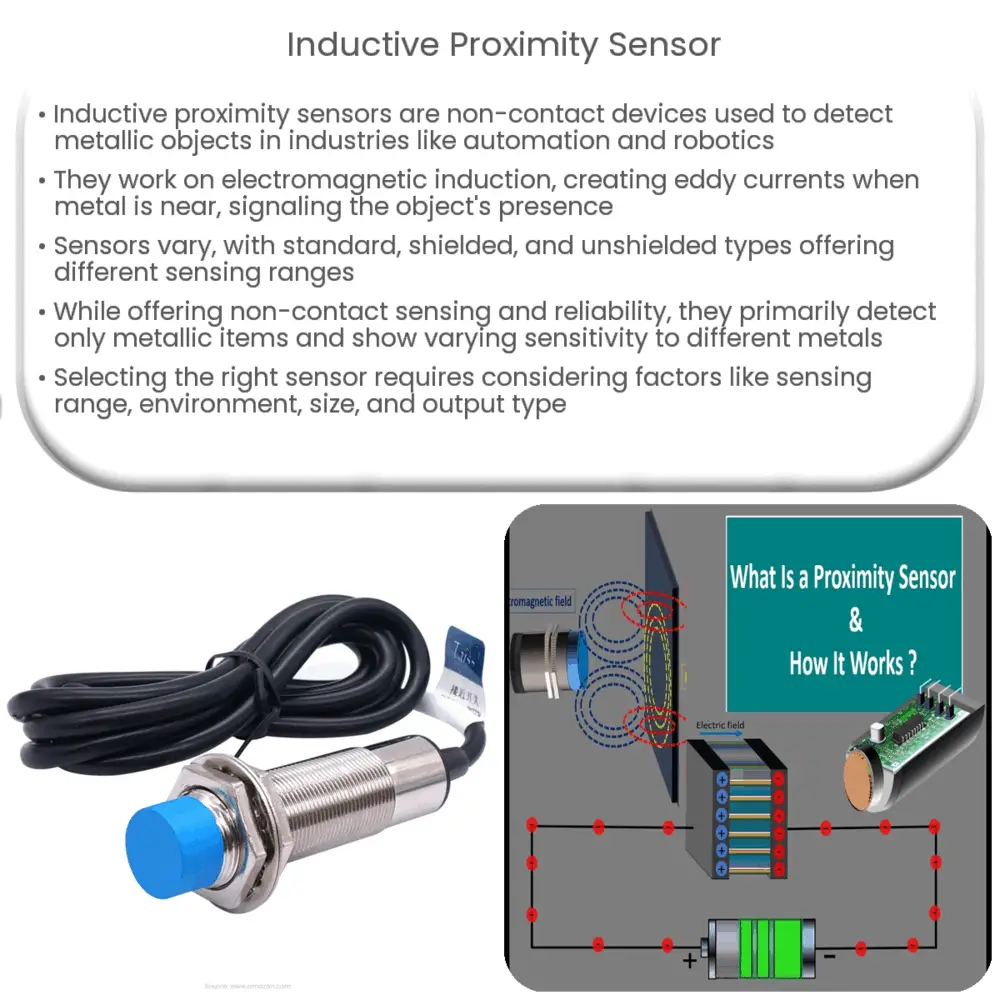
Inductive proximity sensors detect metallic objects without contact, offering reliability and versatility for automation, material handling, and more.
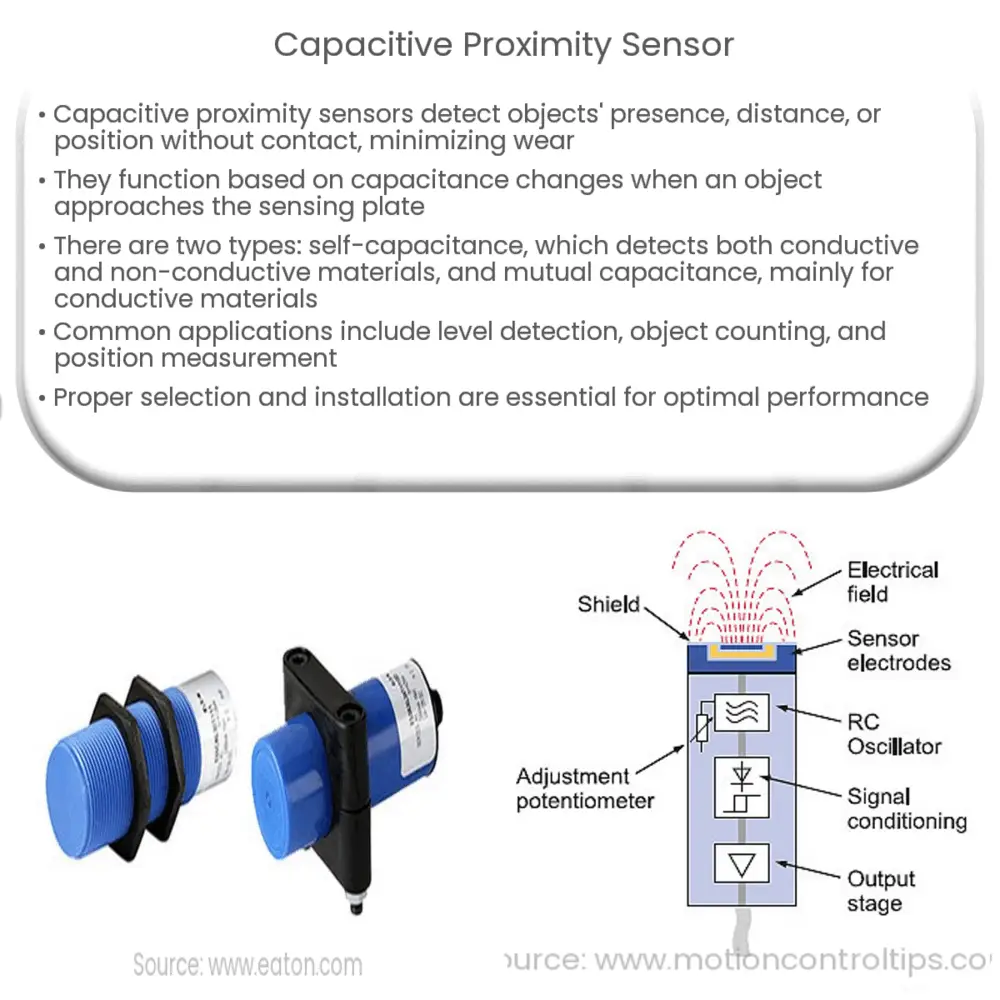
Capacitive proximity sensors detect object presence, distance, or position using capacitance changes, ideal for various industrial applications.

Magnetic proximity sensors detect nearby magnetic fields for non-contact position, speed, and proximity sensing in various industries.

The primary purpose of this project is to help the public to learn some exciting and important information about electricity and magnetism.
Our Website follows all legal requirements to protect your privacy. Visit our Privacy Policy page.
The Cookies Statement is part of our Privacy Policy.
The information contained on this website is for general information purposes only. This website does not use any proprietary data. Visit our Editorial note.
It’s simple:
1) You may use almost everything for non-commercial and educational use.
2) You may not distribute or commercially exploit the content, especially on another website.
