
Switched-Capacitor Rectifier

A switched-capacitor rectifier is an efficient circuit that converts AC to DC by charging and discharging capacitors with controlled switching.
A switched-capacitor rectifier is an efficient circuit that converts AC to DC by charging and discharging capacitors with controlled switching.

The Cockcroft-Walton multiplier is a circuit that generates high DC voltages from low-voltage AC sources, widely used in particle accelerators, X-ray systems, and high-voltage power supplies.

The Greinacher voltage multiplier is a simple, scalable circuit that generates high voltages by accumulating AC voltage sources for various applications.

A reed switch proximity sensor is an affordable, non-contact device that detects objects using a magnet and reed switch, ideal for various industries.
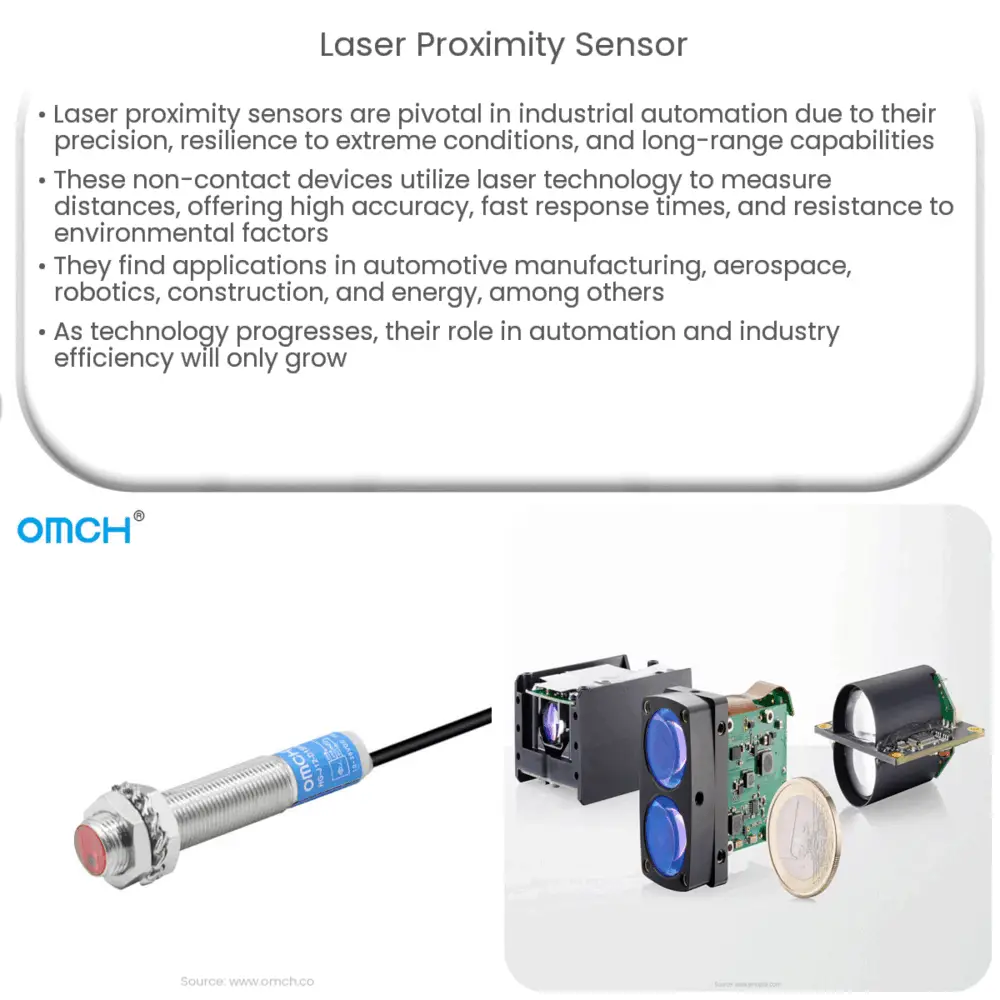
Laser proximity sensors provide highly accurate, non-contact distance measurements for industrial automation, with resistance to environmental factors.
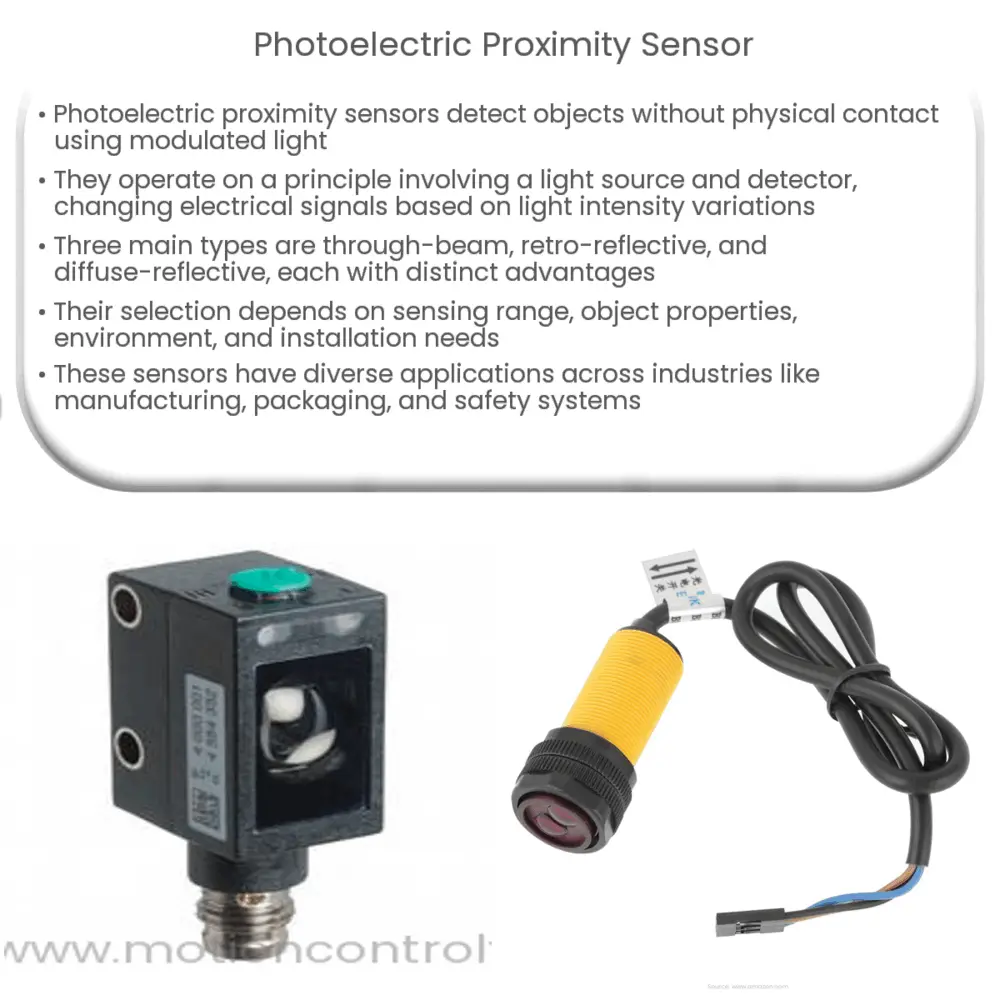
A photoelectric proximity sensor detects objects without contact, using modulated light, with applications in manufacturing, safety, and automation.

Fiber optic proximity sensors use light signals for non-contact object detection, offering high sensitivity, accuracy, and resistance to harsh environments.

Explore the working principles, types, advantages, disadvantages, and applications of bridge rectifiers in our comprehensive guide.

Microwave proximity sensors accurately detect distance, presence, or movement of objects using low-energy microwaves, ideal for various industries.
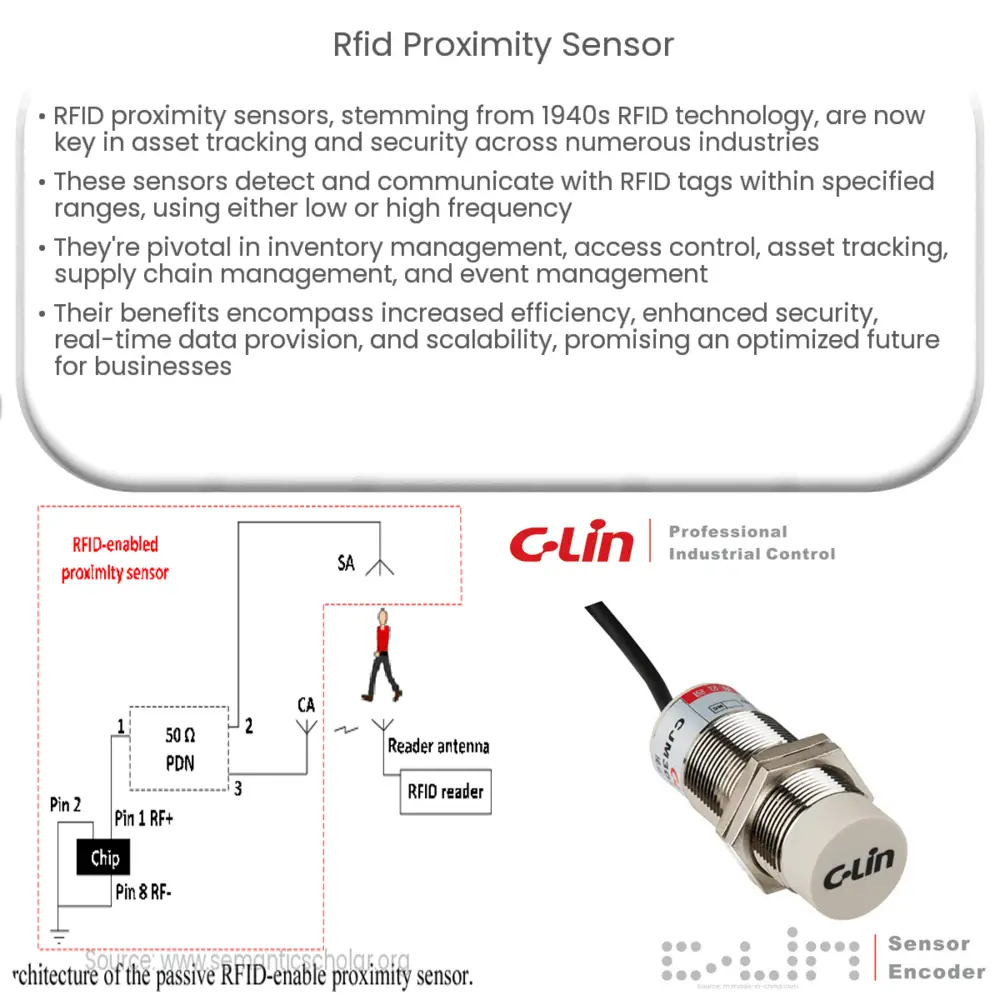
RFID proximity sensors revolutionize asset tracking and security, offering increased efficiency, enhanced security, and real-time data for various industries.

The primary purpose of this project is to help the public to learn some exciting and important information about electricity and magnetism.
Our Website follows all legal requirements to protect your privacy. Visit our Privacy Policy page.
The Cookies Statement is part of our Privacy Policy.
The information contained on this website is for general information purposes only. This website does not use any proprietary data. Visit our Editorial note.
It’s simple:
1) You may use almost everything for non-commercial and educational use.
2) You may not distribute or commercially exploit the content, especially on another website.
