
Electromechanical Relay
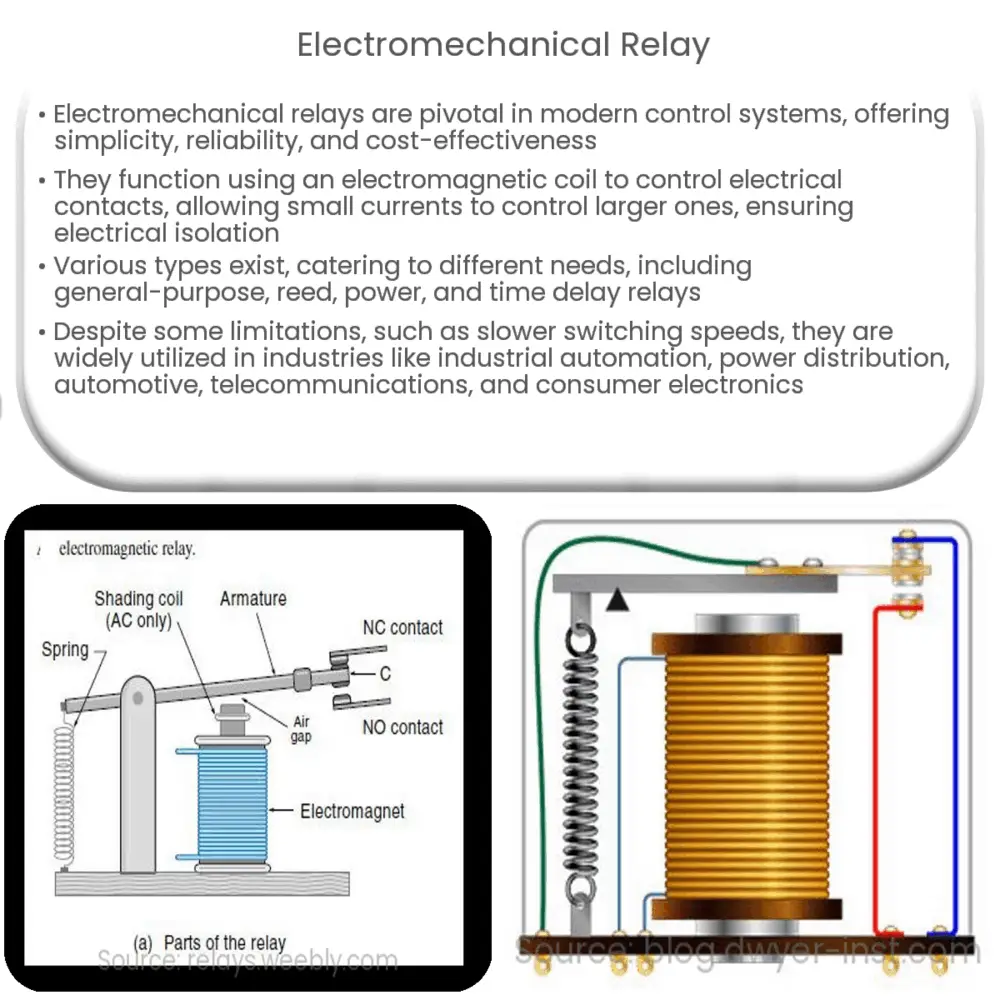
An electromechanical relay is a switch that uses an electromagnetic coil to open or close electrical contacts, providing control and isolation in various systems.
An electromechanical relay is a switch that uses an electromagnetic coil to open or close electrical contacts, providing control and isolation in various systems.

A solid-state relay (SSR) is an electronic switch that controls electrical loads with no moving parts, offering fast, precise, and durable performance.
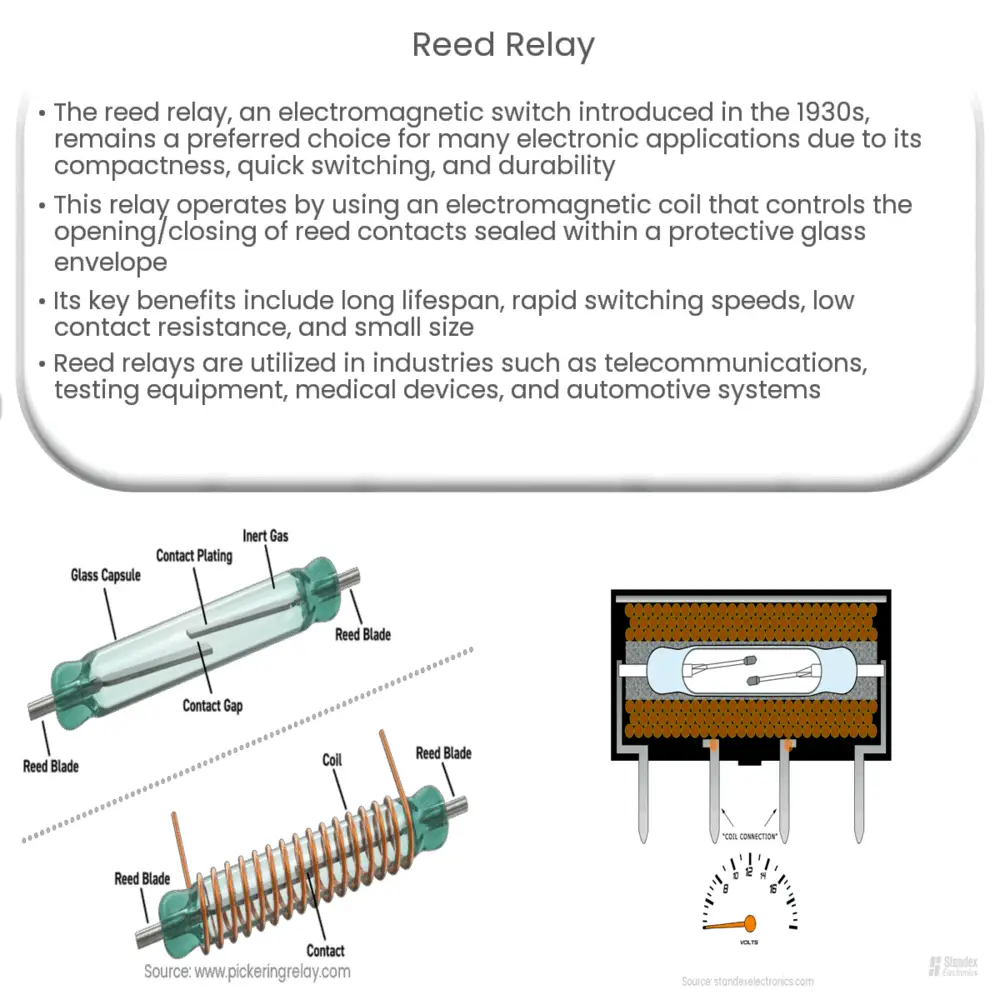
A reed relay is a compact, fast-switching electromagnetic switch with a long lifespan, commonly used in telecommunications, test equipment, medical devices, and automotive applications.
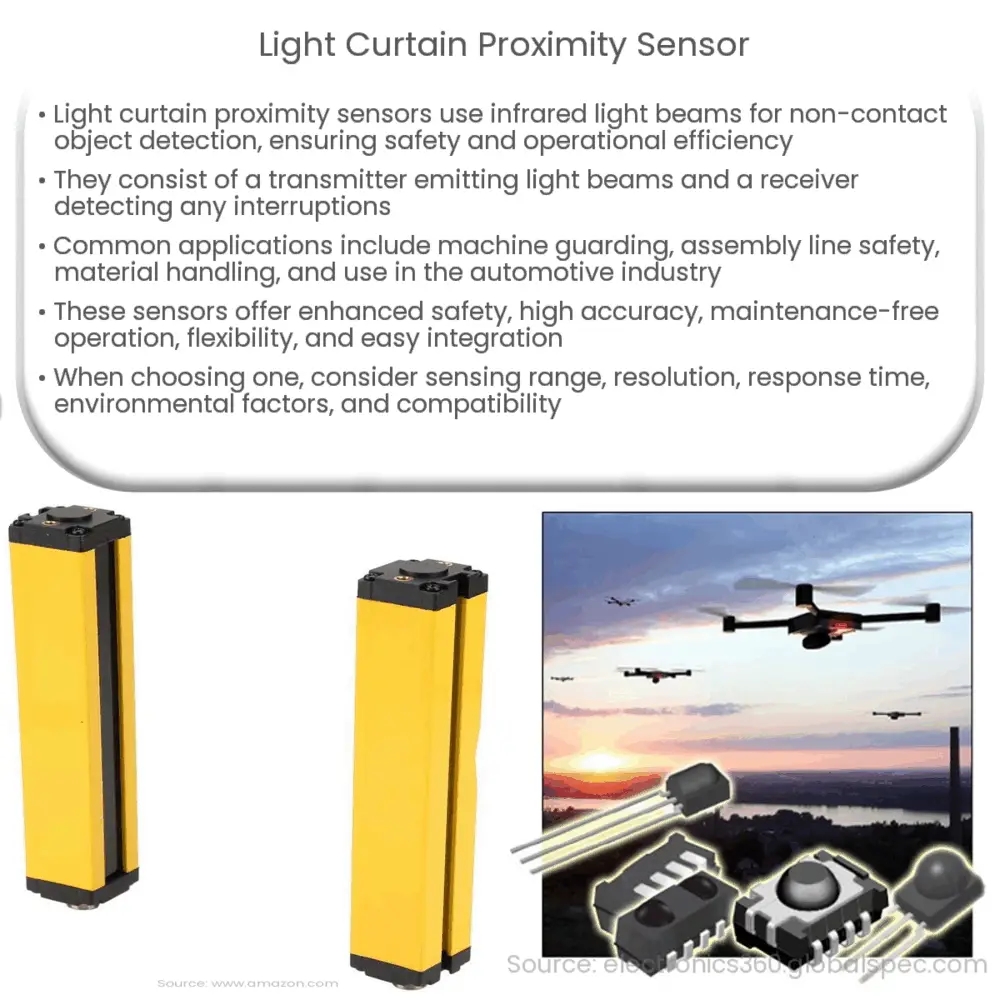
Light curtain proximity sensors are non-contact devices that use infrared beams to detect objects, ensuring safety and efficiency in various industries.
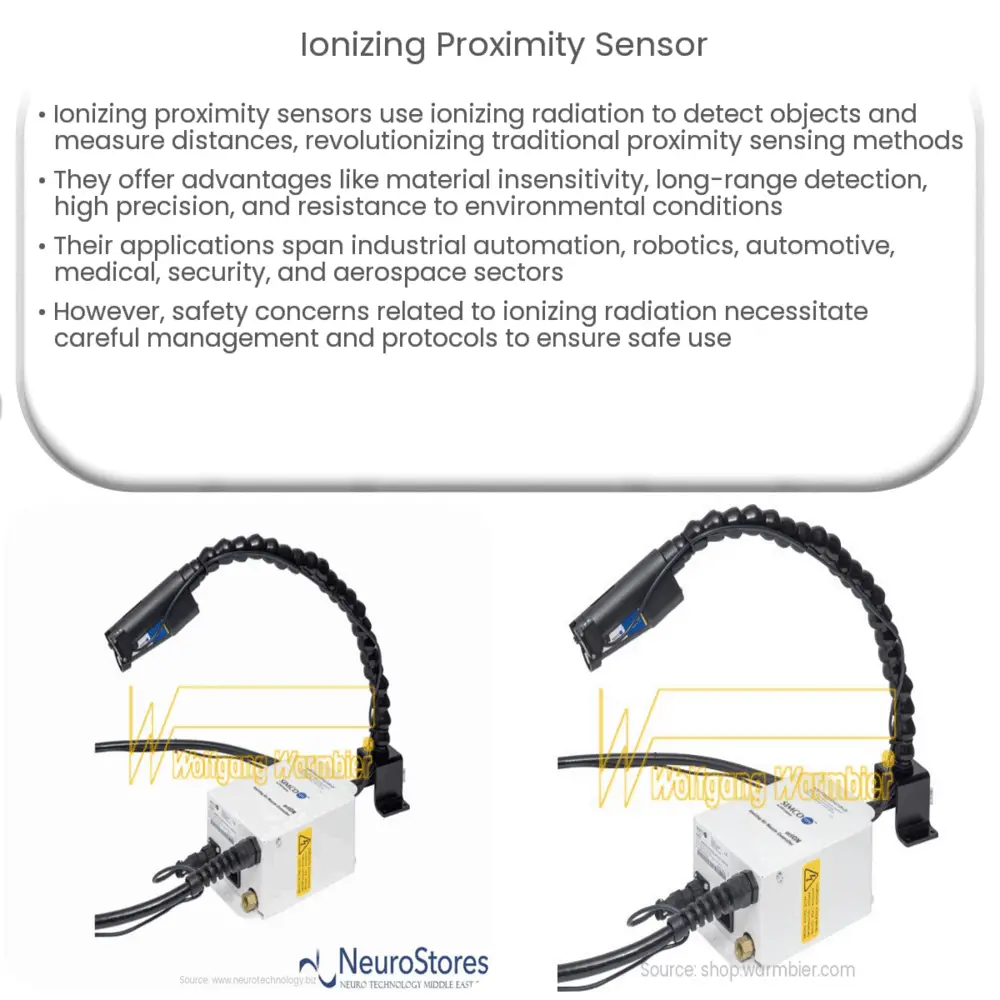
Ionizing proximity sensors revolutionize object detection and distance measurement, offering versatility, precision, and resistance to environmental factors.
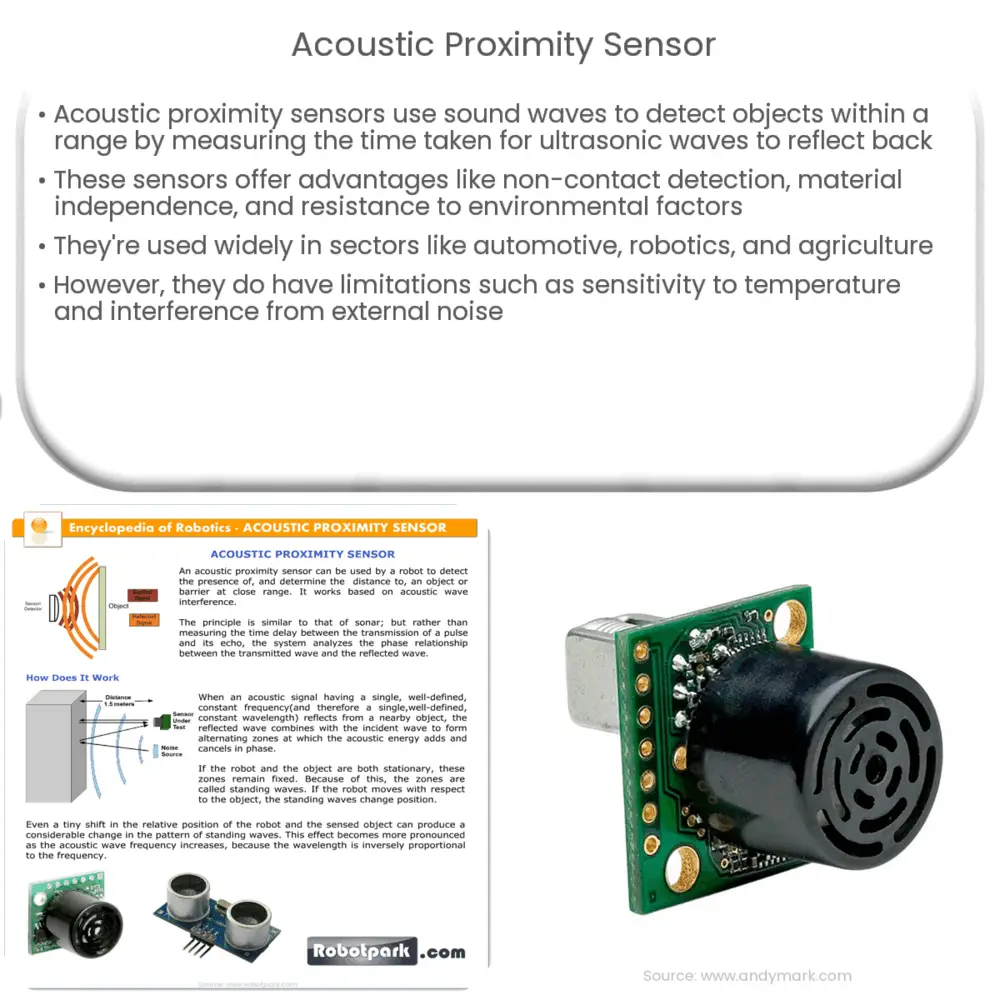
Acoustic proximity sensors detect objects using ultrasonic waves, offering non-contact detection, material independence, and high accuracy.

Wireless proximity sensors detect objects without physical contact, offering flexibility, cost-effectiveness, and reliability for industries like manufacturing, automotive, and healthcare.
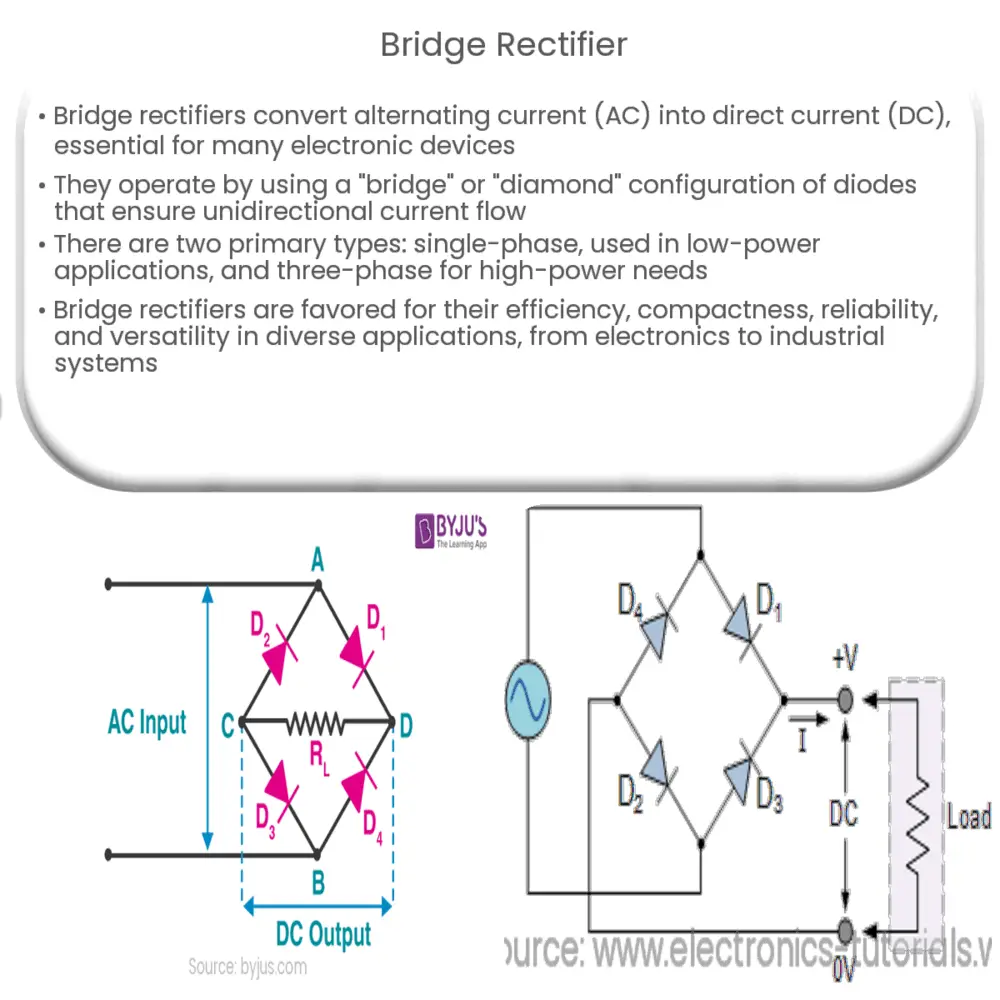
A bridge rectifier is an electronic component that efficiently converts AC voltage into stable DC voltage for use in various devices and systems.

Explore the workings, advantages, and diverse applications of brushless servo motors in robotics, CNC machines, drones, and EVs.

Schottky diode rectifiers are semiconductor devices known for their fast switching speeds, low voltage drop, and applications in power conversion and high-frequency circuits.

The primary purpose of this project is to help the public to learn some exciting and important information about electricity and magnetism.
Our Website follows all legal requirements to protect your privacy. Visit our Privacy Policy page.
The Cookies Statement is part of our Privacy Policy.
The information contained on this website is for general information purposes only. This website does not use any proprietary data. Visit our Editorial note.
It’s simple:
1) You may use almost everything for non-commercial and educational use.
2) You may not distribute or commercially exploit the content, especially on another website.
