
What is a pull-down resistor?

A pull-down resistor is an electronic component used in digital circuits to maintain a stable low voltage level on input pins.
A pull-down resistor is an electronic component used in digital circuits to maintain a stable low voltage level on input pins.

A pull-up resistor is a component in electronic circuits that ensures digital input pins have a defined voltage level, preventing unpredictable behavior.
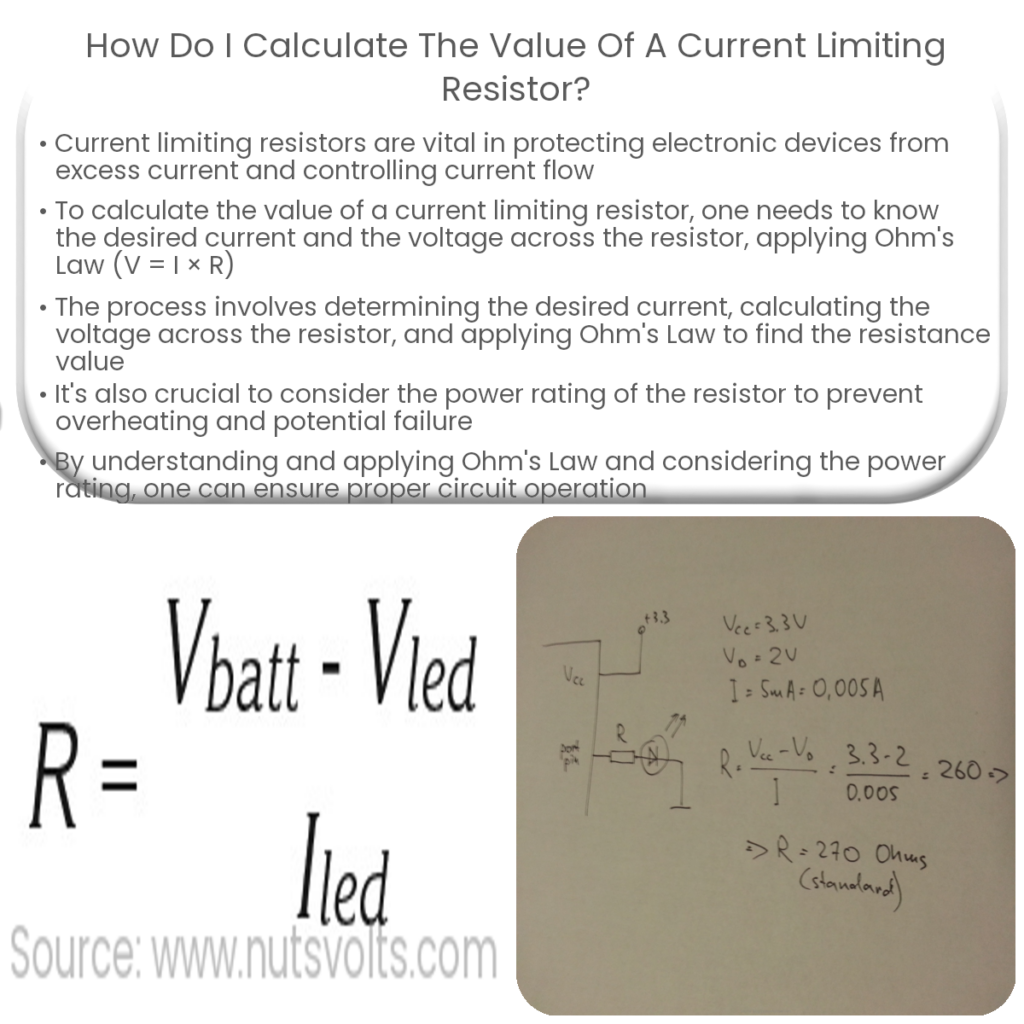
To calculate a current limiting resistor, use Ohm’s Law (R=V/I) with the desired current and voltage across the resistor, and consider the power rating.

A current limiting resistor protects components, controls current flow, and stabilizes circuits by ensuring current stays within safe limits.

Rheostats control current with two terminals, while potentiometers control voltage or signal levels with three terminals, serving different purposes.

To use a potentiometer in a circuit, connect it as a rheostat or voltage divider, then adjust the wiper to control voltage, current, or signal levels.

To measure voltage with a multimeter, set to voltage mode, insert probes, connect probes to test points, and read the displayed voltage value.

To measure current with a multimeter, set to current mode, insert probes, break the circuit, connect probes, turn on power, and read the value.

To measure resistance with a multimeter, set it to resistance mode, disconnect power, isolate the component, connect probes, and read the value.
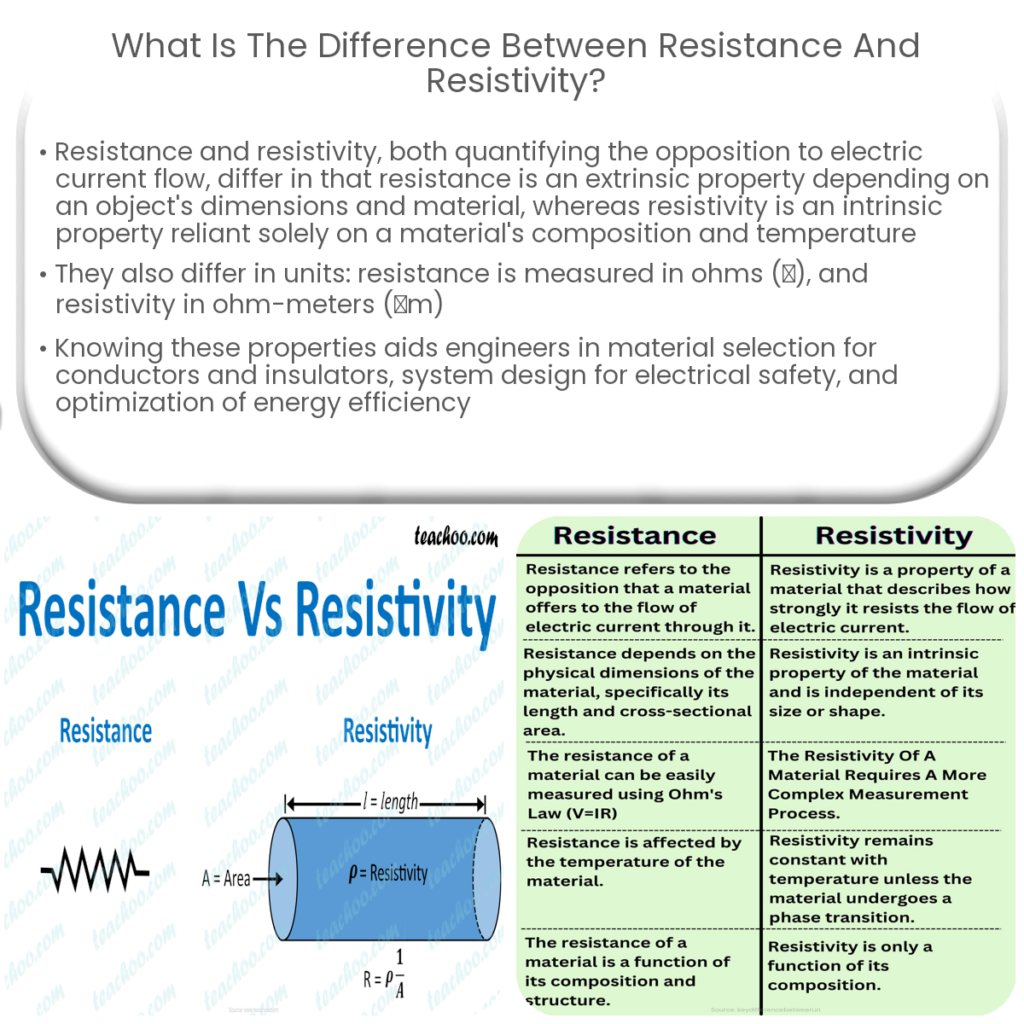
Resistance is an object’s opposition to electric current, depending on its material and dimensions, while resistivity is an intrinsic property of a material.

The primary purpose of this project is to help the public to learn some exciting and important information about electricity and magnetism.
Our Website follows all legal requirements to protect your privacy. Visit our Privacy Policy page.
The Cookies Statement is part of our Privacy Policy.
The information contained on this website is for general information purposes only. This website does not use any proprietary data. Visit our Editorial note.
It’s simple:
1) You may use almost everything for non-commercial and educational use.
2) You may not distribute or commercially exploit the content, especially on another website.


