
What is a transistor?

A transistor is a semiconductor device that can amplify or switch electrical signals, enabling the control of current flow between two terminals.
A transistor is a semiconductor device that can amplify or switch electrical signals, enabling the control of current flow between two terminals.
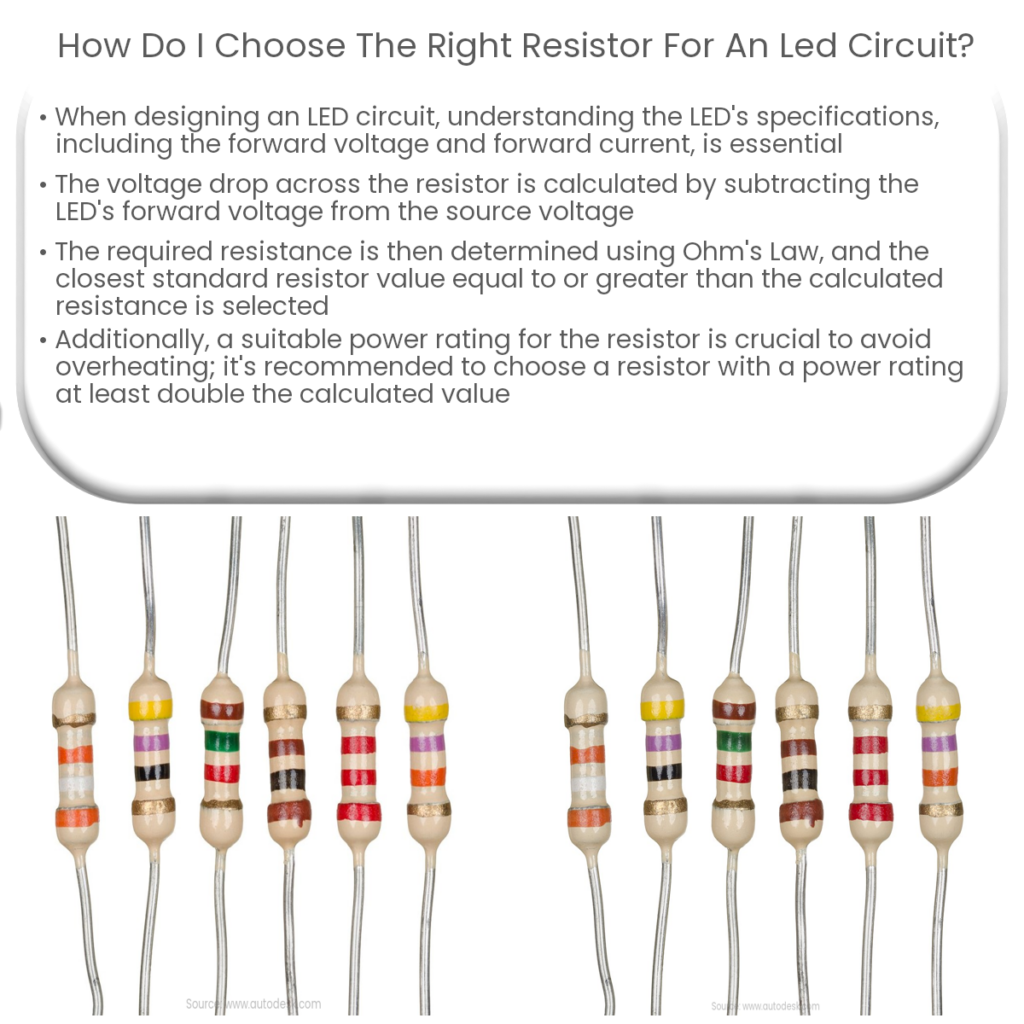
To choose the right resistor for an LED circuit, understand the LED’s specifications, calculate the required resistance, select the closest standard resistor value, and consider power rating.
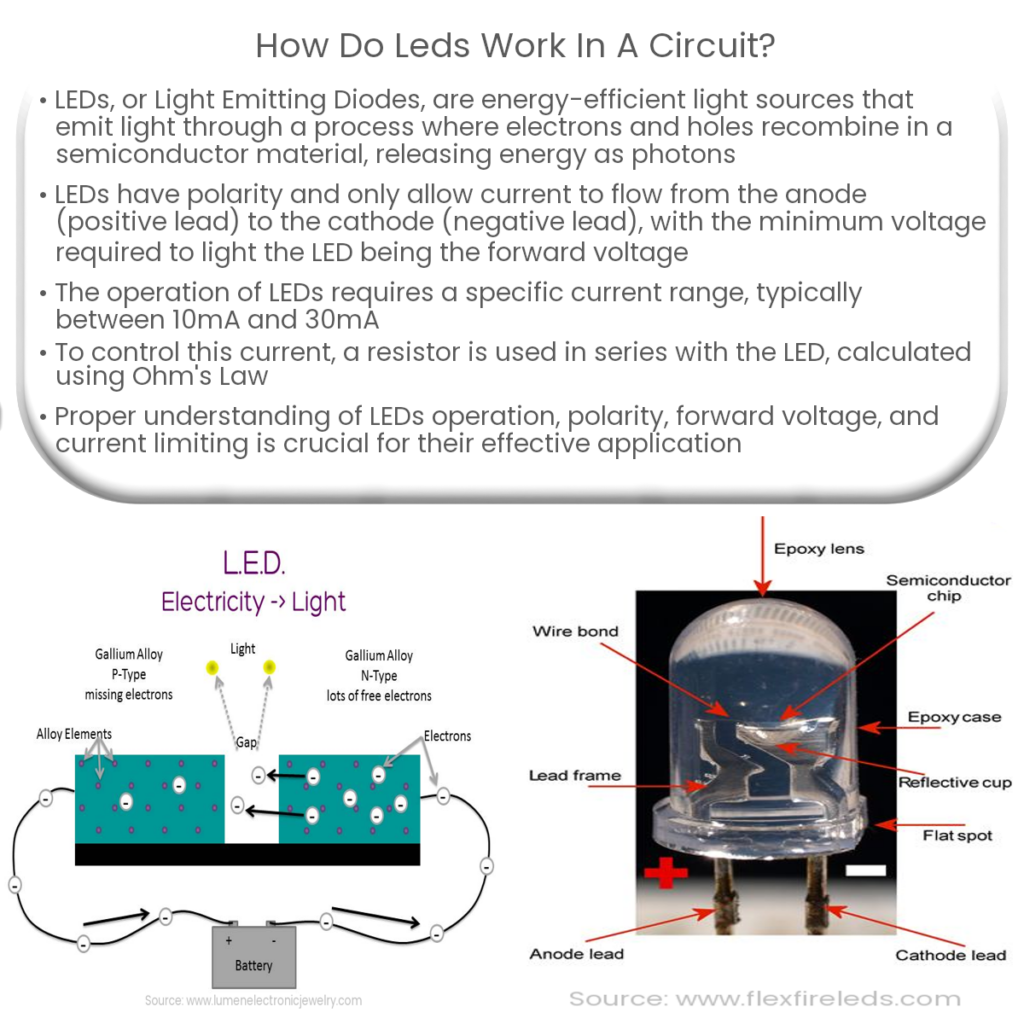
LEDs work in a circuit by emitting light when current flows through their semiconductor material, requiring proper polarity and current limiting.

An LED (Light Emitting Diode) is a semiconductor device that emits light when an electric current passes through it, offering energy-efficient and versatile illumination.
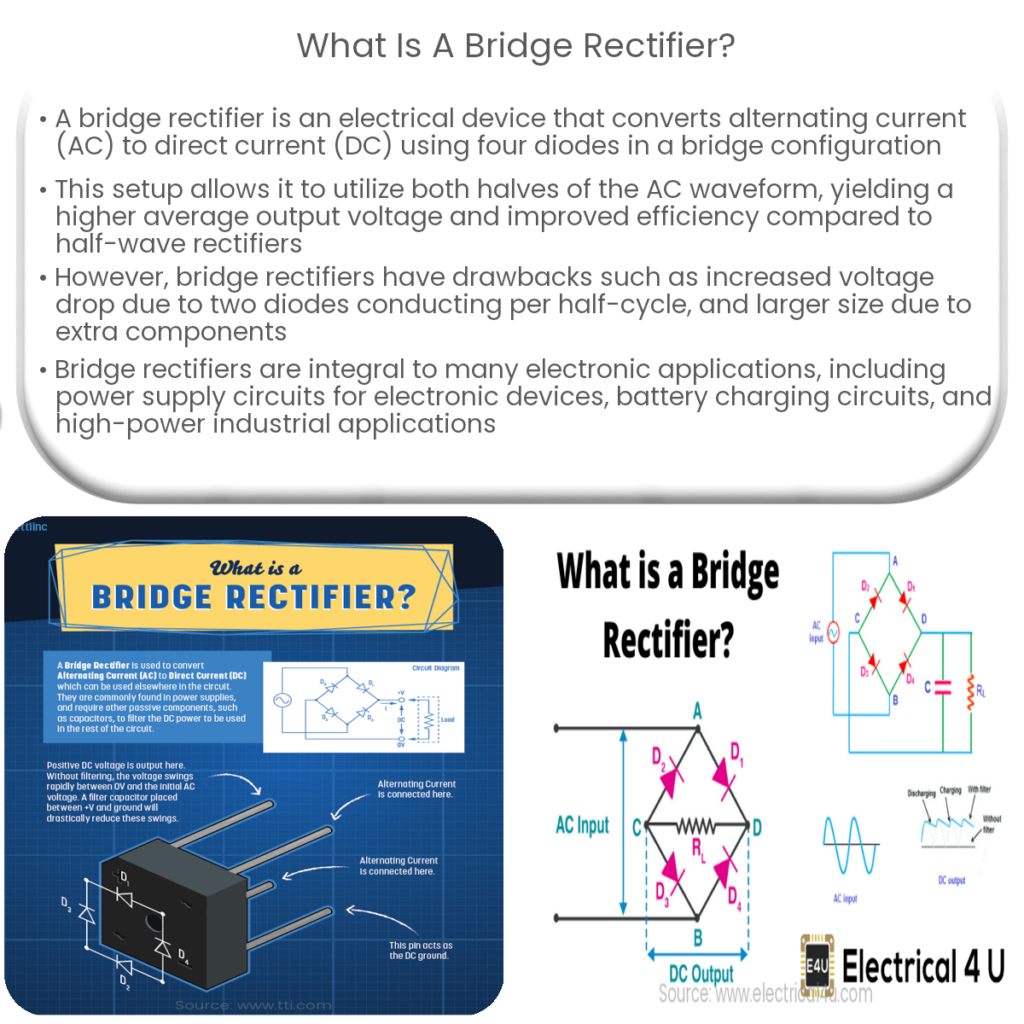
A bridge rectifier is an electrical device that converts AC to DC using four diodes in a bridge configuration, providing efficient full-wave rectification.

A full-wave rectifier converts AC to DC by utilizing both halves of the AC waveform, resulting in higher efficiency and reduced voltage ripple.

A half-wave rectifier uses a single diode to convert AC into pulsating DC, processing only the positive half-cycle of the AC waveform.

A rectifier works in a circuit by using diodes to convert alternating current (AC) into direct current (DC), producing a pulsating DC output.

To use a Zener diode as a voltage regulator, connect it in reverse-biased mode with a current-limiting resistor and apply the input voltage.

A Zener diode is a special type of diode designed to conduct current in reverse when a specific voltage, known as the Zener voltage, is exceeded.

The primary purpose of this project is to help the public to learn some exciting and important information about electricity and magnetism.
Our Website follows all legal requirements to protect your privacy. Visit our Privacy Policy page.
The Cookies Statement is part of our Privacy Policy.
The information contained on this website is for general information purposes only. This website does not use any proprietary data. Visit our Editorial note.
It’s simple:
1) You may use almost everything for non-commercial and educational use.
2) You may not distribute or commercially exploit the content, especially on another website.


