
Inductive force sensor
Inductive force sensors are non-contact devices that measure force, displacement, and position with high accuracy, used in various industries.
Inductive force sensors are non-contact devices that measure force, displacement, and position with high accuracy, used in various industries.
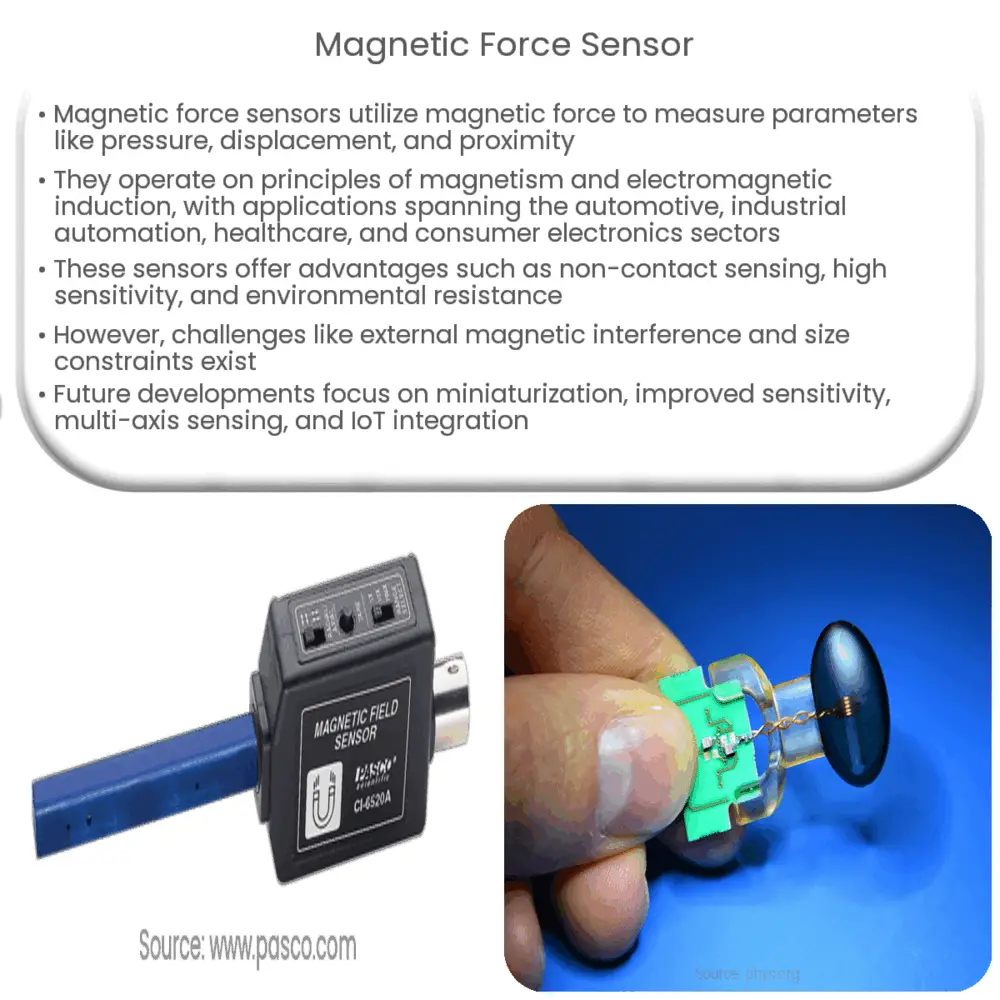
Magnetic force sensors utilize magnetism to measure parameters like pressure, displacement, and proximity, offering non-contact sensing across various industries.
Optical force sensors measure force using light properties, offering high sensitivity, EMI immunity, and resistance to harsh environments.
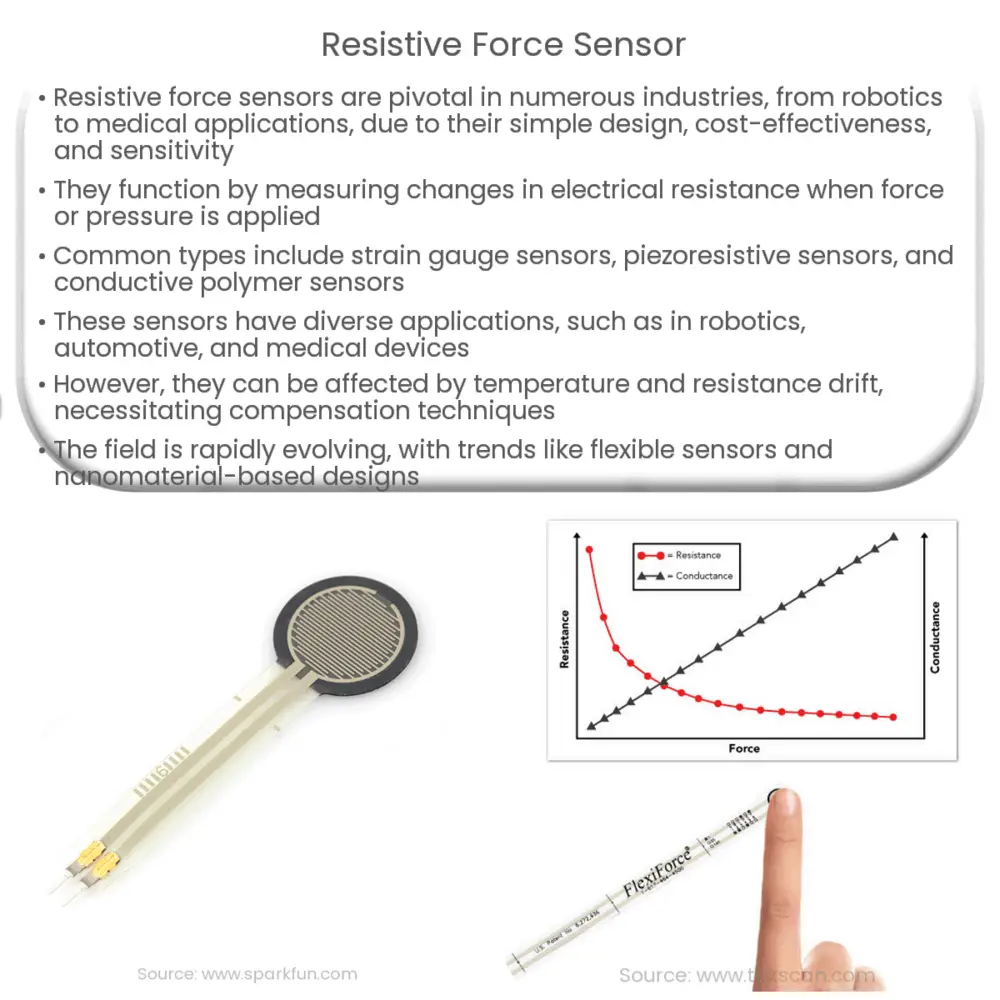
Resistive force sensors detect changes in electrical resistance due to applied force, offering simplicity, cost-effectiveness, and high sensitivity in various applications.
Capacitive force sensors are highly sensitive, low-cost devices used for precise force and pressure measurements across various industries.

Explore the world of solar generators: Understand their working, advantages, and considerations. Learn why they are a worthwhile investment for a sustainable future.

Piezoelectric force sensors convert mechanical force into electrical signals with high sensitivity, enabling precise measurements across various industries.

Strain gauge sensors measure material deformation due to stress, offering reliable data for industries like automotive, aerospace, and civil engineering.
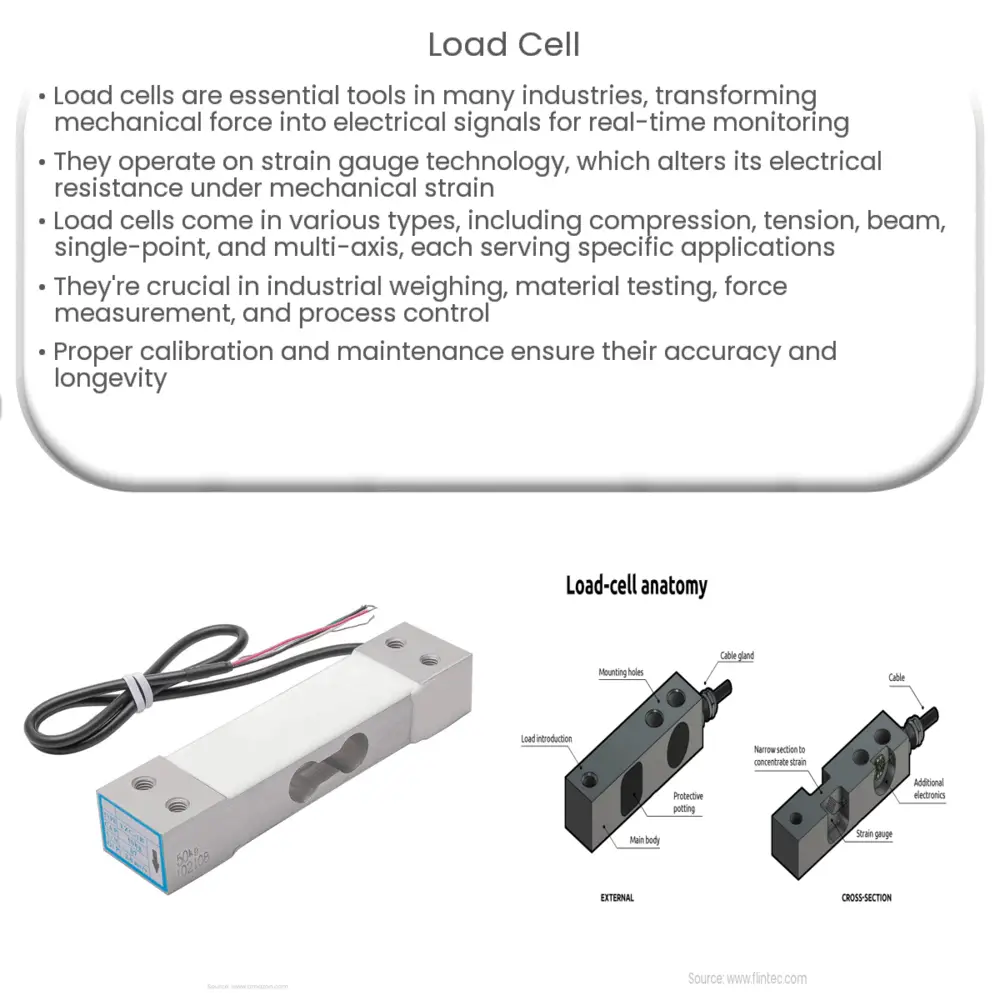
Load cells are transducers that convert mechanical force into electrical signals, enabling precise force and weight measurements in various industries.
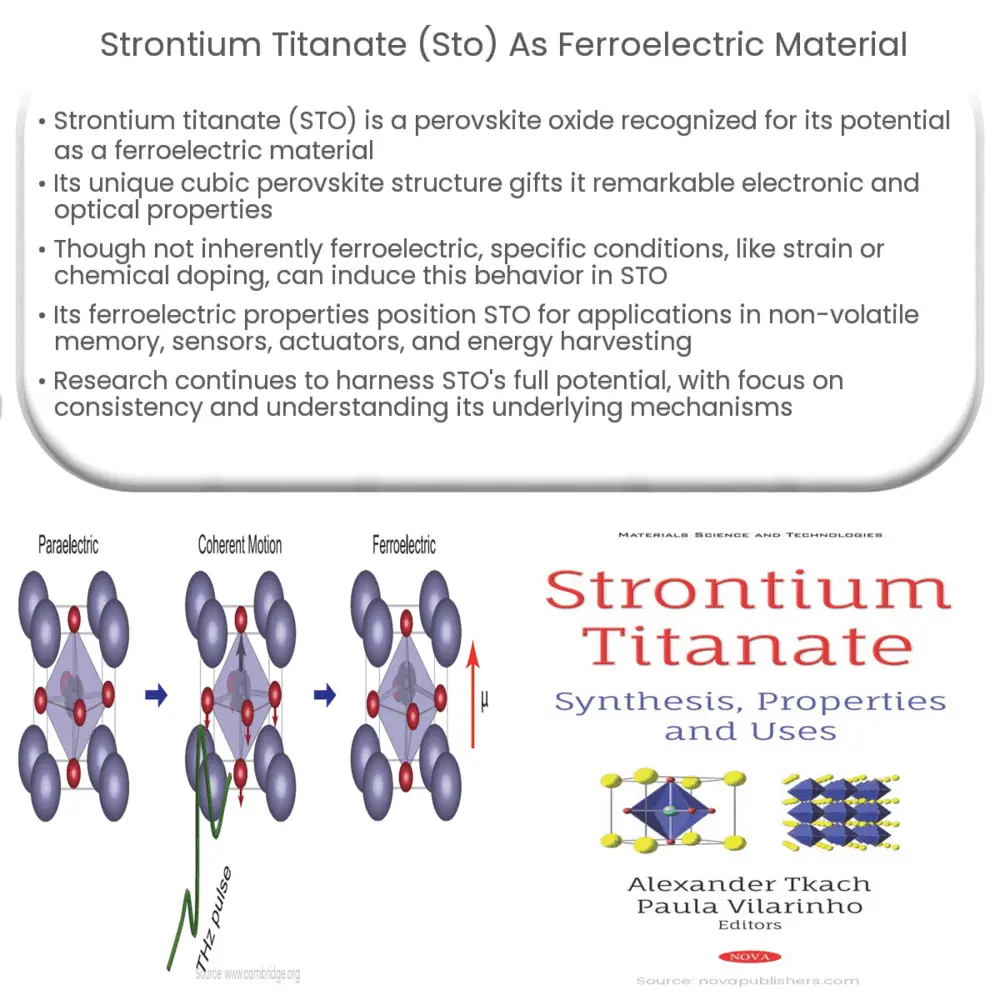
Strontium titanate (STO) is a promising ferroelectric material with applications in non-volatile memory, sensors, actuators, and energy harvesting devices.

The primary purpose of this project is to help the public to learn some exciting and important information about electricity and magnetism.
Our Website follows all legal requirements to protect your privacy. Visit our Privacy Policy page.
The Cookies Statement is part of our Privacy Policy.
The information contained on this website is for general information purposes only. This website does not use any proprietary data. Visit our Editorial note.
It’s simple:
1) You may use almost everything for non-commercial and educational use.
2) You may not distribute or commercially exploit the content, especially on another website.


