
Lead magnesium niobate (PMN) as Ferroelectric Material

Lead magnesium niobate (PMN) is a ferroelectric material known for its high dielectric constant, non-linear properties, and applications in sensors, actuators, and energy storage.
Lead magnesium niobate (PMN) is a ferroelectric material known for its high dielectric constant, non-linear properties, and applications in sensors, actuators, and energy storage.

Barium calcium titanate (BCT) is a ferroelectric material with high dielectric constant, low loss, and excellent piezoelectric properties, used in capacitors, sensors, actuators, and memory devices.
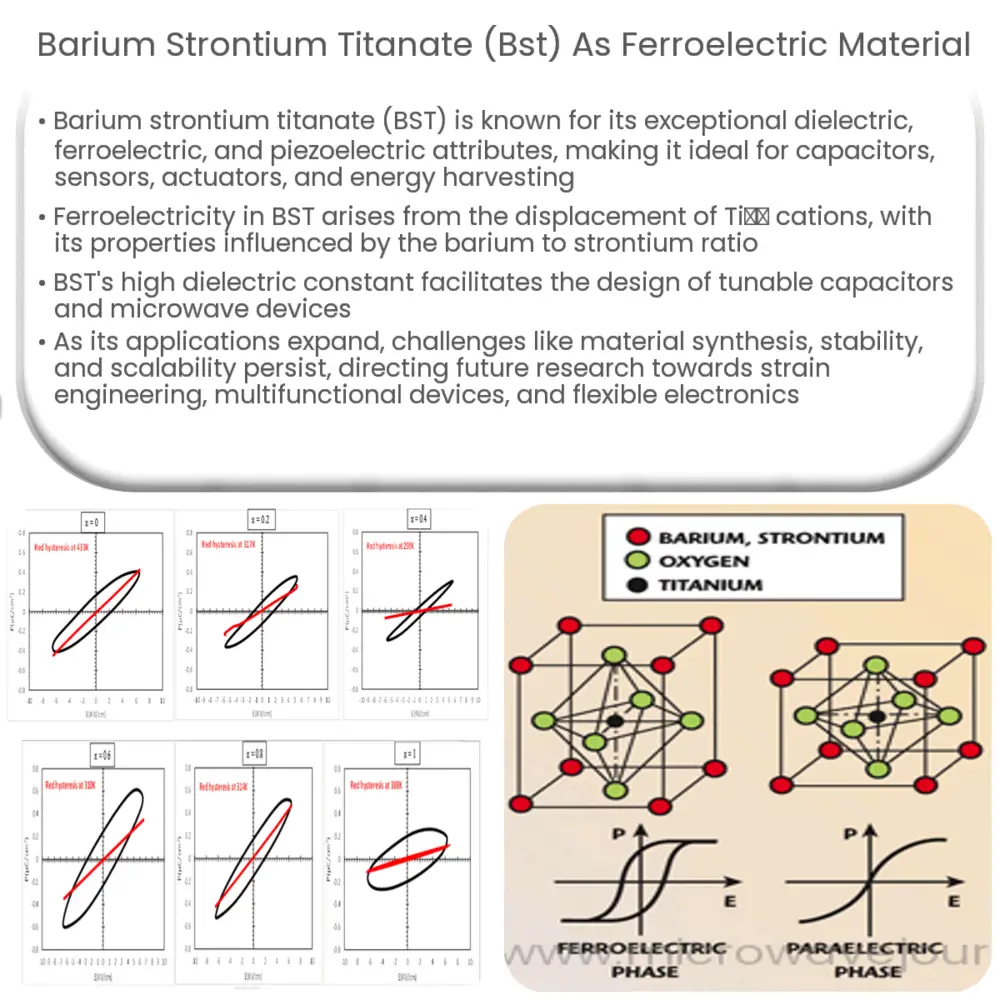
Explore barium strontium titanate (BST) as a ferroelectric material, its properties, applications, challenges, and future research directions.
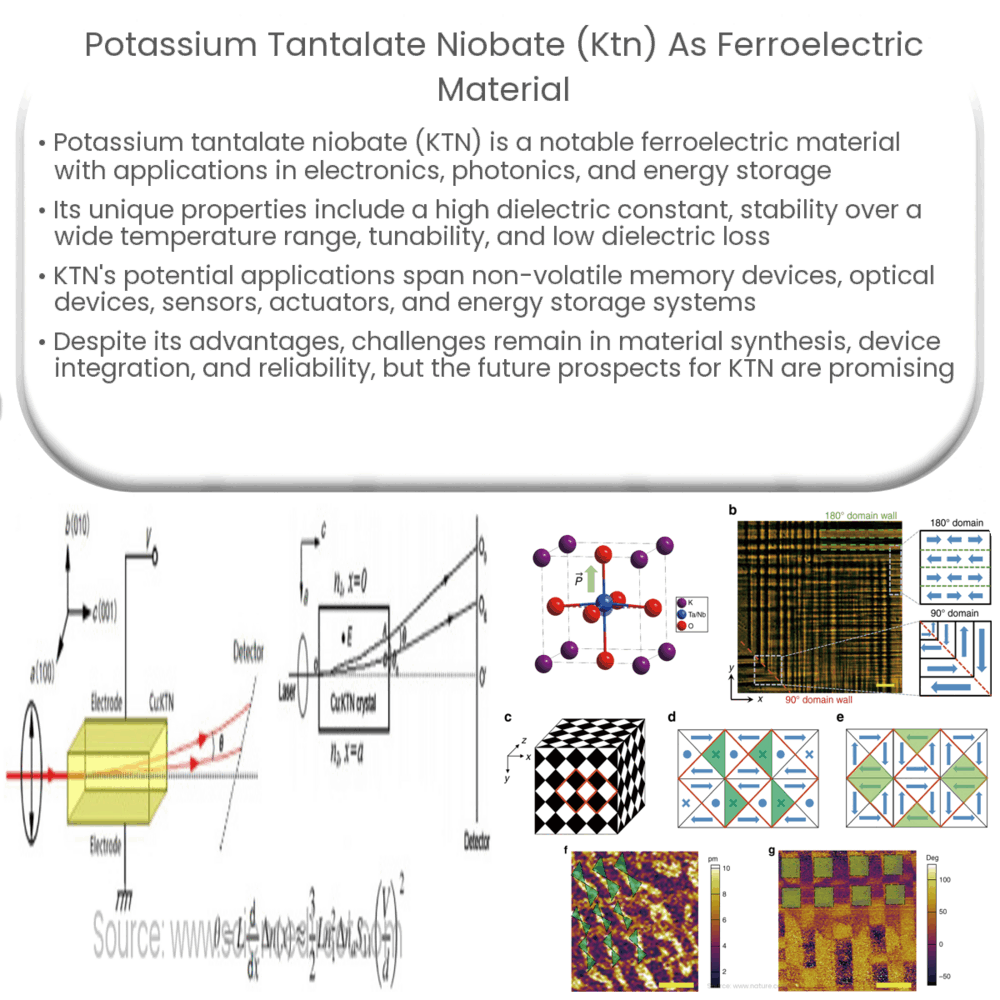
KTN is a versatile ferroelectric material with applications in electronics, photonics, and energy storage, offering unique properties and advantages.
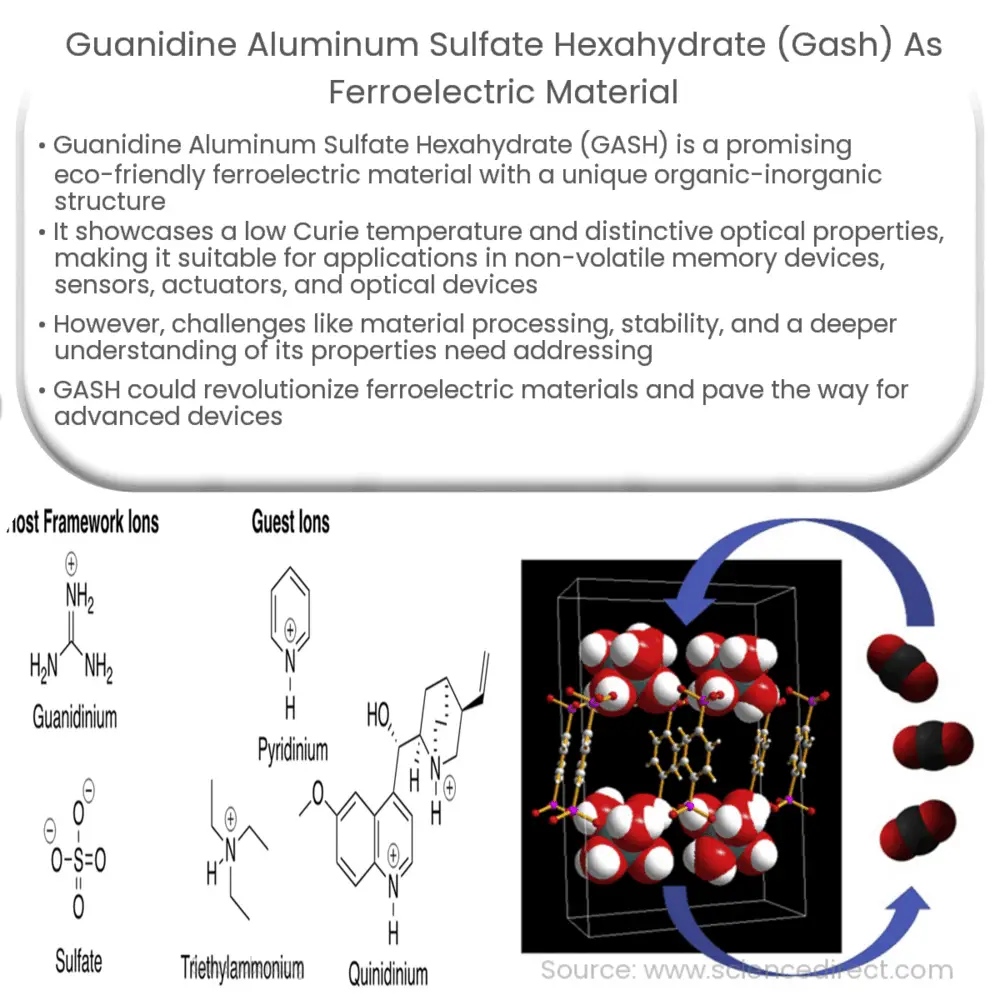
GASH is an eco-friendly ferroelectric material with a low Curie temperature and unique optical properties, ideal for memory devices, sensors, and optical applications.

Explore VDF-TrFE copolymers as promising ferroelectric materials for energy harvesting, flexible electronics, biomedical devices, and non-volatile memories.

Explore the fundamentals of sockets in computer networking, their types, states, and role in network programming.
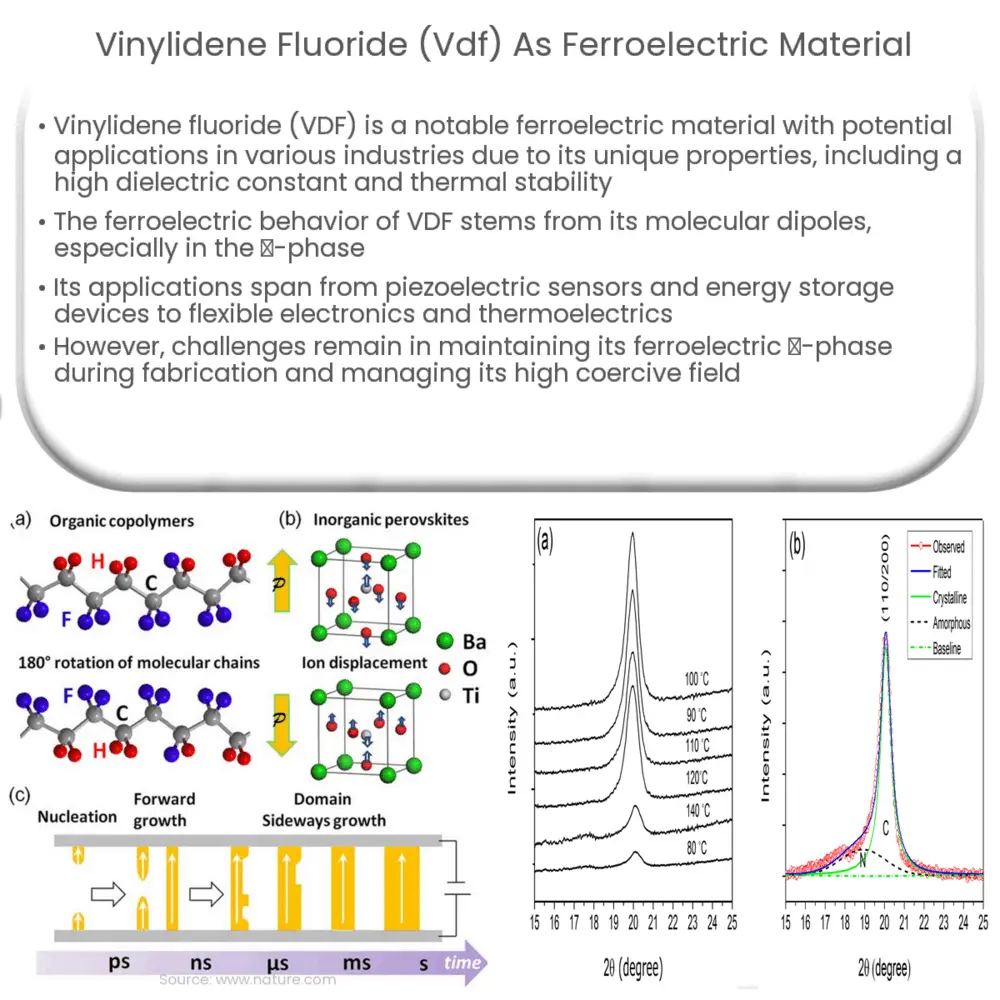
Vinylidene fluoride (VDF) is a versatile ferroelectric material with potential applications in sensors, actuators, energy storage, and flexible electronics.

Potassium sodium niobate (KNN) is a lead-free ferroelectric material with excellent piezoelectric properties, used in sensors, actuators, and energy harvesting devices.
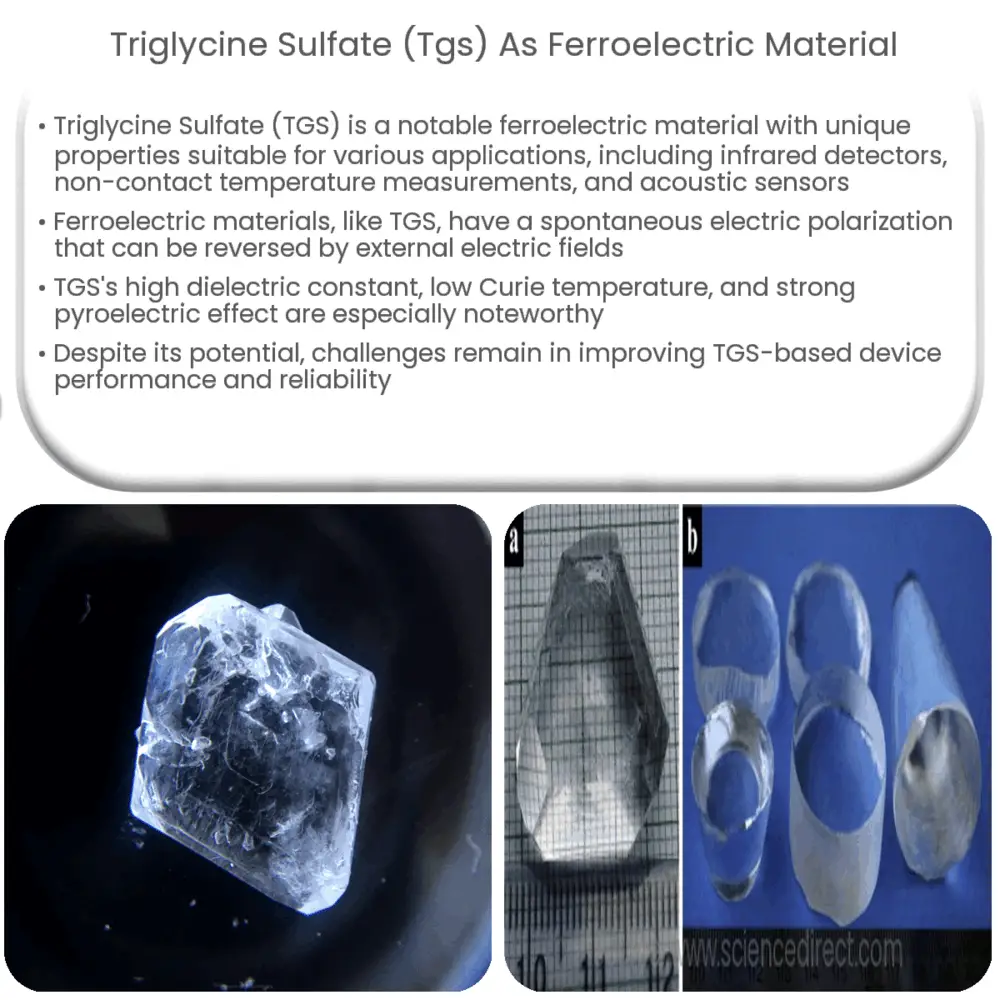
Triglycine Sulfate (TGS) is a promising ferroelectric material with applications in infrared detectors, temperature measurement, acoustic sensors, and non-volatile memory devices.

The primary purpose of this project is to help the public to learn some exciting and important information about electricity and magnetism.
Our Website follows all legal requirements to protect your privacy. Visit our Privacy Policy page.
The Cookies Statement is part of our Privacy Policy.
The information contained on this website is for general information purposes only. This website does not use any proprietary data. Visit our Editorial note.
It’s simple:
1) You may use almost everything for non-commercial and educational use.
2) You may not distribute or commercially exploit the content, especially on another website.


