
What is the role of a capacitor in a rectifier circuit?
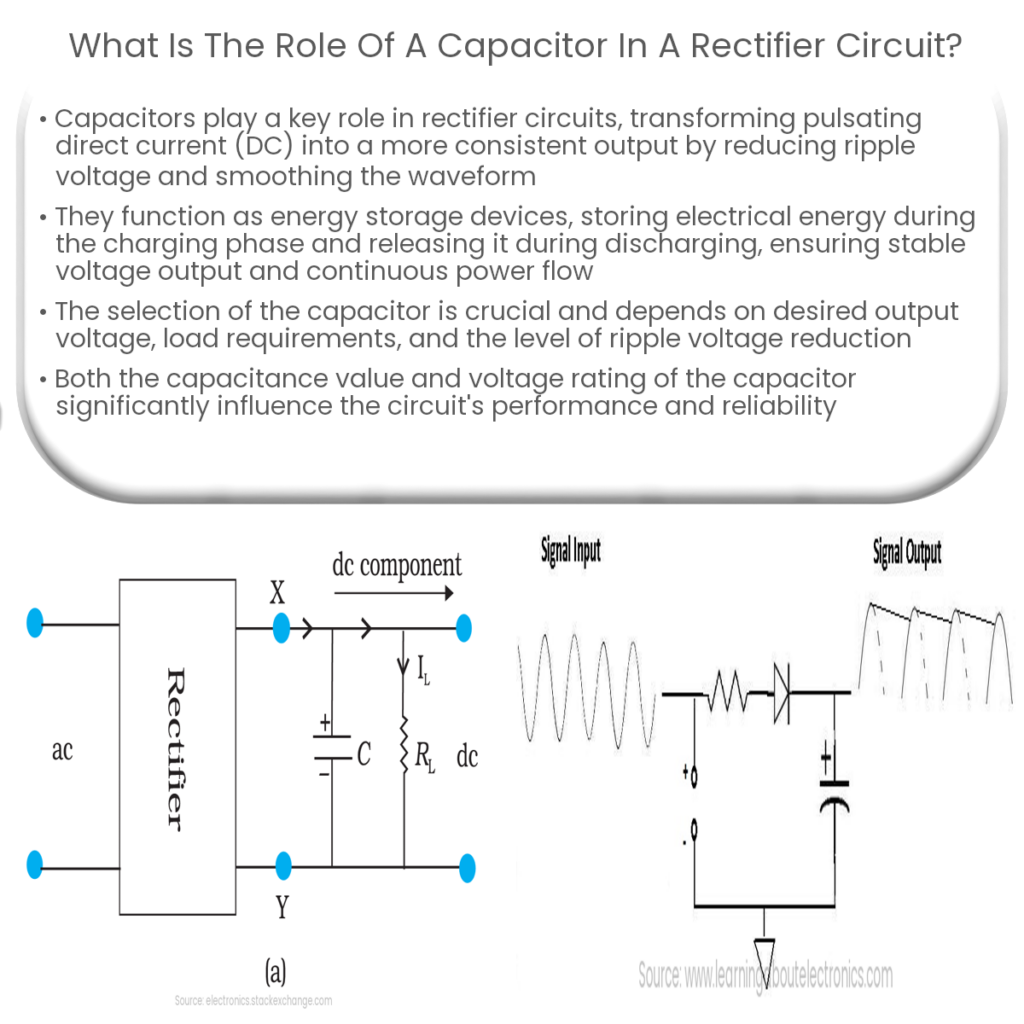
A capacitor in a rectifier circuit smooths the pulsating DC output, reduces ripple voltage, and provides continuous power to the load.
A capacitor in a rectifier circuit smooths the pulsating DC output, reduces ripple voltage, and provides continuous power to the load.
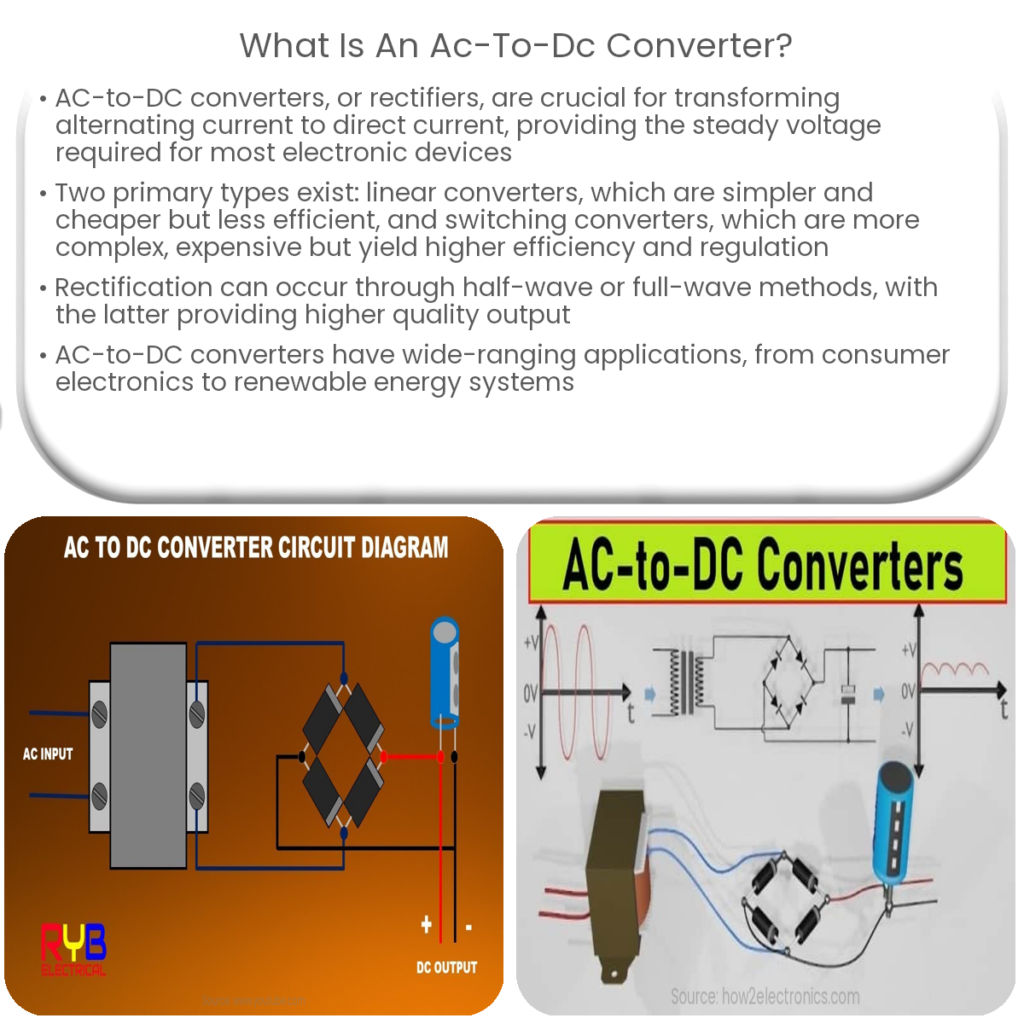
An AC-to-DC converter, or rectifier, is an electronic device that converts alternating current (AC) input to direct current (DC) output for device operation.
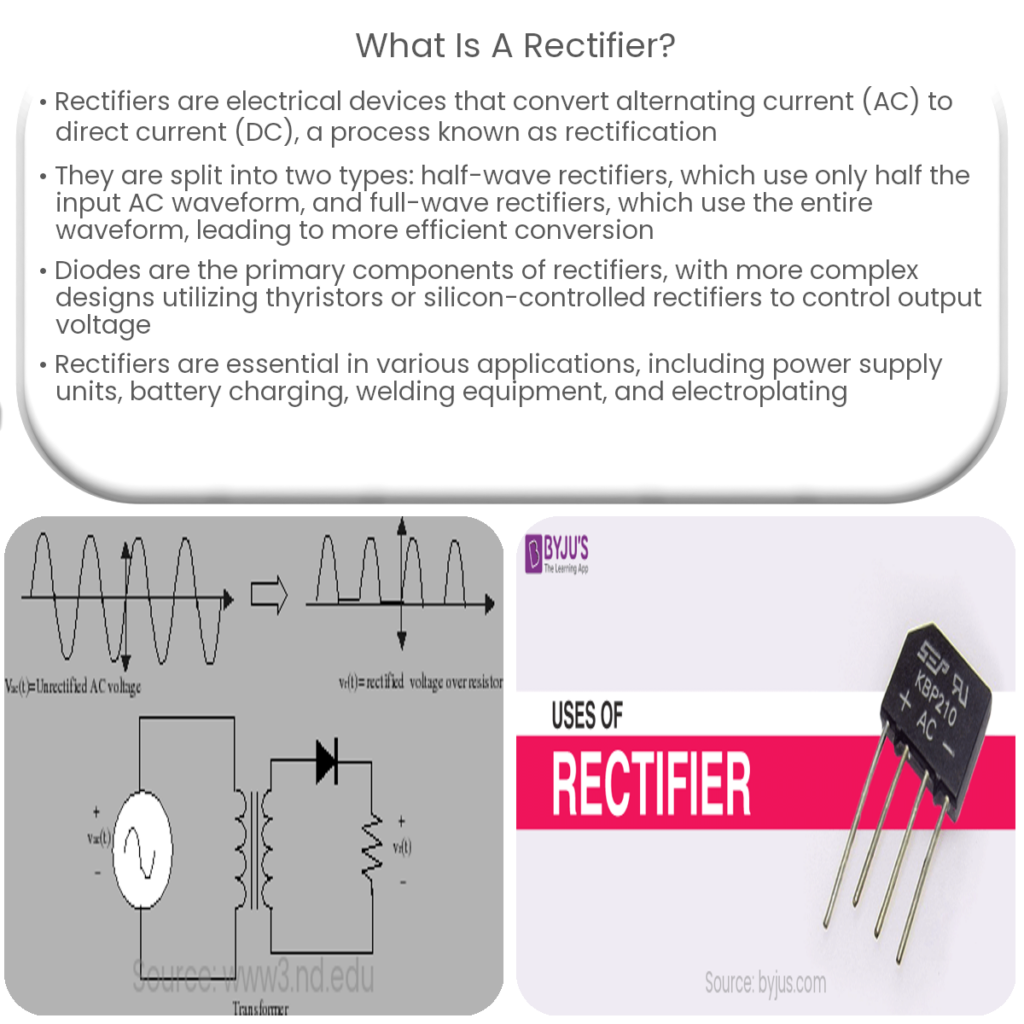
A rectifier is an electrical device that converts alternating current (AC) to direct current (DC), used in power supplies, battery charging, and more.
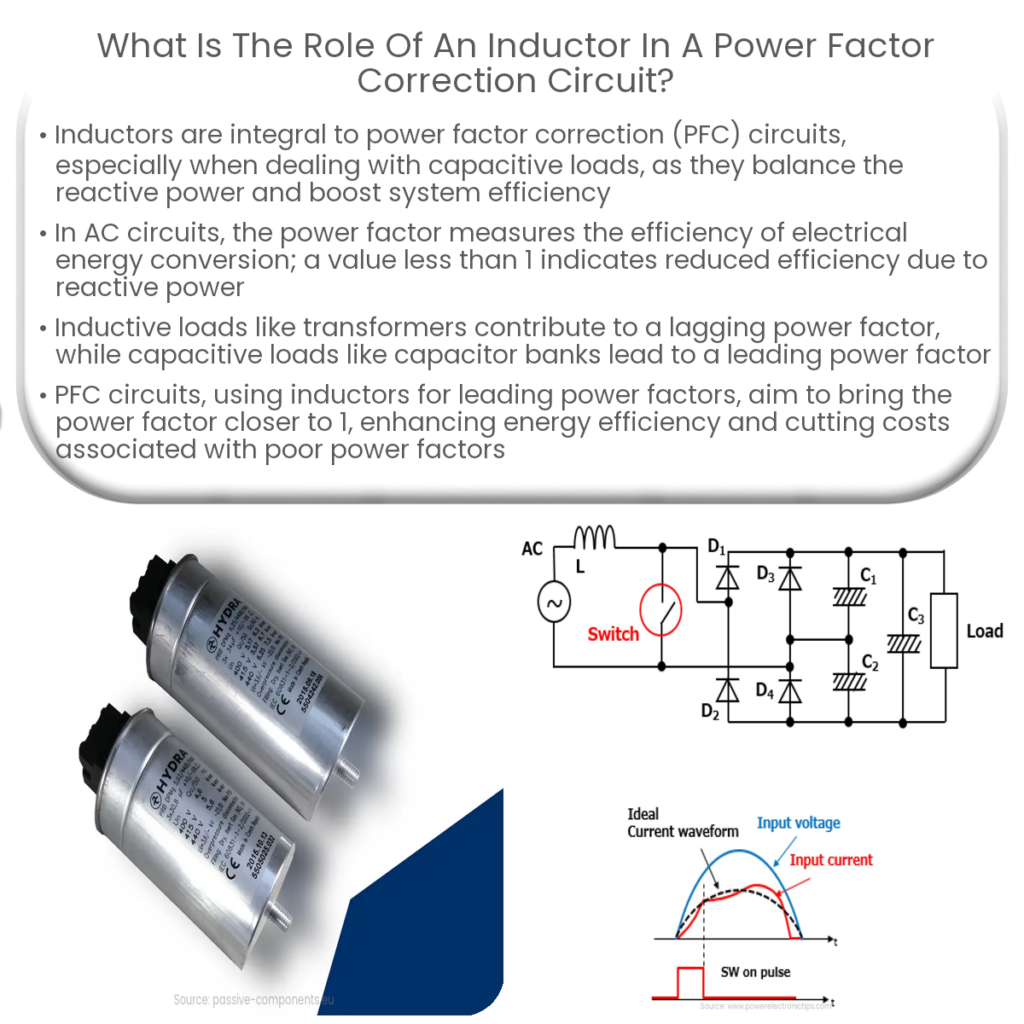
Inductors in power factor correction circuits balance reactive power in capacitive loads, improving efficiency and reducing costs associated with poor power factors.
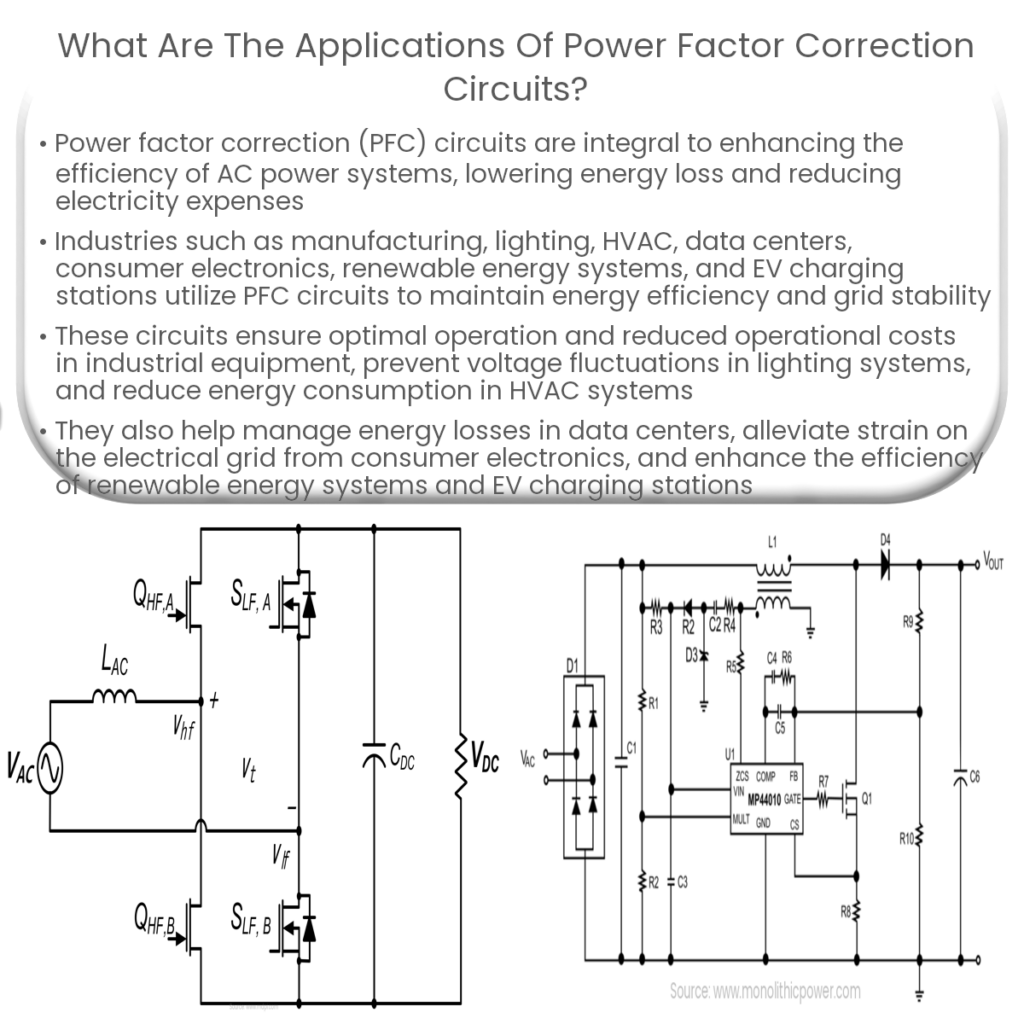
Power factor correction circuits are used in industrial equipment, lighting, HVAC systems, data centers, consumer electronics, renewable energy systems, and EV charging stations.
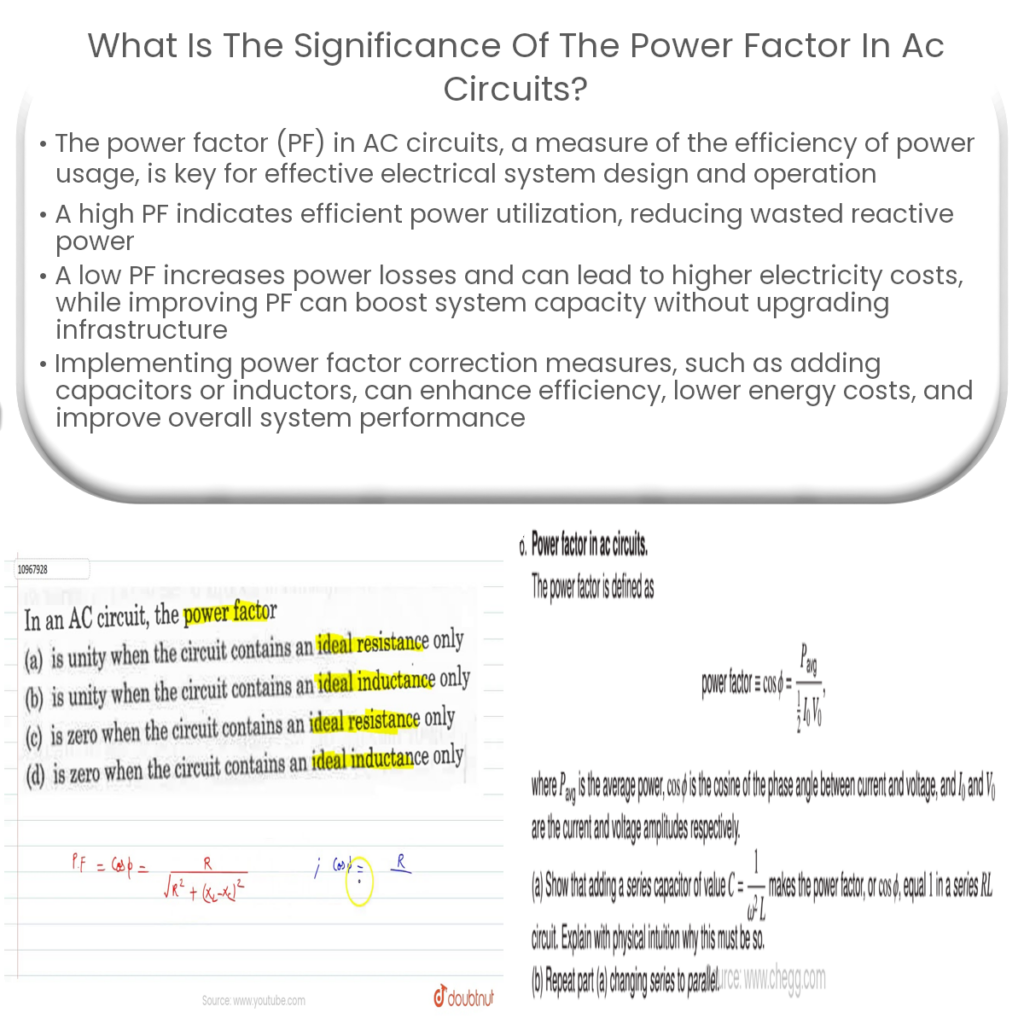
The power factor is significant in AC circuits as it affects energy efficiency, power losses, costs, system capacity, and equipment lifespan.
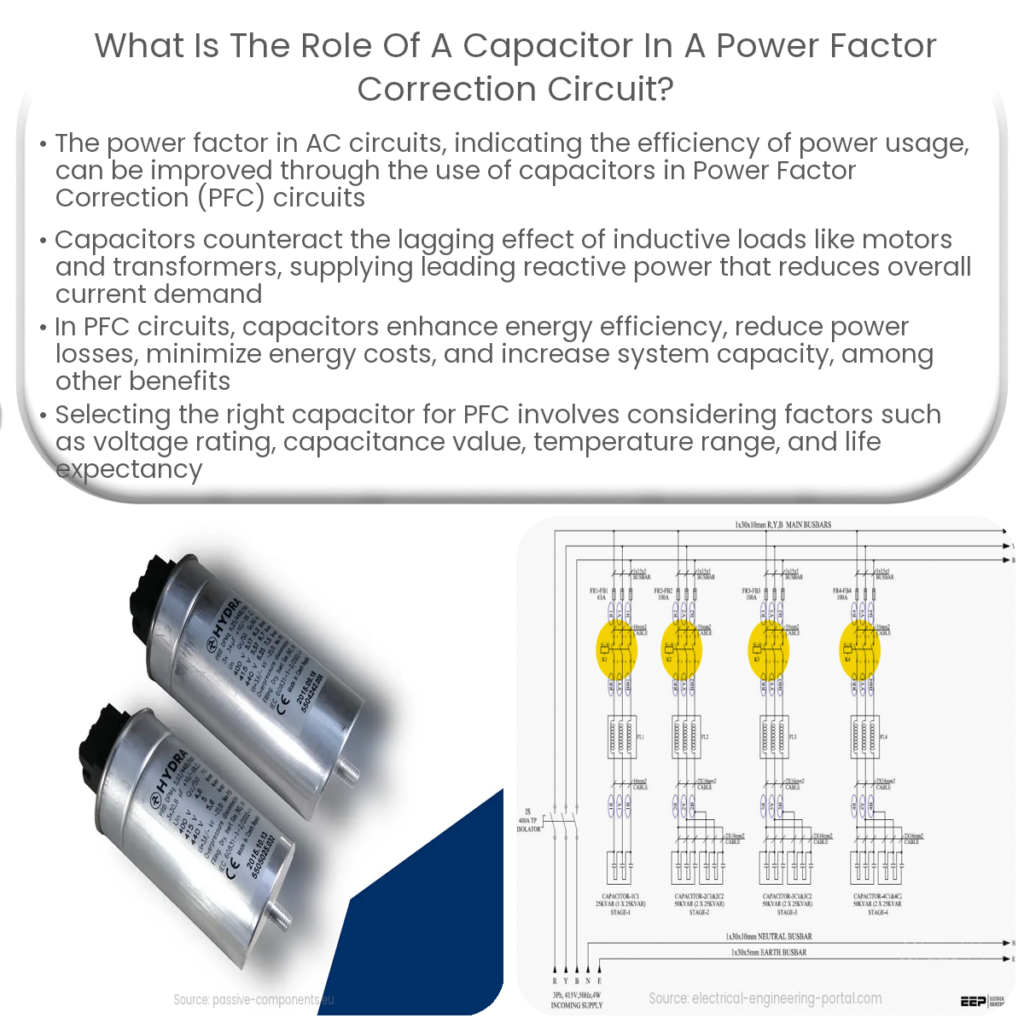
Capacitors in power factor correction circuits provide leading reactive power, counteracting inductive loads, improving energy efficiency, and reducing costs.

Power factor is the ratio of real power to apparent power in an AC circuit, indicating the efficiency of power usage and ranging between -1 and 1.
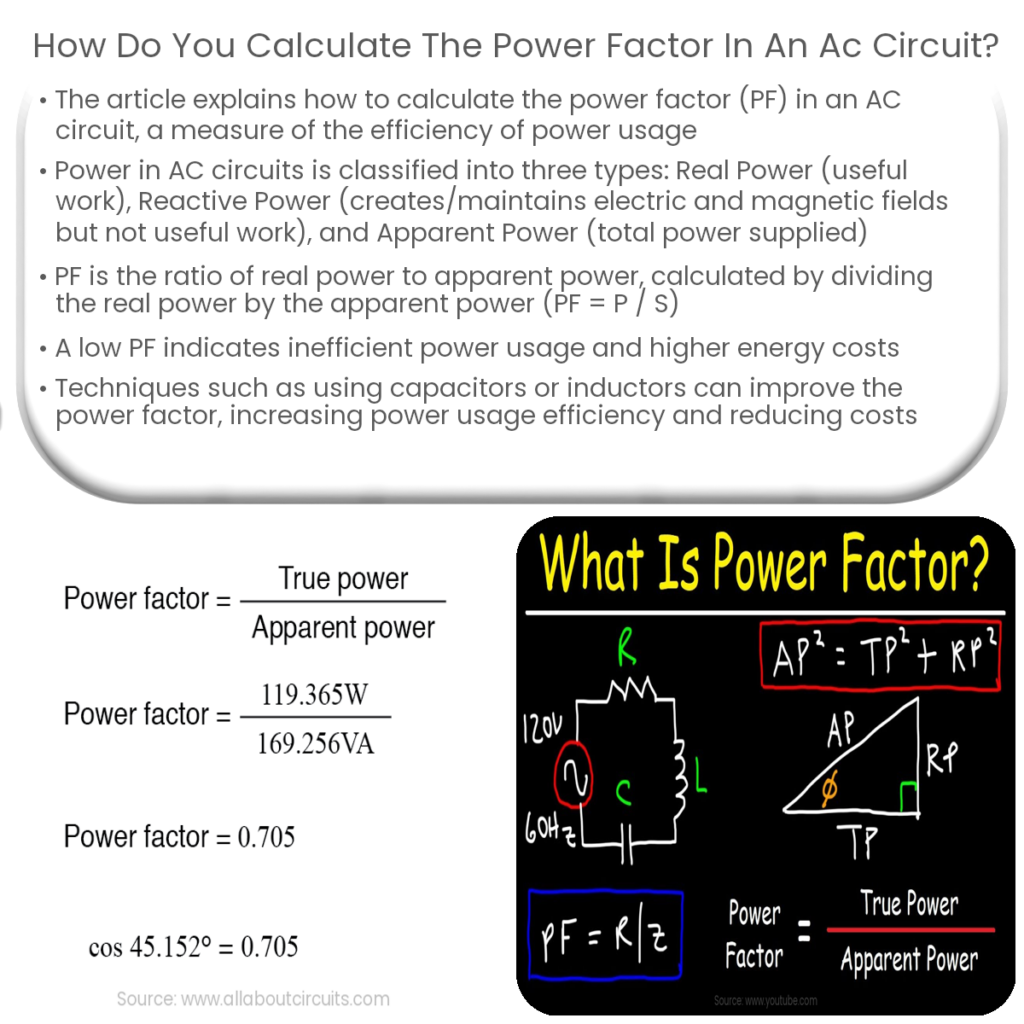
To calculate the power factor in an AC circuit, divide the real power (P) by the apparent power (S). It is represented as PF = P / S.
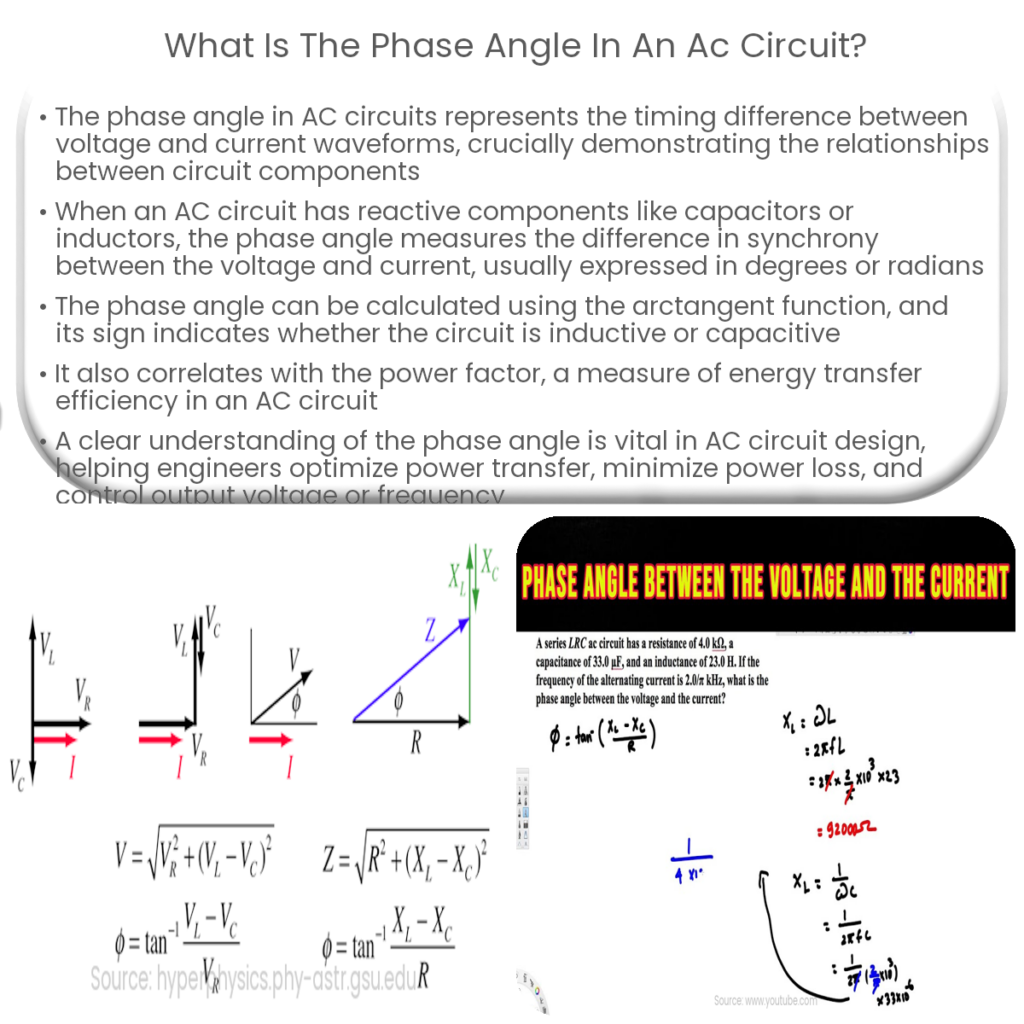
The phase angle in an AC circuit represents the timing difference between voltage and current waveforms, typically caused by reactive components.

The primary purpose of this project is to help the public to learn some exciting and important information about electricity and magnetism.
Our Website follows all legal requirements to protect your privacy. Visit our Privacy Policy page.
The Cookies Statement is part of our Privacy Policy.
The information contained on this website is for general information purposes only. This website does not use any proprietary data. Visit our Editorial note.
It’s simple:
1) You may use almost everything for non-commercial and educational use.
2) You may not distribute or commercially exploit the content, especially on another website.
