How do you calculate the phase angle between voltage and current in an AC circuit?
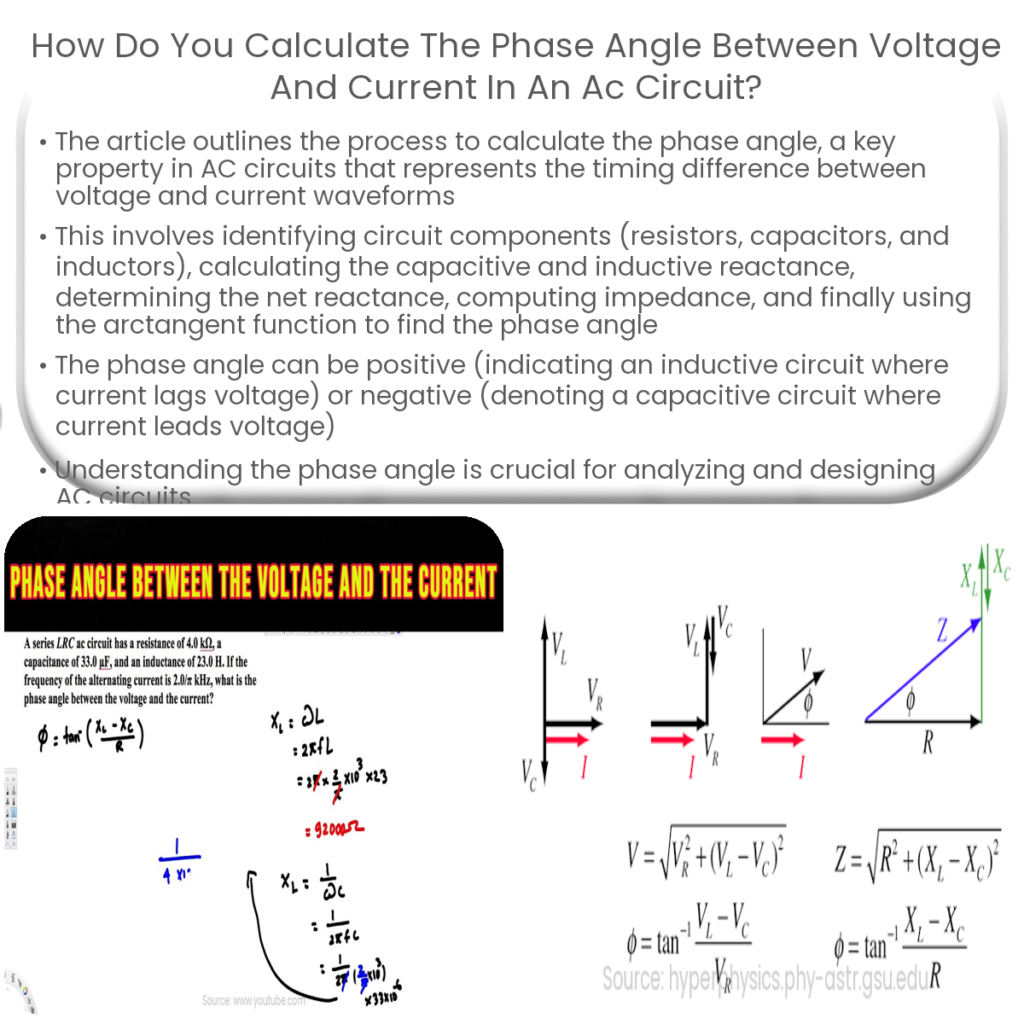
Calculate the phase angle in an AC circuit by finding net reactance, impedance, and using the arctangent function: θ = arctan(X / R). Convert to degrees.
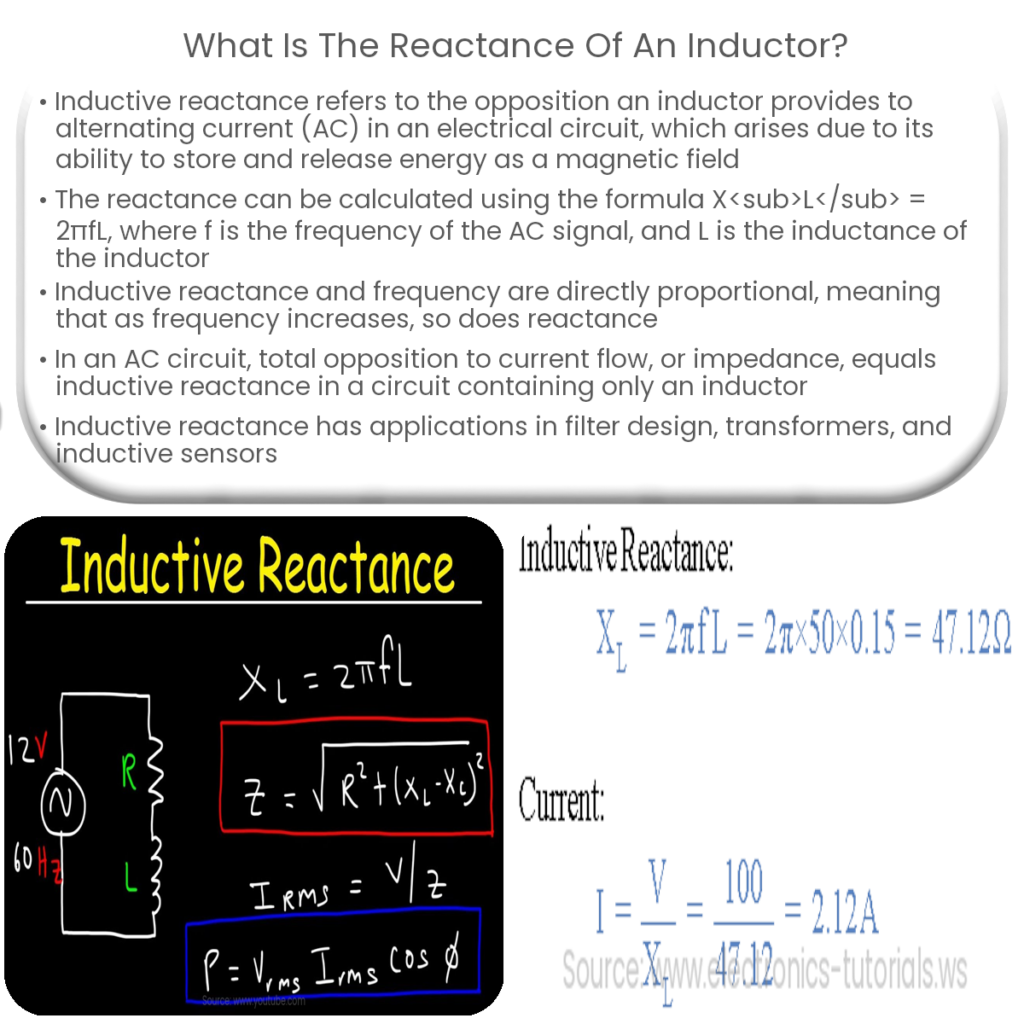
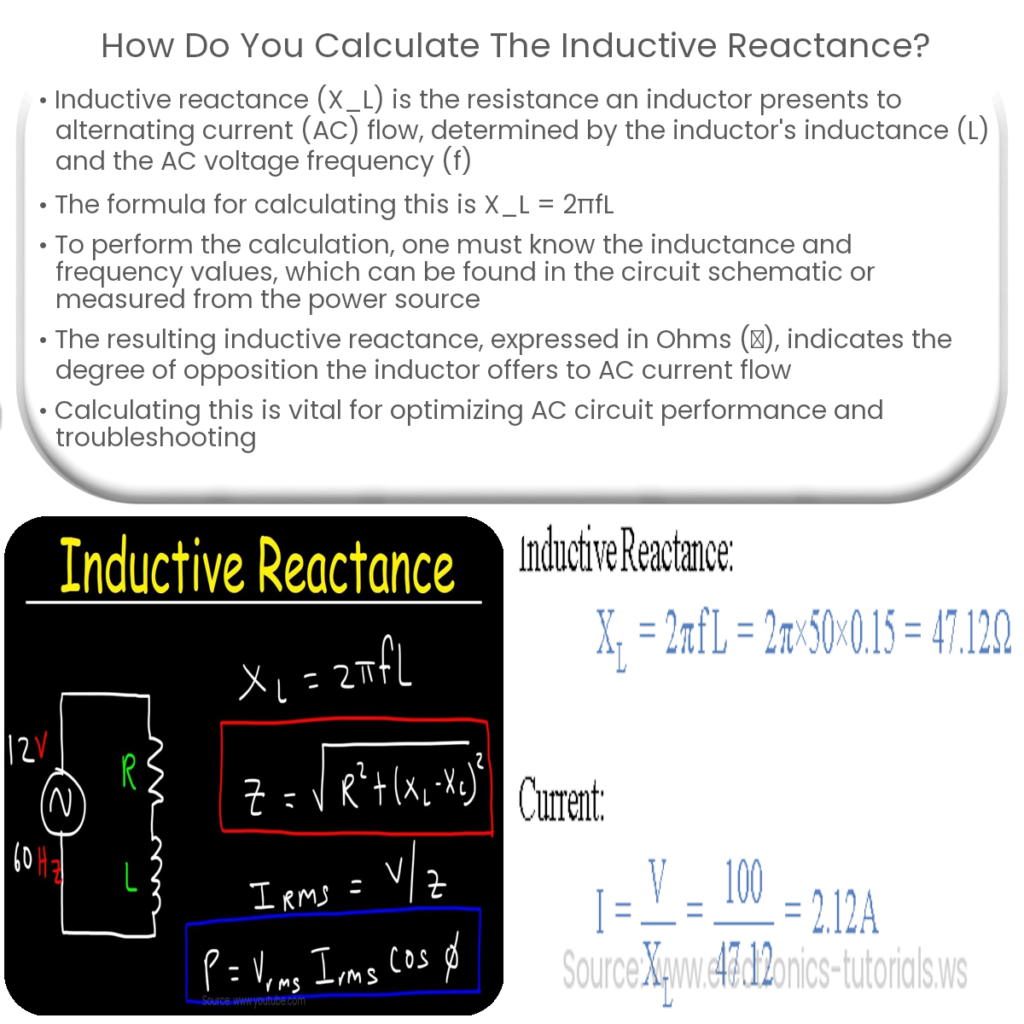
Inductive reactance is the opposition an inductor provides to AC current flow. Calculate it using the formula: Xₗ = 2πfL, where f is frequency, L is inductance.
To calculate inductive reactance, use the formula Xₗ = 2πfL, where Xₗ is the inductive reactance, f is the frequency, and L is the inductor’s inductance.
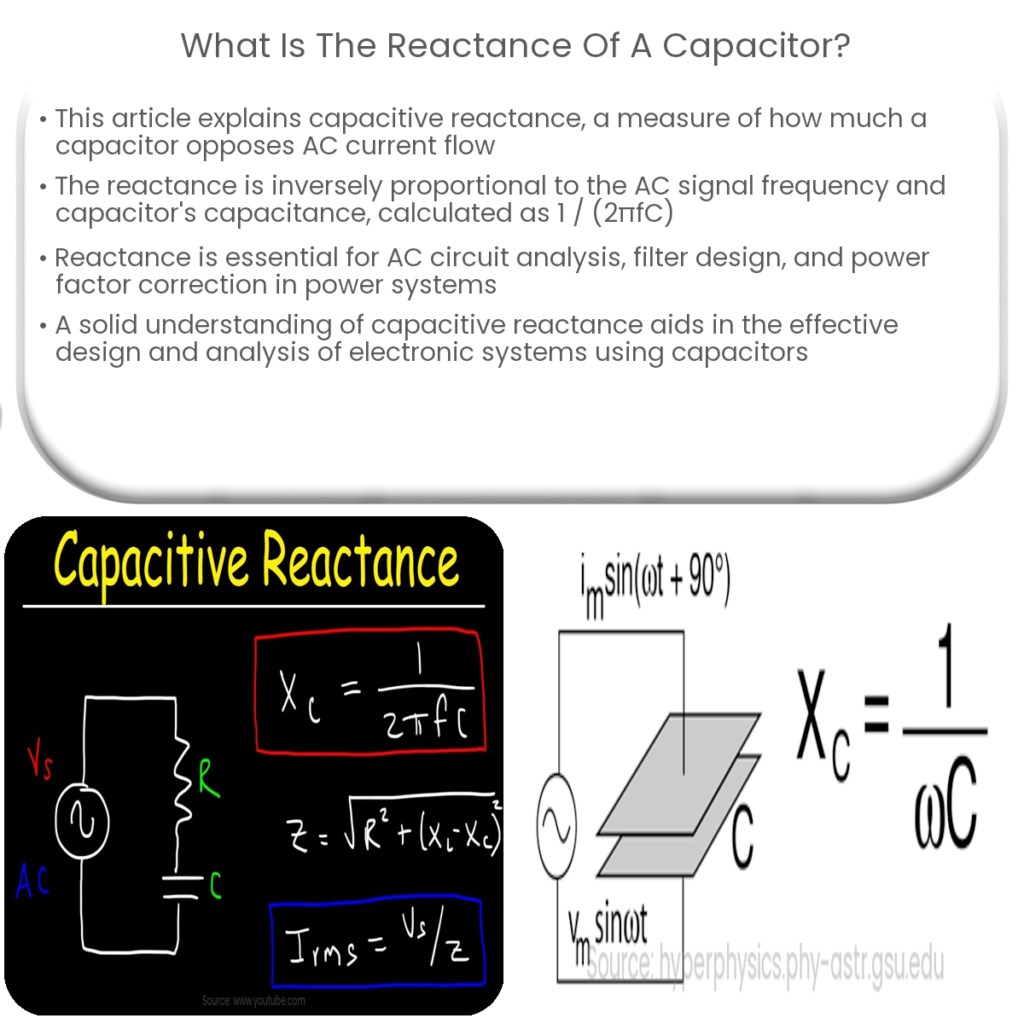
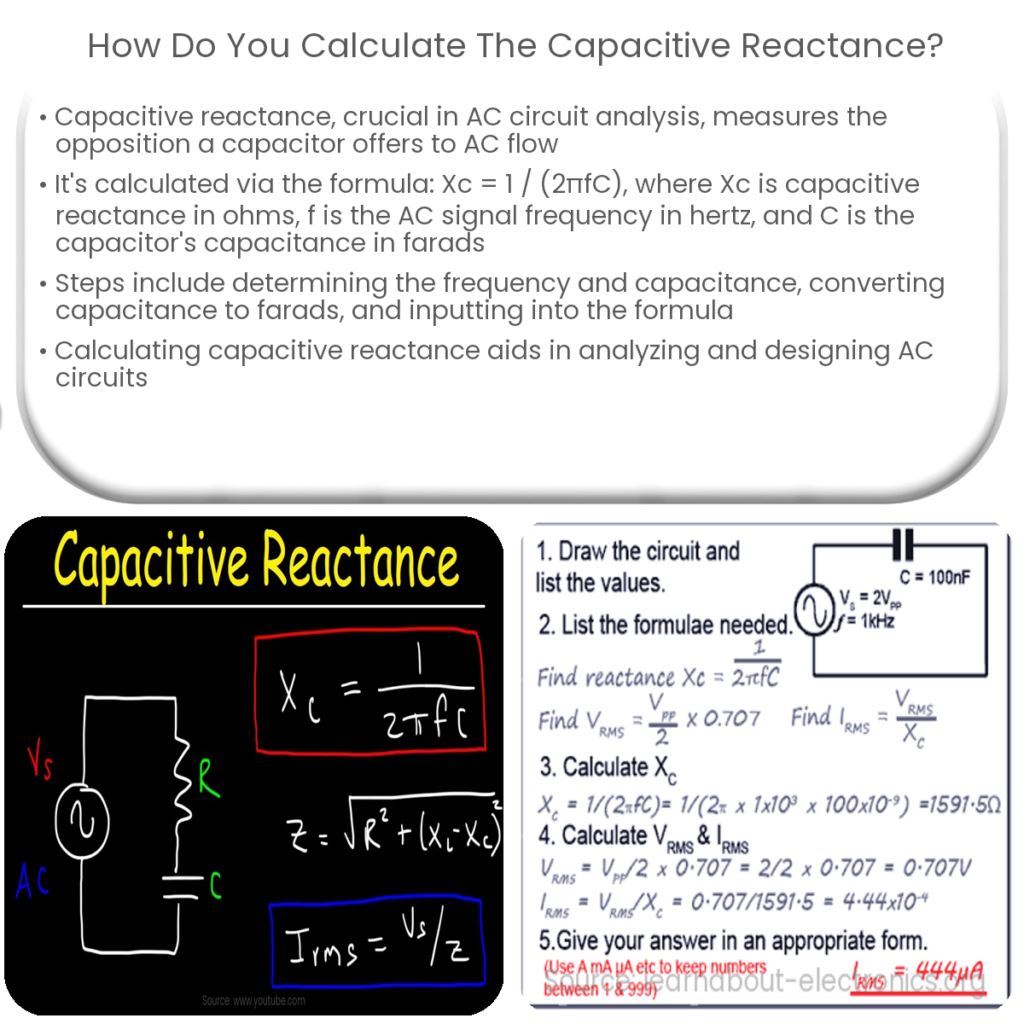
Capacitive reactance is a measure of how a capacitor opposes AC current flow, calculated as Xc = 1 / (2πfC), where f is frequency and C is capacitance.
Capacitive reactance can be calculated using the formula Xc = 1 / (2πfC), where Xc is the reactance, f is the frequency, and C is the capacitance.
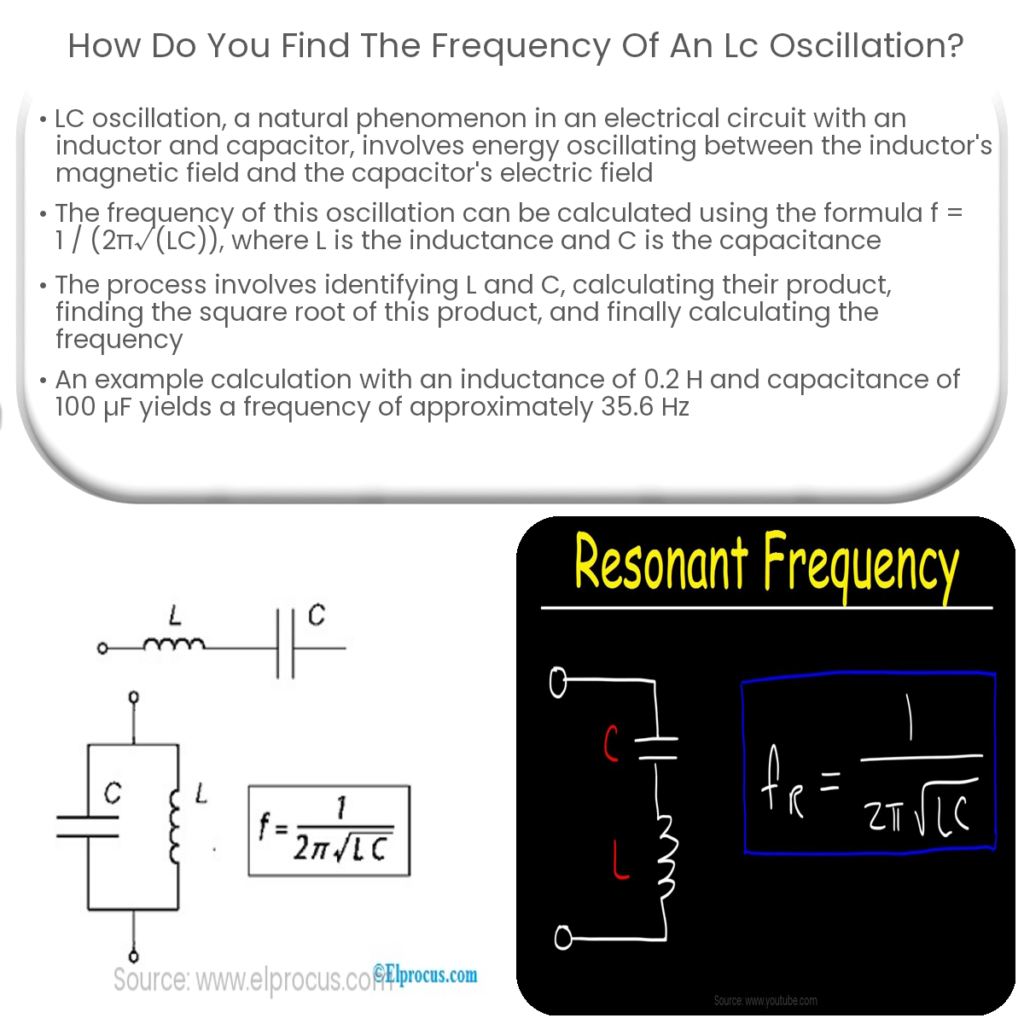
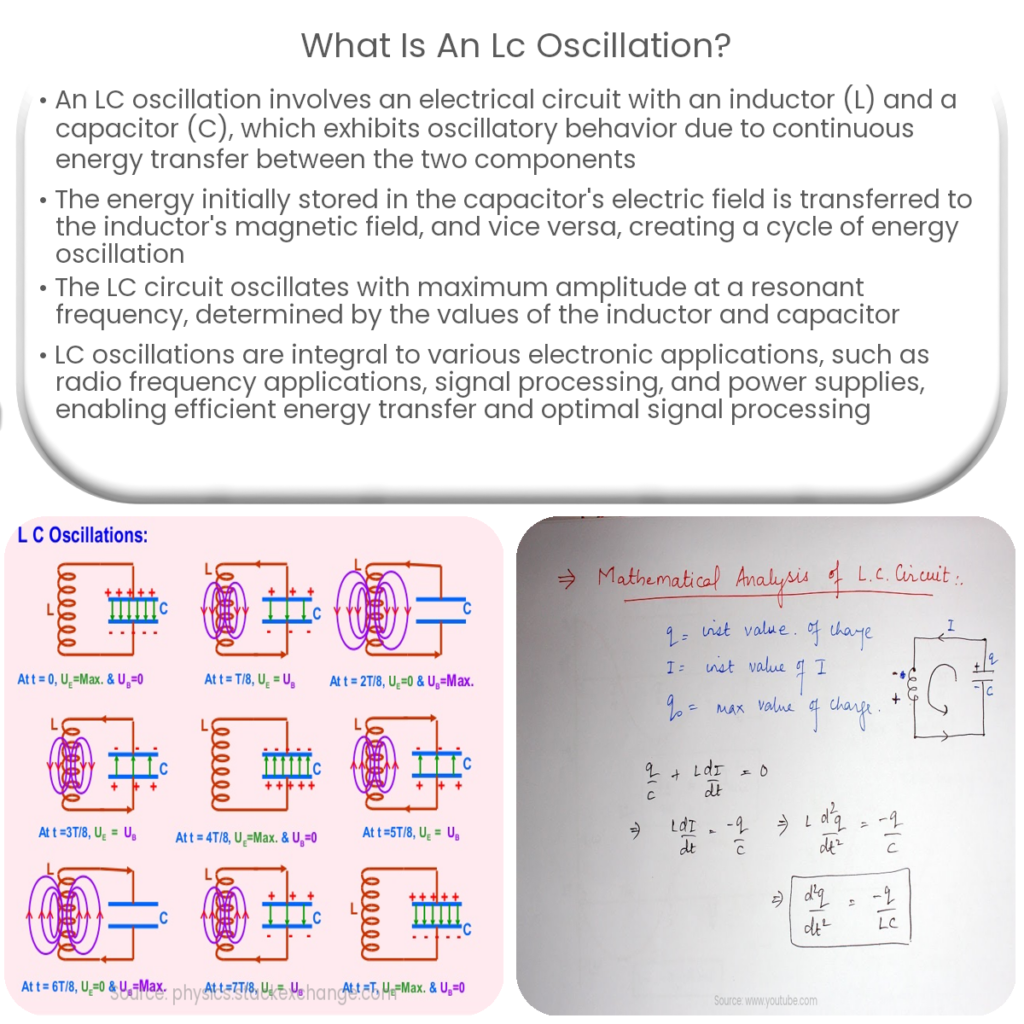
To find the frequency of an LC oscillation, use the formula f = 1 / (2π√(LC)), where L is inductance and C is capacitance. Calculate accordingly.
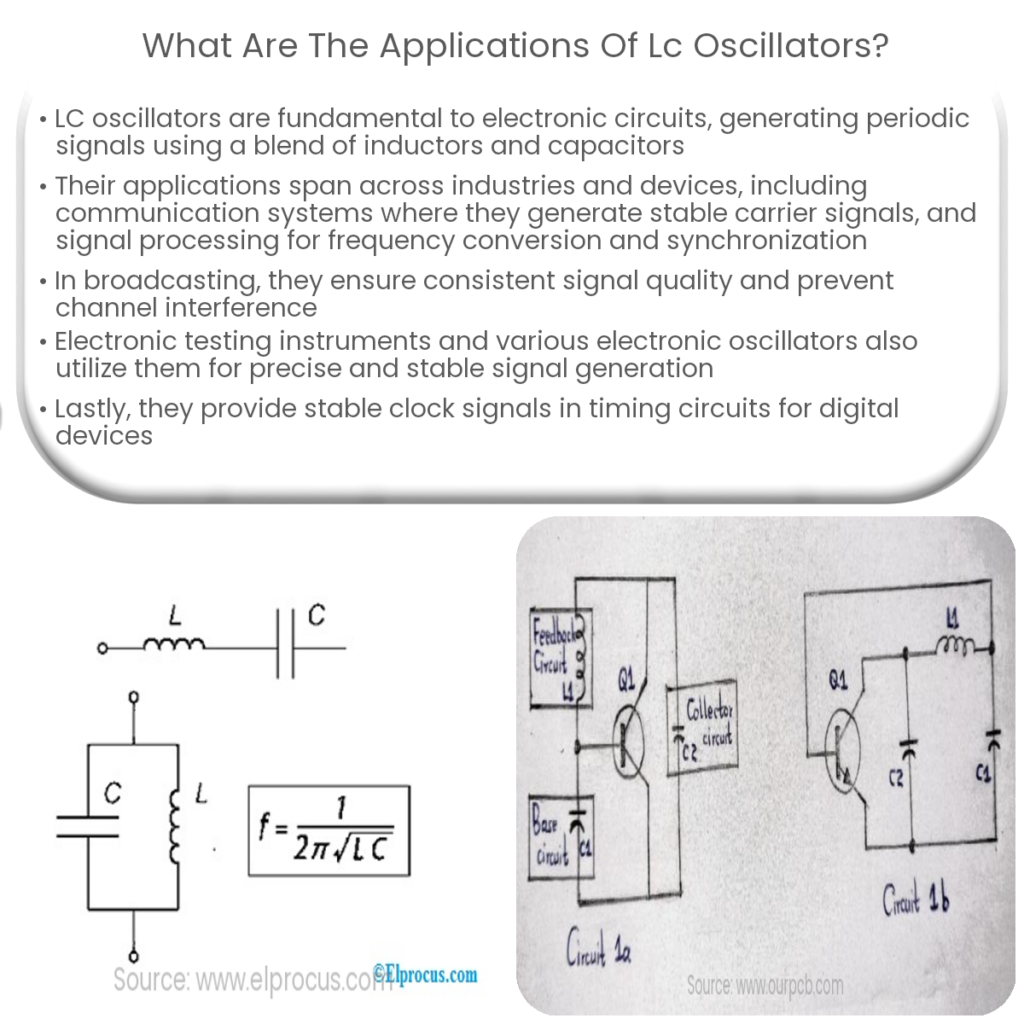
LC oscillators are used in communication systems, signal processing, broadcasting, test equipment, electronic oscillators, and timing circuits.
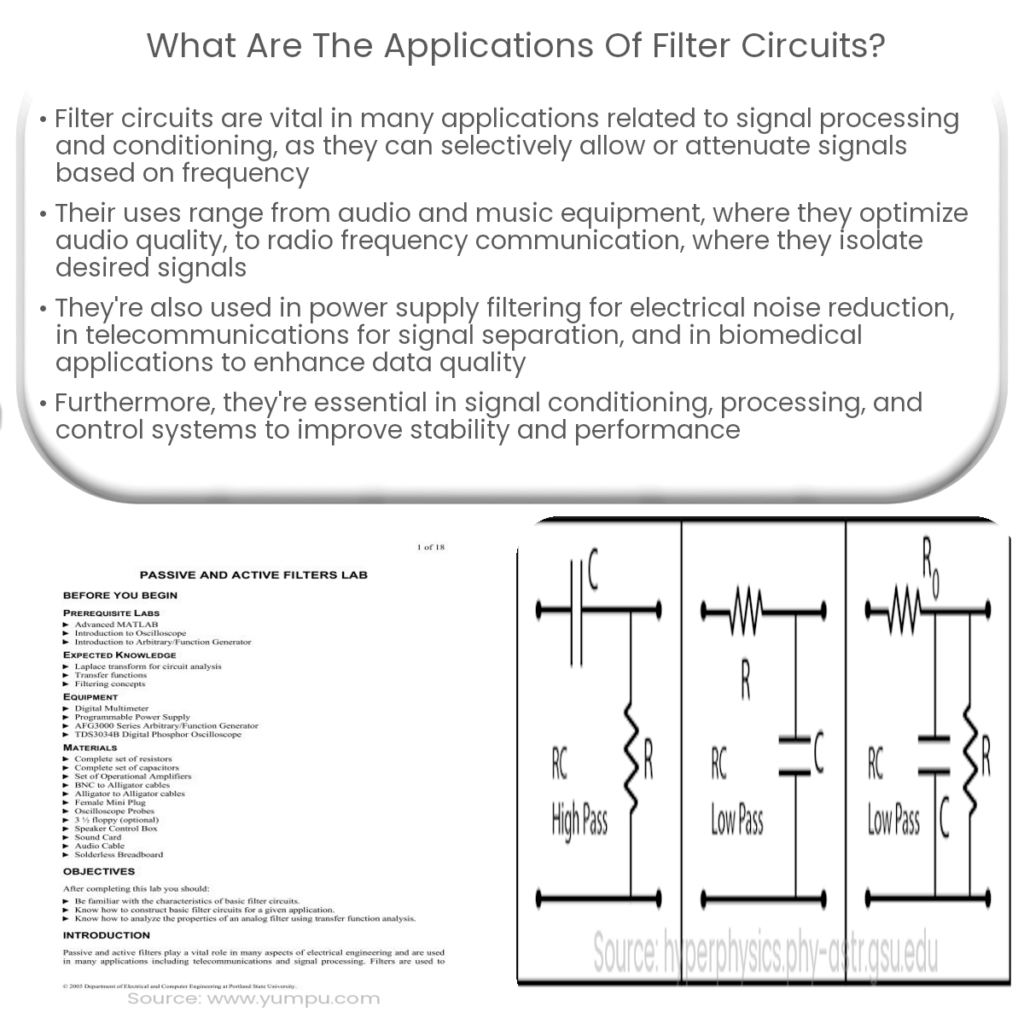
Filter circuits are used in audio equipment, RF communication, power supplies, telecommunications, biomedical applications, signal processing, and control systems.
An LC oscillation is an electrical circuit with an inductor and capacitor that exhibits oscillatory behavior, transferring energy between components.
Capacitors affect filter frequency response by allowing specific frequency ranges to pass or be attenuated based on their frequency-dependent impedance.

The primary purpose of this project is to help the public to learn some exciting and important information about electricity and magnetism.
Our Website follows all legal requirements to protect your privacy. Visit our Privacy Policy page.
The Cookies Statement is part of our Privacy Policy.
The information contained on this website is for general information purposes only. This website does not use any proprietary data. Visit our Editorial note.
It’s simple:
1) You may use almost everything for non-commercial and educational use.
2) You may not distribute or commercially exploit the content, especially on another website.