
What are the consequences of a low power factor in an electrical system?
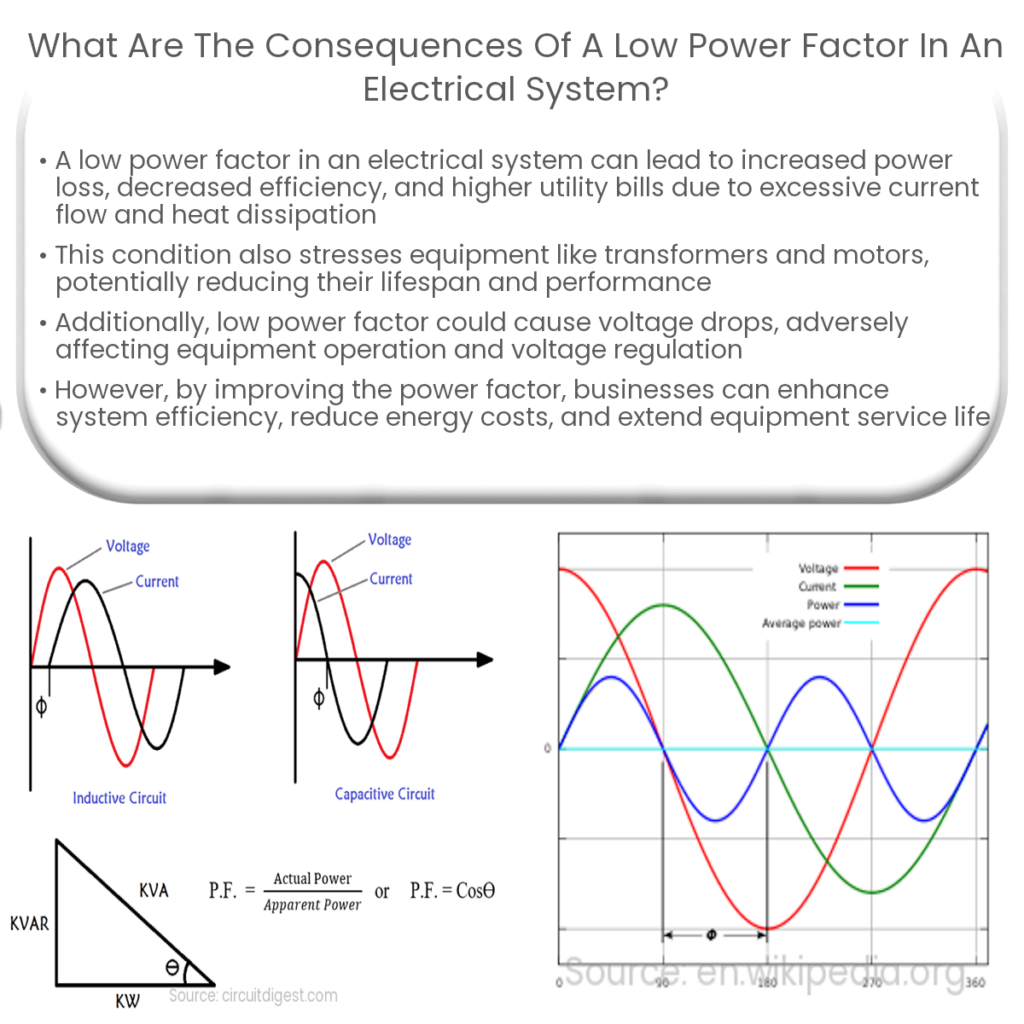
A low power factor leads to increased power loss, reduced efficiency, equipment stress, higher utility costs, and voltage regulation issues.
A low power factor leads to increased power loss, reduced efficiency, equipment stress, higher utility costs, and voltage regulation issues.
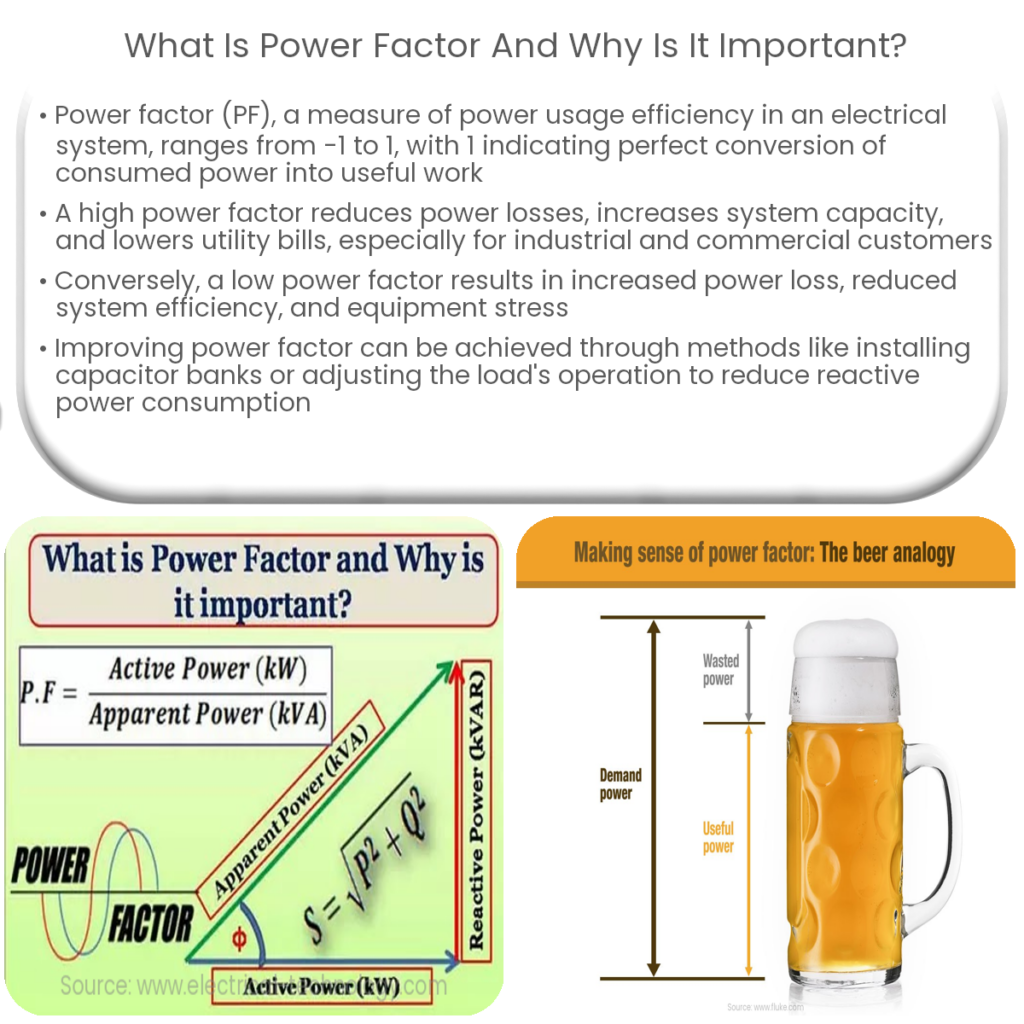
Power factor is the efficiency of power usage in an electrical system, affecting power losses, system capacity, and utility bills.
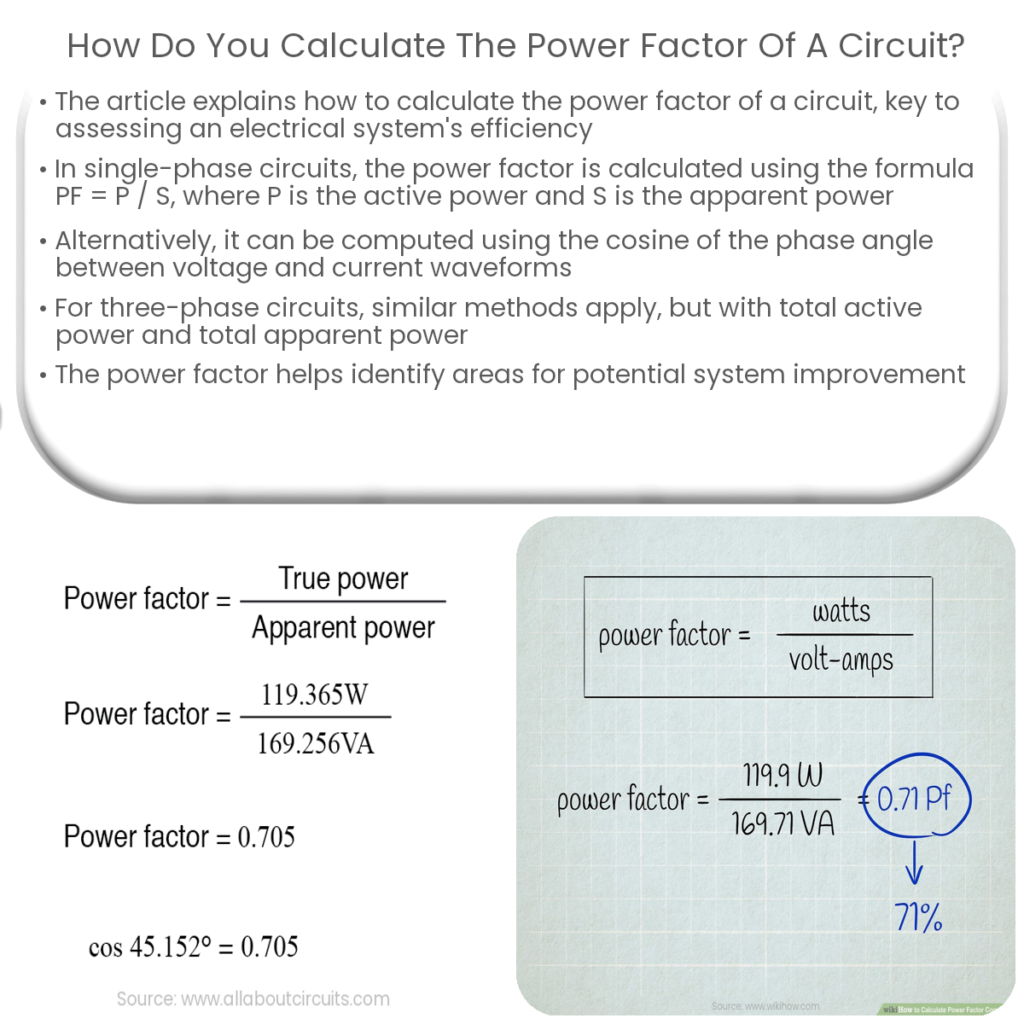
In single-phase circuits, calculate PF using PF = P/S or PF = cos(θ). In three-phase circuits, use PF = P_total/S_total or PF = cos(θ).
Active power performs work, reactive power maintains magnetic/electric fields, and apparent power is the total power drawn by a load.
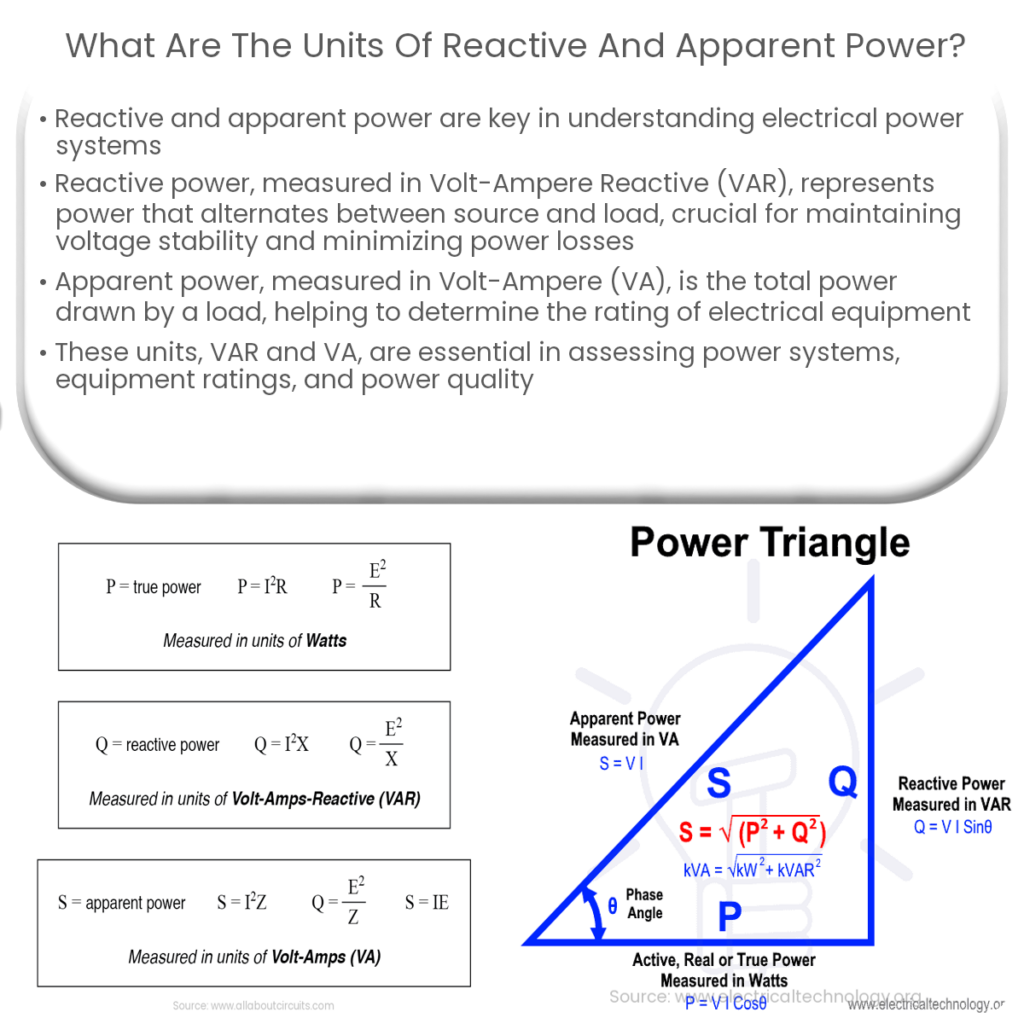
The unit for reactive power is Volt-Ampere Reactive (VAR), and the unit for apparent power is Volt-Ampere (VA). Both are vital in power system analysis.
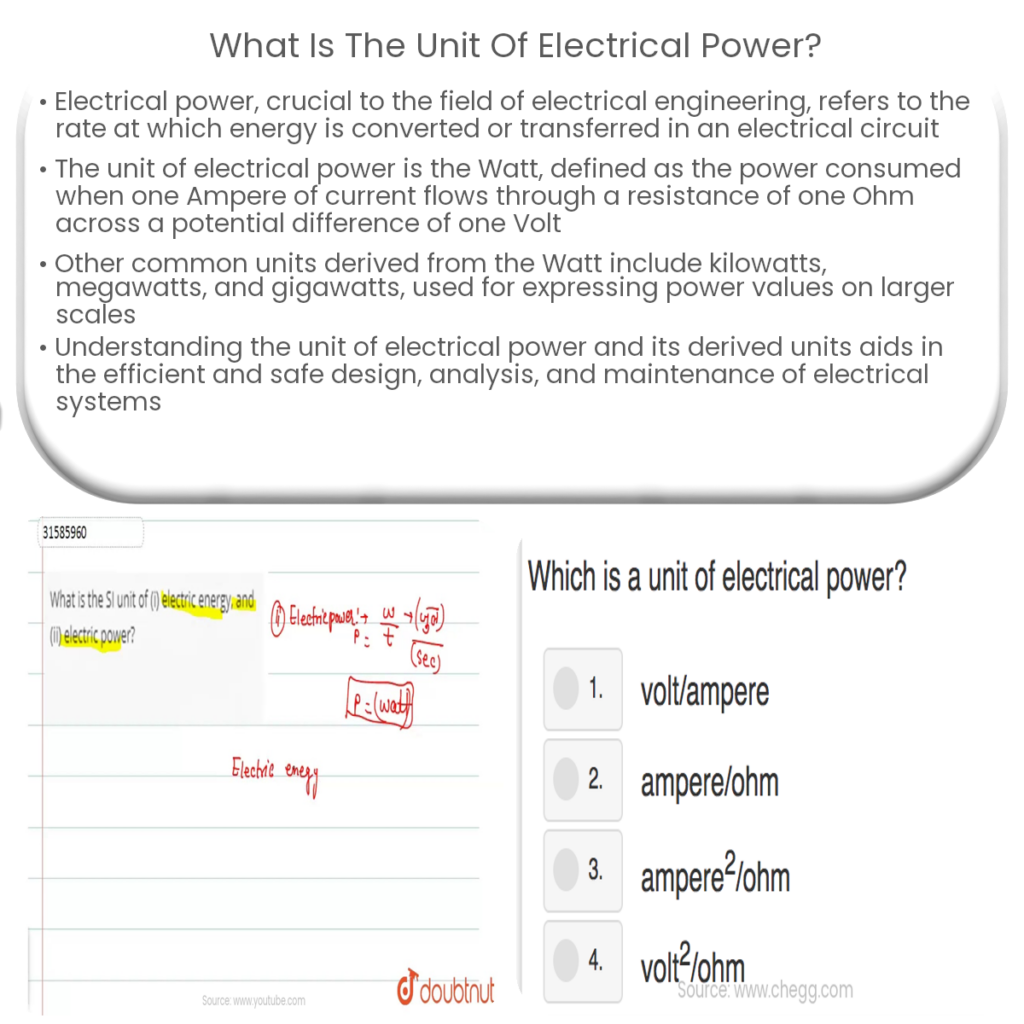
The unit of electrical power is the Watt (W), named after James Watt, and it measures the rate of energy transfer in a circuit.
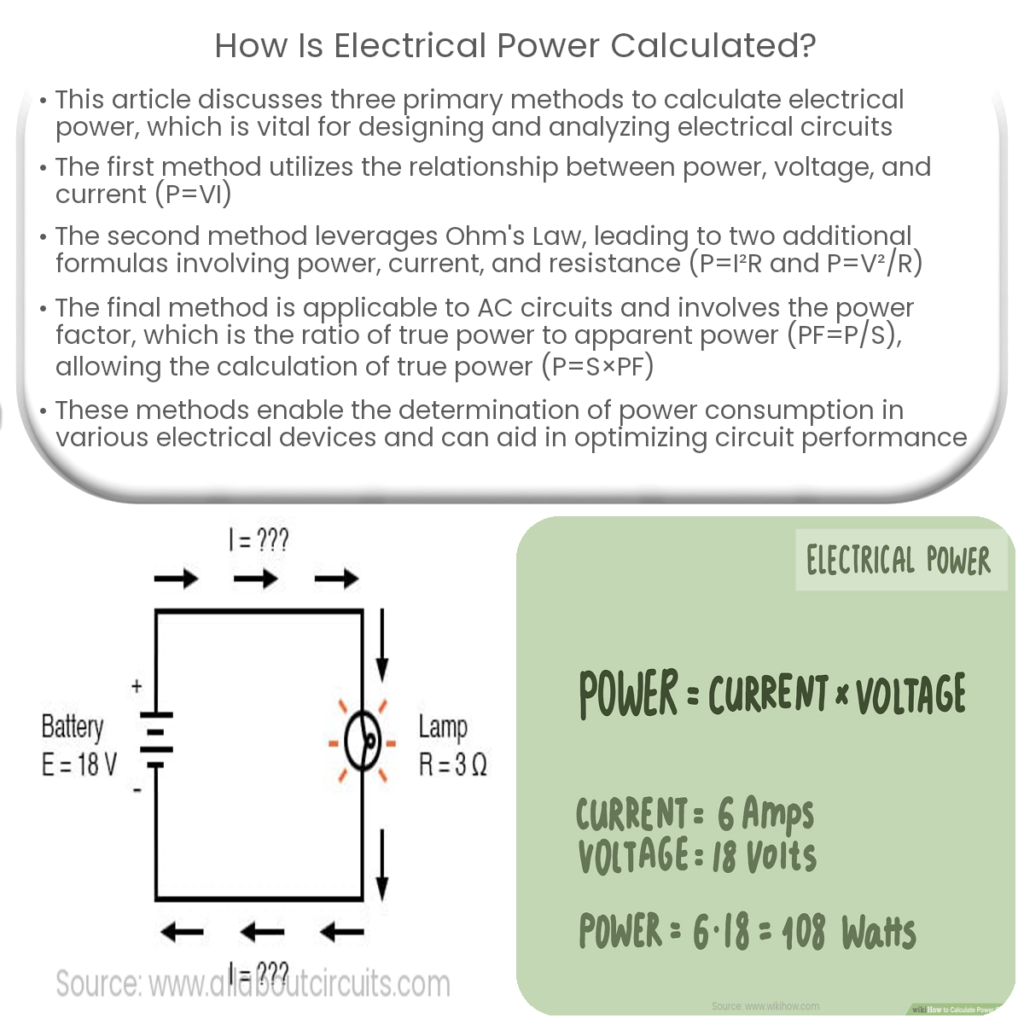
Electrical power is calculated using formulas like P=VI, P=I²R, P=V²/R, and for AC circuits, P=S×PF, where P is power, V is voltage, I is current, R is resistance, S is apparent power, and PF is power factor.
To design a circuit with specific requirements, follow these steps: identify requirements, select components, determine configuration, calculate values, validate design, build prototype, finalize.
The time constant of an RC circuit (τ) equals the product of resistance (R) and capacitance (C). Electrical power is the rate of energy transfer in a circuit.
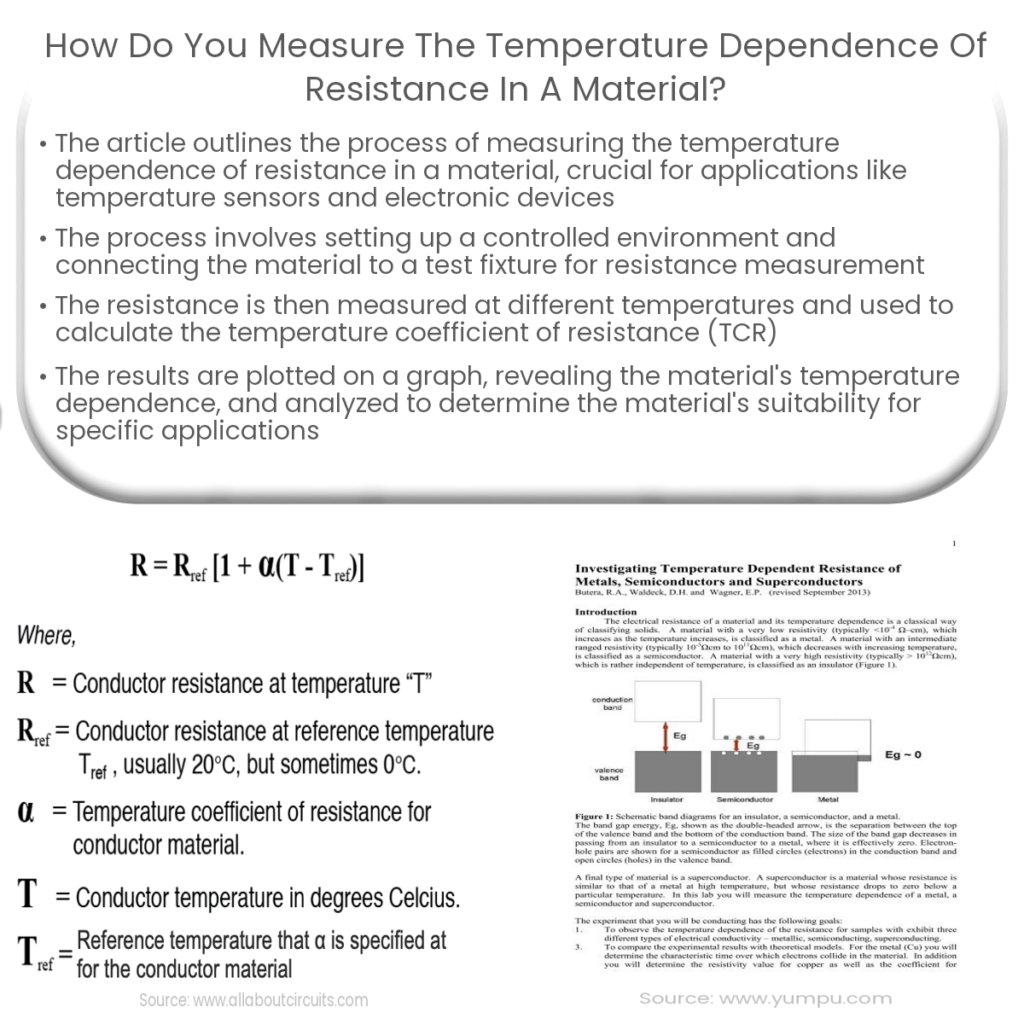
To measure temperature dependence of resistance, create a controlled environment, measure resistance at various temperatures, calculate TCR, and analyze.

The primary purpose of this project is to help the public to learn some exciting and important information about electricity and magnetism.
Our Website follows all legal requirements to protect your privacy. Visit our Privacy Policy page.
The Cookies Statement is part of our Privacy Policy.
The information contained on this website is for general information purposes only. This website does not use any proprietary data. Visit our Editorial note.
It’s simple:
1) You may use almost everything for non-commercial and educational use.
2) You may not distribute or commercially exploit the content, especially on another website.
