
What is the role of ground fault circuit interrupters (GFCIs) in electric circuit protection?
GFCIs protect electrical circuits by detecting imbalances in current, cutting off power to prevent shocks and minimize fire hazards.
GFCIs protect electrical circuits by detecting imbalances in current, cutting off power to prevent shocks and minimize fire hazards.
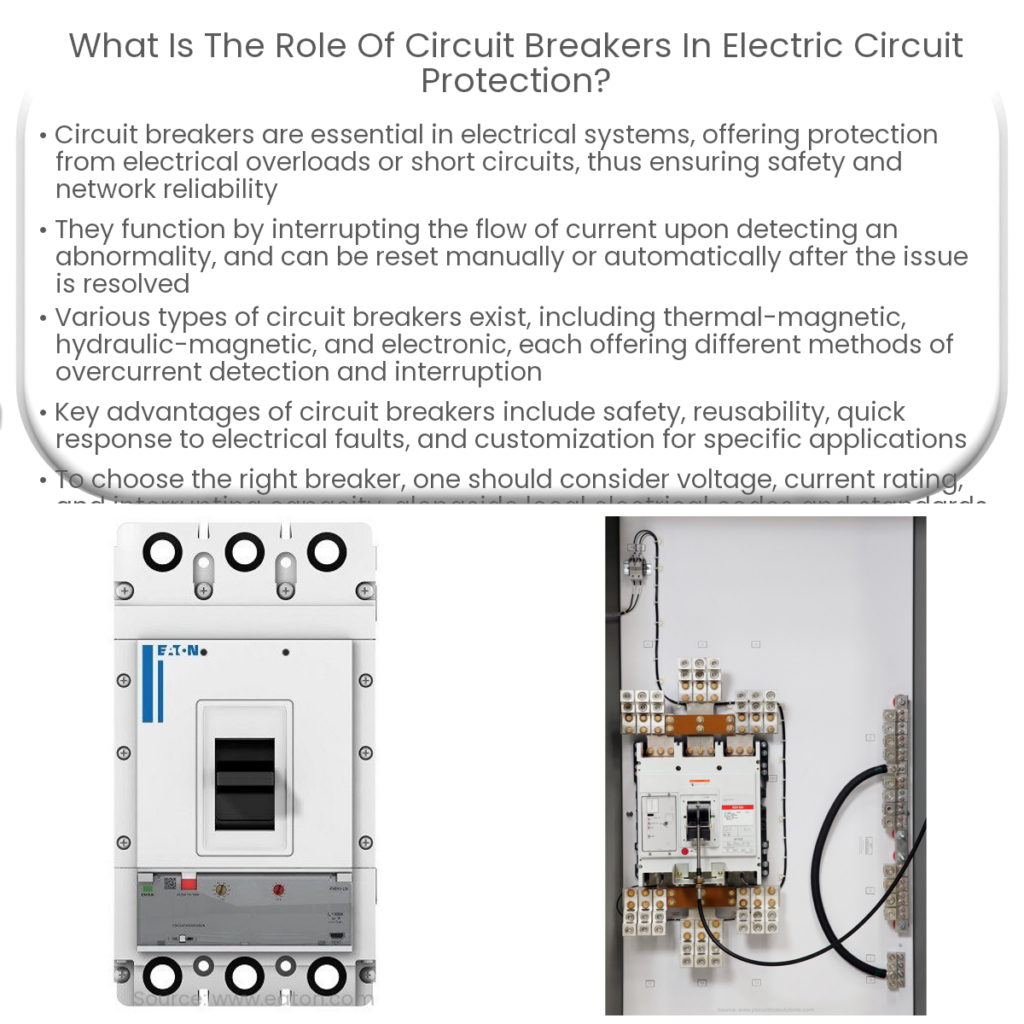
Circuit breakers protect electrical systems by detecting and interrupting excessive current flow, preventing damage to devices and reducing fire risks.
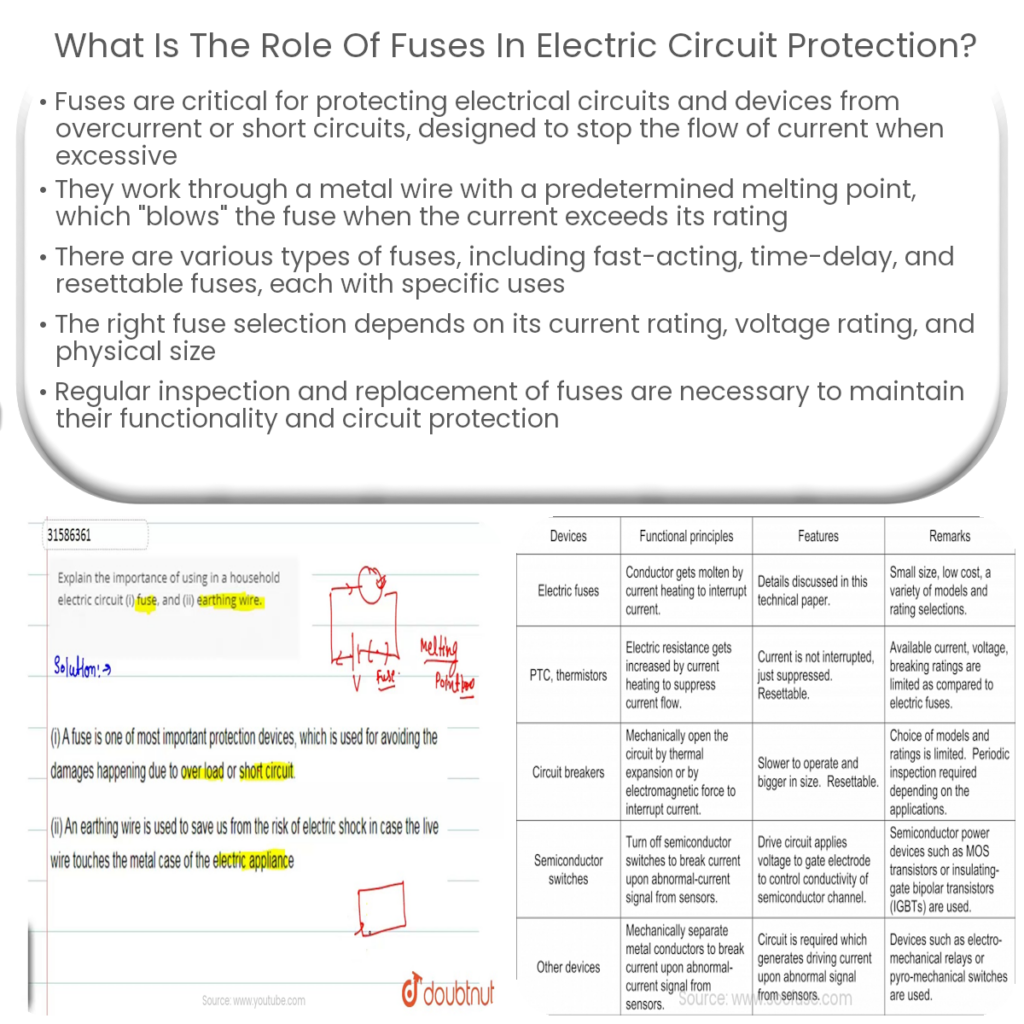
Fuses protect electrical circuits by breaking the circuit and stopping current flow when excessive current passes through, preventing damage.
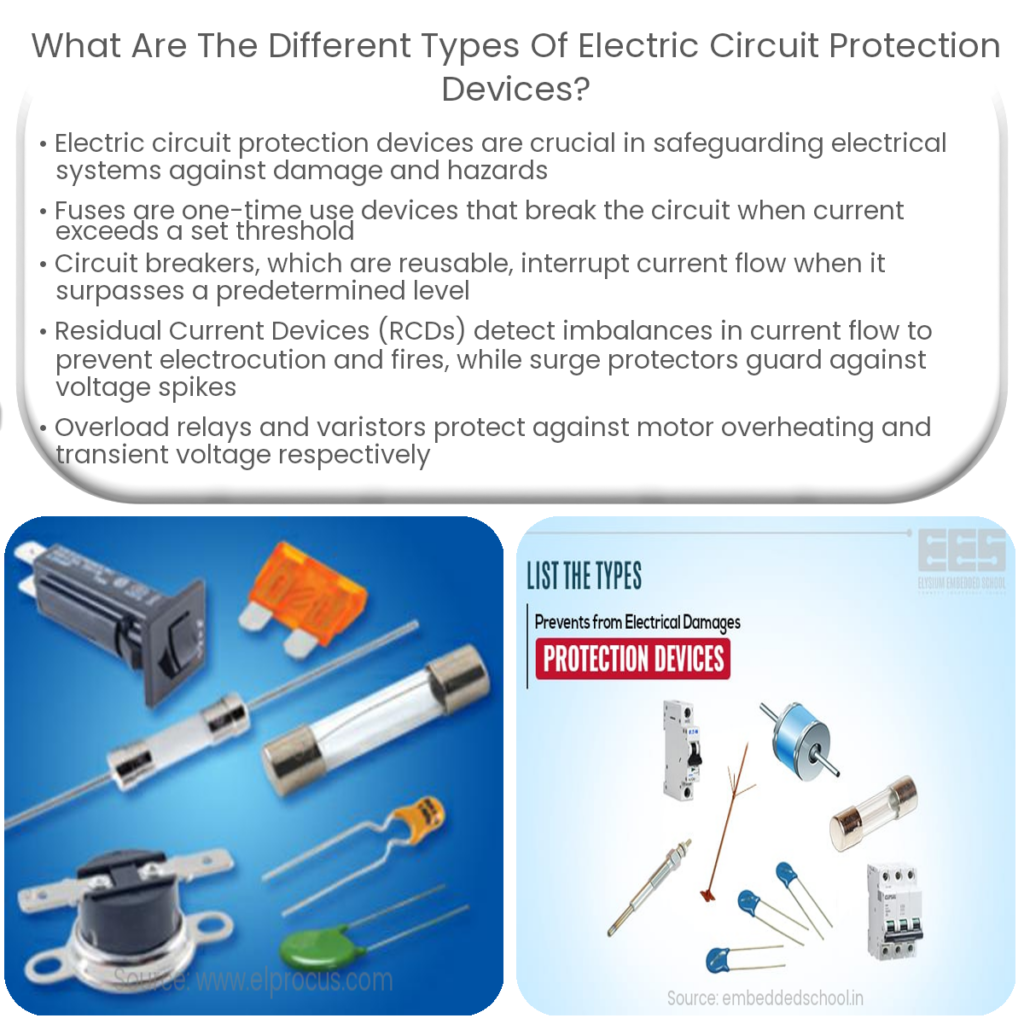
Different types of circuit protection devices include fuses, circuit breakers, residual current devices (RCDs), surge protectors, overload relays, and varistors.
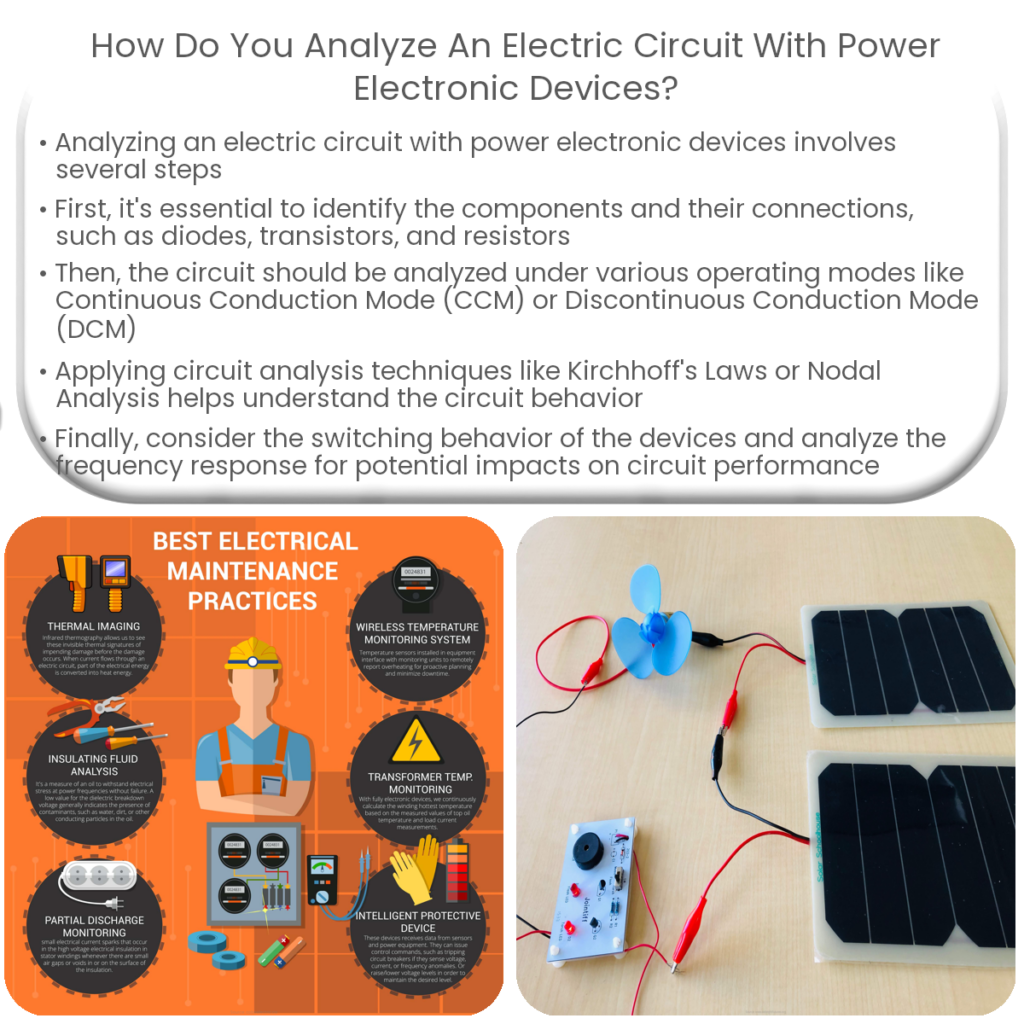
To analyze an electric circuit with power electronic devices, identify components, determine operating modes, apply circuit analysis techniques, consider switching behavior, and analyze frequency response.
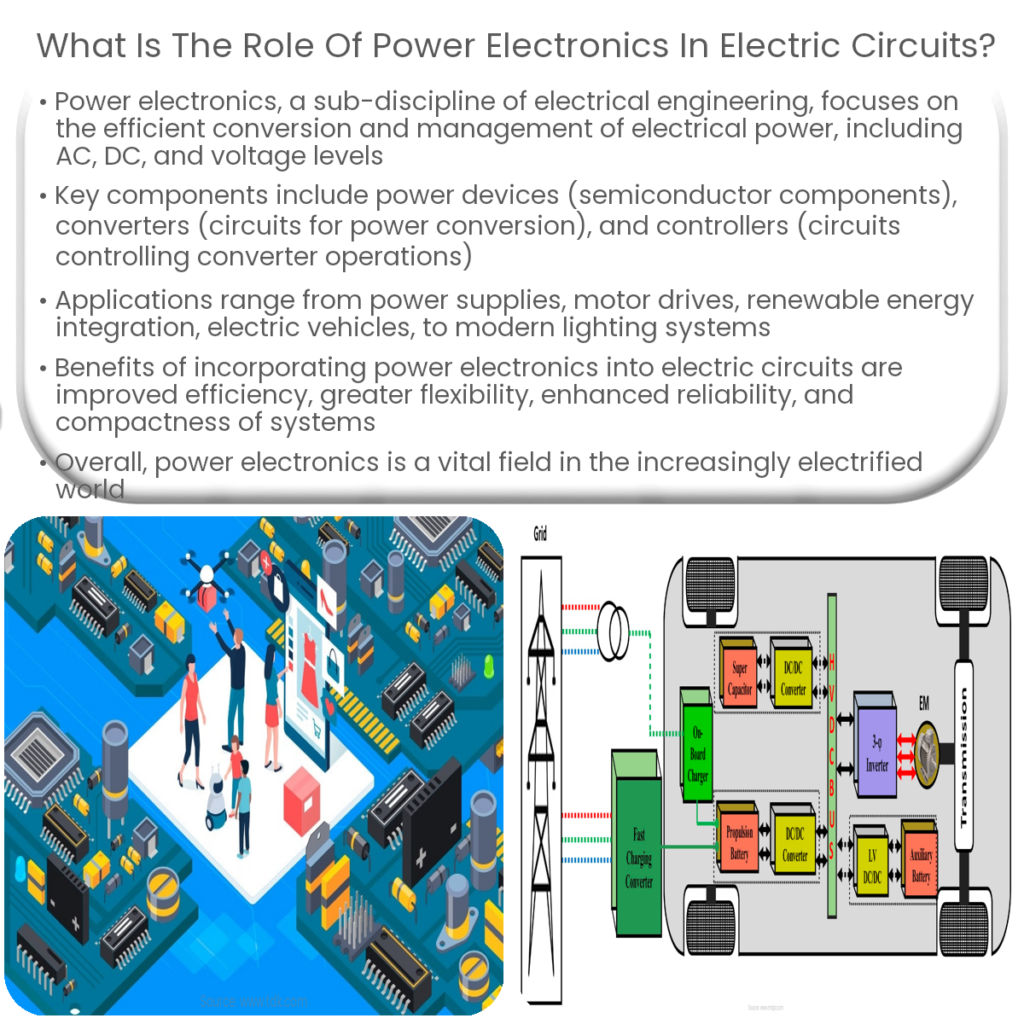
Power electronics controls and converts electrical power, improving efficiency and enabling precise management in various applications.
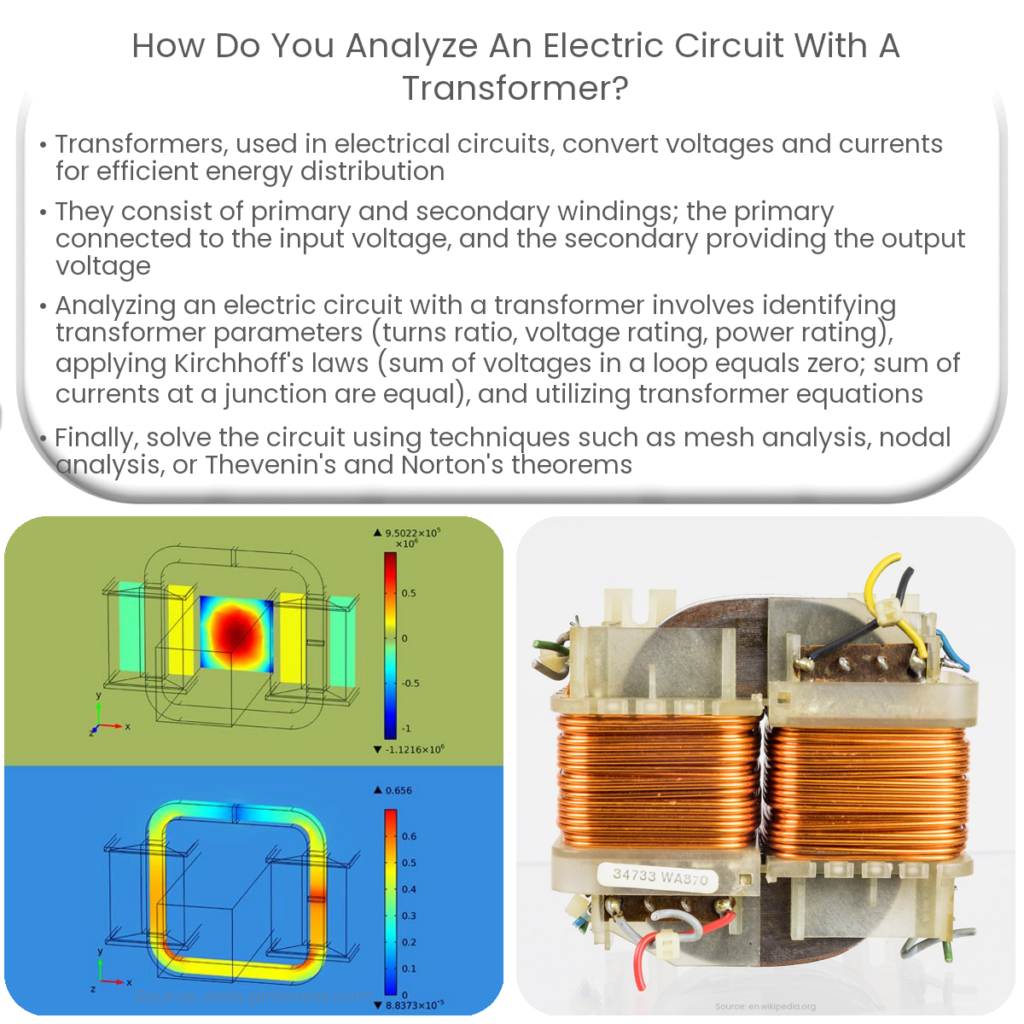
To analyze a circuit with a transformer, identify its parameters, apply Kirchhoff’s laws, use transformer equations, and solve the circuit.
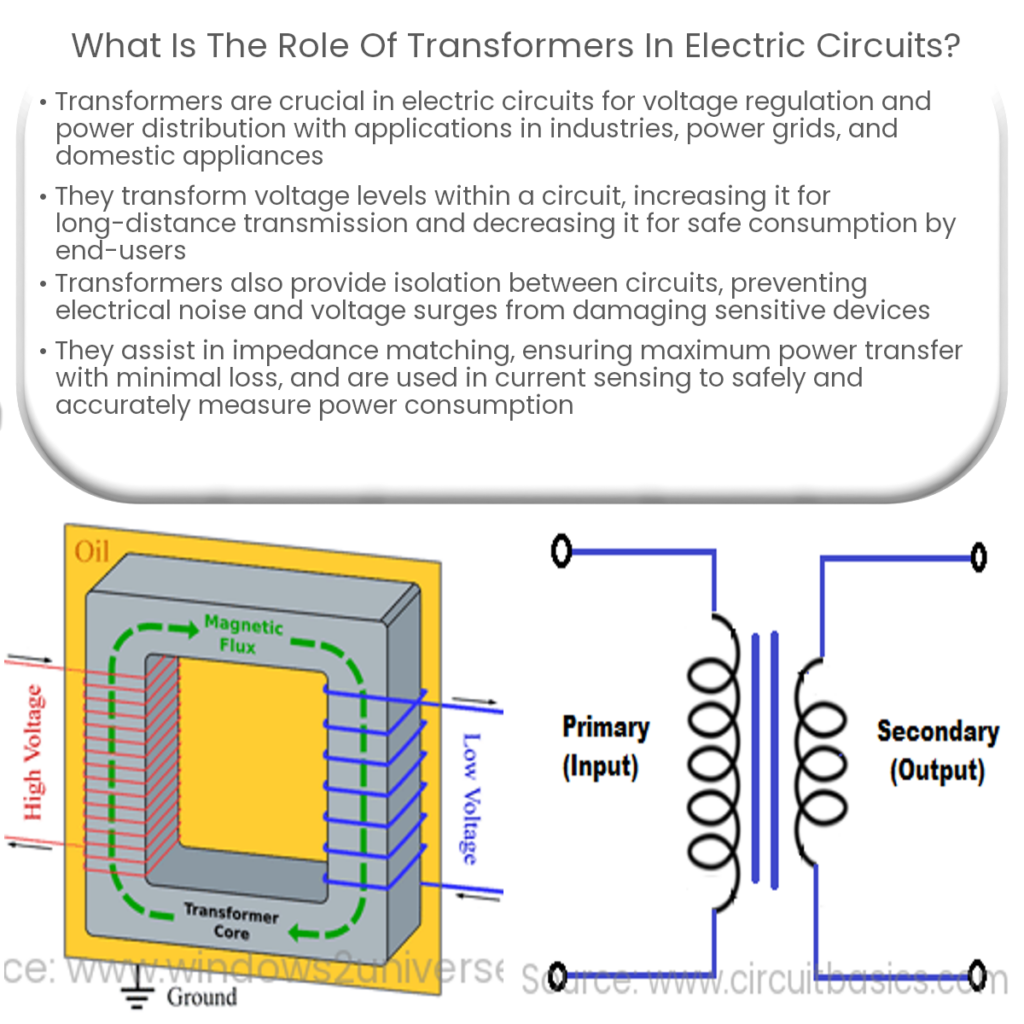
Transformers are essential components in electric circuits, serving as vital devices for voltage regulation and power distribution. They have a wide range of applications in industries, power grids, and domestic appliances. In this article, we will explore the key roles transformers play in electric circuits.
Phasor notation is a mathematical representation of sinusoidal waveforms used to simplify AC circuit analysis by converting time-domain functions.
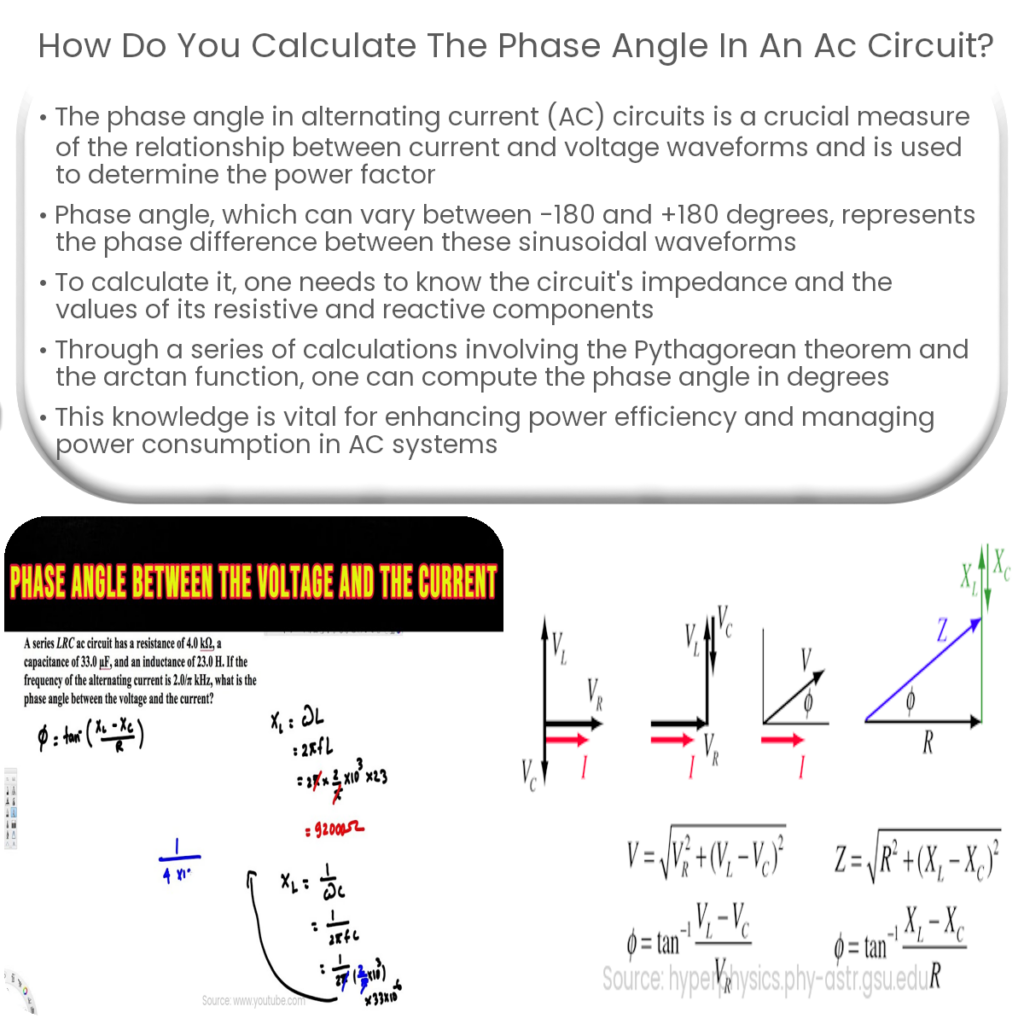
To calculate the phase angle in an AC circuit, find the impedance (Z), then use θ = arctan((Xₗ – Xc) / R) and convert to degrees.

The primary purpose of this project is to help the public to learn some exciting and important information about electricity and magnetism.
Our Website follows all legal requirements to protect your privacy. Visit our Privacy Policy page.
The Cookies Statement is part of our Privacy Policy.
The information contained on this website is for general information purposes only. This website does not use any proprietary data. Visit our Editorial note.
It’s simple:
1) You may use almost everything for non-commercial and educational use.
2) You may not distribute or commercially exploit the content, especially on another website.


