
Inductive Impedance Transformers
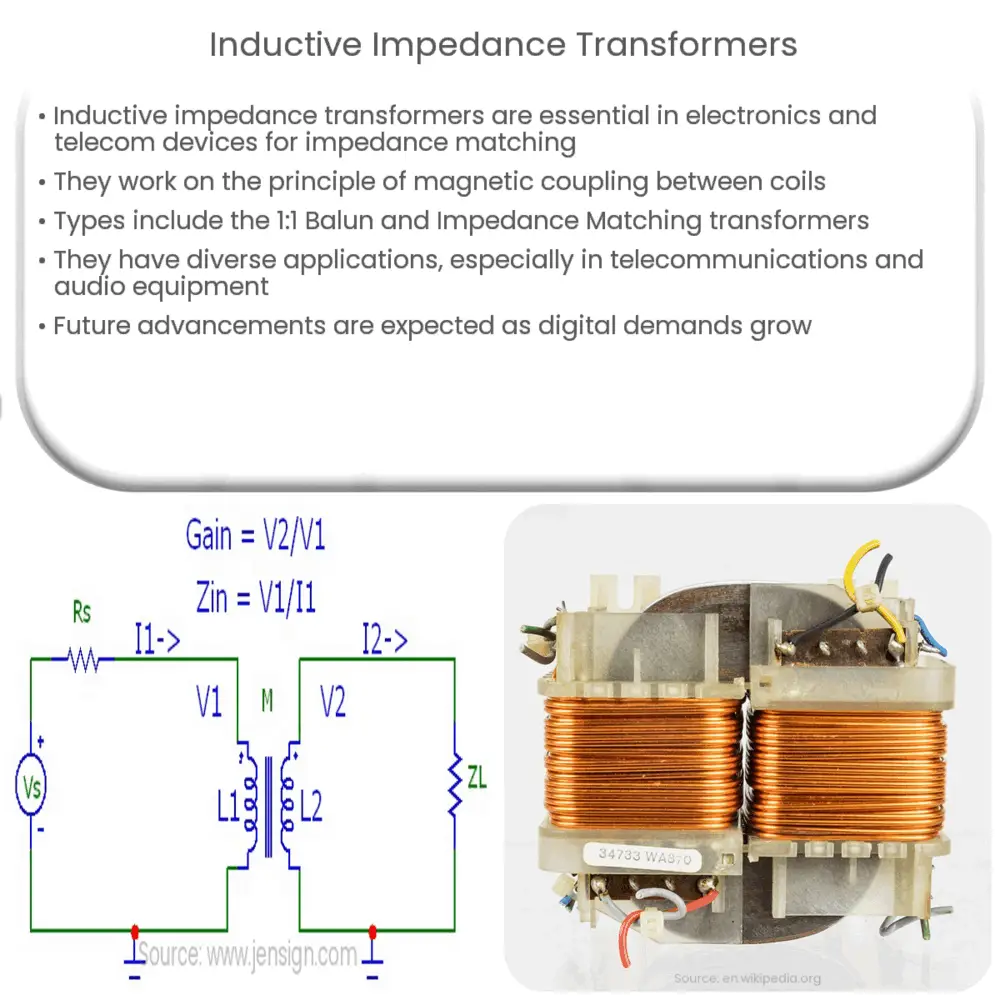
Explore the principles, types, applications, and design considerations of Inductive Impedance Transformers in electronics and telecommunications.
Explore the principles, types, applications, and design considerations of Inductive Impedance Transformers in electronics and telecommunications.

Explore the crucial role of Inductive Fault Current Limiters (IFCLs) in protecting power systems from fault currents, their operation, benefits, and applications.

Explore the role of Inductive Current Transformers in power systems, their construction, operation, applications, and benefits.
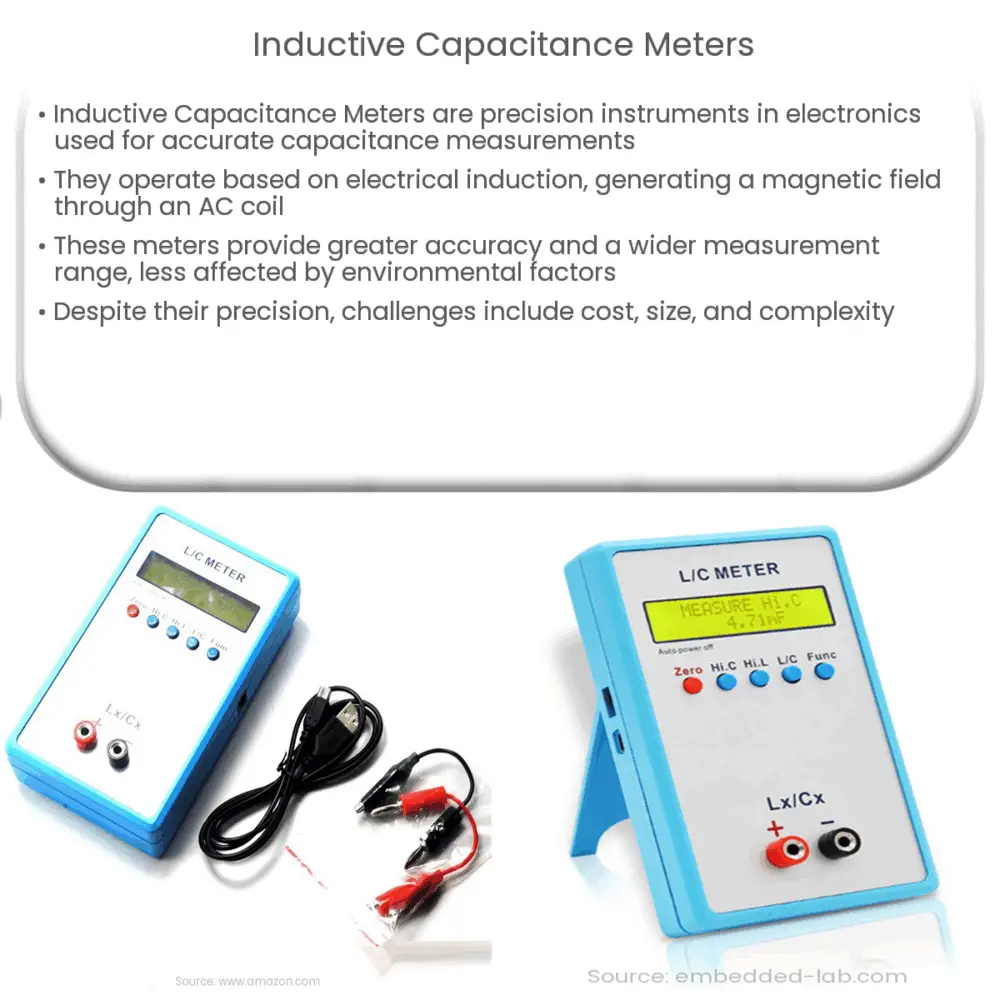
Explore the workings, advantages, specifications, and challenges of Inductive Capacitance Meters in the electronics field.

Explore the comprehensive guide on Inductive Ballasts: their working, types, benefits, and drawbacks, vital for efficient fluorescent and gas-discharge lamps.
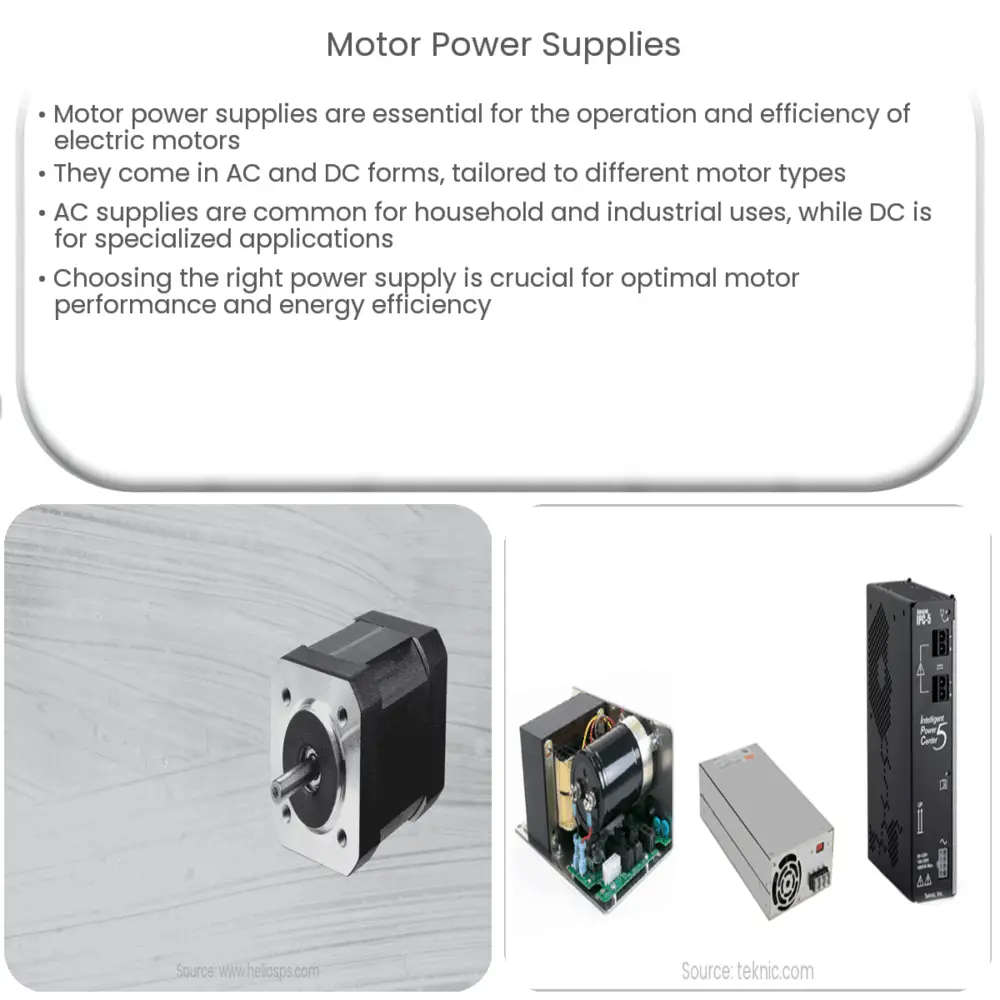
Explore the essentials of motor power supplies, including AC and DC types, their roles in driving electric motors, and tips for optimal selection.

Explore the workings, applications, advantages, and future of inductive amplifiers, essential tools in electronics troubleshooting.

Explore the world of induction heaters, their working principle, components, applications, benefits, and challenges in this comprehensive guide.
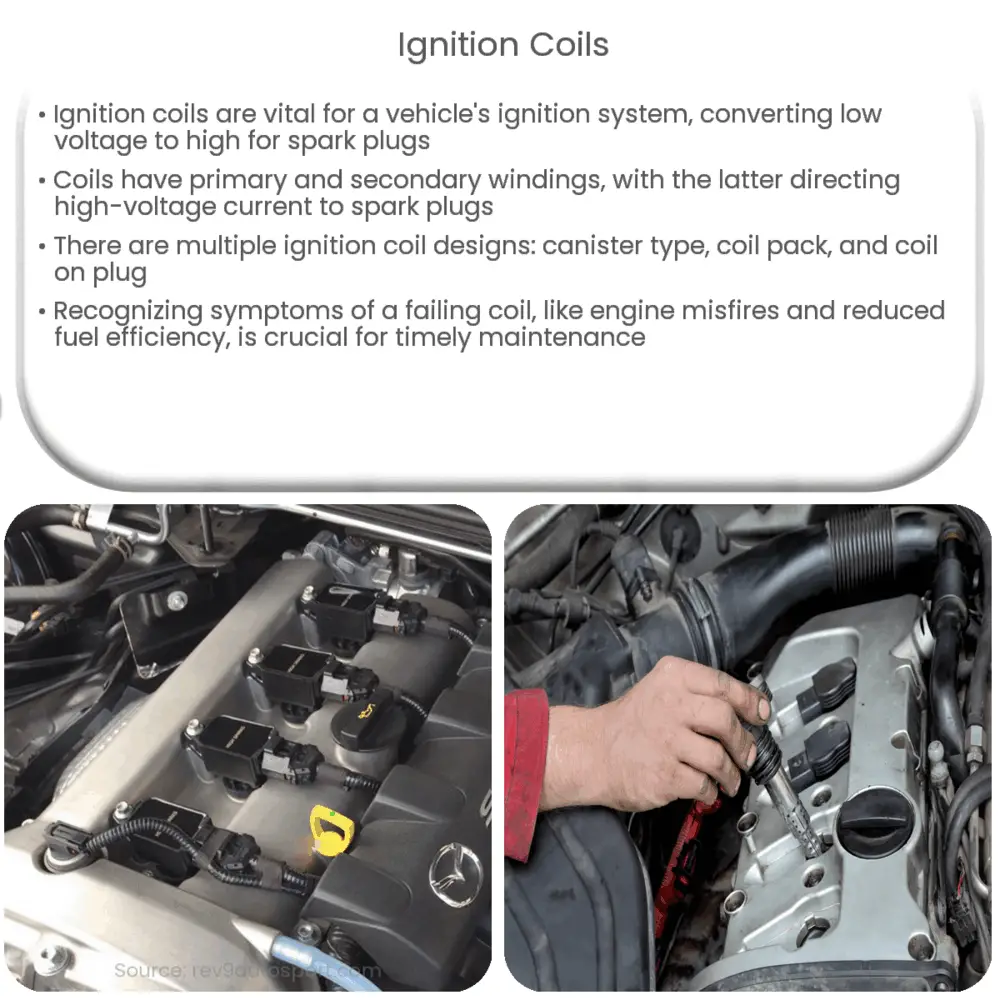
Explore the crucial role of ignition coils in a vehicle’s operation, their structure, types, symptoms of failure, and maintenance tips.

Explore the functionality, types, features, and applications of High Voltage Proximity Detectors, crucial safety tools in various industries.

The primary purpose of this project is to help the public to learn some exciting and important information about electricity and magnetism.
Our Website follows all legal requirements to protect your privacy. Visit our Privacy Policy page.
The Cookies Statement is part of our Privacy Policy.
The information contained on this website is for general information purposes only. This website does not use any proprietary data. Visit our Editorial note.
It’s simple:
1) You may use almost everything for non-commercial and educational use.
2) You may not distribute or commercially exploit the content, especially on another website.


