
Explore the functionality, types, features, and applications of High Voltage Proximity Detectors, crucial safety tools in various industries.
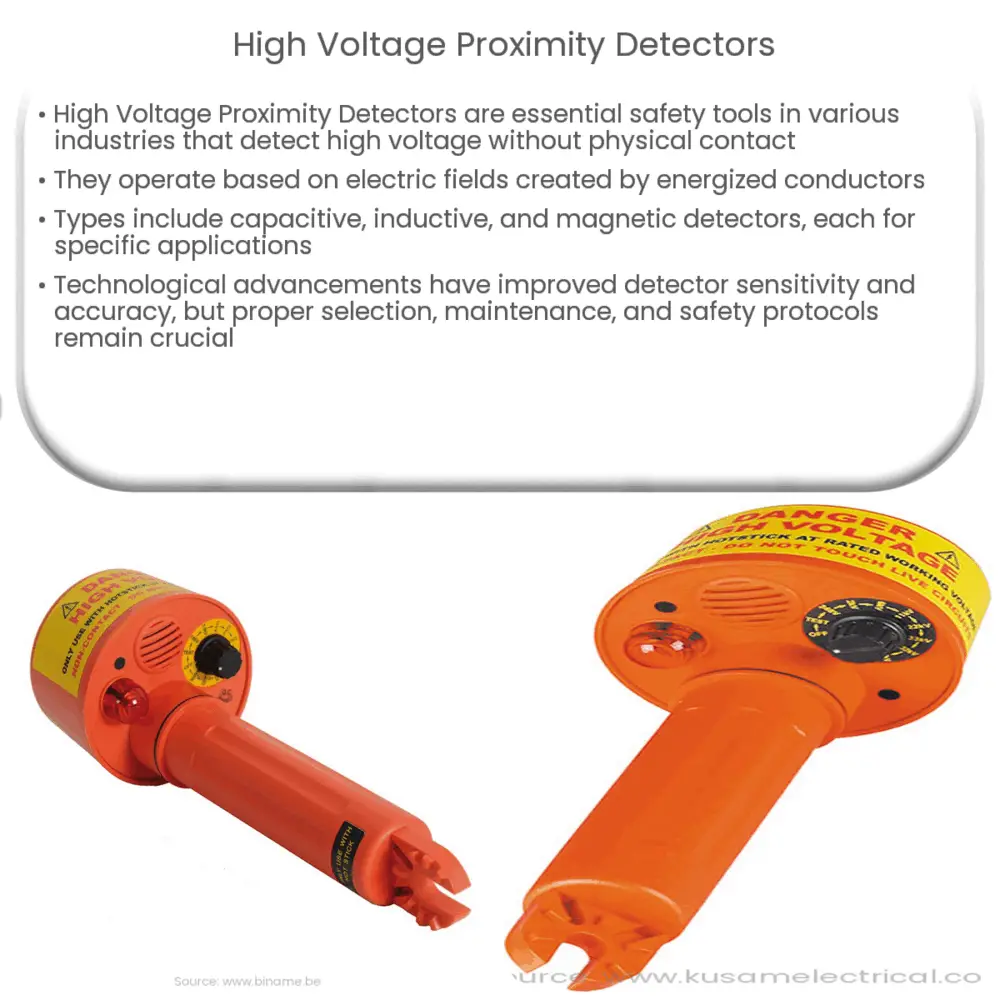
Understanding High Voltage Proximity Detectors
A High Voltage Proximity Detector is an essential safety device used in numerous industries, including electrical, construction, and manufacturing. This tool is designed to detect the presence of high voltage without the need for physical contact, hence, significantly reducing the risk of electric shock to the user.
The Principle of Operation
The operation of these detectors is predicated on the concept of electric fields. In essence, every energized conductor generates an electric field around itself. The intensity of this field is directly proportional to the voltage level of the conductor. Therefore, by measuring this field, the detector can estimate the voltage level.
Types of High Voltage Proximity Detectors
Key Features and Applications
High Voltage Proximity Detectors offer several noteworthy features, including:
In terms of applications, these detectors play a vital role in power stations, substations, electrical service panels, construction sites, and laboratories, among others. They aid in preventing accidents and ensure a safer working environment. As we delve deeper into the subject, it becomes clear that understanding the functionality and applications of these detectors is crucial for those working around high voltage systems.
Advancements in High Voltage Proximity Detectors
Technology has always been a critical driver in the evolution of high voltage proximity detectors. Over the years, advancements in sensor technology and electronics have resulted in detectors with improved sensitivity, accuracy, and reliability. Modern detectors can now detect voltages at greater distances and with better precision, enhancing the safety of users.
Choosing the Right Detector
When selecting a high voltage proximity detector, there are several factors to consider. One important aspect is the detector’s voltage range. The device should be able to detect the full range of voltage levels that you expect to encounter. Additionally, the detector should have a robust design to withstand harsh working environments. Other factors include the type of alert system (visual, auditory, or both), ease of use, and battery life.
Maintenance and Safety
Regular maintenance and testing of the detectors are essential to ensure their reliability and longevity. Always follow the manufacturer’s instructions for maintenance and testing. It’s important to note that while these detectors significantly reduce the risk of electric shock, they should not be relied upon as the sole means of determining the presence of high voltage. Always follow all safety procedures when working around high voltage systems.
Conclusion
In conclusion, High Voltage Proximity Detectors serve as a crucial safety tool in various industrial sectors. They operate based on the principle of electric fields, allowing non-contact detection of high voltages. The broad types of detectors, namely capacitive, inductive, and magnetic, cater to a range of different applications, with each offering unique advantages.
The technological advancements in these detectors have led to enhanced sensitivity, accuracy, and reliability. However, choosing the right detector, regular maintenance, and adhering to safety protocols are integral to maximizing their utility. As we advance into an increasingly electrified future, the importance of such devices only seems to amplify, underscoring the need for widespread understanding and use of High Voltage Proximity Detectors.



