
Transparent Latches

Explore the essentials of Transparent Latches, their types, functionality in digital circuits, limitations, and significance in system design.
Explore the essentials of Transparent Latches, their types, functionality in digital circuits, limitations, and significance in system design.
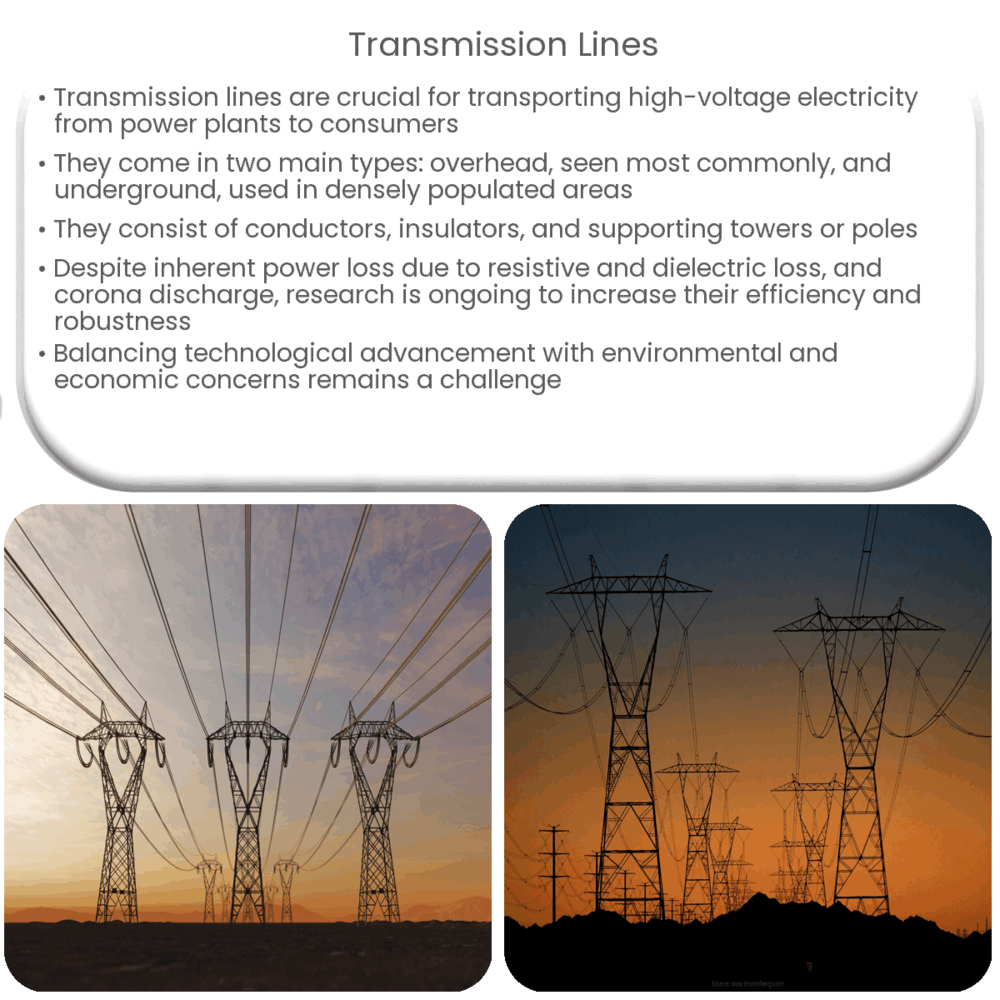
Explore the fundamentals of transmission lines, their structure, types, and the physics behind their operation. Delve into the challenges and future of power transmission.

Explore the world of motors – their history, types, functionality, and future. Discover how these unseen technological workhorses shape our lives.
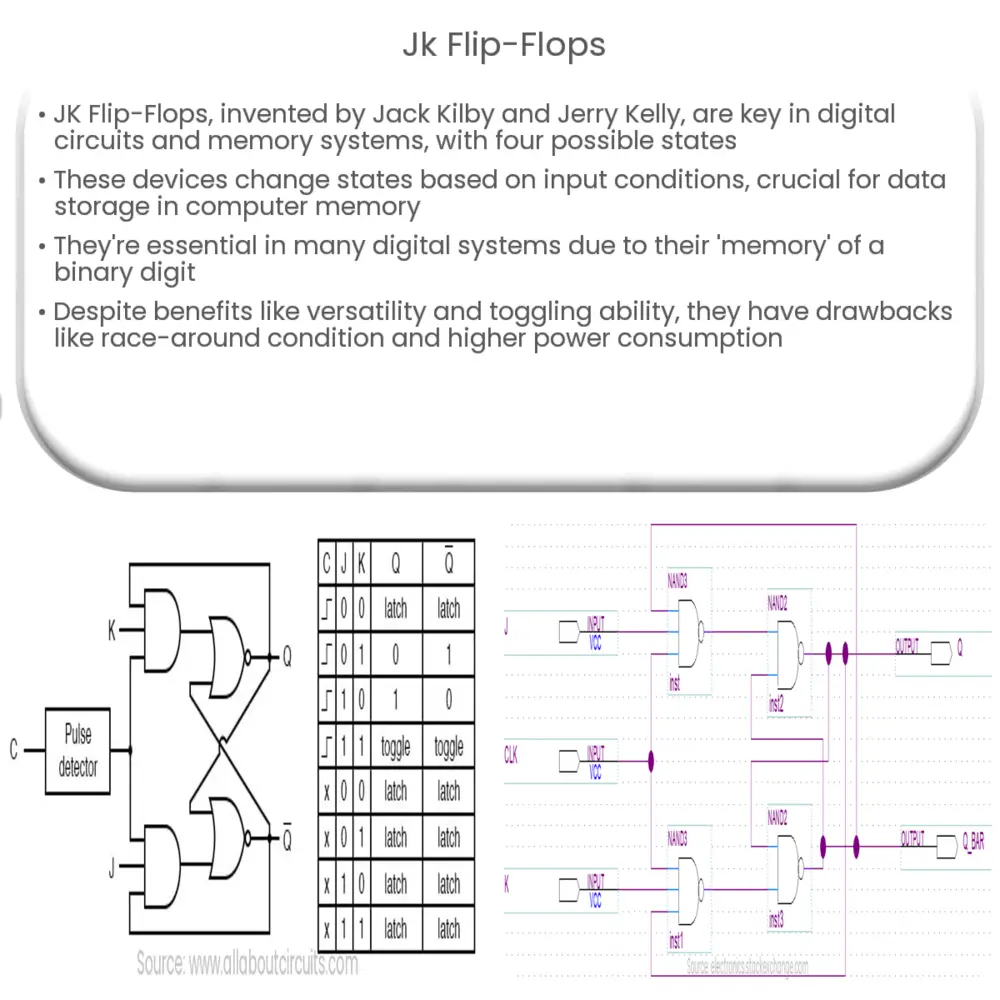
Explore the principles, applications, and pros & cons of JK Flip-Flops, fundamental devices in digital circuits and memory systems.

In the second part of this article, we will delve deeper into the strategies to manage and mitigate the challenges posed by inductive loads.
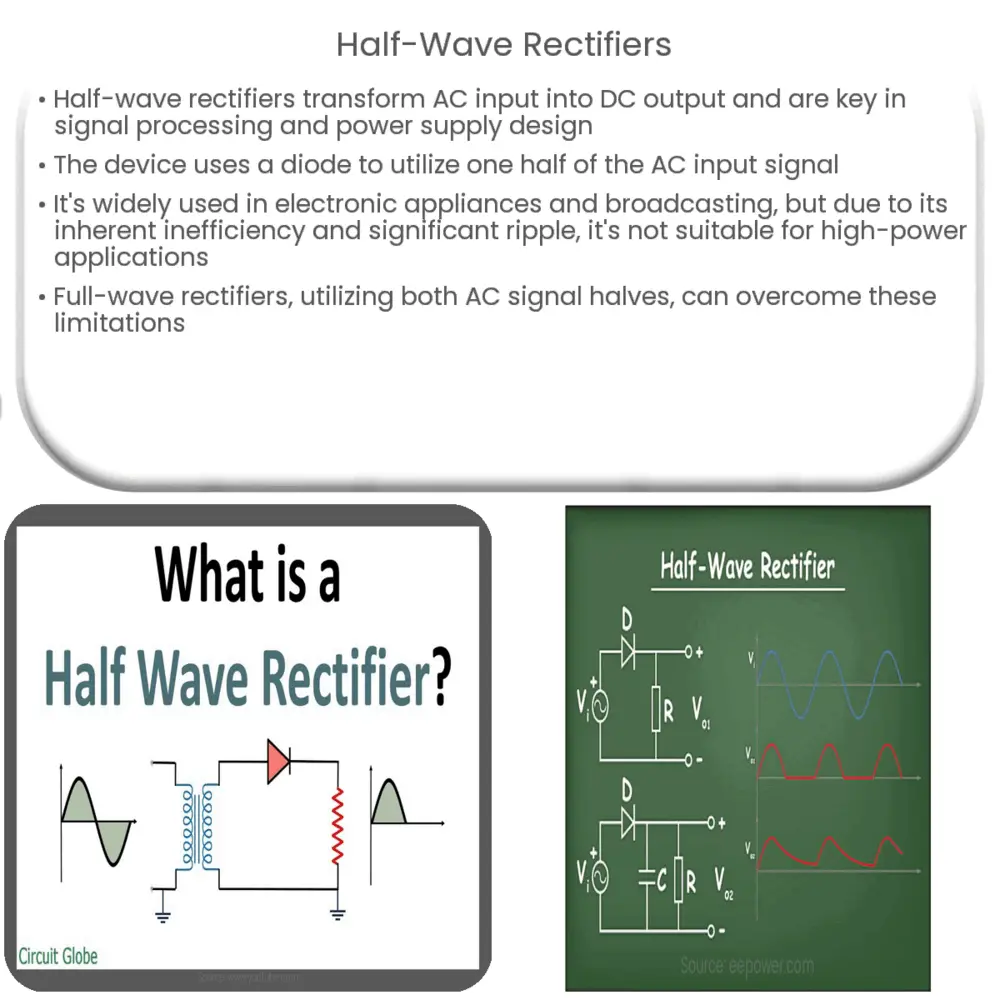
Explore the basics of half-wave rectifiers, their functioning, applications, limitations, and how they fit into the broader electronics landscape.
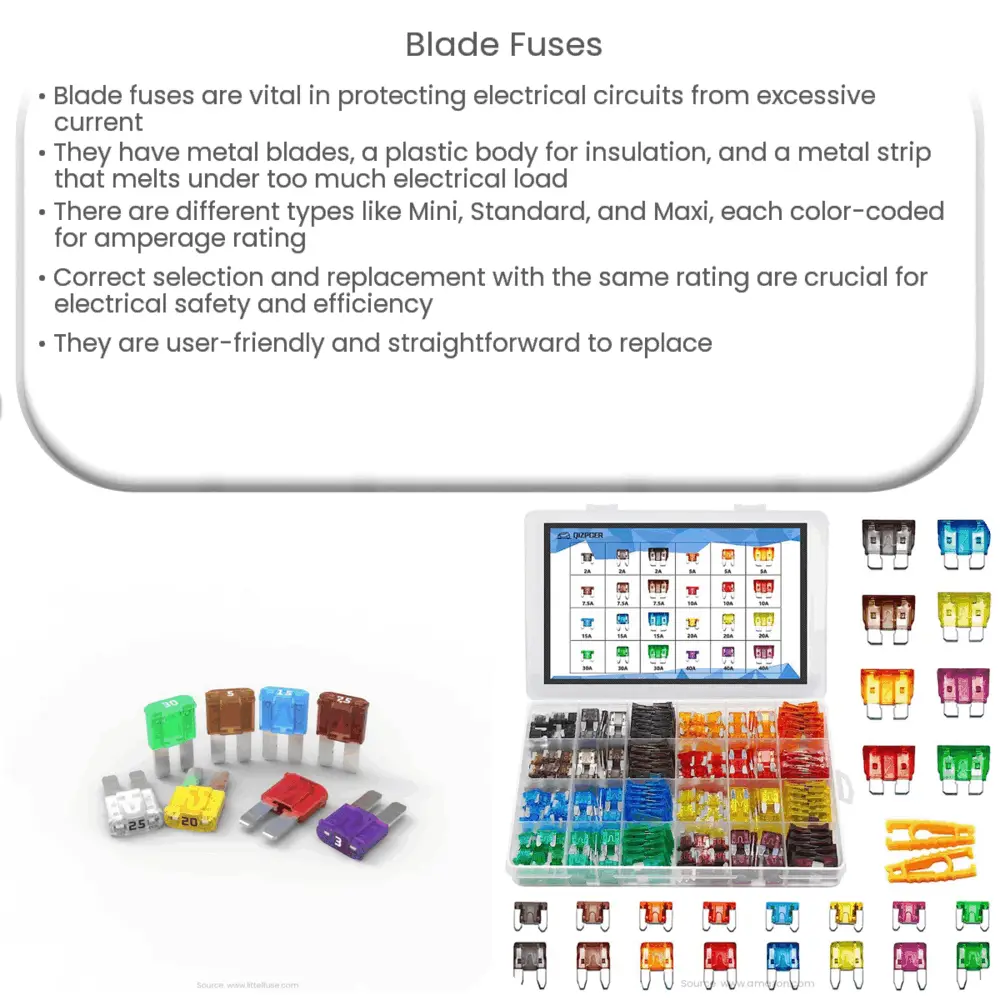
Explore the intricacies of blade fuses – their construction, types, ratings, and importance in automotive electrical systems.

Explore the vital role of motor sealants in vehicle maintenance, their types, applications, selection criteria, and safety measures.

Explore the world of amplifiers, their functioning, types, real-world applications, challenges, and future trends in our in-depth guide.
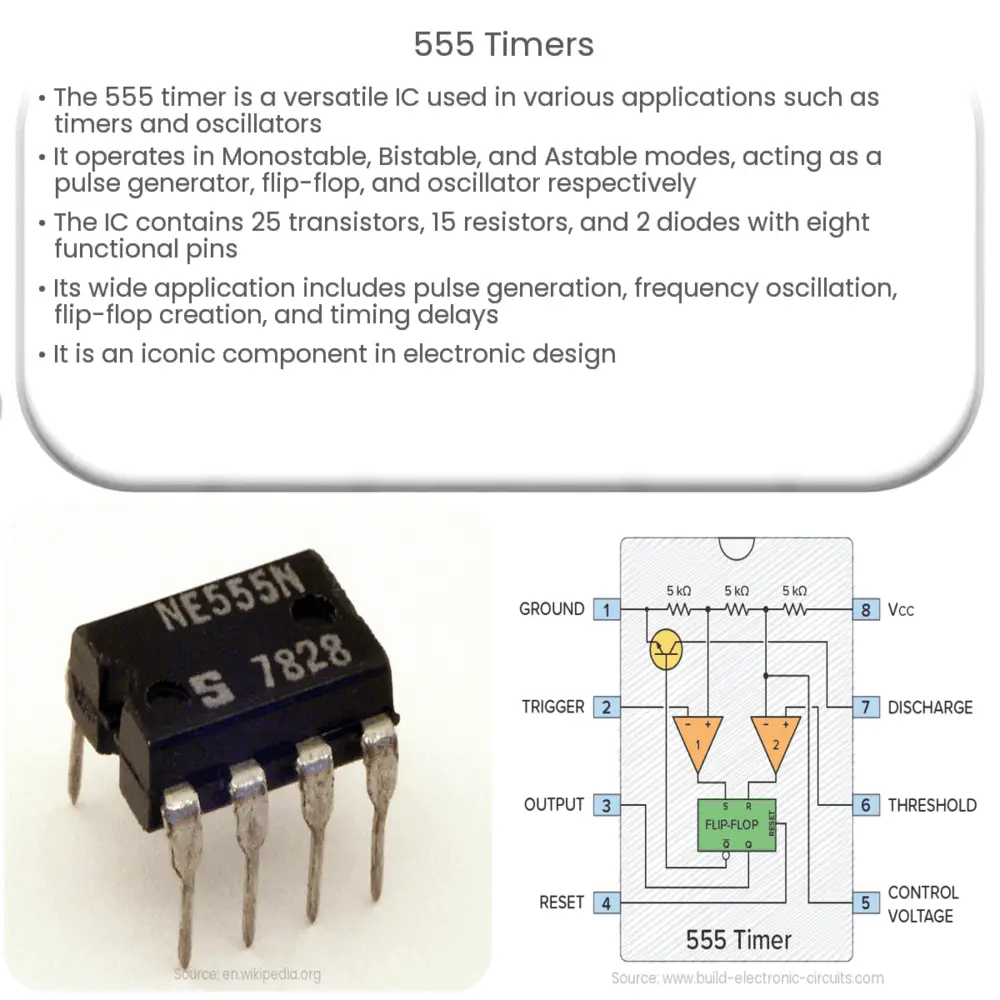
Explore the versatile 555 timer, its operating modes, key components, and myriad applications in electronics design.

The primary purpose of this project is to help the public to learn some exciting and important information about electricity and magnetism.
Our Website follows all legal requirements to protect your privacy. Visit our Privacy Policy page.
The Cookies Statement is part of our Privacy Policy.
The information contained on this website is for general information purposes only. This website does not use any proprietary data. Visit our Editorial note.
It’s simple:
1) You may use almost everything for non-commercial and educational use.
2) You may not distribute or commercially exploit the content, especially on another website.


