
What is the difference between type I and type II superconductors?
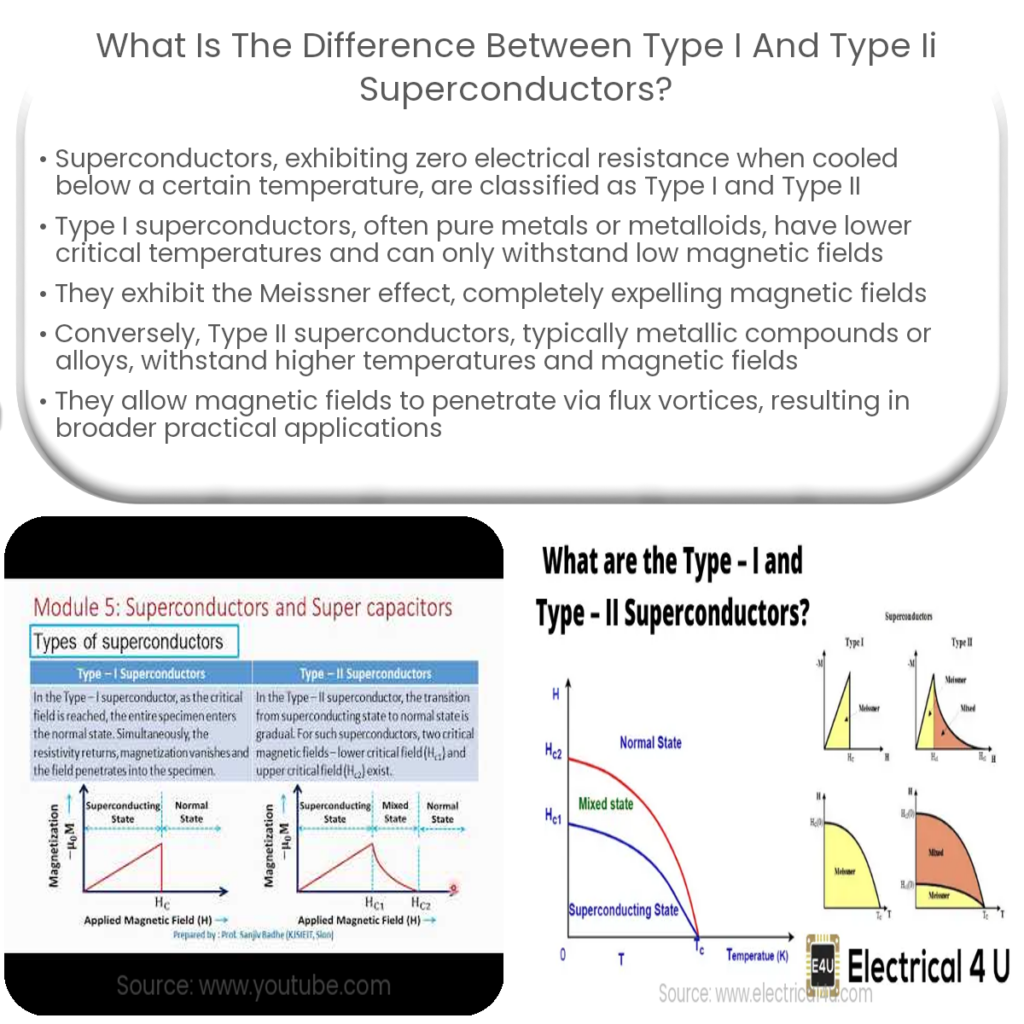
Type I superconductors are pure metals with low critical temperatures, while Type II are metallic compounds or alloys with higher critical temperatures.
Type I superconductors are pure metals with low critical temperatures, while Type II are metallic compounds or alloys with higher critical temperatures.
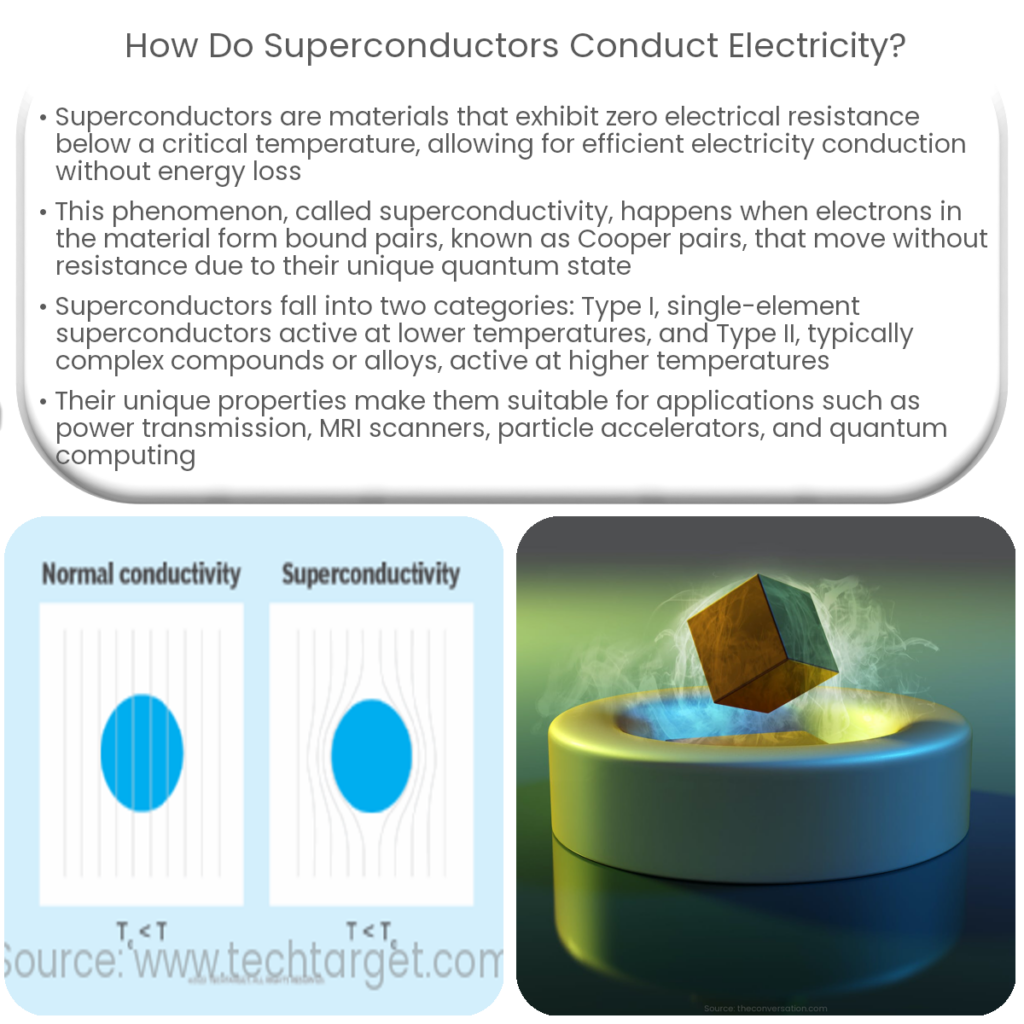
Superconductors conduct electricity without resistance by forming Cooper pairs, which move freely through the material, avoiding energy loss as heat.
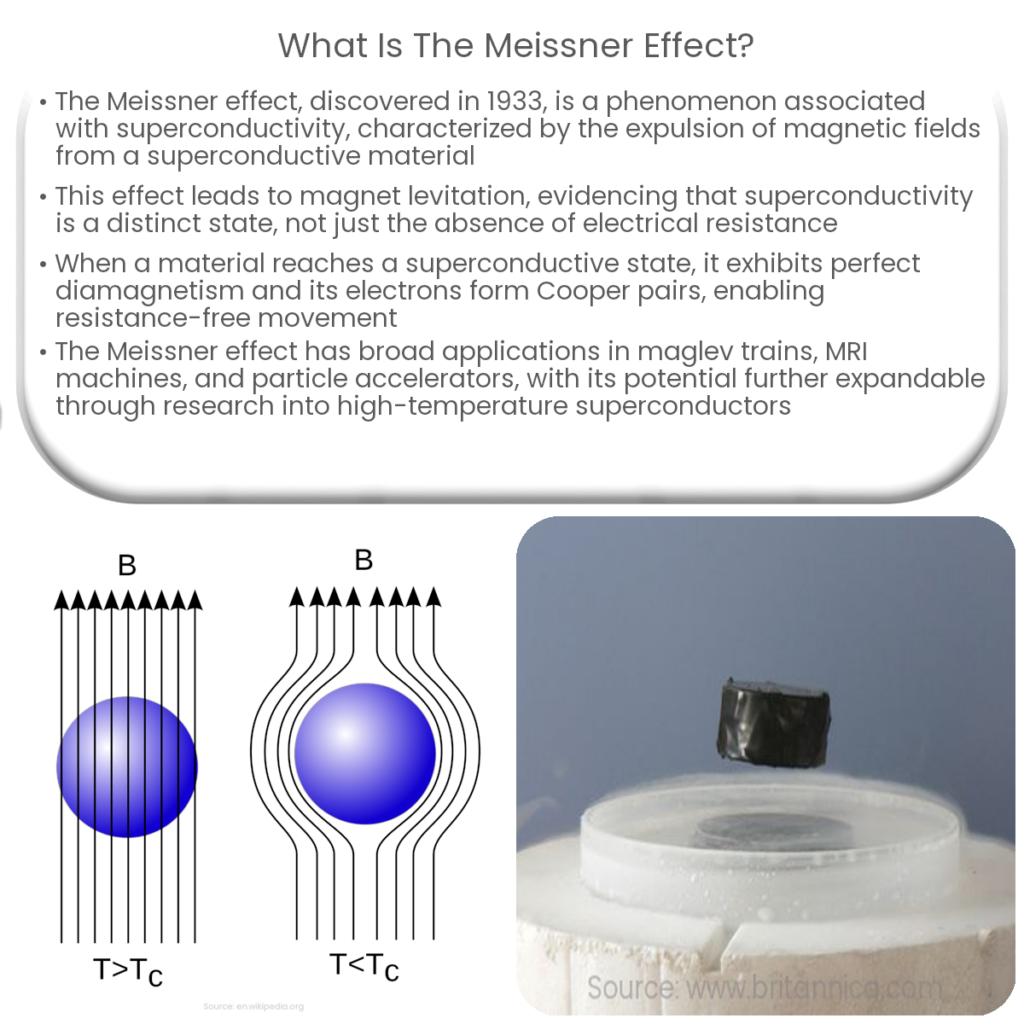
The Meissner effect occurs when a superconductor expels magnetic fields, exhibiting perfect diamagnetism, which results in levitation of magnets.
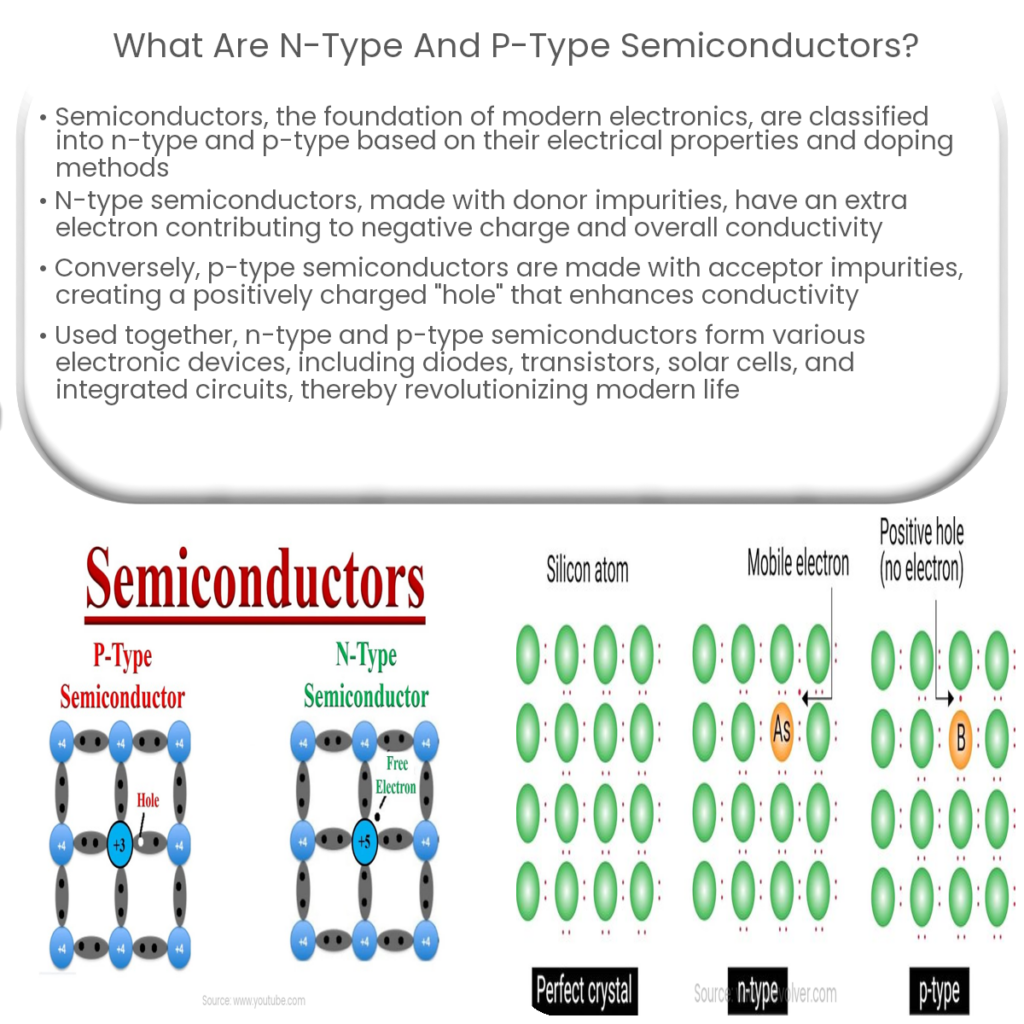
N-type semiconductors have excess electrons, while p-type semiconductors have excess holes. Both types are used together to form electronic devices.
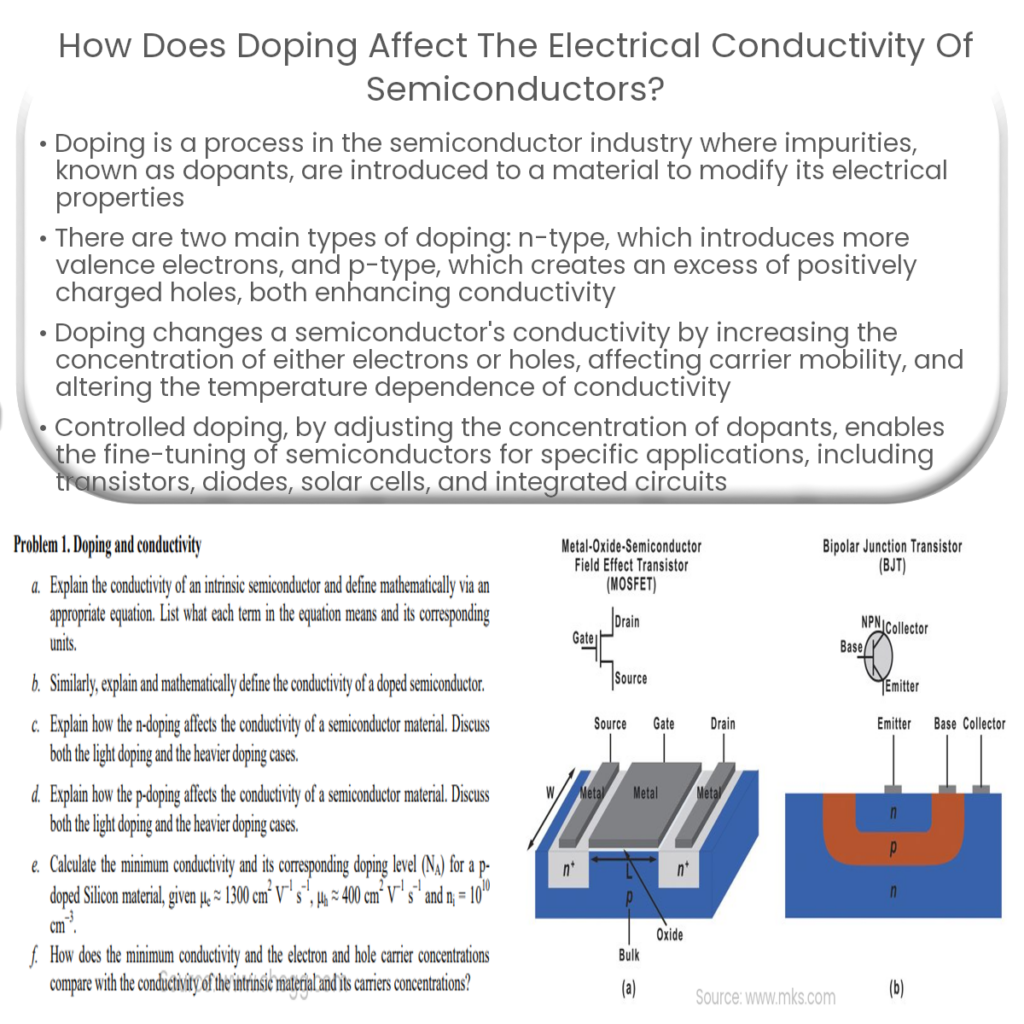
Doping affects electrical conductivity by introducing impurities that increase charge carrier concentration, alter carrier mobility, and modify temperature dependence.
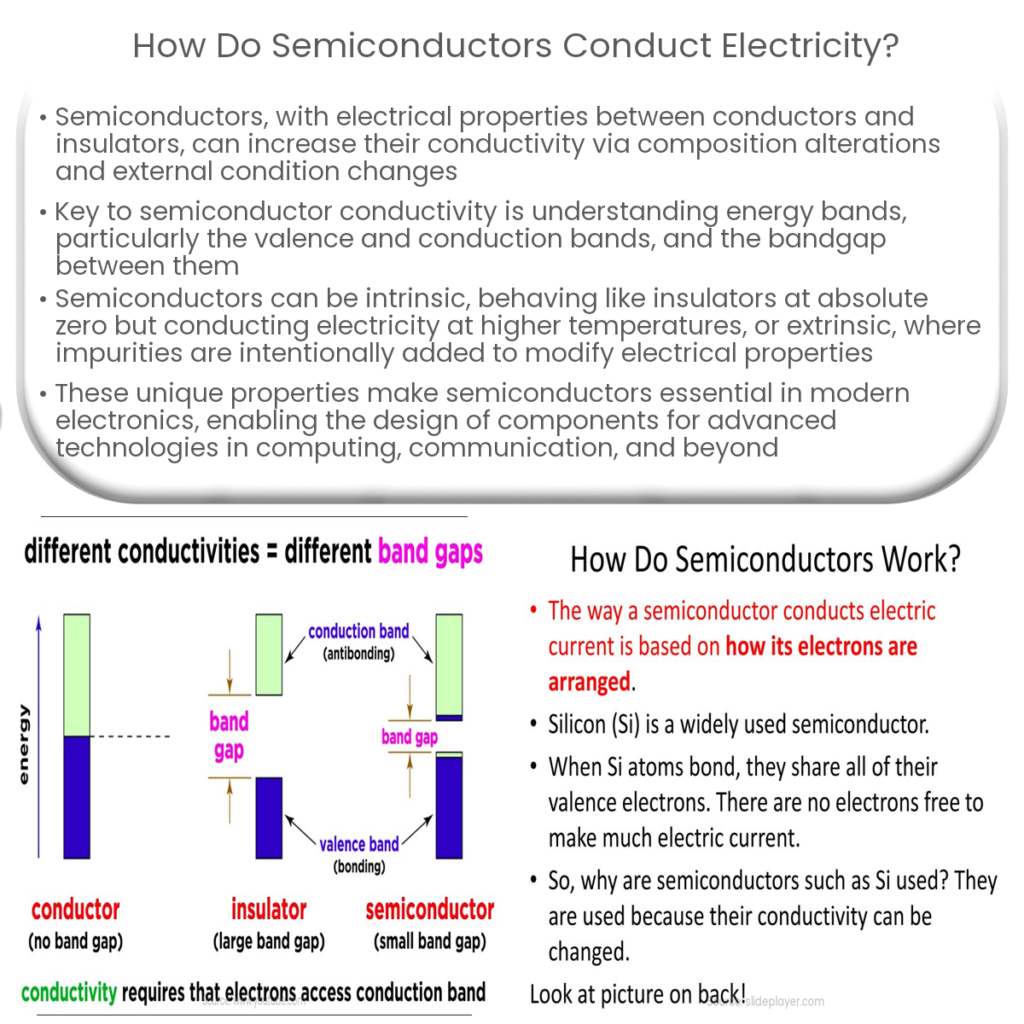
Semiconductors conduct electricity due to a small bandgap, allowing electrons to move between the valence and conduction bands under certain conditions.
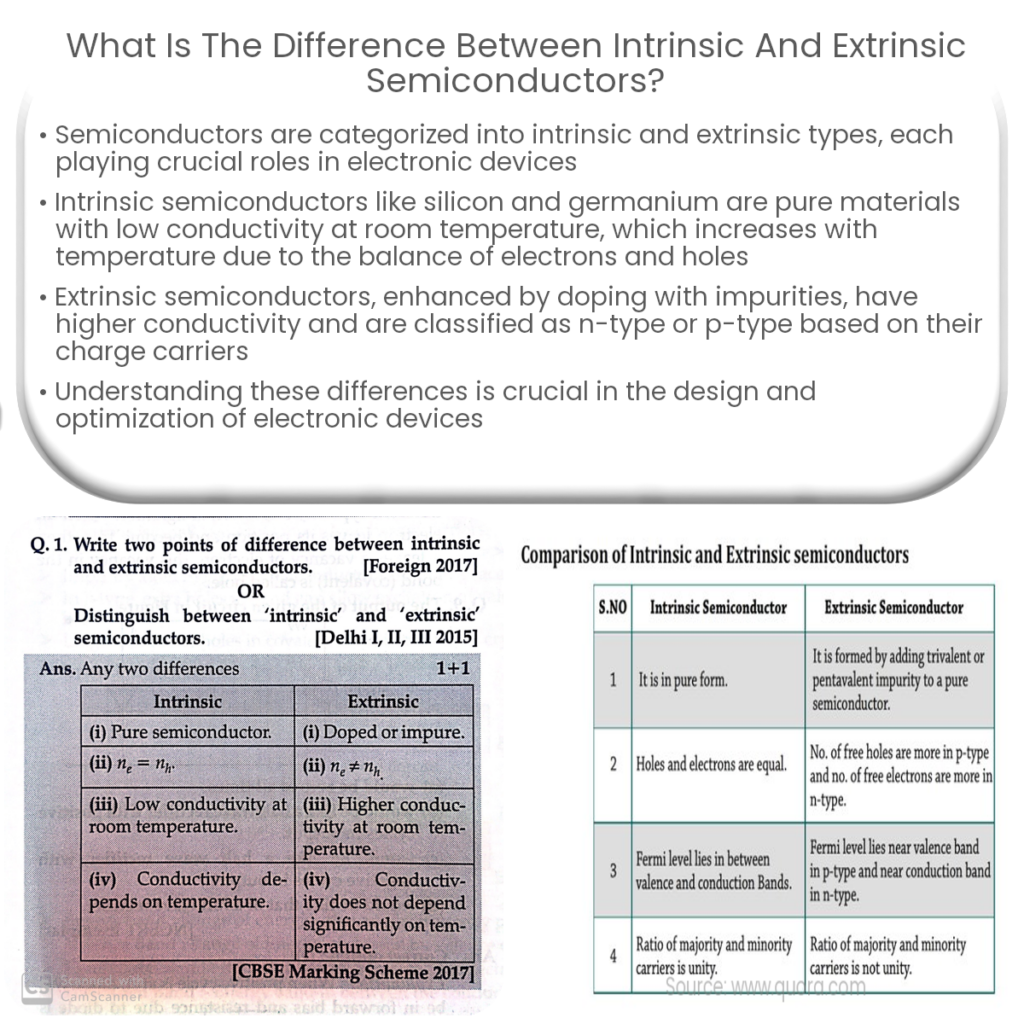
Intrinsic semiconductors are pure materials with low conductivity, while extrinsic semiconductors are doped with impurities for higher conductivity.
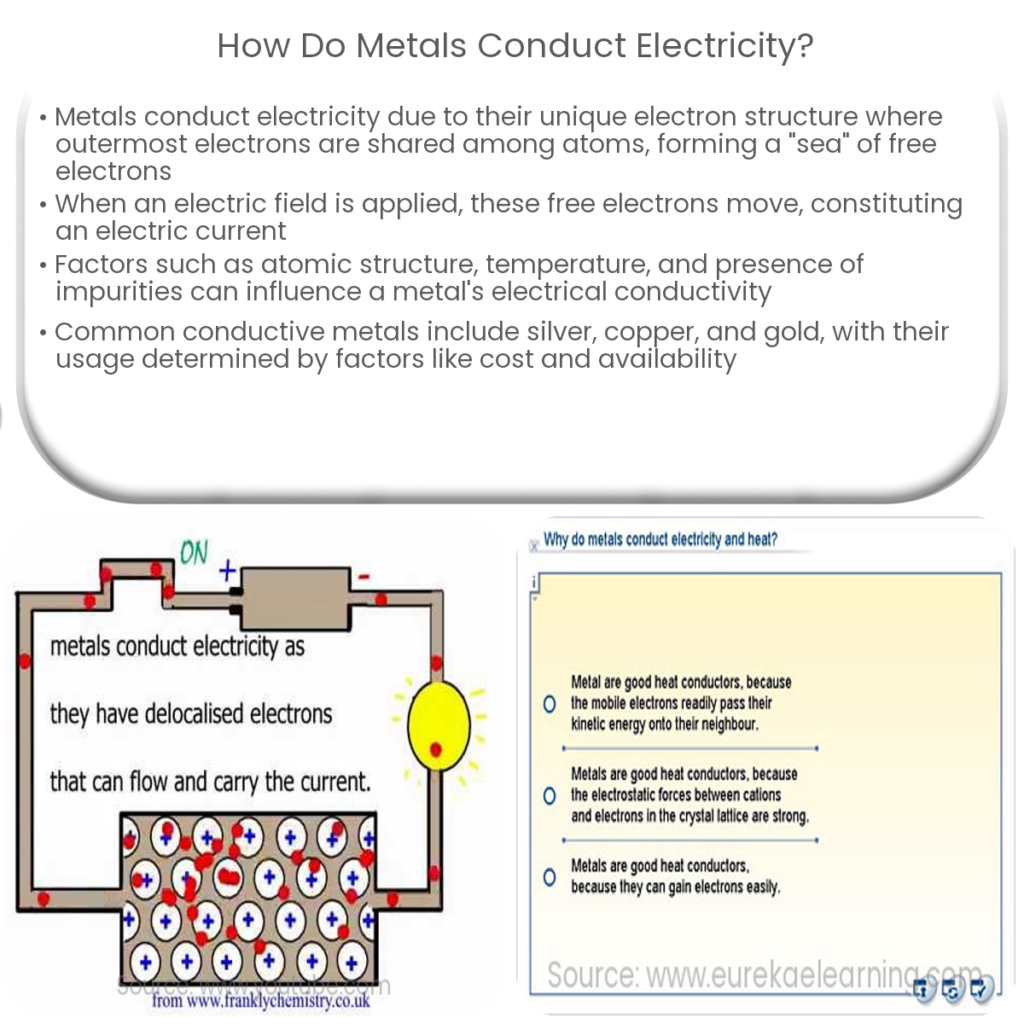
Metals conduct electricity due to their lattice structure and the presence of free, delocalized electrons that move when an electric field is applied.
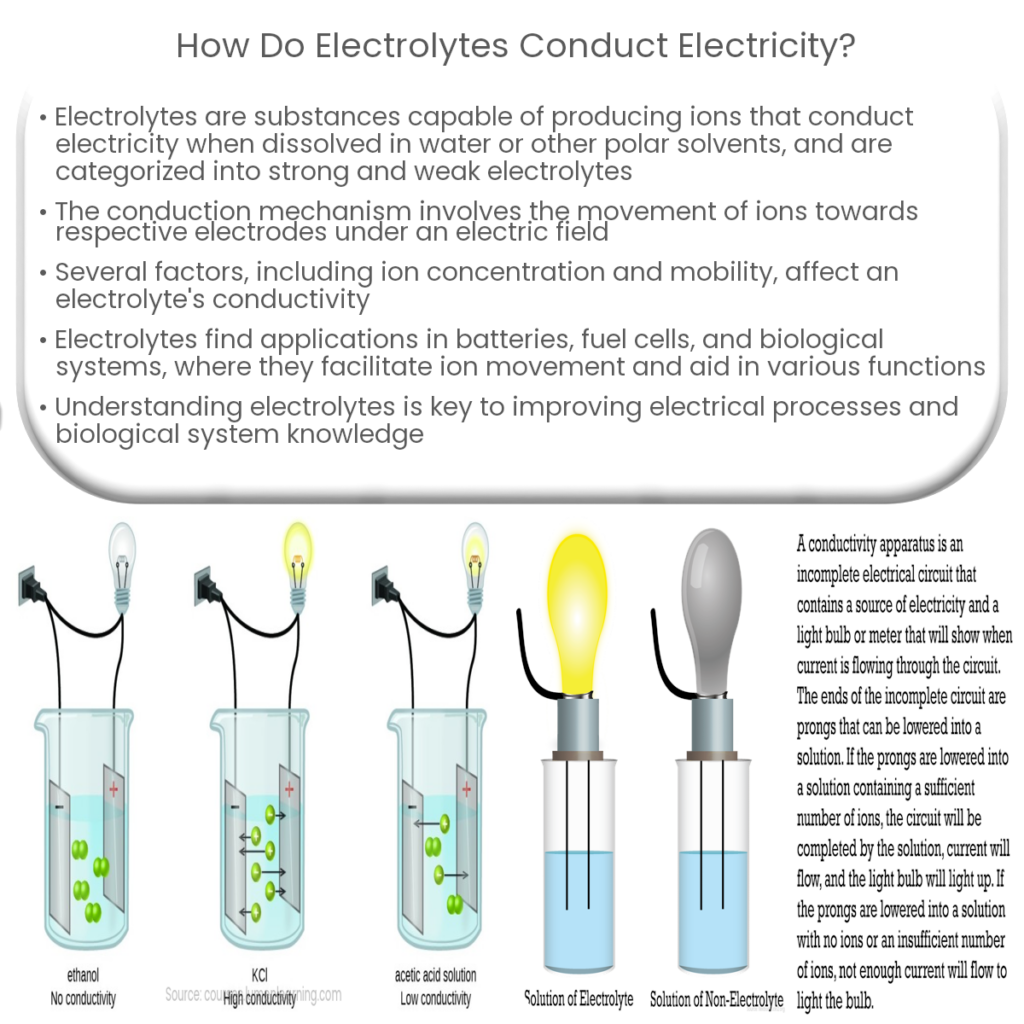
Electrolytes conduct electricity by dissociating into ions in a solution, which then move under an electric field, allowing current to flow.
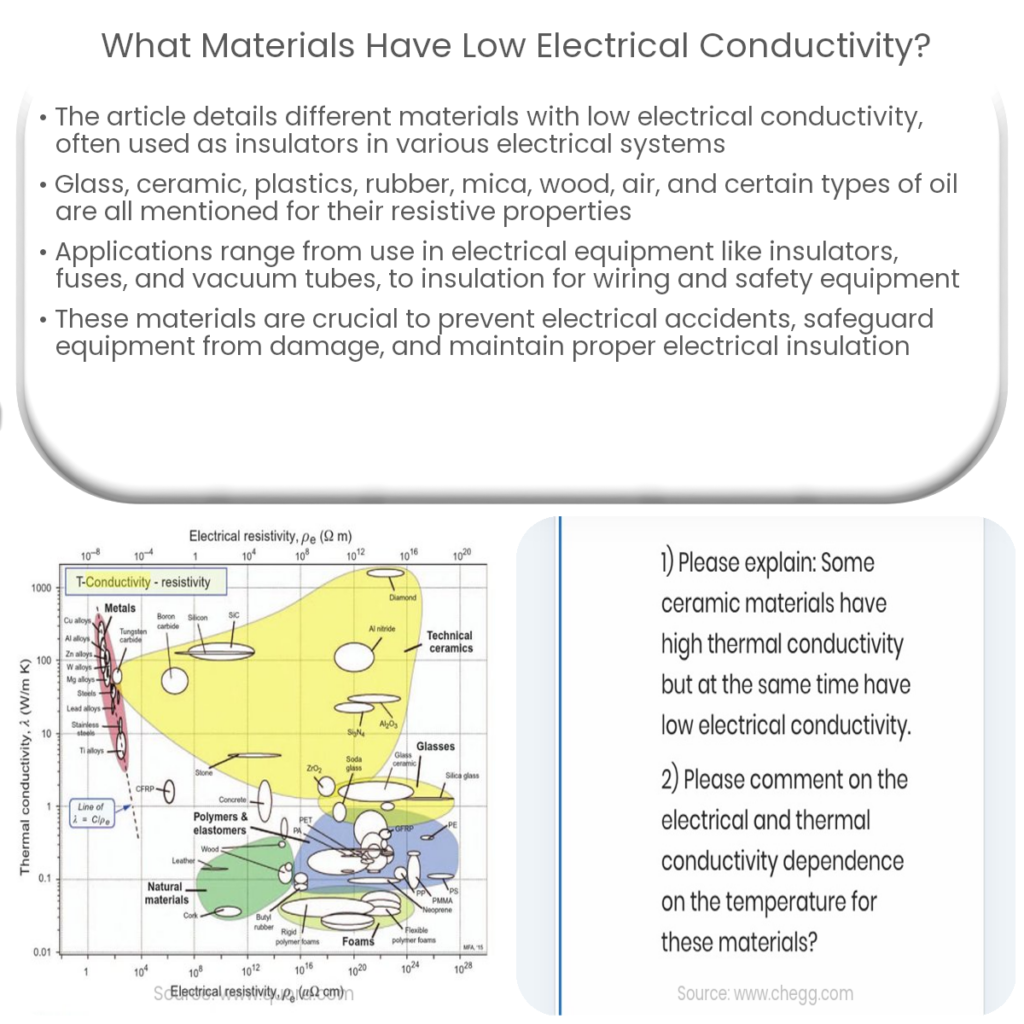
Low conductivity materials include glass, ceramics, plastics, rubber, mica, wood, air, and certain oils, used as insulators in various applications.

The primary purpose of this project is to help the public to learn some exciting and important information about electricity and magnetism.
Our Website follows all legal requirements to protect your privacy. Visit our Privacy Policy page.
The Cookies Statement is part of our Privacy Policy.
The information contained on this website is for general information purposes only. This website does not use any proprietary data. Visit our Editorial note.
It’s simple:
1) You may use almost everything for non-commercial and educational use.
2) You may not distribute or commercially exploit the content, especially on another website.
