
What is a current divider?
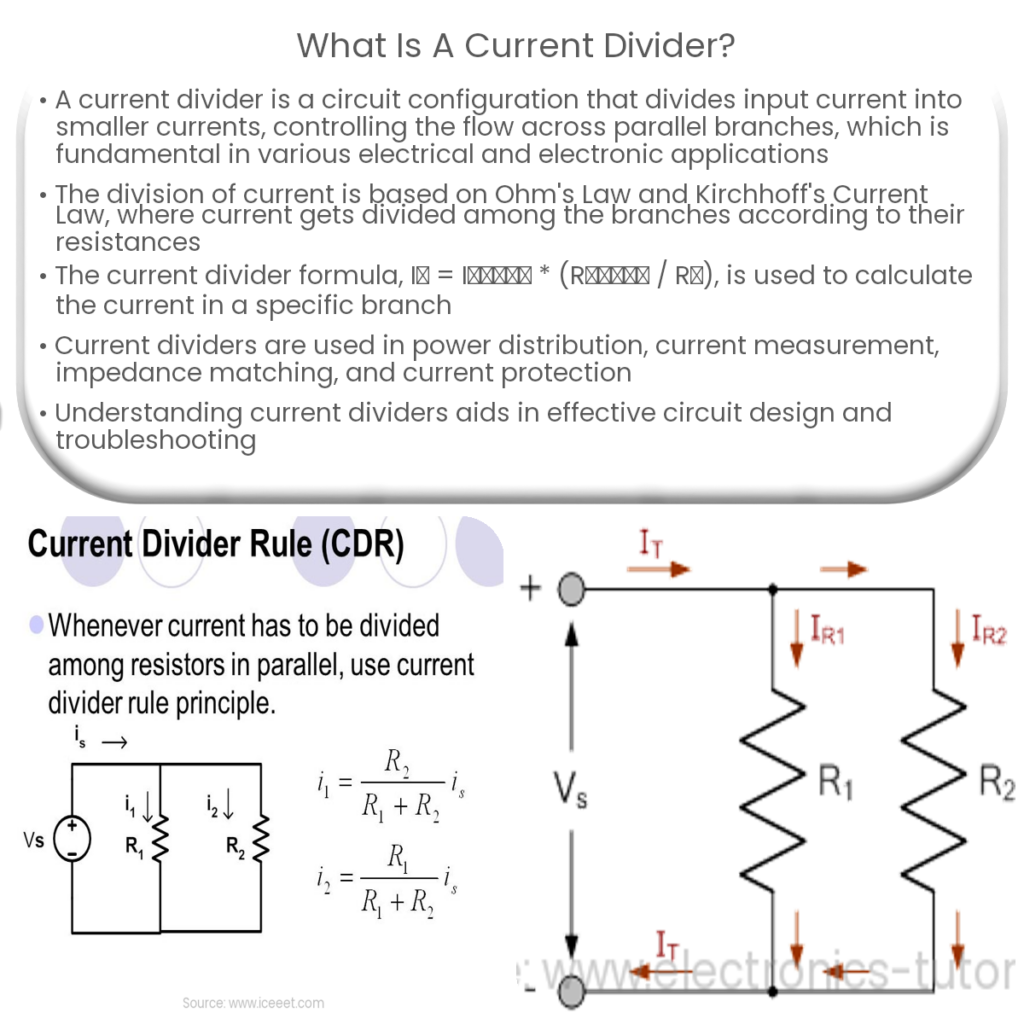
A current divider is a circuit that divides input current among parallel branches based on their resistances, controlling current flow in components.
A current divider is a circuit that divides input current among parallel branches based on their resistances, controlling current flow in components.

In a parallel circuit, the total resistance is calculated using the formula: 1/RT = 1/R1 + 1/R2 + … + 1/Rn. RT is the total resistance, and R1, R2, etc. are individual resistances.
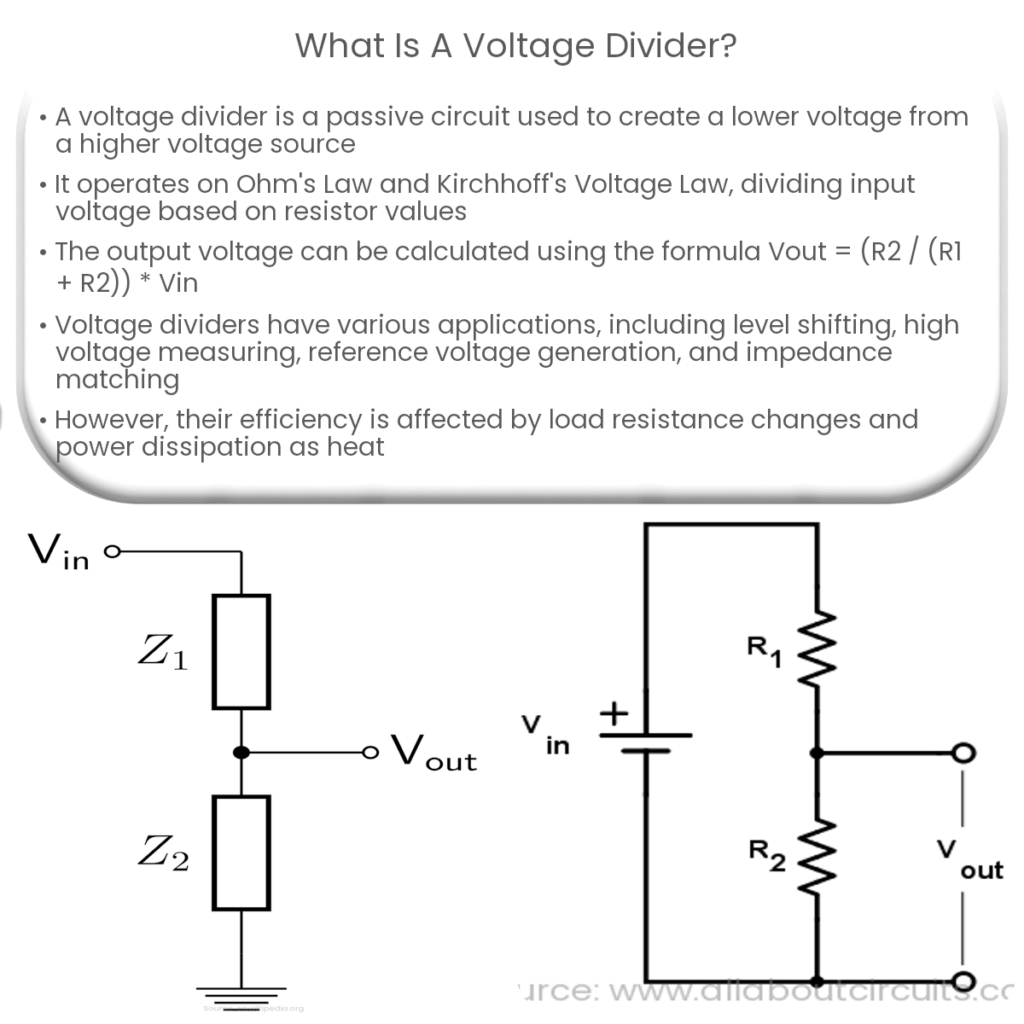
A voltage divider is a passive circuit that proportionally divides an input voltage using two or more resistive components connected in series.
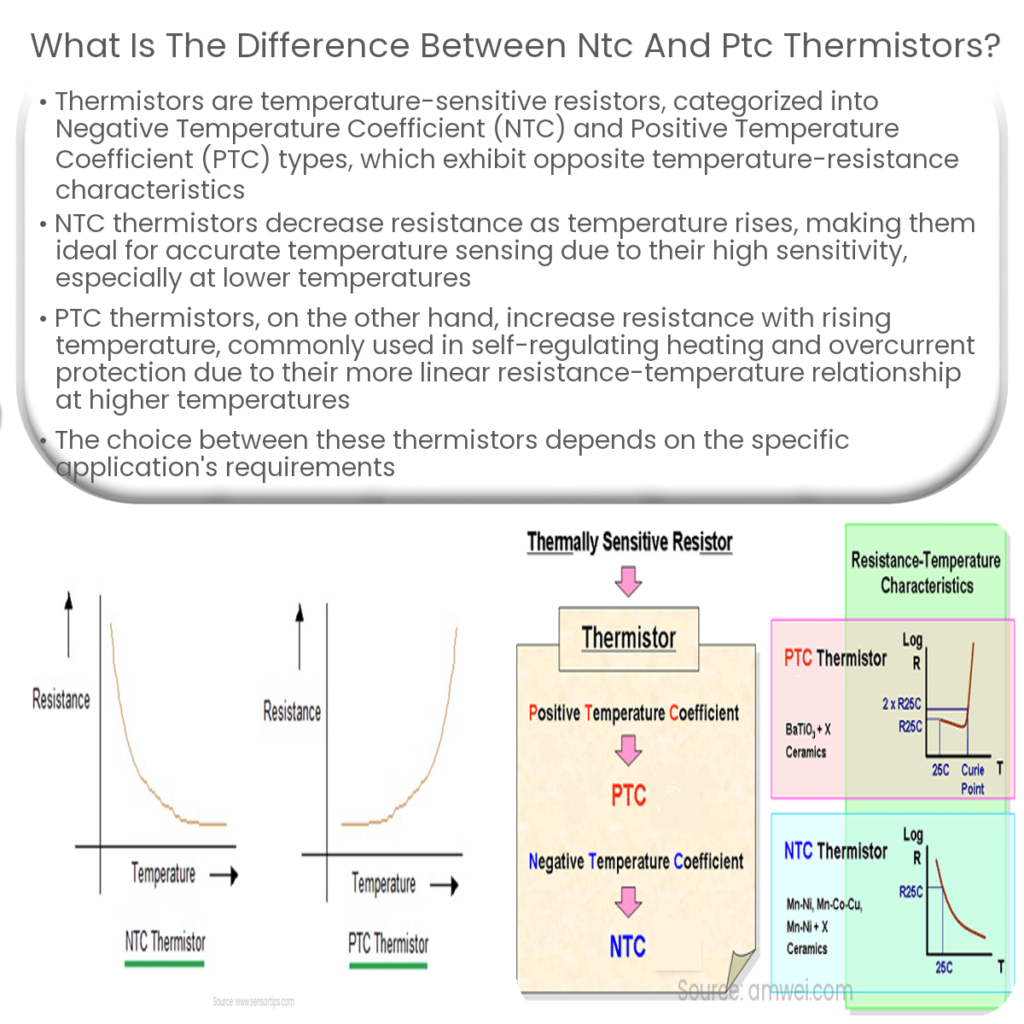
NTC thermistors have negative temperature coefficients, decreasing resistance with increasing temperature. PTC thermistors have positive coefficients, increasing resistance with rising temperature.
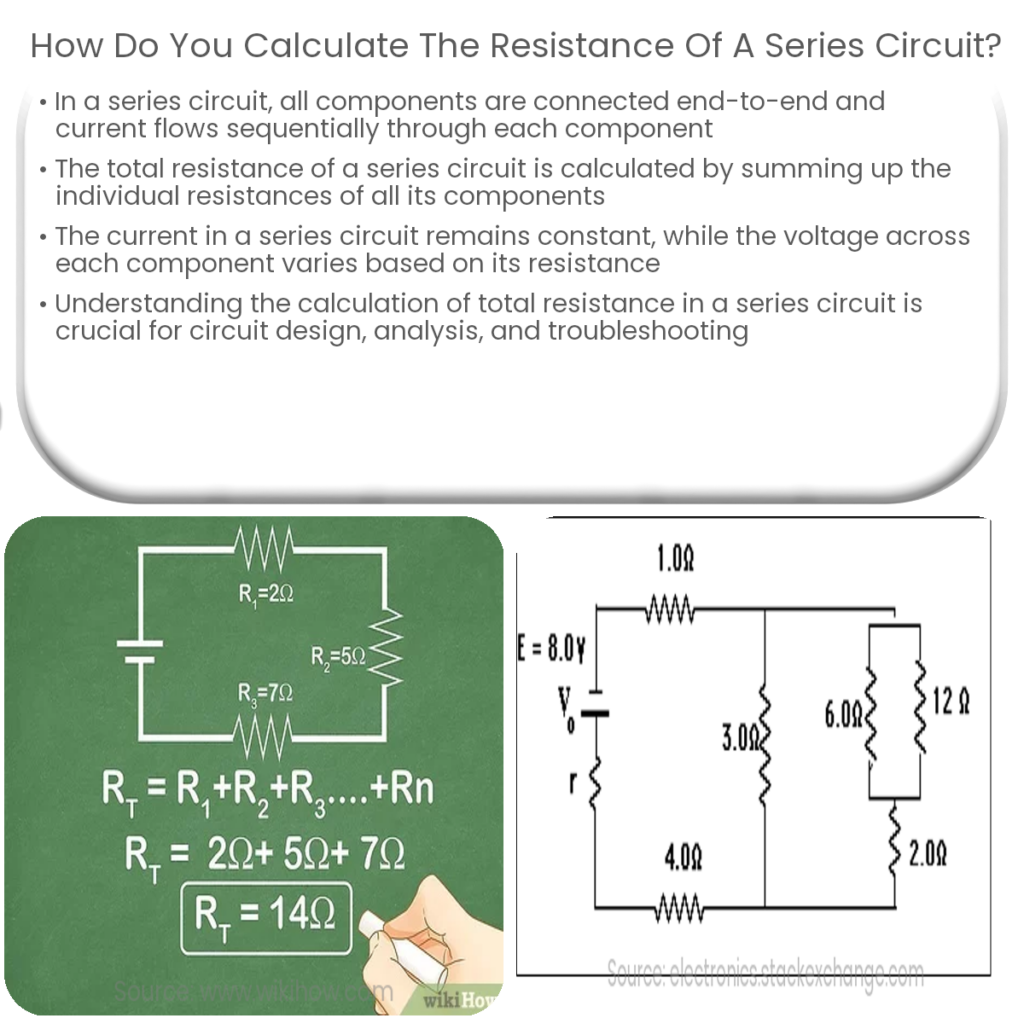
To calculate the resistance of a series circuit, simply add the individual resistances of all components in the circuit: R_T = R_1 + R_2 + … + R_n.
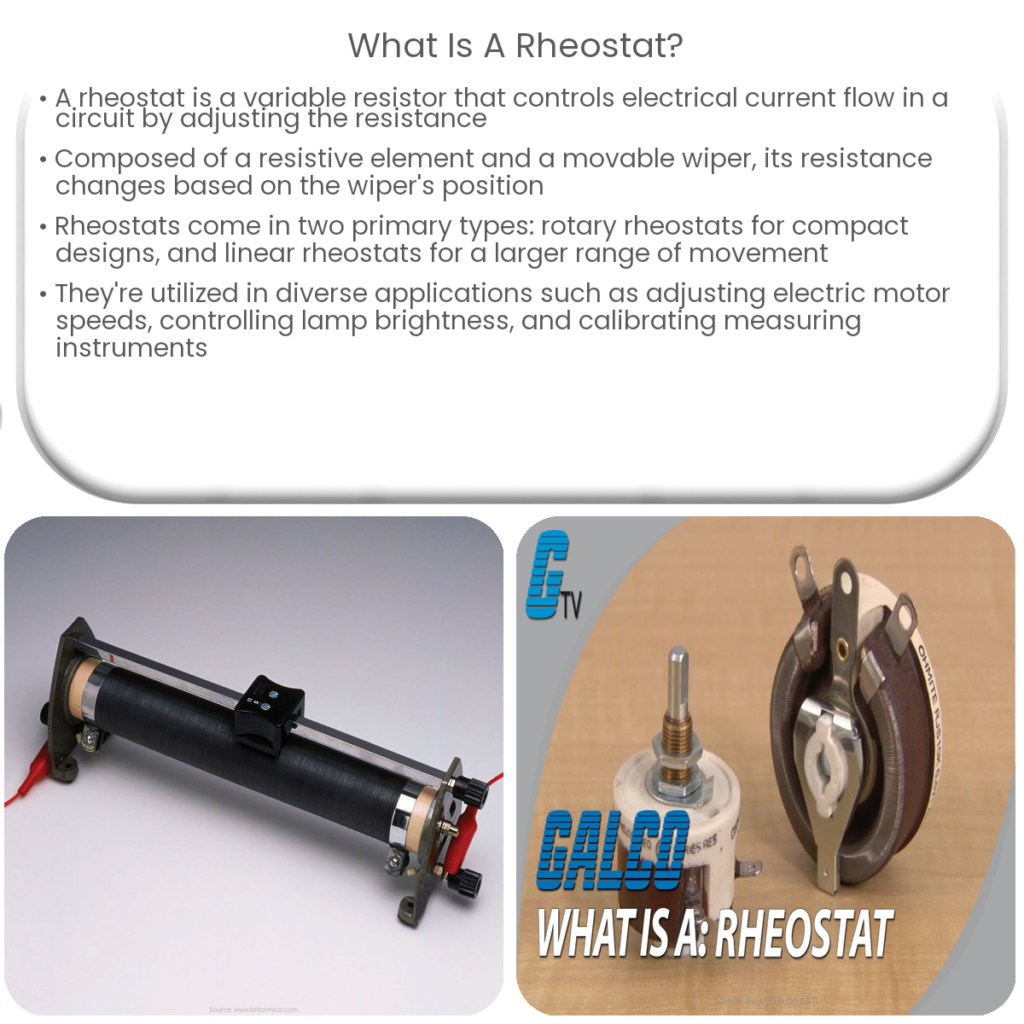
A rheostat is a variable resistor that controls current flow in a circuit by adjusting its resistance, used in applications like motor speed control.
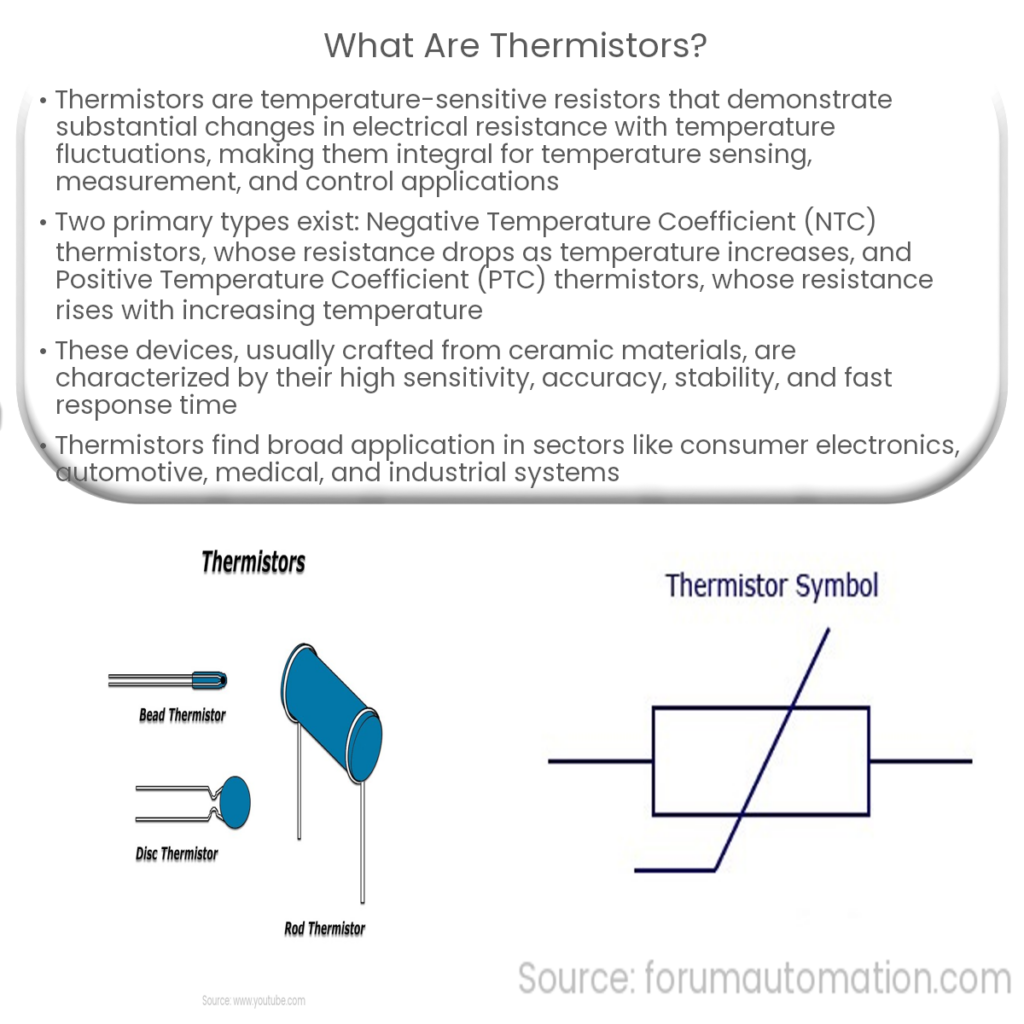
Thermistors are temperature-sensitive resistors used for sensing, measuring, and controlling temperature, due to their high sensitivity and accuracy.
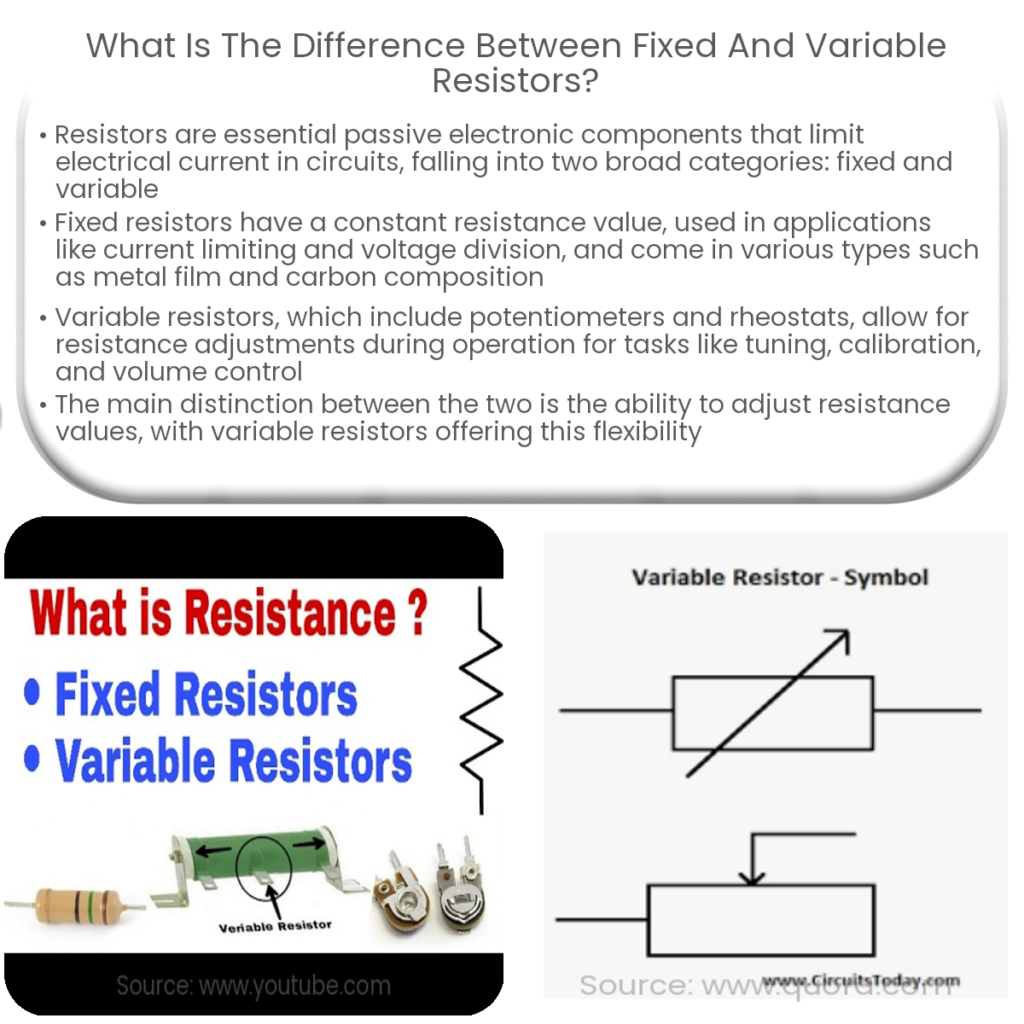
Fixed resistors have a constant resistance value, while variable resistors allow for adjustments in resistance to control voltage, current, or signal levels.
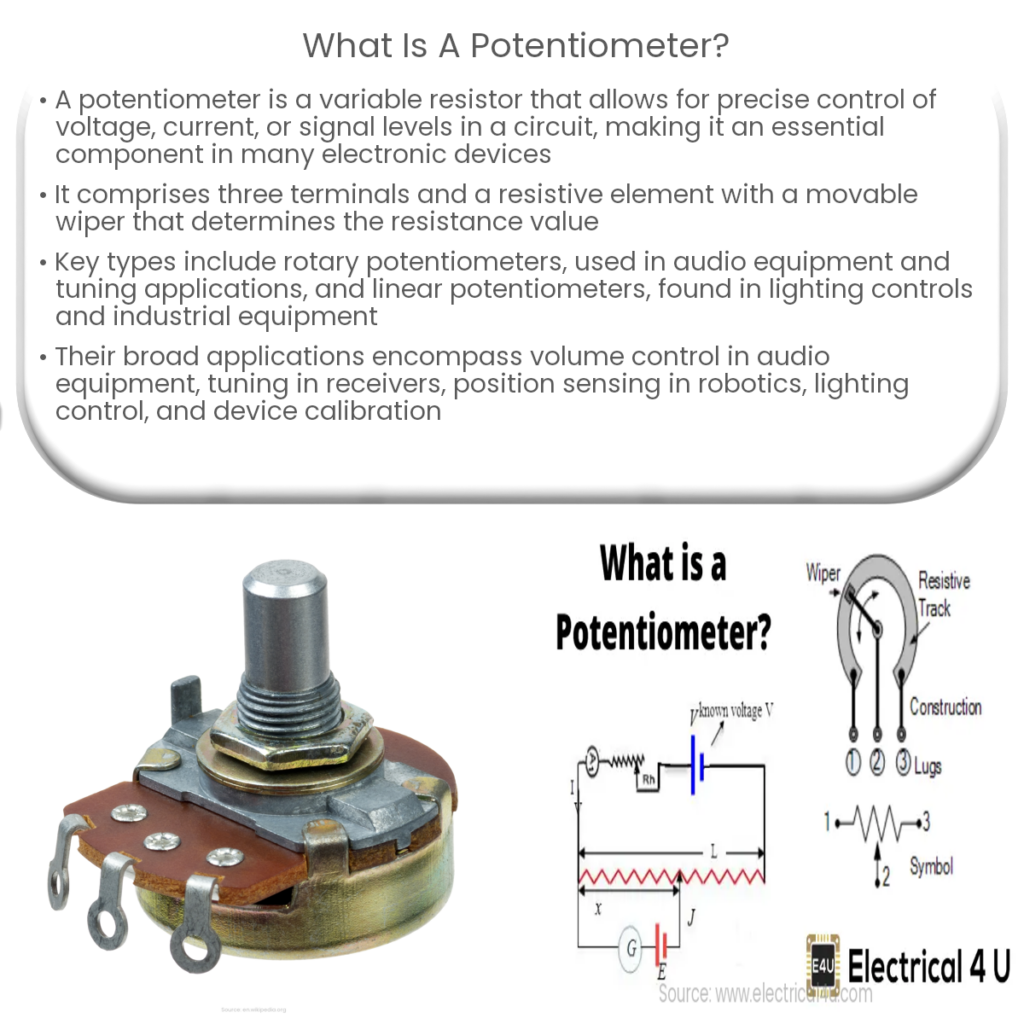
A potentiometer is a variable resistor that allows precise control of voltage, current, or signal levels in a circuit, commonly used for tuning and volume.

Resistors come in various types like fixed, variable, and specialty, each designed for specific purposes such as current control, voltage reduction, or sensing.

The primary purpose of this project is to help the public to learn some exciting and important information about electricity and magnetism.
Our Website follows all legal requirements to protect your privacy. Visit our Privacy Policy page.
The Cookies Statement is part of our Privacy Policy.
The information contained on this website is for general information purposes only. This website does not use any proprietary data. Visit our Editorial note.
It’s simple:
1) You may use almost everything for non-commercial and educational use.
2) You may not distribute or commercially exploit the content, especially on another website.
