
What is the role of magnetic induction in the design of electric motors?
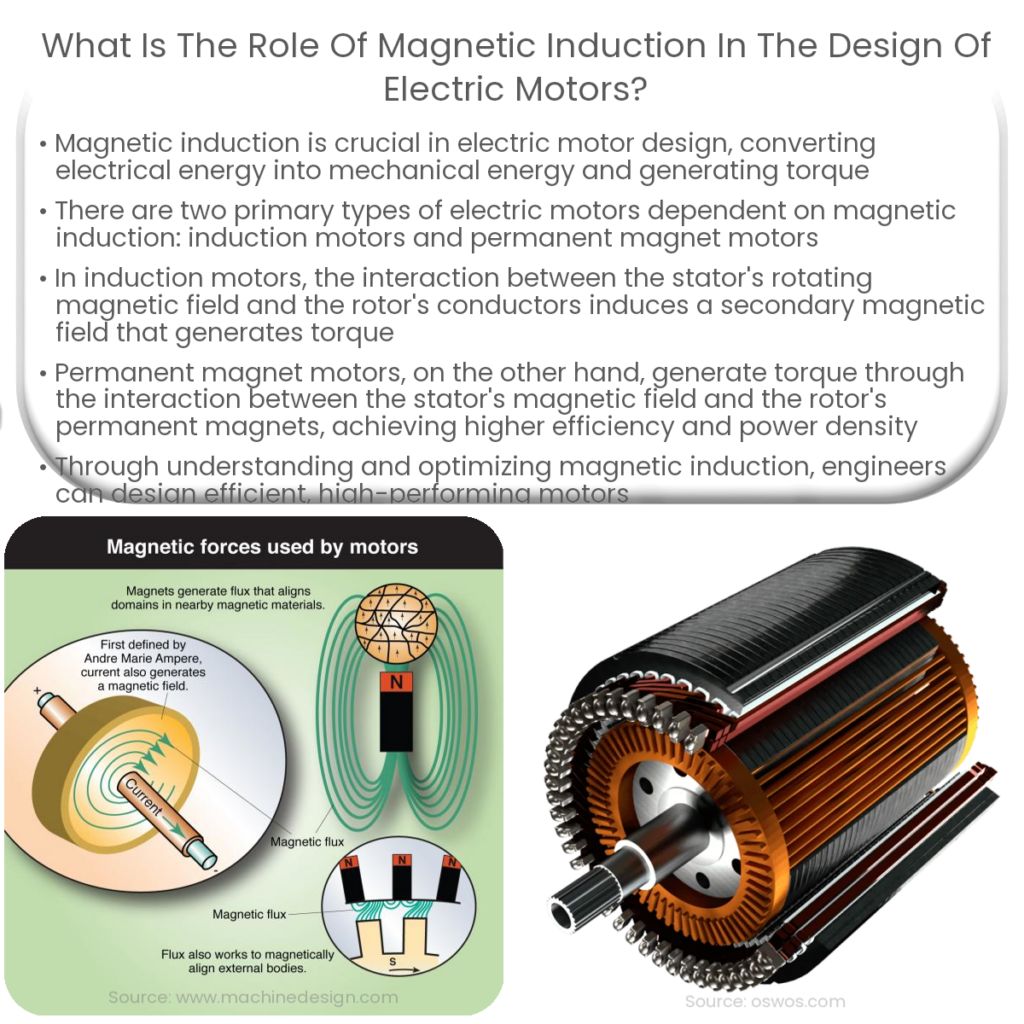
Magnetic induction is crucial in electric motor design, generating torque through interactions between stator’s magnetic field and rotor conductors or magnets.
Magnetic induction is crucial in electric motor design, generating torque through interactions between stator’s magnetic field and rotor conductors or magnets.
Self-induction is when a changing current in a coil induces an opposing EMF within the same coil, and it’s related to magnetic induction principles.
Mutual induction occurs when a changing current in one coil induces an EMF in a neighboring coil, and it’s a specific instance of magnetic induction.
A transformer is a crucial electrical device that transfers electrical energy between circuits while altering voltage levels. The efficiency of a transformer, which is the ratio of its output power to its input power, is a critical parameter.
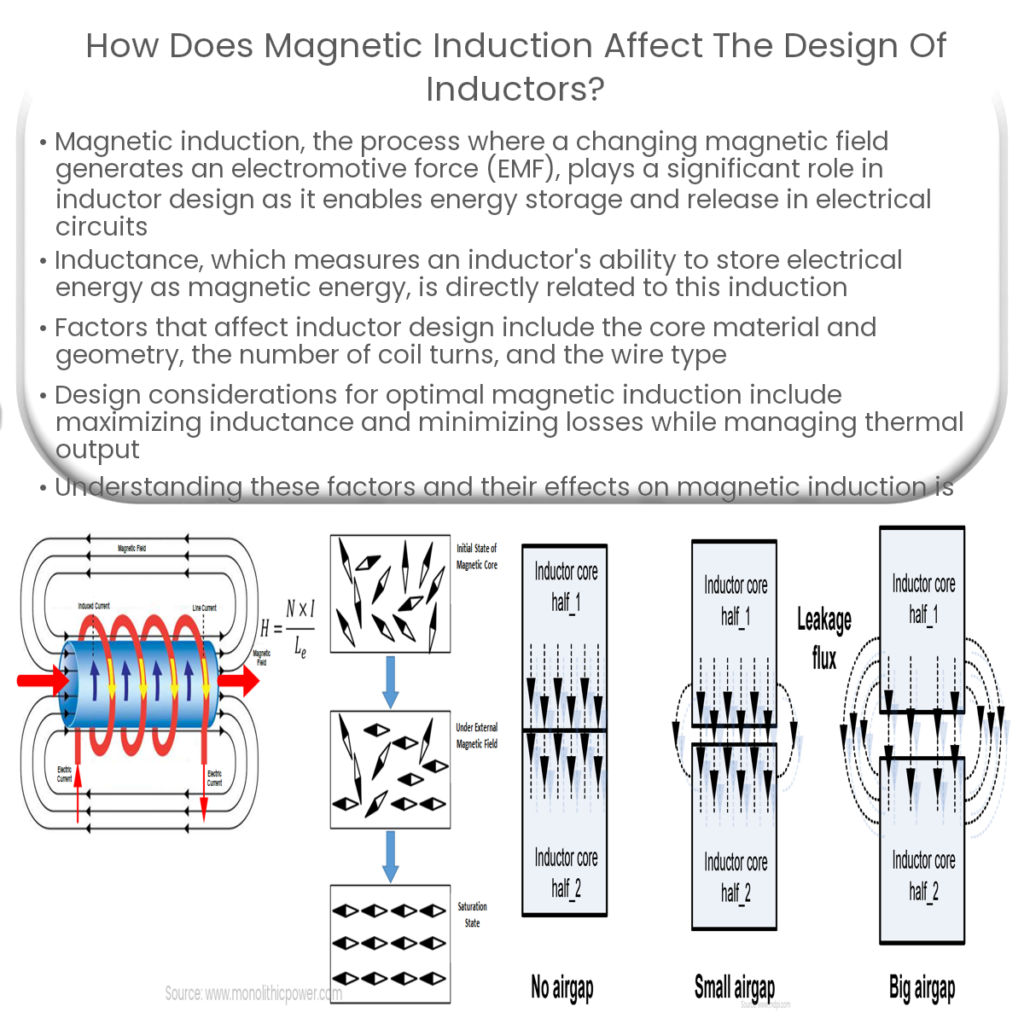
Magnetic induction affects inductor design by influencing core material, geometry, wire type, and coil turns, optimizing energy storage and release.
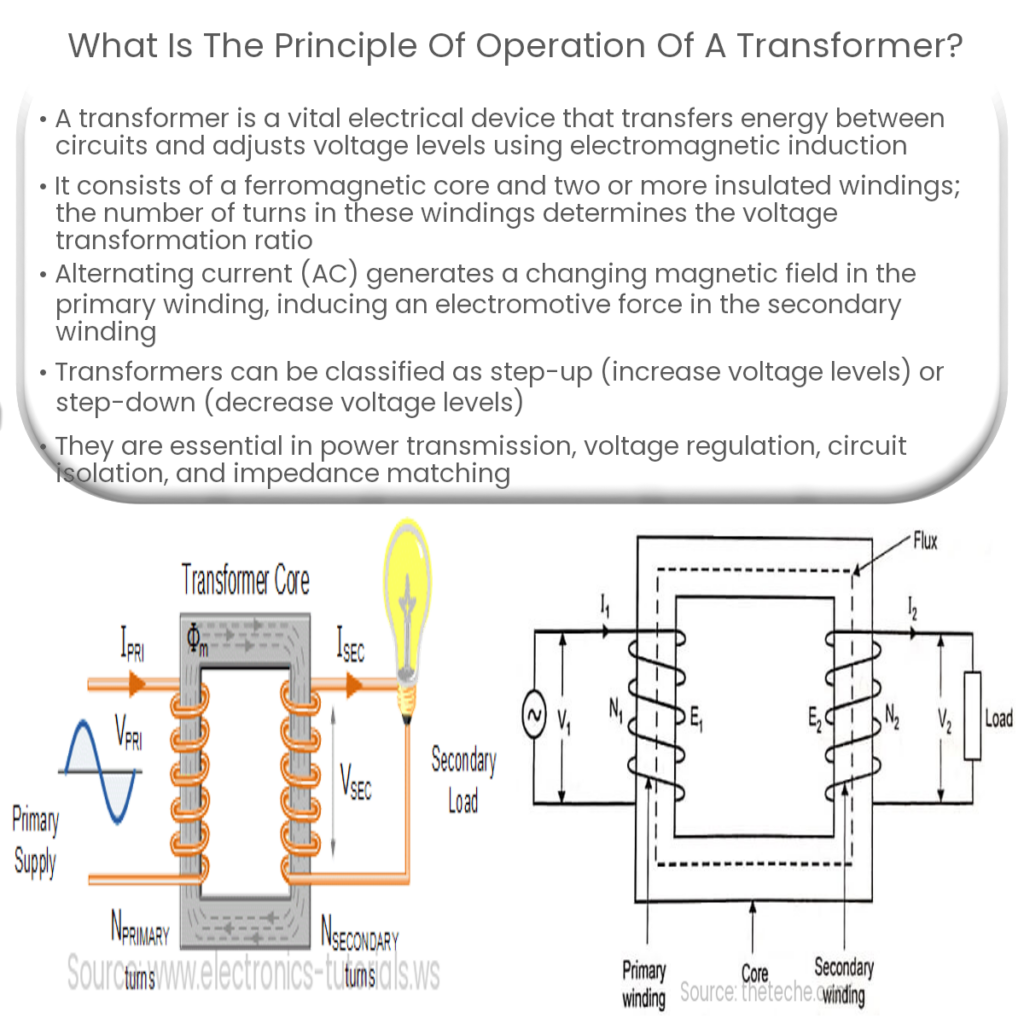
A transformer operates on the principle of electromagnetic induction, transferring electrical energy between circuits while altering voltage levels.
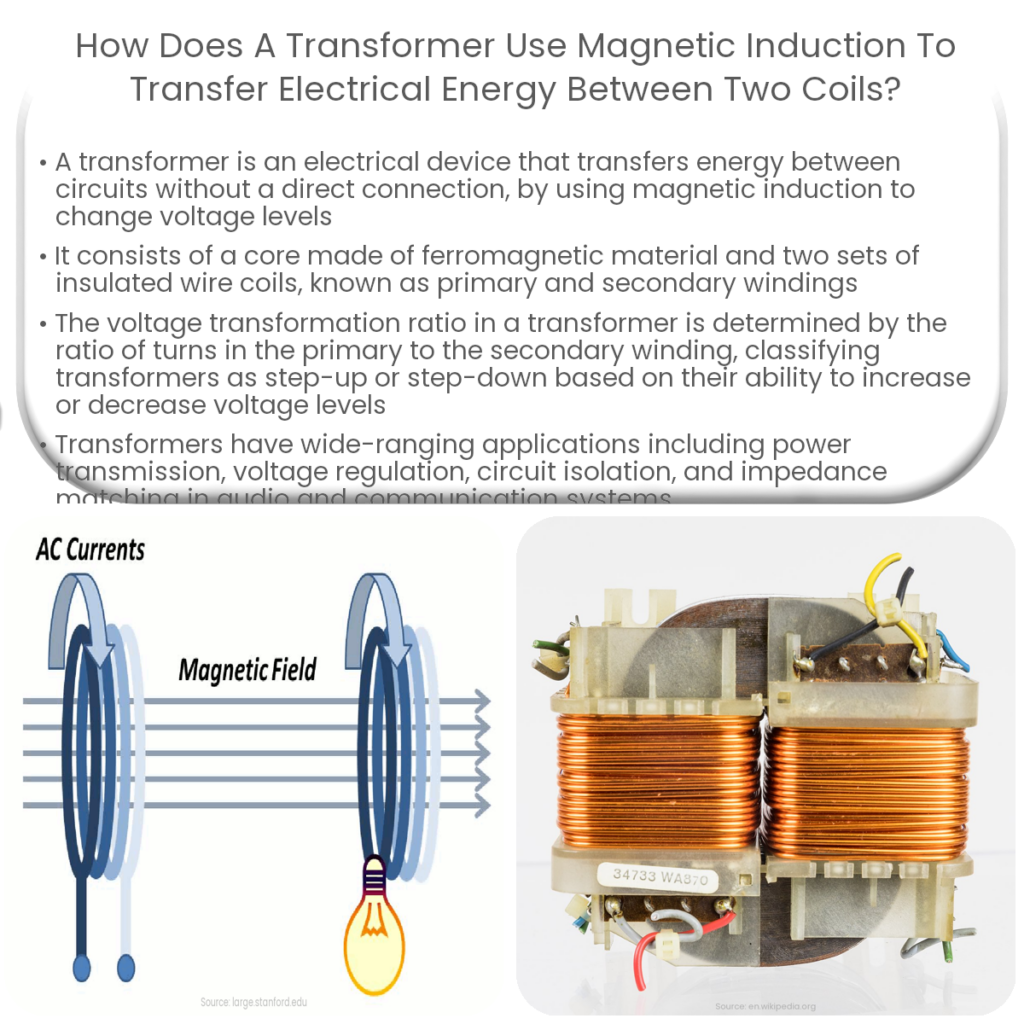
A transformer uses magnetic induction to transfer electrical energy between two coils by inducing an electromotive force in the secondary winding.
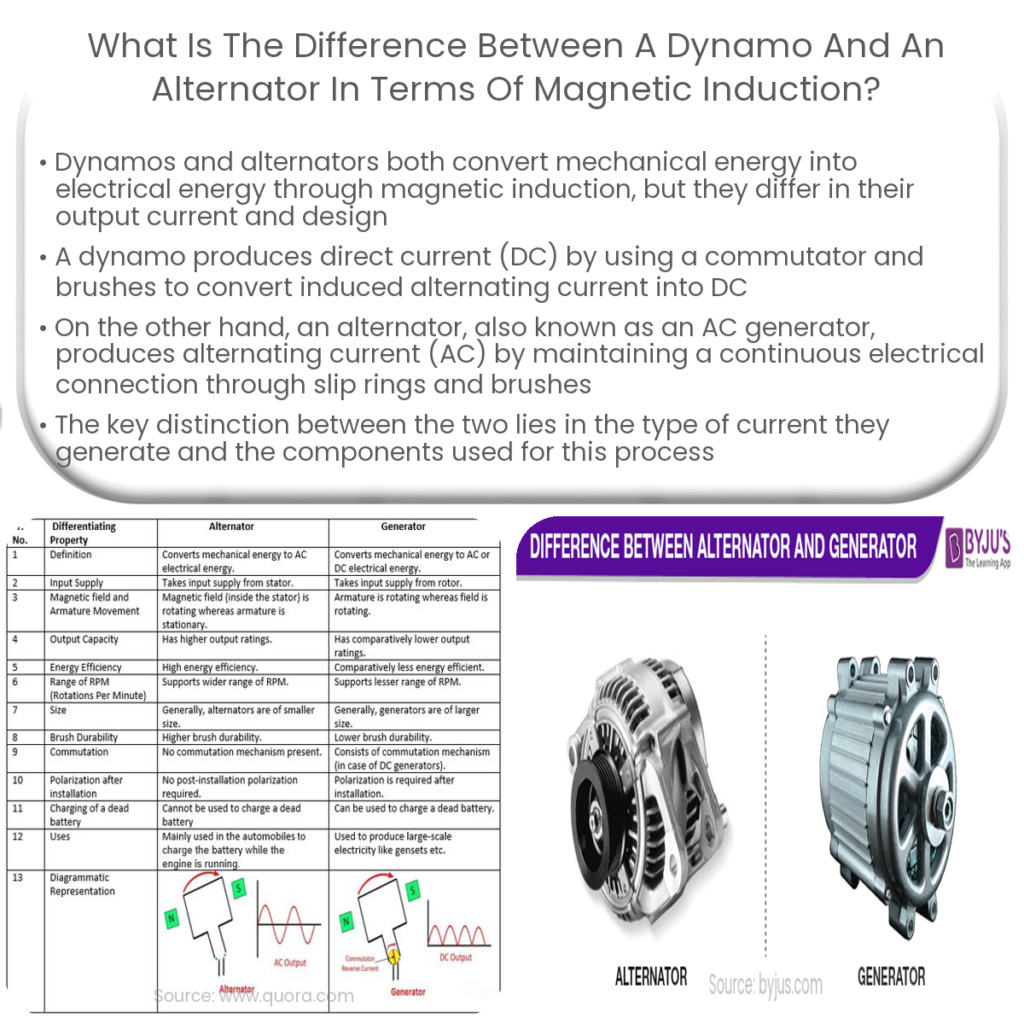
The key difference is that dynamos generate direct current (DC) using a commutator, while alternators produce alternating current (AC) using slip rings.
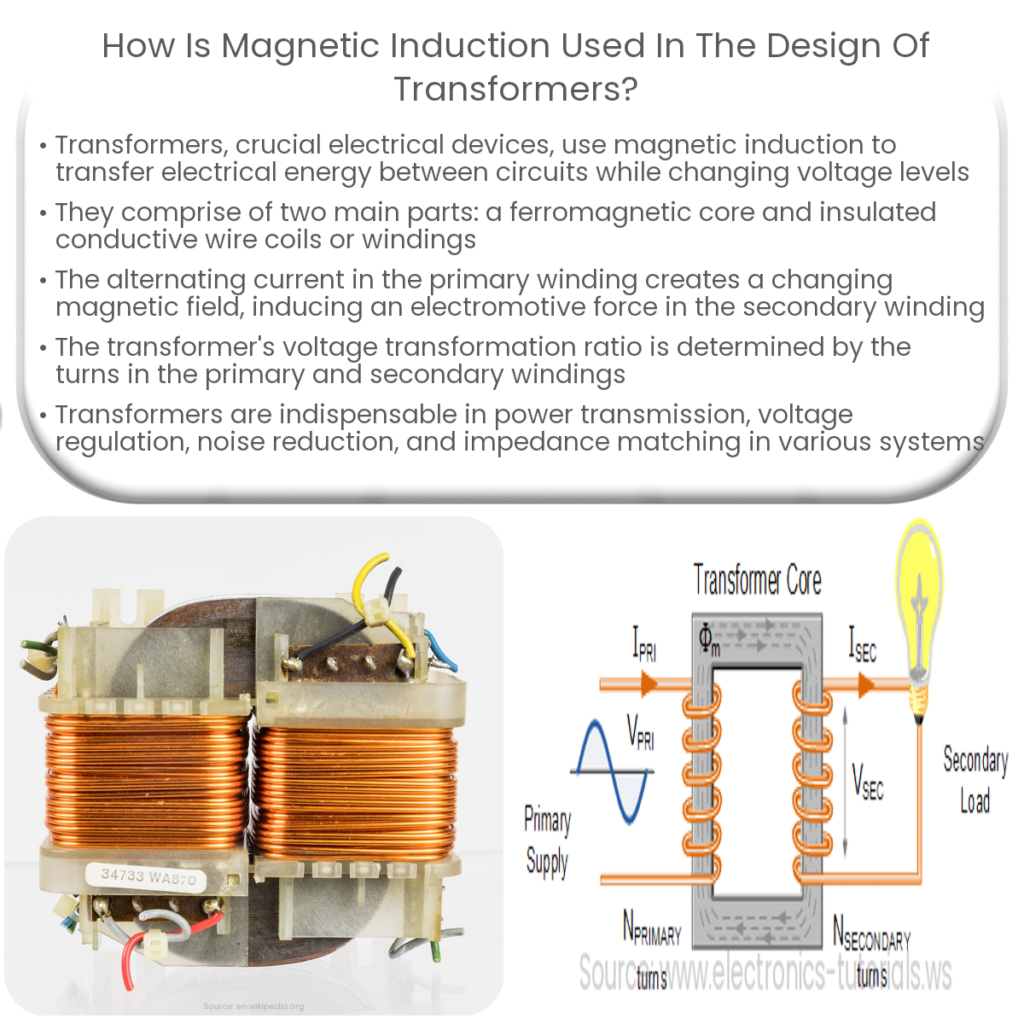
Magnetic induction is used in transformers to transfer electrical energy between circuits while altering voltage levels by inducing an EMF in the windings.
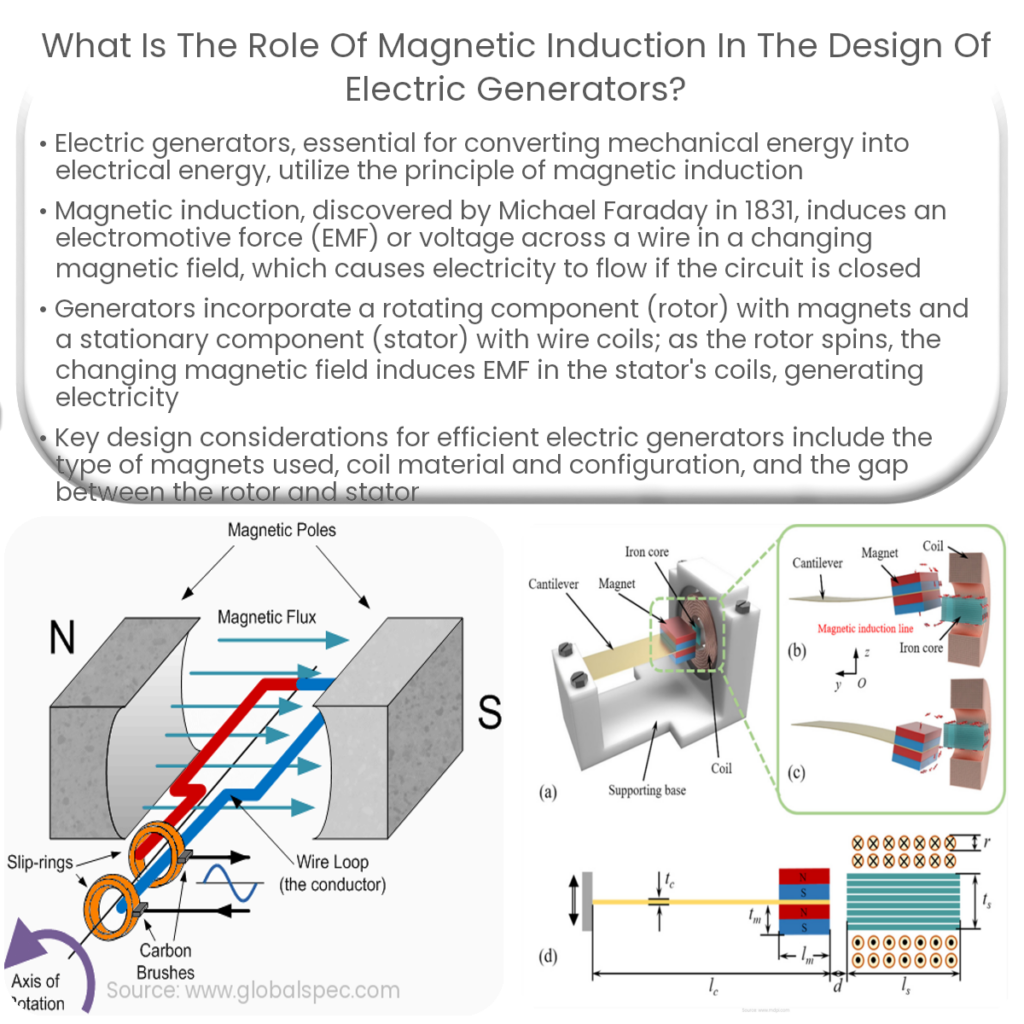
Magnetic induction is crucial in electric generator design, as it enables the conversion of mechanical energy into electrical energy through a changing magnetic field.

The primary purpose of this project is to help the public to learn some exciting and important information about electricity and magnetism.
Our Website follows all legal requirements to protect your privacy. Visit our Privacy Policy page.
The Cookies Statement is part of our Privacy Policy.
The information contained on this website is for general information purposes only. This website does not use any proprietary data. Visit our Editorial note.
It’s simple:
1) You may use almost everything for non-commercial and educational use.
2) You may not distribute or commercially exploit the content, especially on another website.
