
What is the role of printed circuit boards (PCBs) in electric circuit design?
PCBs serve as the foundation for electronic components, enabling efficient signal transfer and providing compact, reliable, and cost-effective circuit design.
PCBs serve as the foundation for electronic components, enabling efficient signal transfer and providing compact, reliable, and cost-effective circuit design.
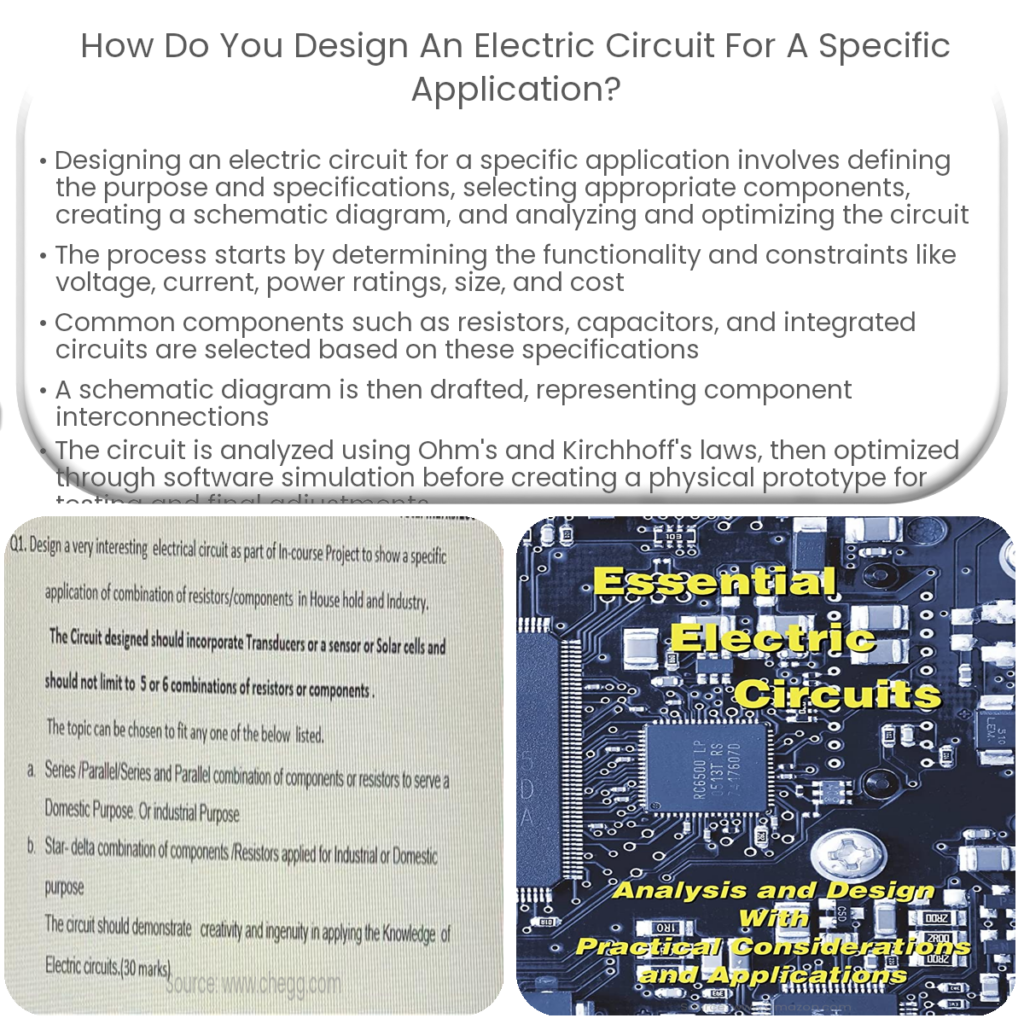
To design an electric circuit for a specific application, define the purpose, select appropriate components, create a schematic, analyze, and test a prototype.

Different types of electric circuit simulation software include SPICE-based, graphical circuit, and system-level simulation tools.
GFCIs protect electrical circuits by detecting imbalances in current, cutting off power to prevent shocks and minimize fire hazards.
Transient voltage suppressors (TVS) are semiconductor devices designed to protect sensitive electronic circuits from voltage spikes and transient overvoltages.
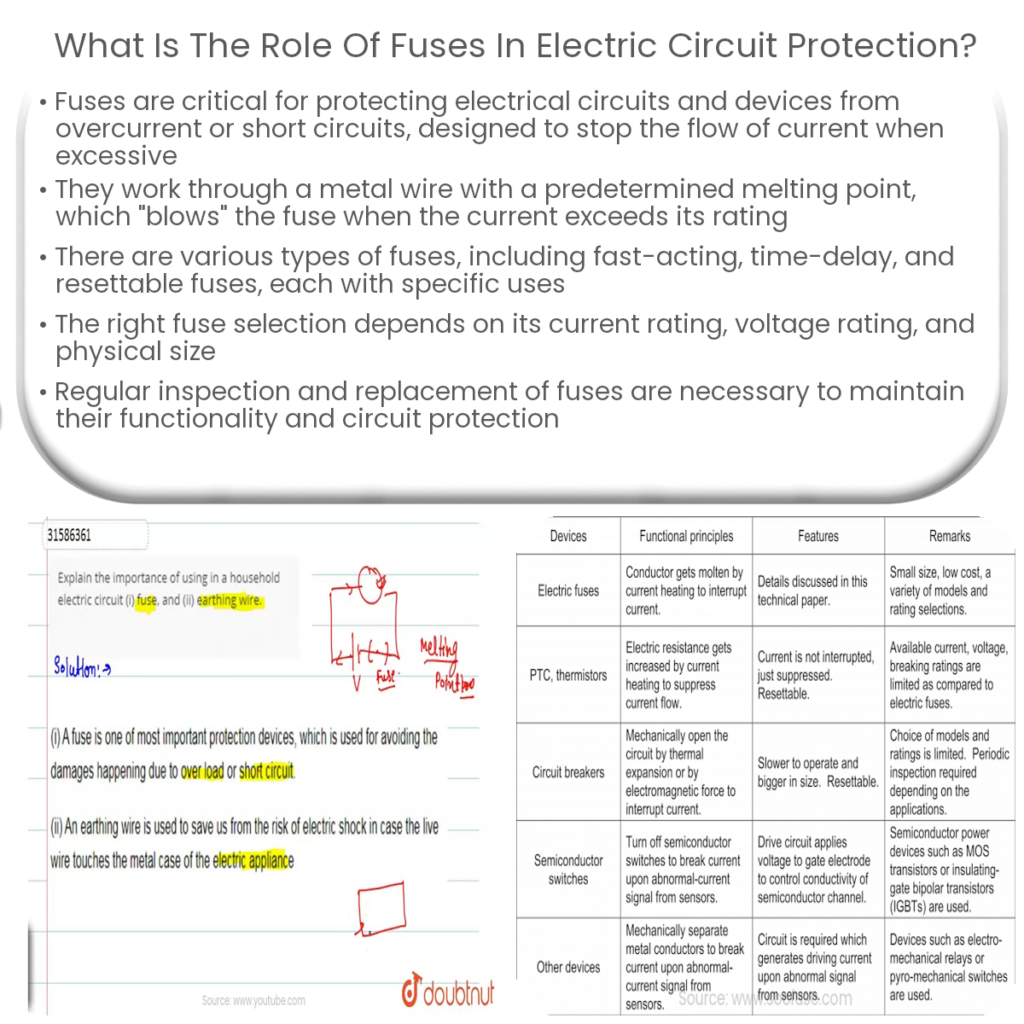
Fuses protect electrical circuits by breaking the circuit and stopping current flow when excessive current passes through, preventing damage.
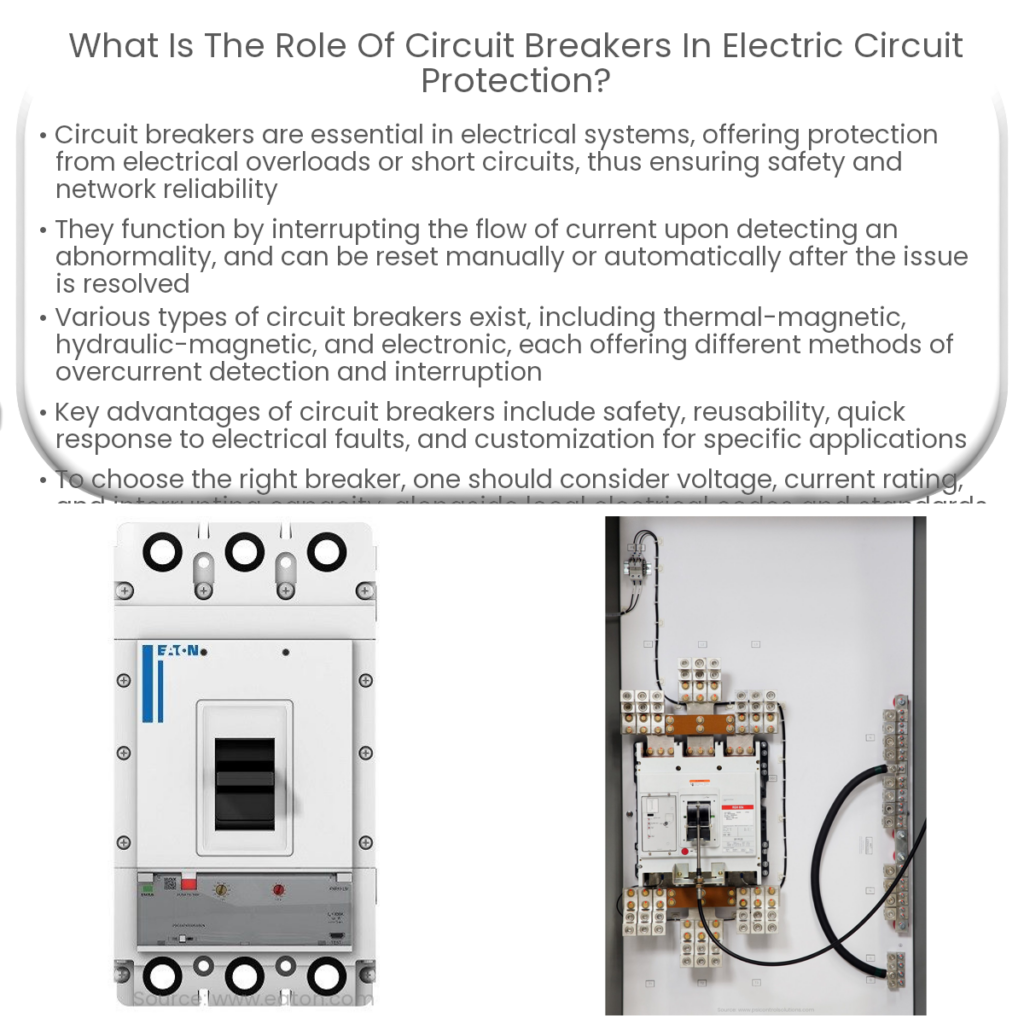
Circuit breakers protect electrical systems by detecting and interrupting excessive current flow, preventing damage to devices and reducing fire risks.
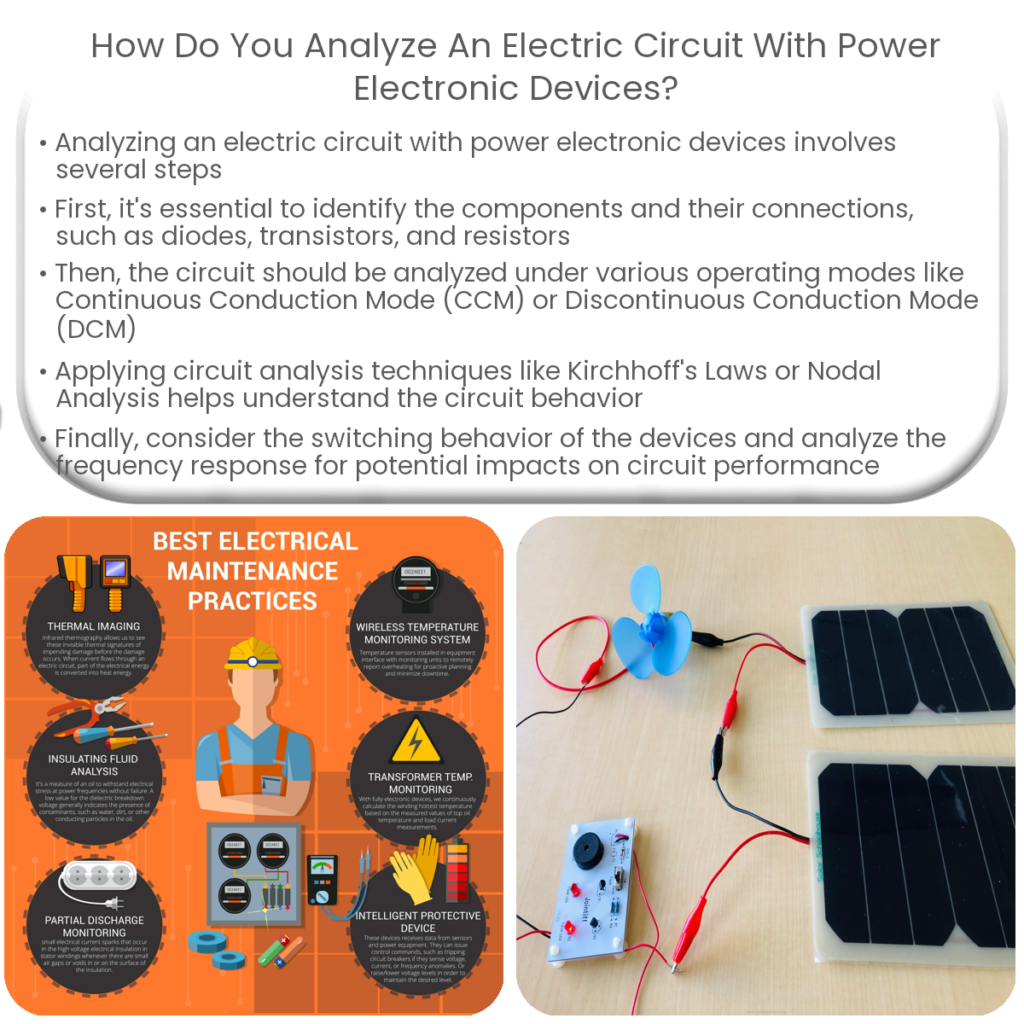
To analyze an electric circuit with power electronic devices, identify components, determine operating modes, apply circuit analysis techniques, consider switching behavior, and analyze frequency response.
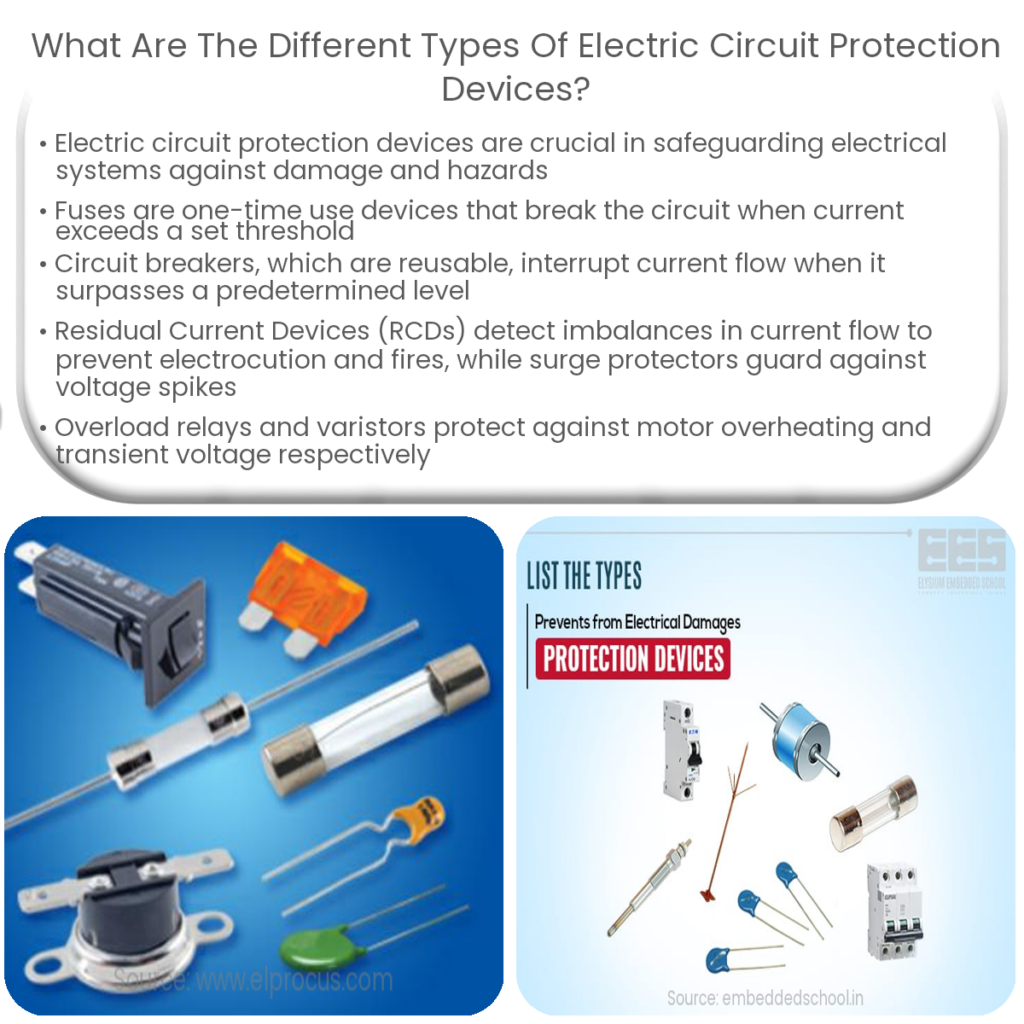
Different types of circuit protection devices include fuses, circuit breakers, residual current devices (RCDs), surge protectors, overload relays, and varistors.
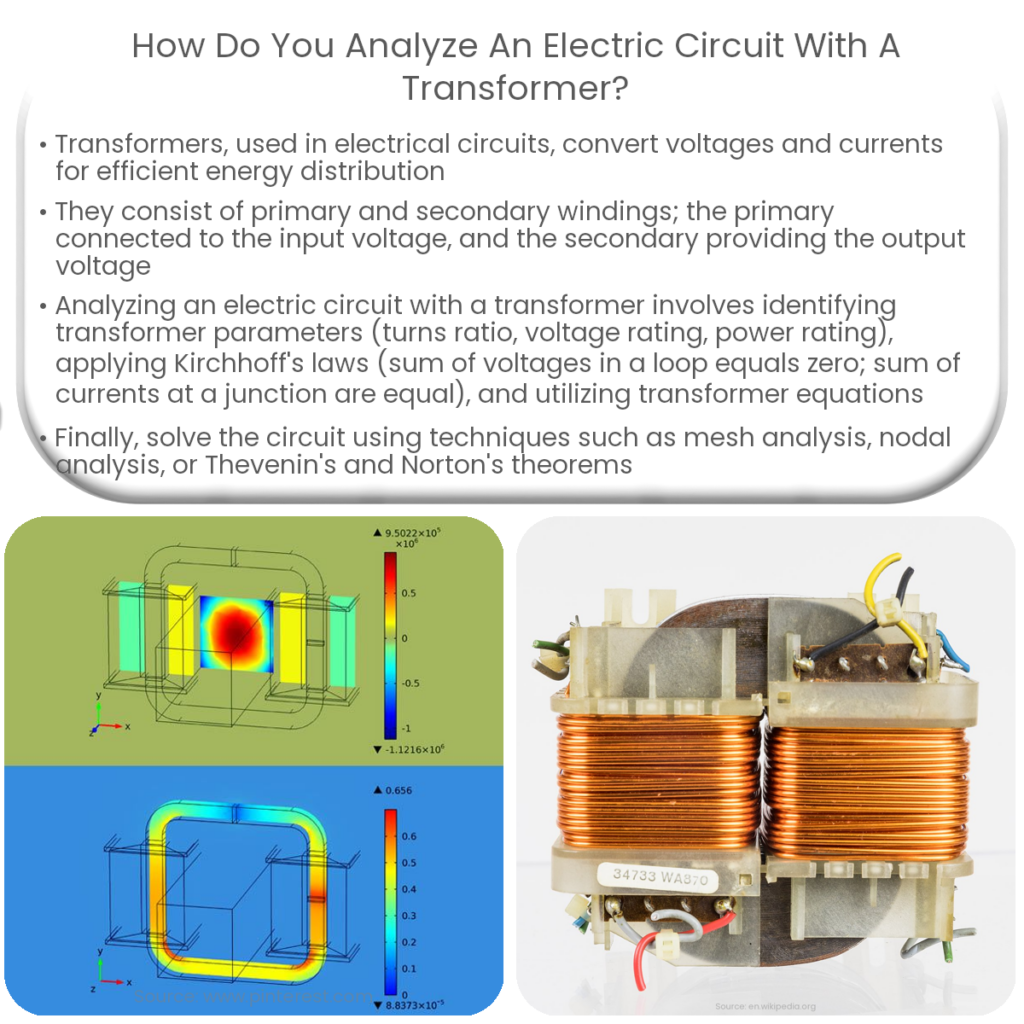
To analyze a circuit with a transformer, identify its parameters, apply Kirchhoff’s laws, use transformer equations, and solve the circuit.

The primary purpose of this project is to help the public to learn some exciting and important information about electricity and magnetism.
Our Website follows all legal requirements to protect your privacy. Visit our Privacy Policy page.
The Cookies Statement is part of our Privacy Policy.
The information contained on this website is for general information purposes only. This website does not use any proprietary data. Visit our Editorial note.
It’s simple:
1) You may use almost everything for non-commercial and educational use.
2) You may not distribute or commercially exploit the content, especially on another website.
