
What is the role of power electronics in electric circuits?
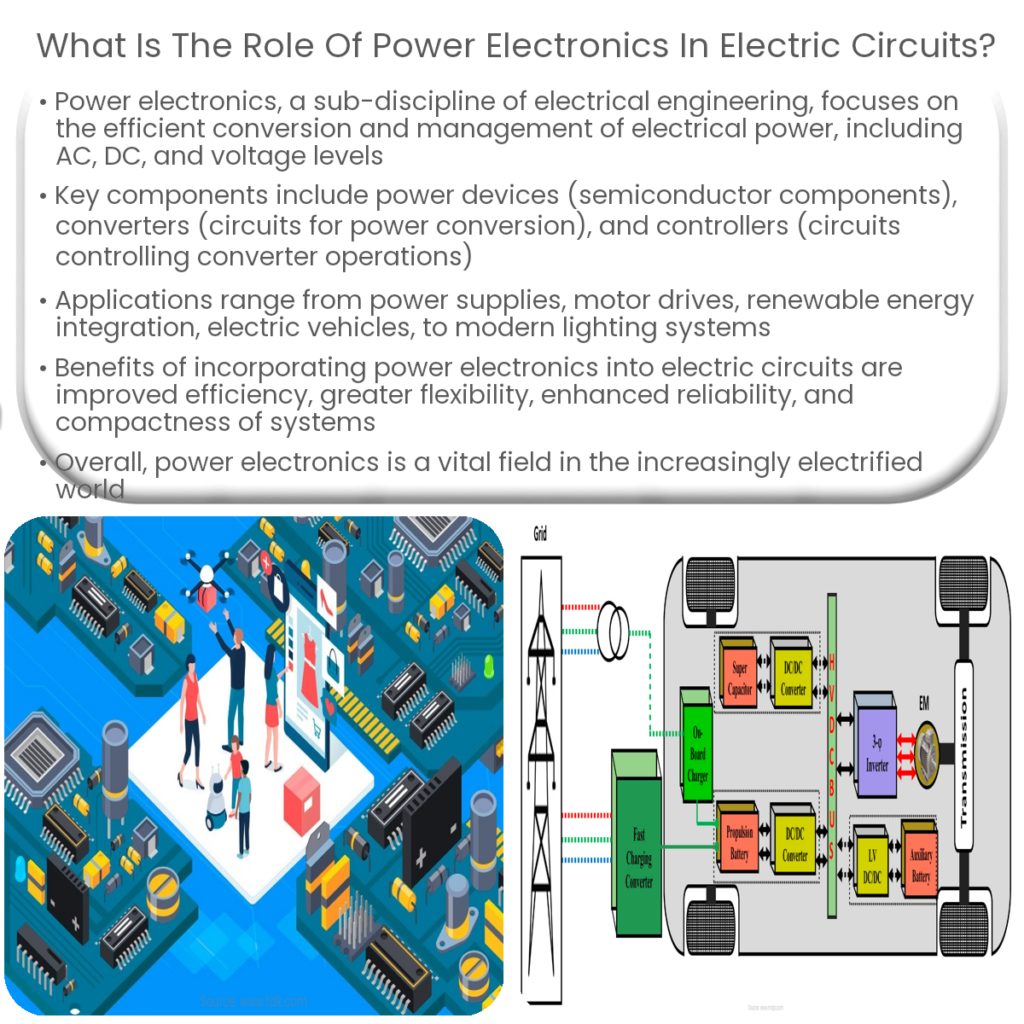
Power electronics controls and converts electrical power, improving efficiency and enabling precise management in various applications.
Power electronics controls and converts electrical power, improving efficiency and enabling precise management in various applications.
Phasor notation is a mathematical representation of sinusoidal waveforms used to simplify AC circuit analysis by converting time-domain functions.
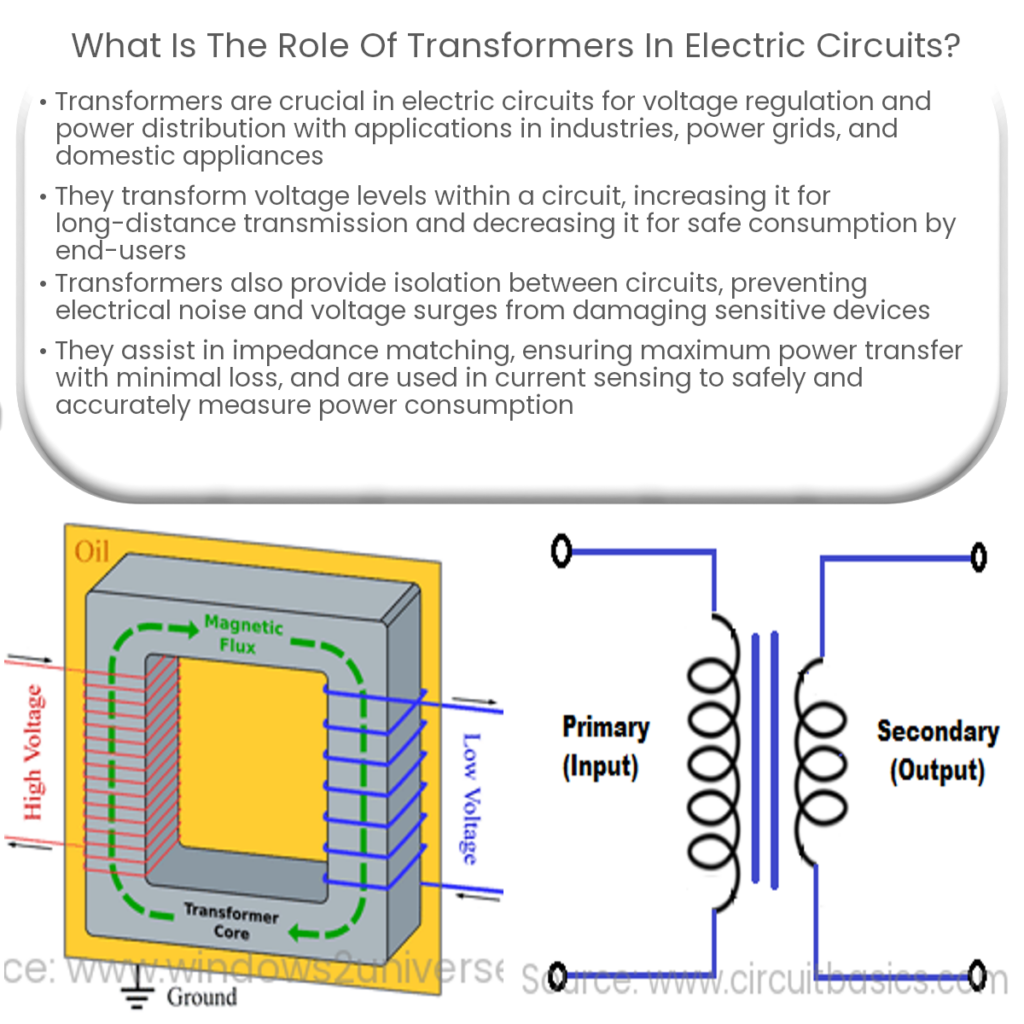
Transformers are essential components in electric circuits, serving as vital devices for voltage regulation and power distribution. They have a wide range of applications in industries, power grids, and domestic appliances. In this article, we will explore the key roles transformers play in electric circuits.
Admittance (Y) in AC circuits represents how easily current flows, and is calculated as the reciprocal of impedance (Z): Y = 1/Z.
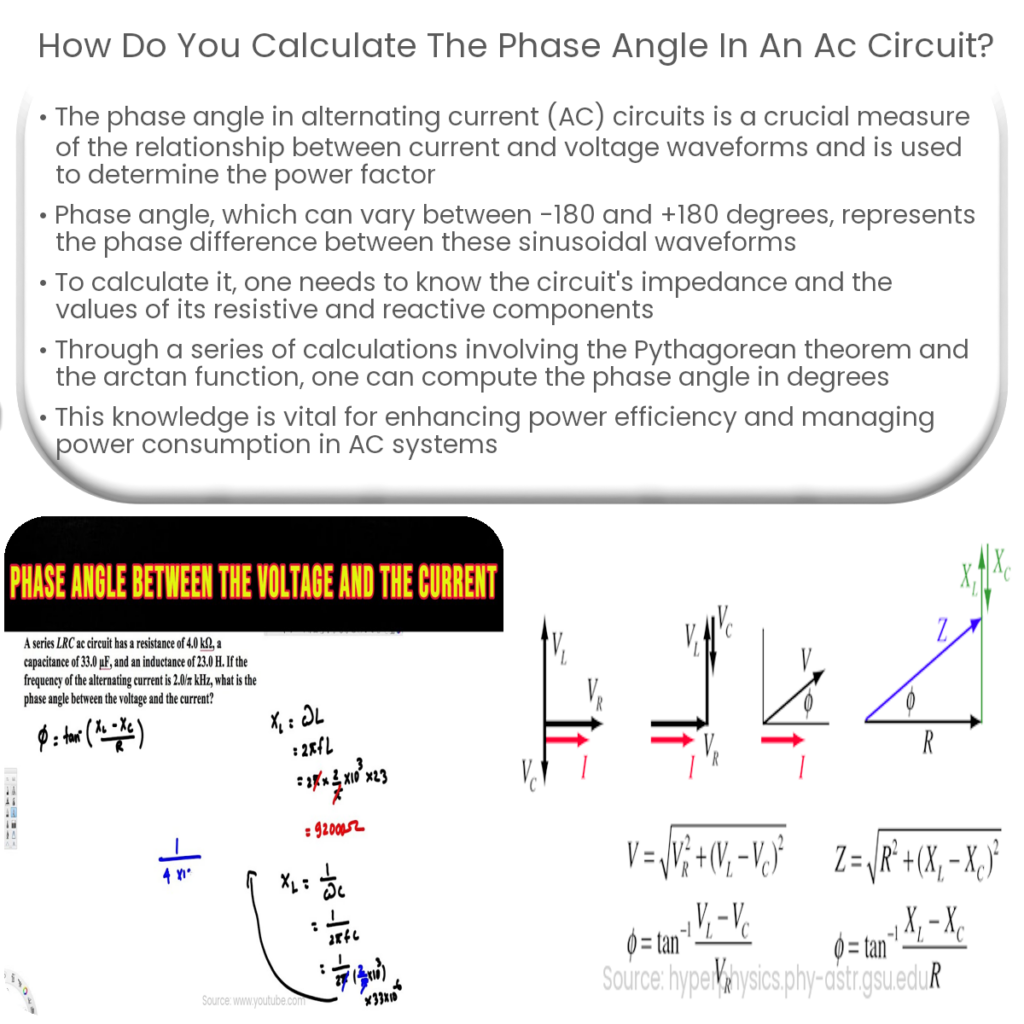
To calculate the phase angle in an AC circuit, find the impedance (Z), then use θ = arctan((Xₗ – Xc) / R) and convert to degrees.
To analyze AC circuits with resistors, capacitors, and inductors, use complex numbers, phasor representation, and Kirchhoff’s laws to solve for unknown currents and voltages.
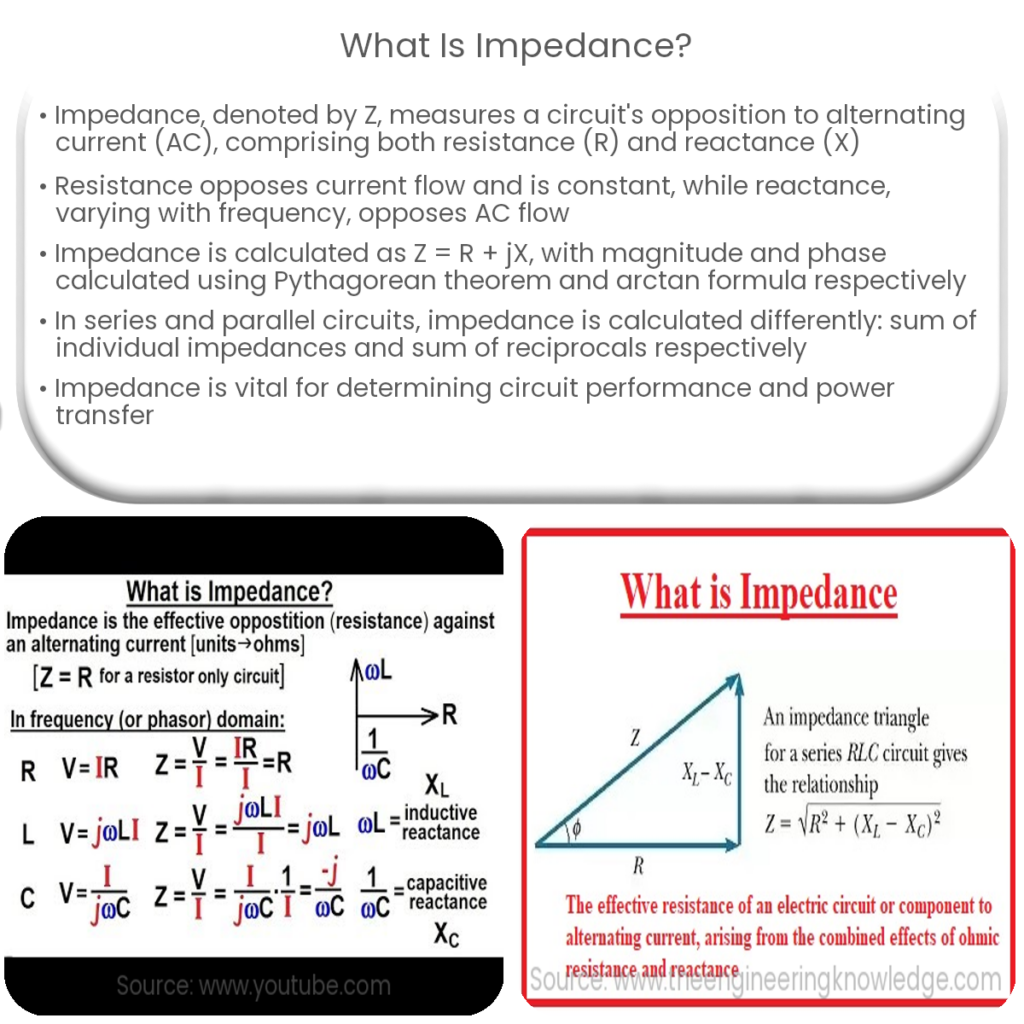
Impedance is the opposition to AC current flow, accounting for resistance and reactance. It’s calculated using Z = √(R² + (X_L – X_C)²).
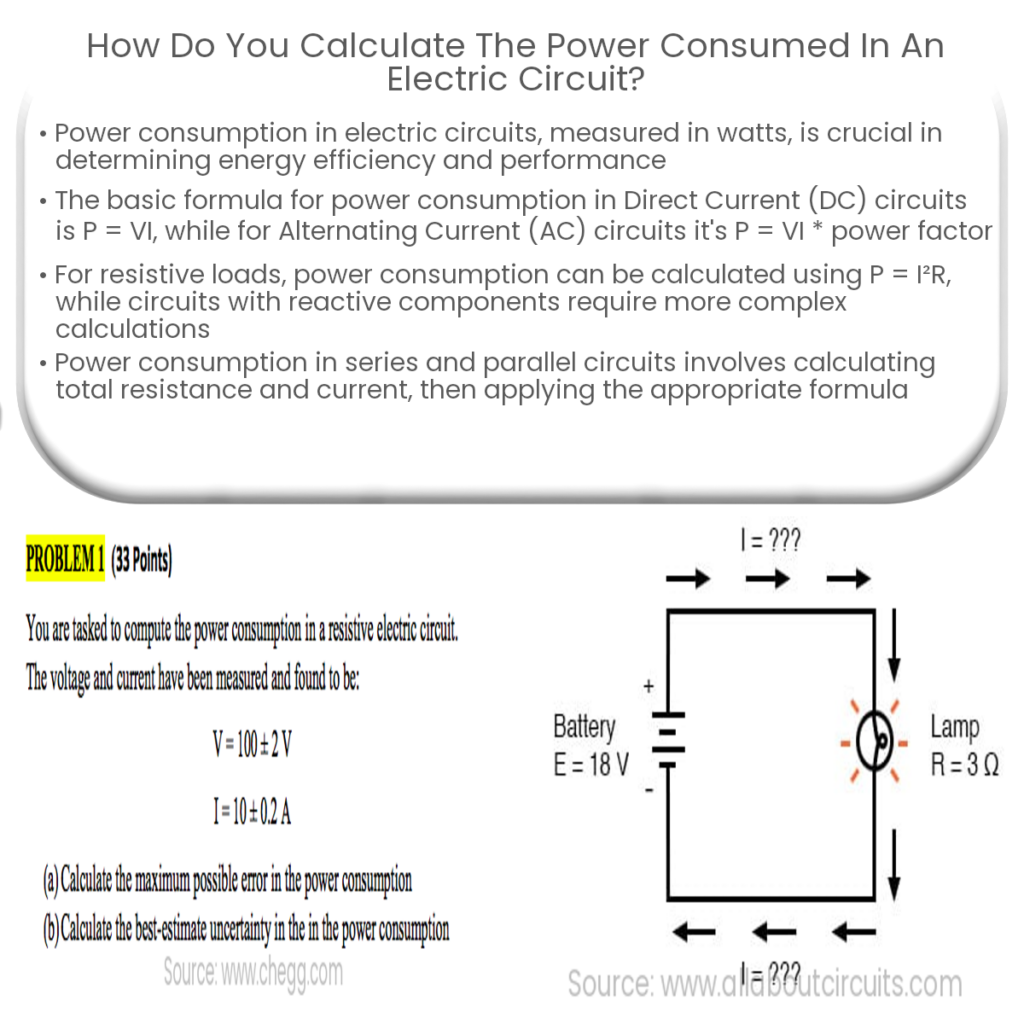
To calculate power consumption in an electric circuit, use the formula P = VI for DC circuits or P = VI * power factor for AC circuits.
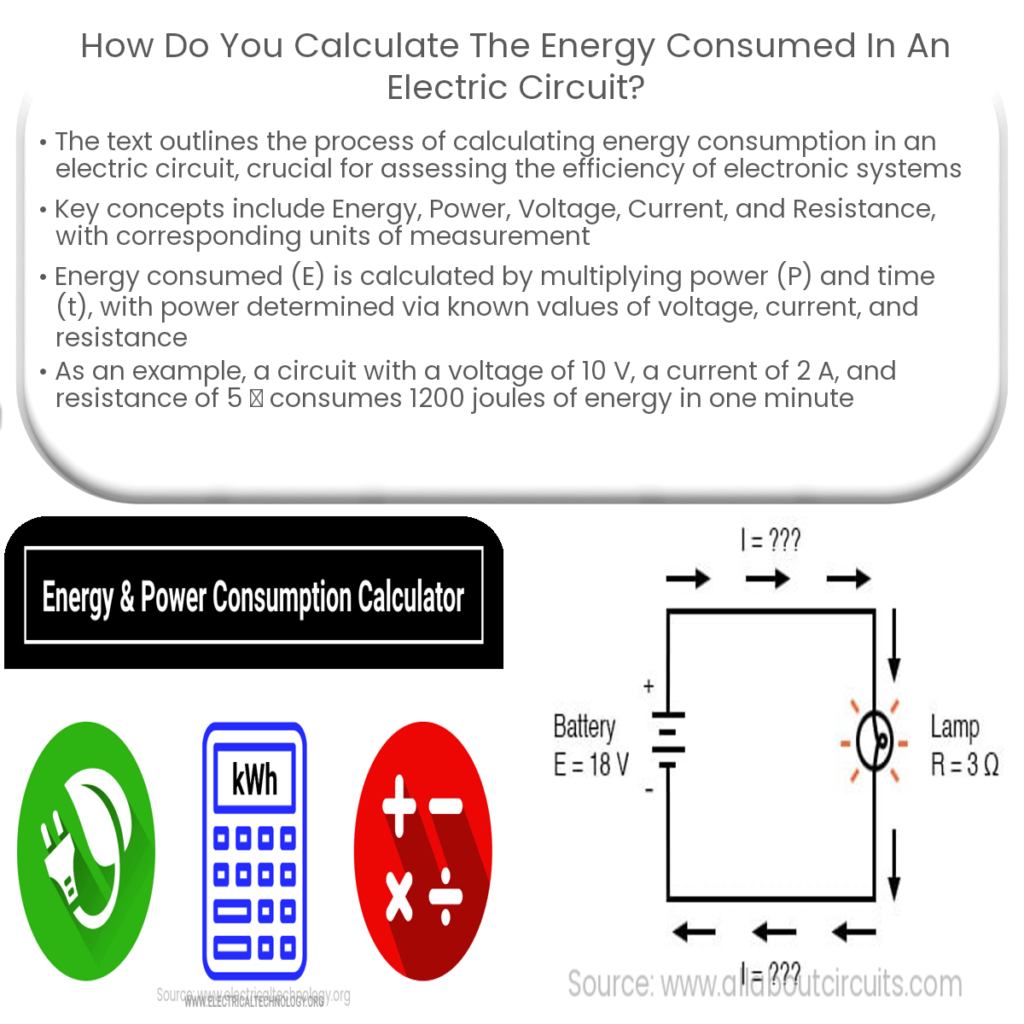
To calculate energy consumed in an electric circuit, find the power (P=V×I) and multiply it by the time duration (E=P×t).
The superposition theorem states that in a linear, time-invariant circuit, the net response in any branch is the sum of individual responses from each source.

The primary purpose of this project is to help the public to learn some exciting and important information about electricity and magnetism.
Our Website follows all legal requirements to protect your privacy. Visit our Privacy Policy page.
The Cookies Statement is part of our Privacy Policy.
The information contained on this website is for general information purposes only. This website does not use any proprietary data. Visit our Editorial note.
It’s simple:
1) You may use almost everything for non-commercial and educational use.
2) You may not distribute or commercially exploit the content, especially on another website.
