
Voltage-to-Current Converters
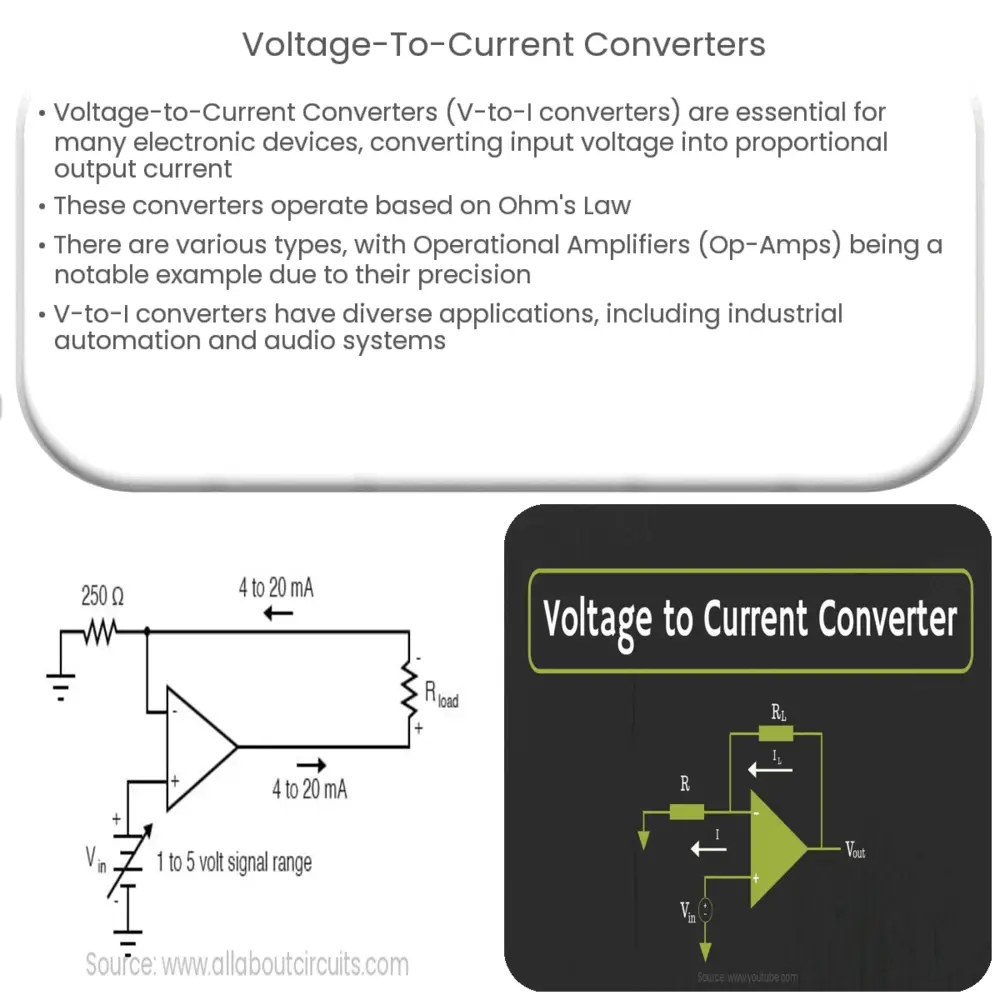
Explore the theory, types, applications, and significance of Voltage-to-Current converters in modern electronic systems.
Explore the theory, types, applications, and significance of Voltage-to-Current converters in modern electronic systems.
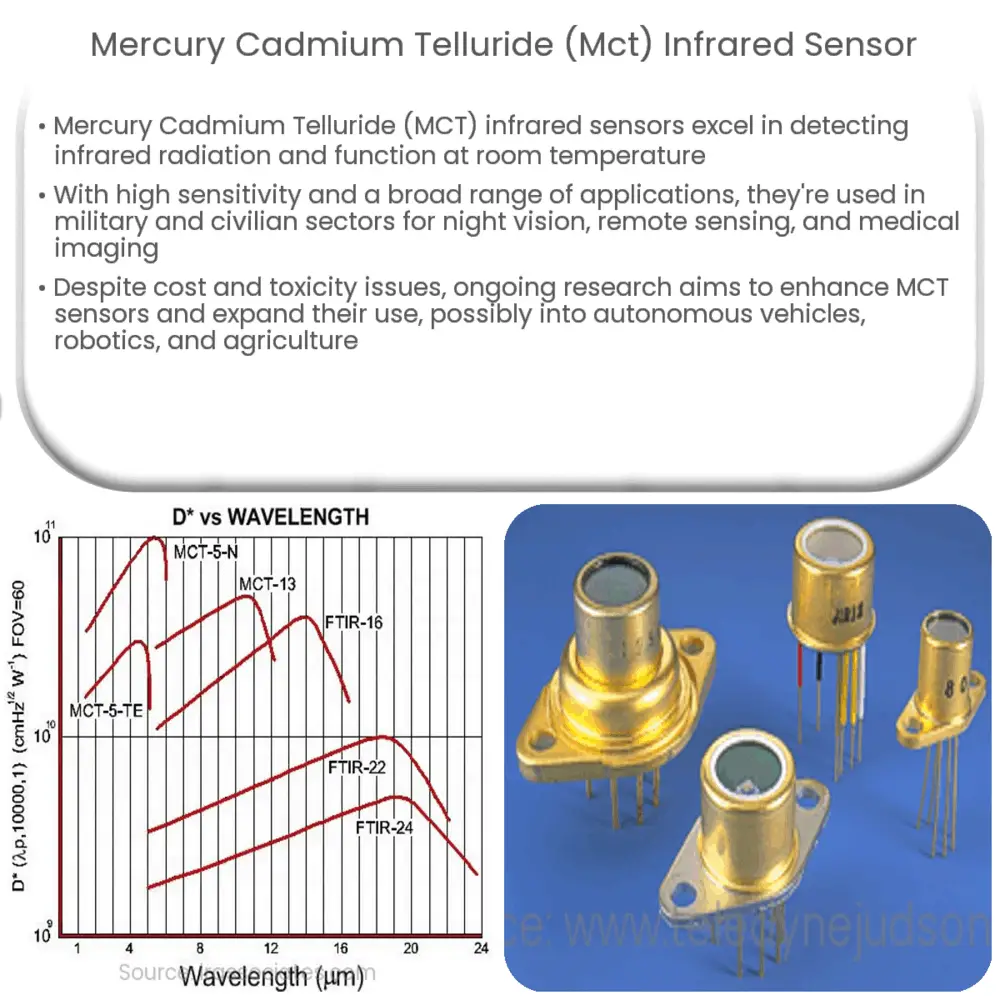
Mercury cadmium telluride (MCT) is a type of material that has unique properties that make it highly effective for use in infrared sensors.

Infrared thermocouple sensors are non-contact temperature measurement devices used in various industries, offering fast, accurate readings and minimal maintenance.
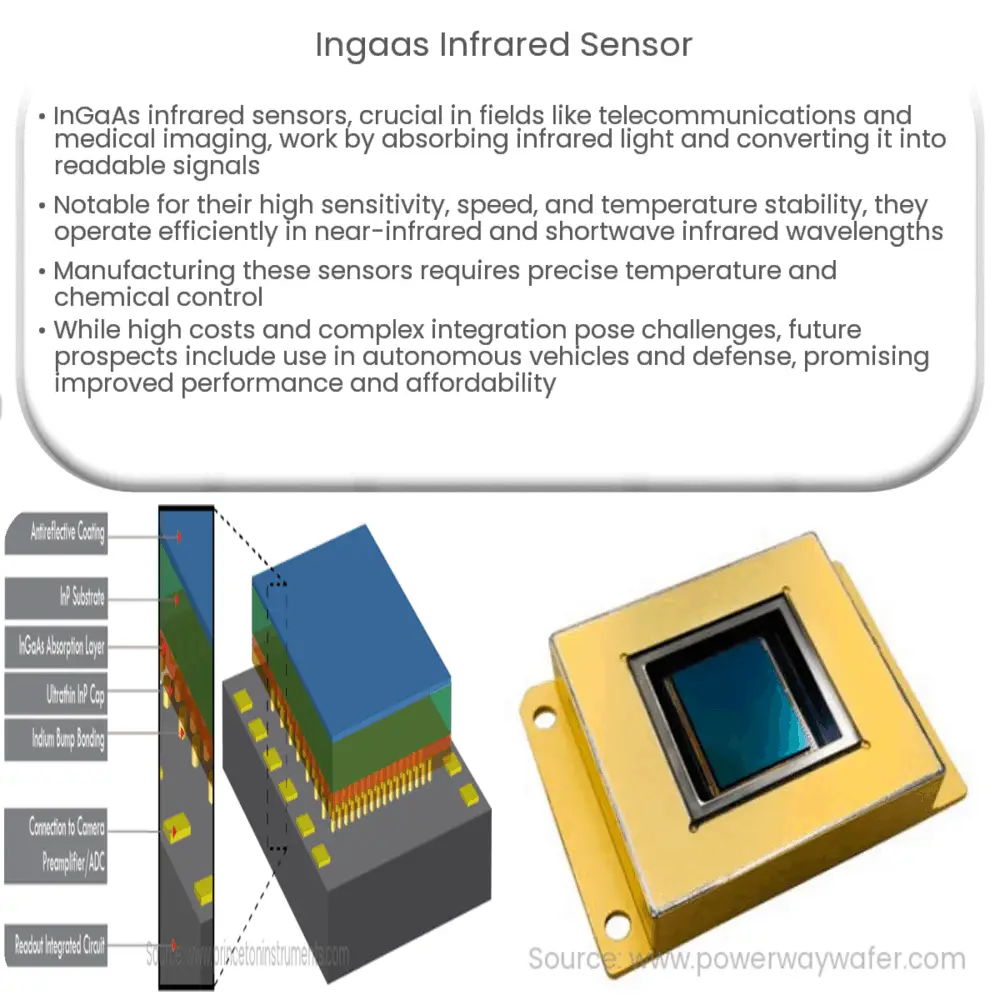
Explore the world of InGaAs infrared sensors, their unique features, manufacturing process, applications, and future prospects.

Explore the basics, applications, common configurations, and limitations of Operational Amplifiers (Op-Amps) in modern electronics.

Photoconductive IR sensors detect infrared radiation, enabling applications in gas detection, remote sensing, and non-contact temperature measurement.
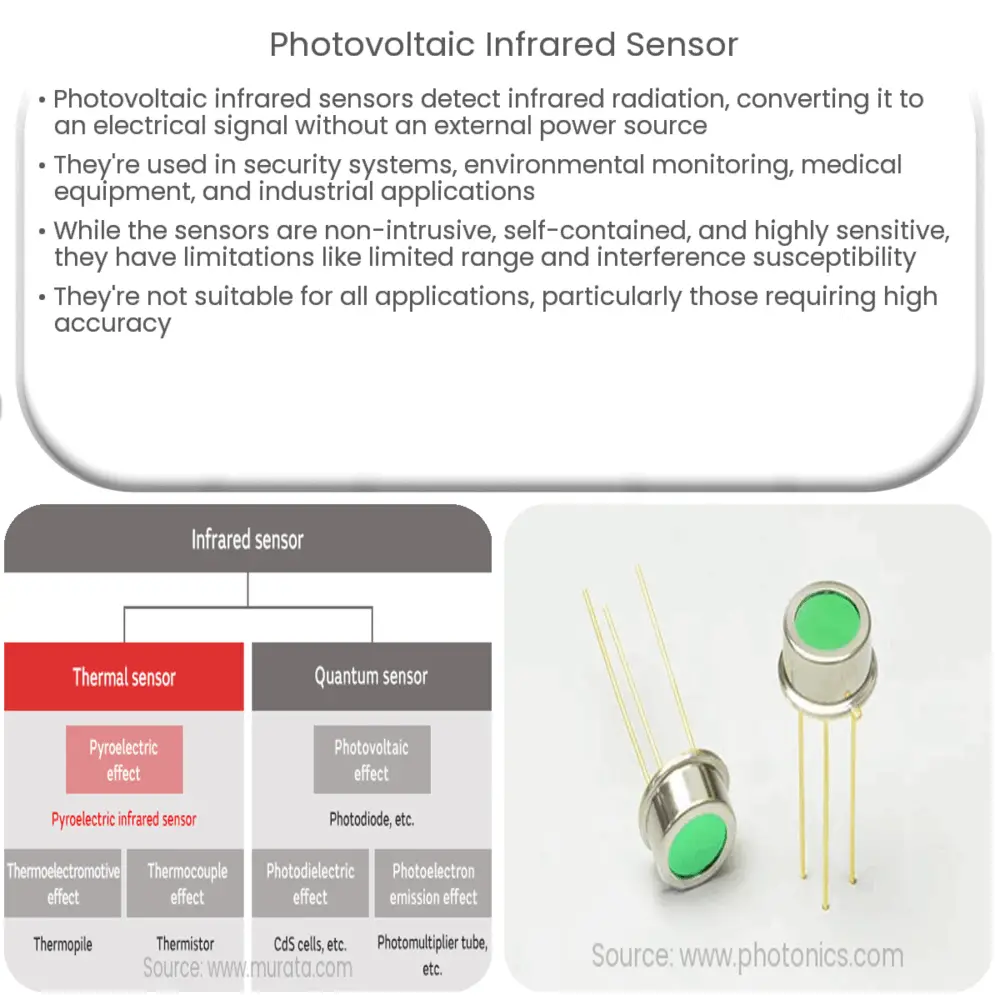
A photovoltaic infrared sensor is a device that detects infrared radiation and converts it into an electrical signal. It is a self-contained, low-power device used in security, environmental monitoring, medical equipment, and industrial applications.
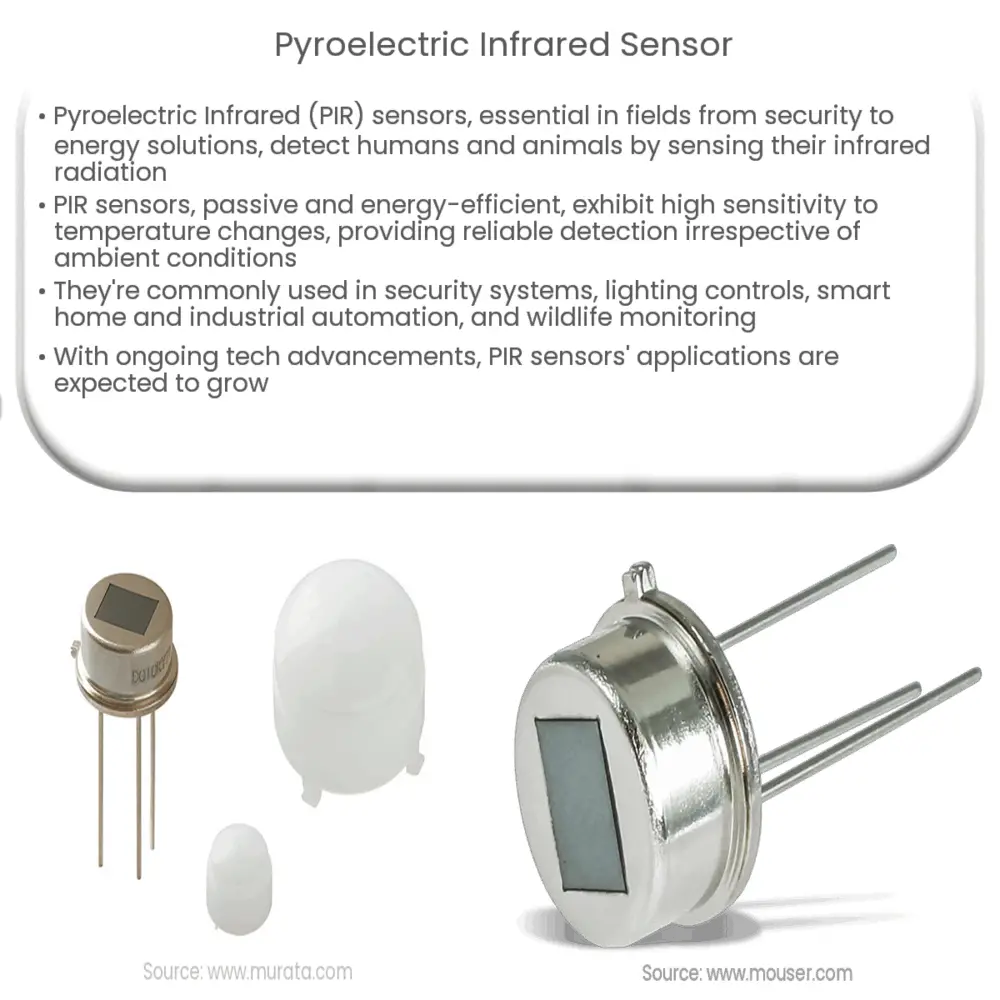
Pyroelectric infrared sensors detect human & animal presence by sensing emitted infrared radiation, offering low power consumption & high sensitivity.

Quantum Well Infrared Photodetectors (QWIPs) are high-performance, wavelength-selective IR detectors used in imaging, sensing, and various other applications.

Explore the workings, structure, applications, advantages, and future prospects of thermopile infrared sensors in various sectors.

The primary purpose of this project is to help the public to learn some exciting and important information about electricity and magnetism.
Our Website follows all legal requirements to protect your privacy. Visit our Privacy Policy page.
The Cookies Statement is part of our Privacy Policy.
The information contained on this website is for general information purposes only. This website does not use any proprietary data. Visit our Editorial note.
It’s simple:
1) You may use almost everything for non-commercial and educational use.
2) You may not distribute or commercially exploit the content, especially on another website.
