
Manchester decoder

Manchester decoding is a method for recovering binary data from Manchester encoded signals, often used in Ethernet, RFID, and wireless communication systems.
Manchester decoding is a method for recovering binary data from Manchester encoded signals, often used in Ethernet, RFID, and wireless communication systems.

A barcode decoder is a device or software that interprets data from barcodes, enabling efficient processing in various industries.
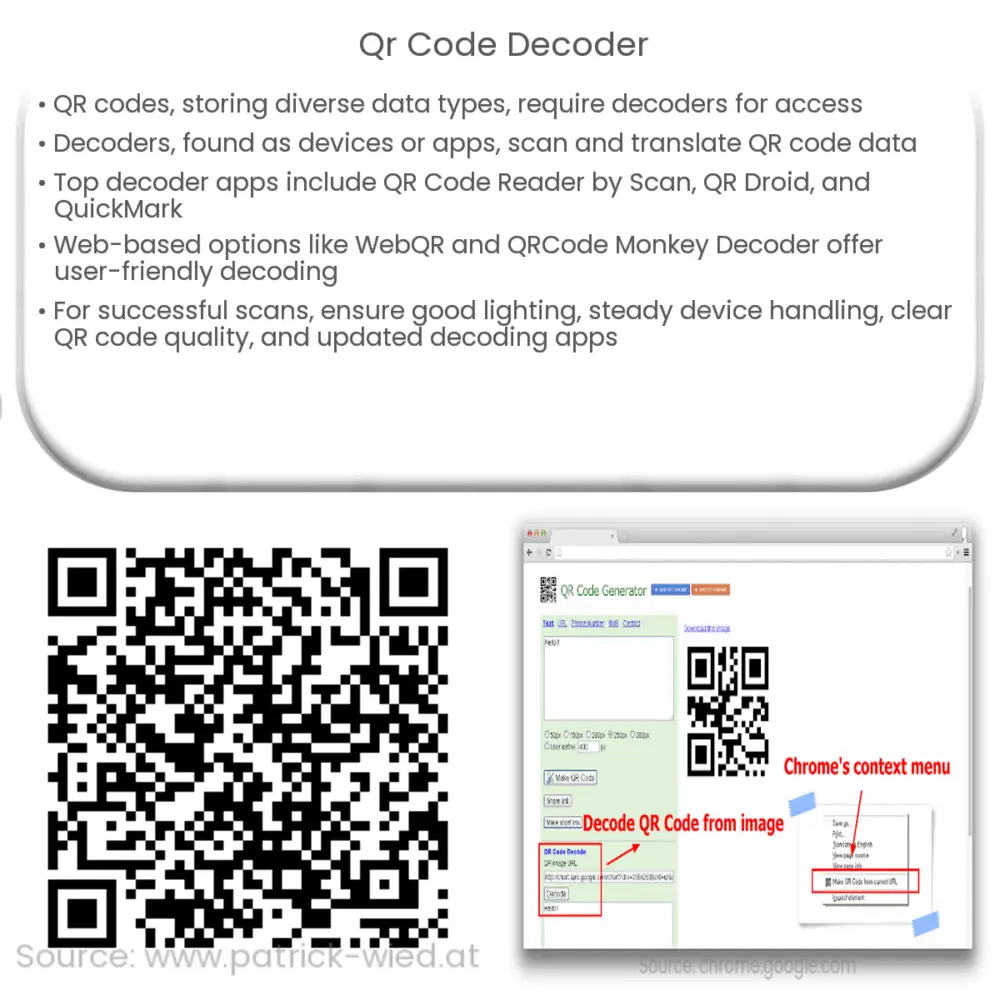
Explore the world of QR code decoders, learn how they work, and discover the best decoding apps and web-based tools for a seamless scanning experience.

Reed-Solomon decoders detect and correct errors in digital communication systems, ensuring data integrity in storage, broadcast, and more.
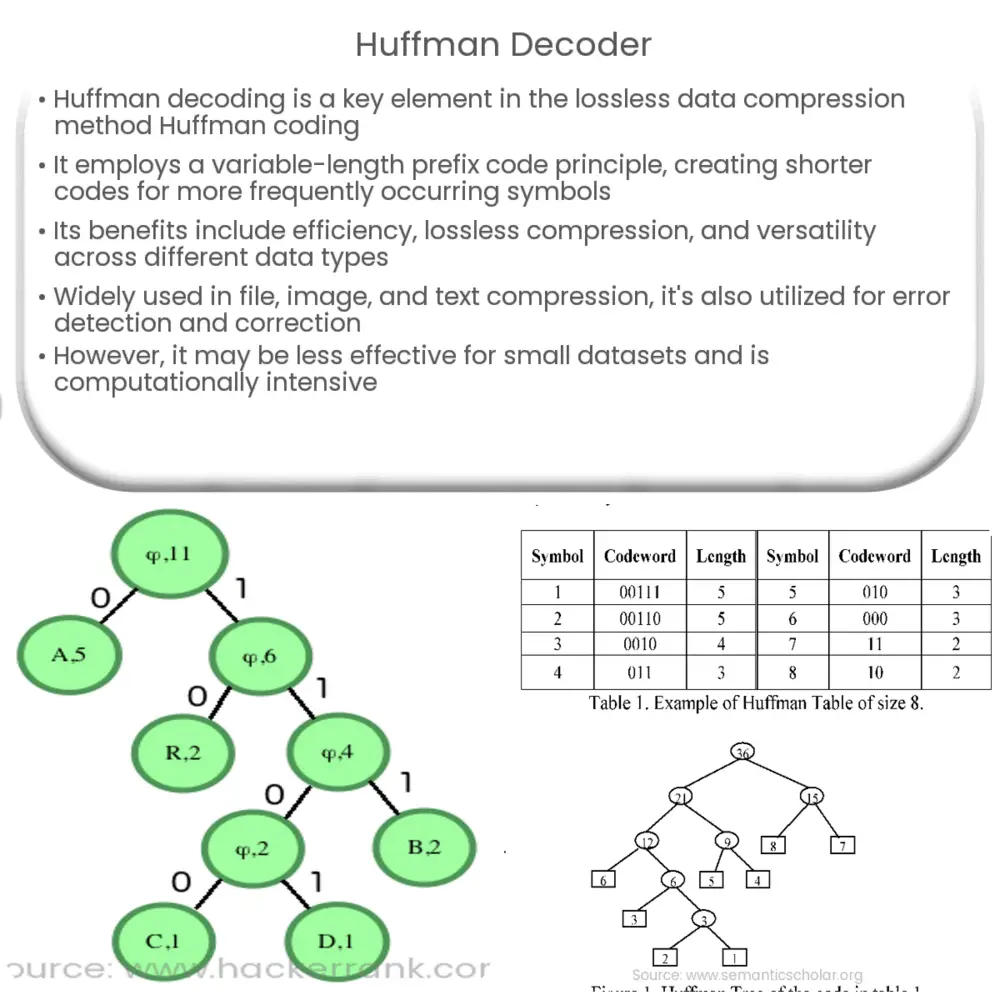
Huffman decoding is a lossless data compression technique that efficiently restores compressed data to its original form.
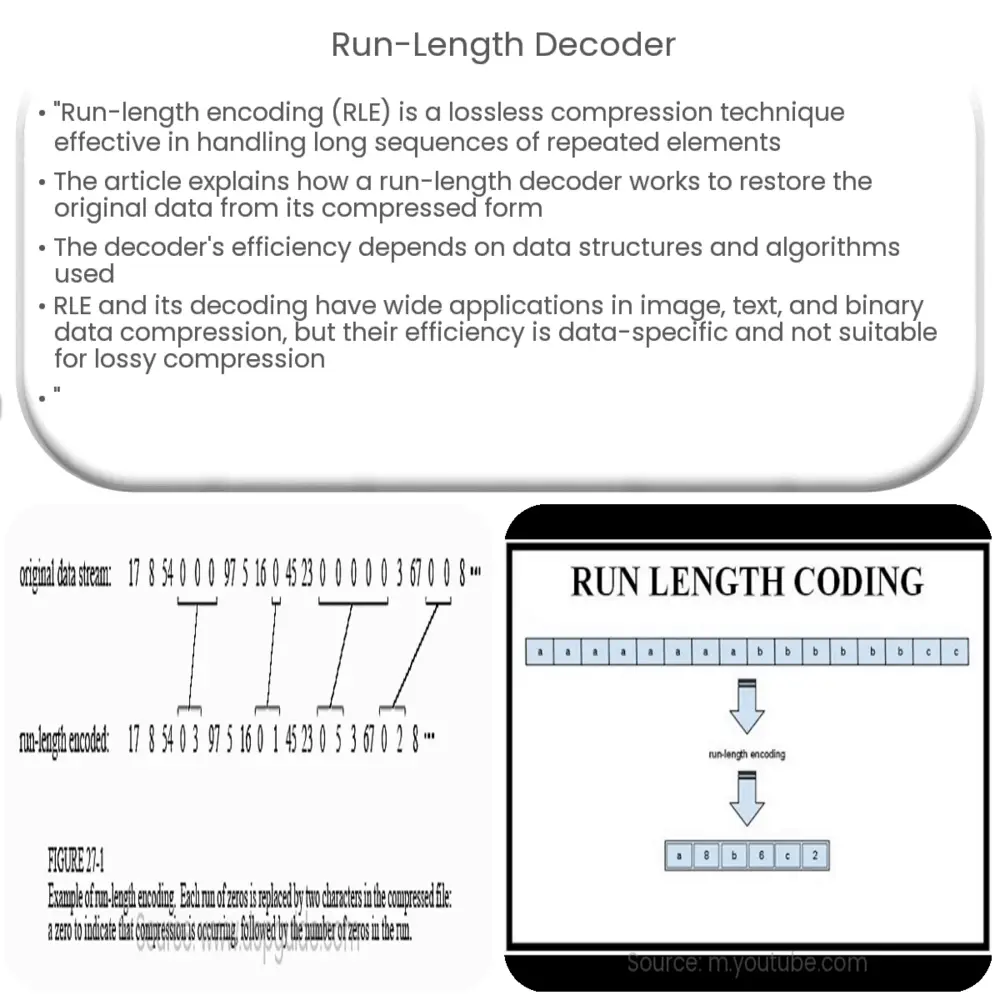
Run-length decoder decompresses data compressed using RLE, effectively restoring the original data without any loss of information.
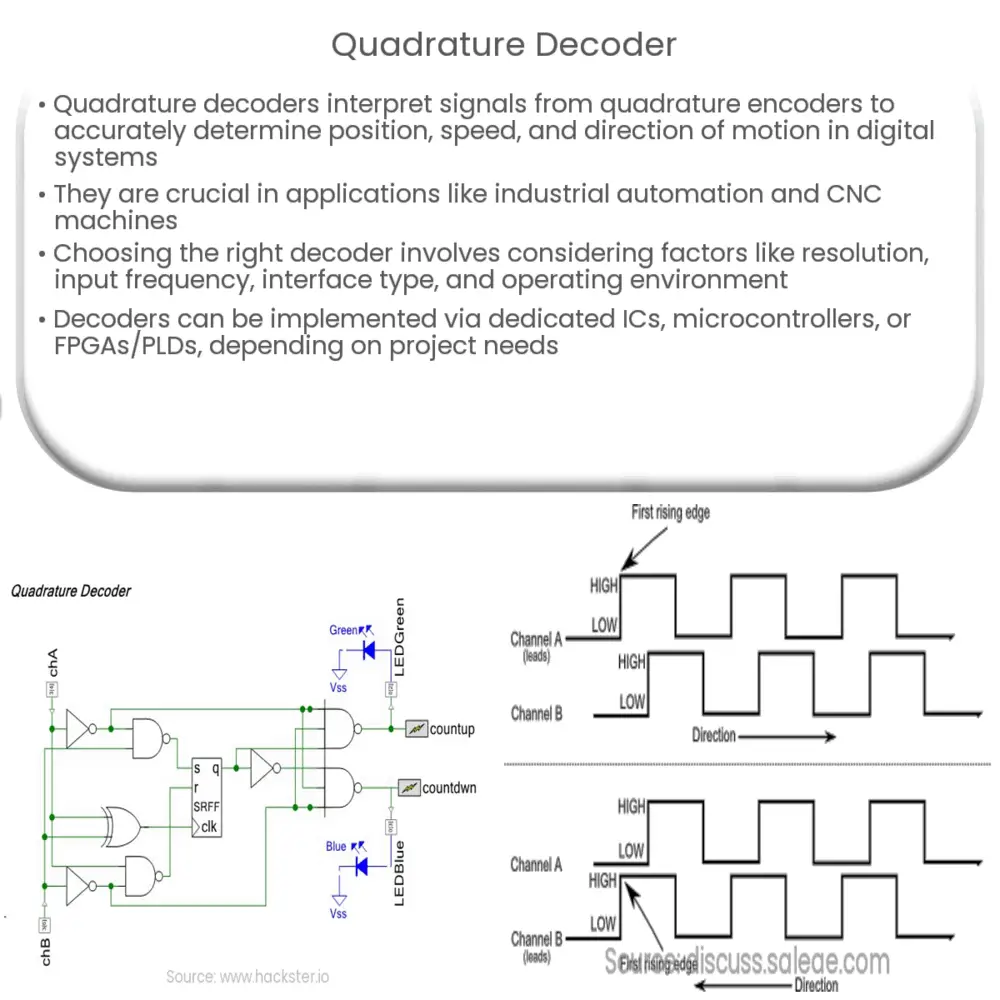
A quadrature decoder interprets signals from quadrature encoders to determine an object’s position, speed, and direction with high precision.

Explore the workings, advantages, limitations, and applications of piezoelectric motors, and their promising future in tech advancements.
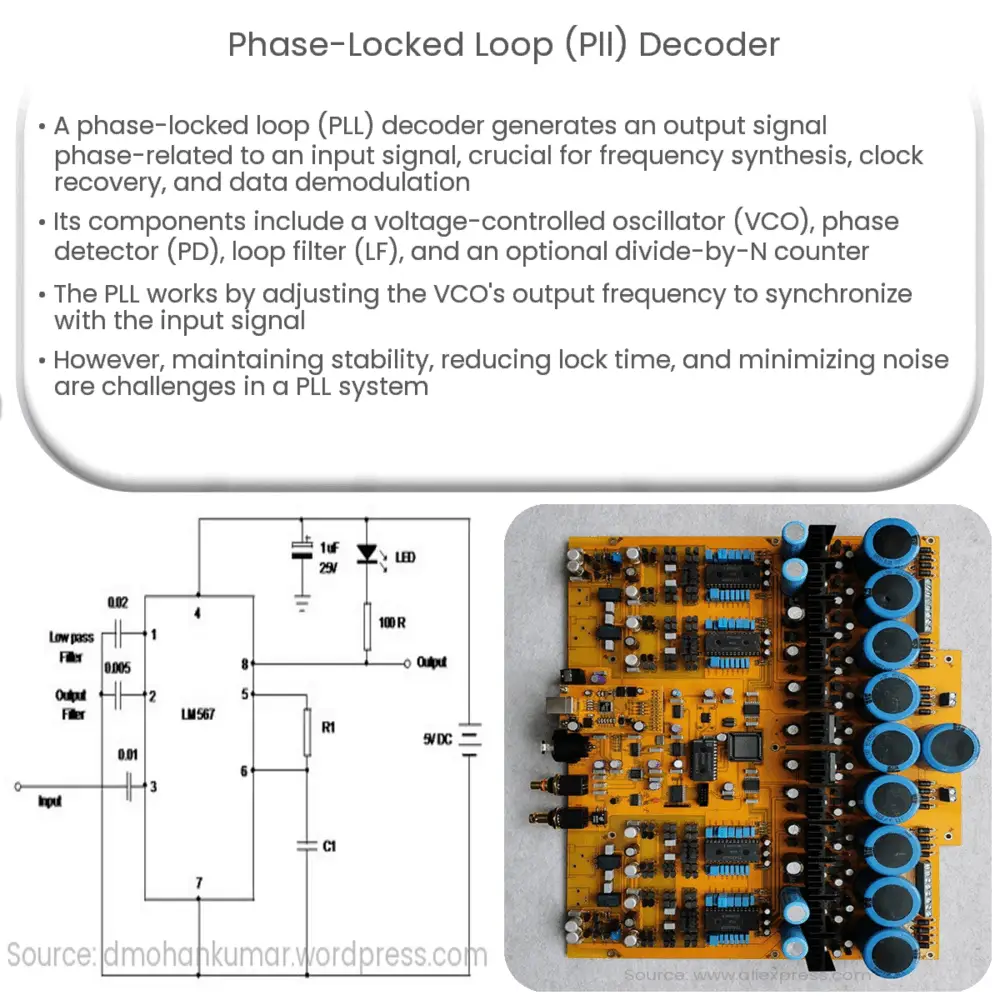
A phase-locked loop (PLL) decoder is a control system that synchronizes output signal frequency and phase to a reference input signal, used in communication systems and digital electronics.
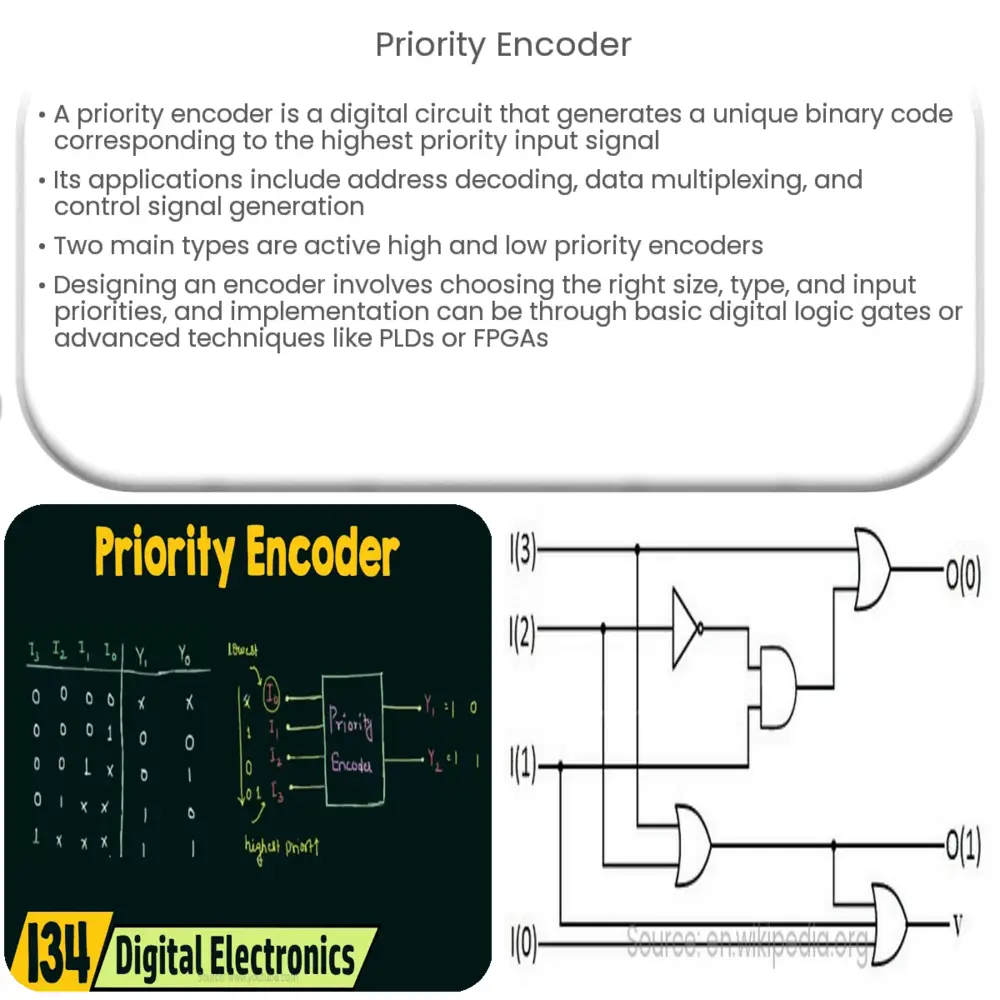
A priority encoder is a digital circuit that converts multiple input signals into a unique binary code, representing the highest priority input.

The primary purpose of this project is to help the public to learn some exciting and important information about electricity and magnetism.
Our Website follows all legal requirements to protect your privacy. Visit our Privacy Policy page.
The Cookies Statement is part of our Privacy Policy.
The information contained on this website is for general information purposes only. This website does not use any proprietary data. Visit our Editorial note.
It’s simple:
1) You may use almost everything for non-commercial and educational use.
2) You may not distribute or commercially exploit the content, especially on another website.
