
S-type load cell
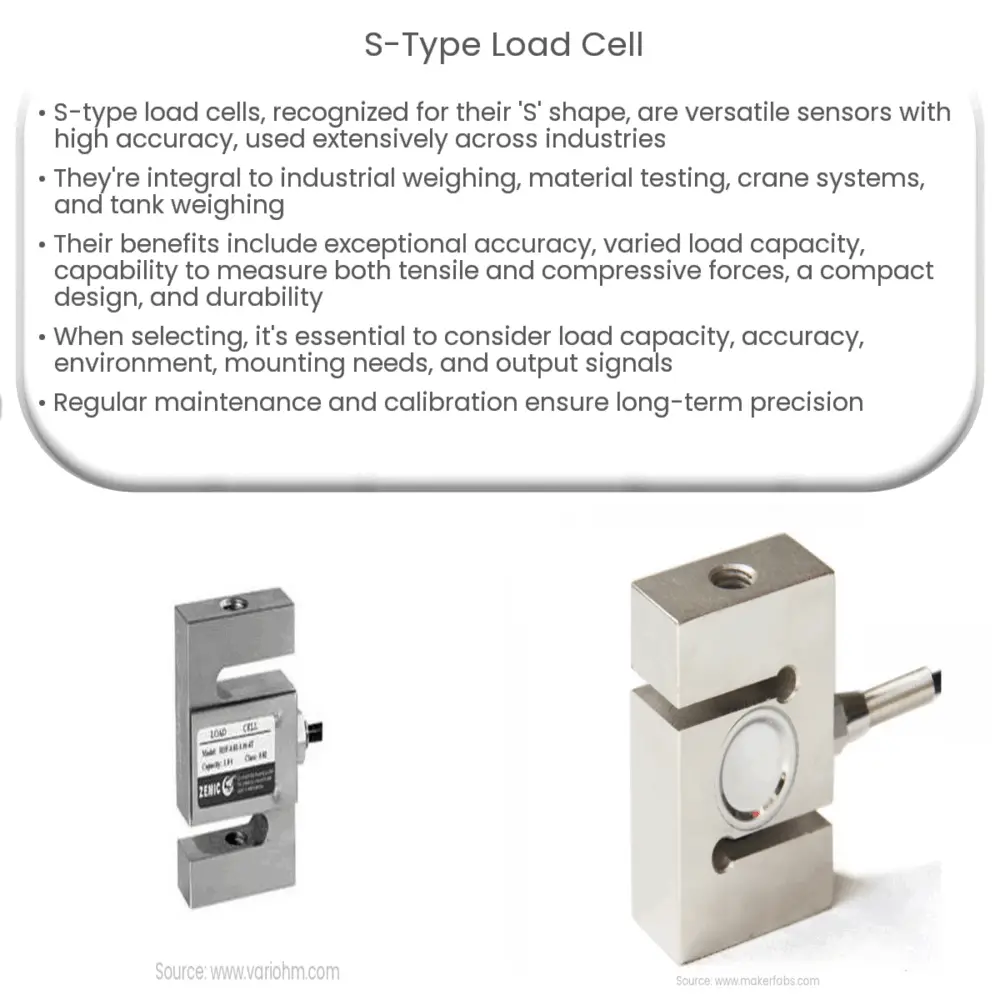
S-type load cells are versatile, high-accuracy sensors for measuring tensile and compressive forces in various industries and applications.
S-type load cells are versatile, high-accuracy sensors for measuring tensile and compressive forces in various industries and applications.

Compression load cells are versatile sensors that convert mechanical force into electrical signals, enabling accurate weight and force measurements.

Shear beam load cells are force transducers that convert mechanical deformation into electrical signals for accurate weight and force measurement.
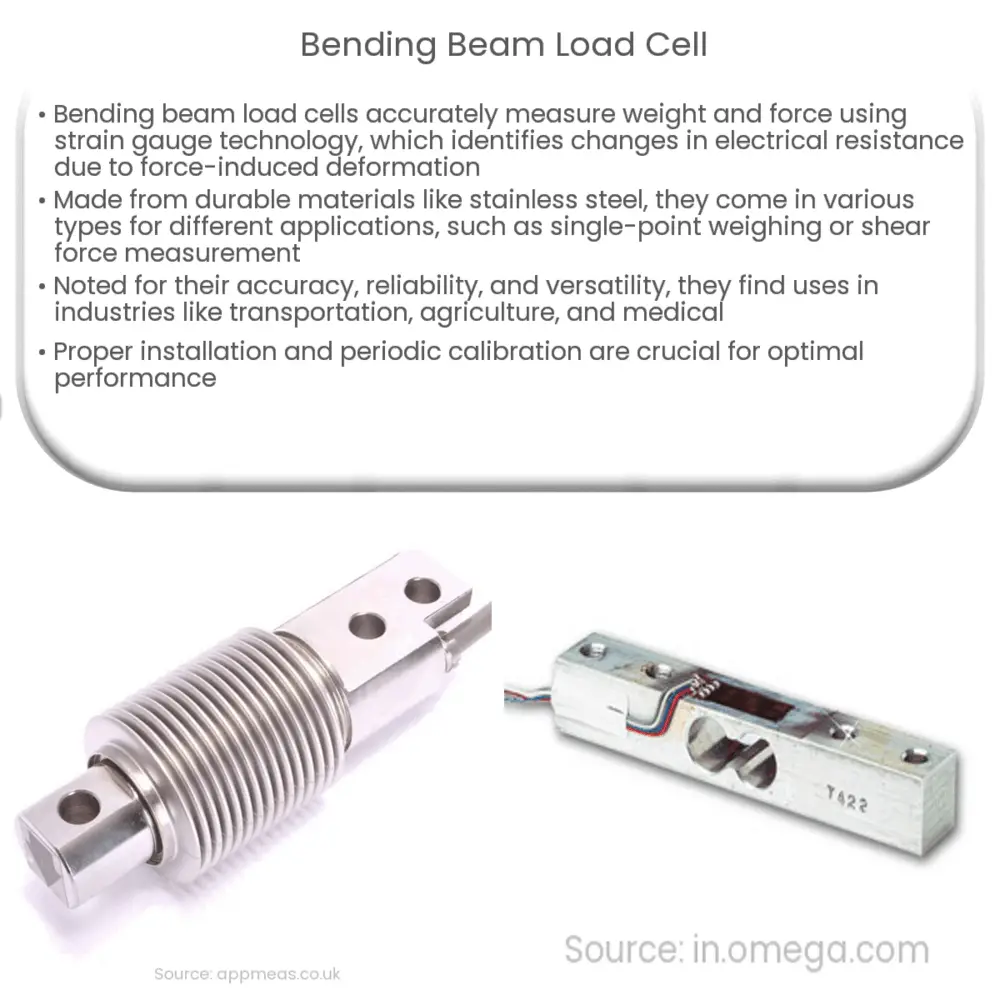
Bending beam load cells are accurate, reliable devices used for measuring weight and force in various industries and applications.
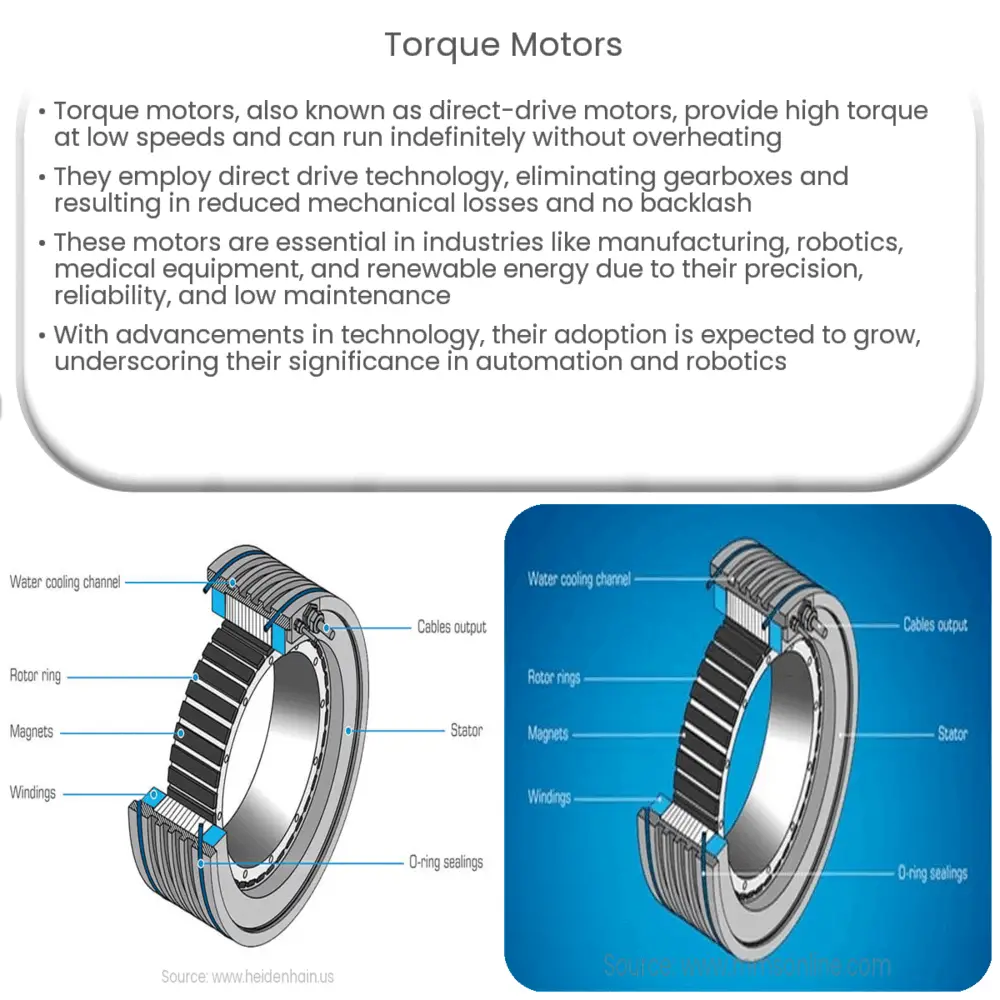
Explore the world of torque motors: their key features, applications in various sectors, and their promising future in our increasingly automated world.

Single point load cells accurately measure off-center loads, widely used in industrial, retail, postal, and medical scales for precision weighing.

Piezoelectric linear motors offer precise motion control, high speed, low energy consumption, and non-magnetic operation for various industries.

Electrostatic linear motors provide high-precision, low-energy linear motion, ideal for robotics, medical devices, and microelectronics manufacturing.

Linear reluctance motors are efficient electric motors utilizing magnetic reluctance, offering low maintenance and scalability for diverse applications.

Linear servomotors are direct drive motors that convert electrical energy into precise linear motion, revolutionizing robotics, manufacturing, and medical industries.

The primary purpose of this project is to help the public to learn some exciting and important information about electricity and magnetism.
Our Website follows all legal requirements to protect your privacy. Visit our Privacy Policy page.
The Cookies Statement is part of our Privacy Policy.
The information contained on this website is for general information purposes only. This website does not use any proprietary data. Visit our Editorial note.
It’s simple:
1) You may use almost everything for non-commercial and educational use.
2) You may not distribute or commercially exploit the content, especially on another website.
