
What are the different types of resistors?

Resistors are classified into fixed, variable, and specialized types, such as carbon film, metal film, wirewound, thermistors, LDRs, and varistors.
Resistors are classified into fixed, variable, and specialized types, such as carbon film, metal film, wirewound, thermistors, LDRs, and varistors.
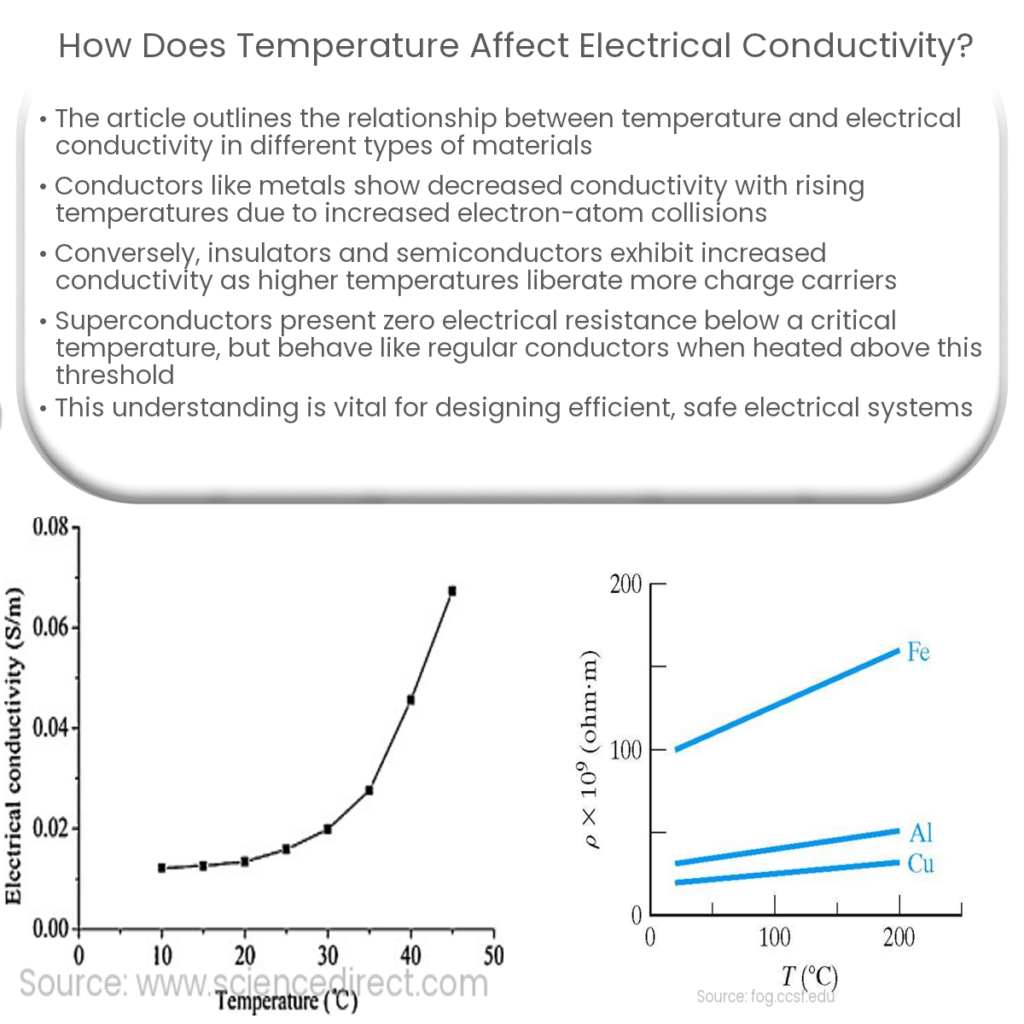
Temperature affects conductivity differently: in metals, it decreases with rising temperature, while in semiconductors and insulators, it increases.

A resistor is an electronic component that controls and regulates electric current flow in circuits by providing a specific level of resistance.
Use Ohm’s Law (V = I × R) to calculate voltage (V), current (I), and resistance (R) by rearranging the equation based on the known variables.

Electrical conductivity is a material’s ability to conduct electric current, influenced by material type, temperature, and impurities.

Electric current is measured using instruments like ammeters or multimeters, in units called amperes (A) or amps, for both DC and AC currents.
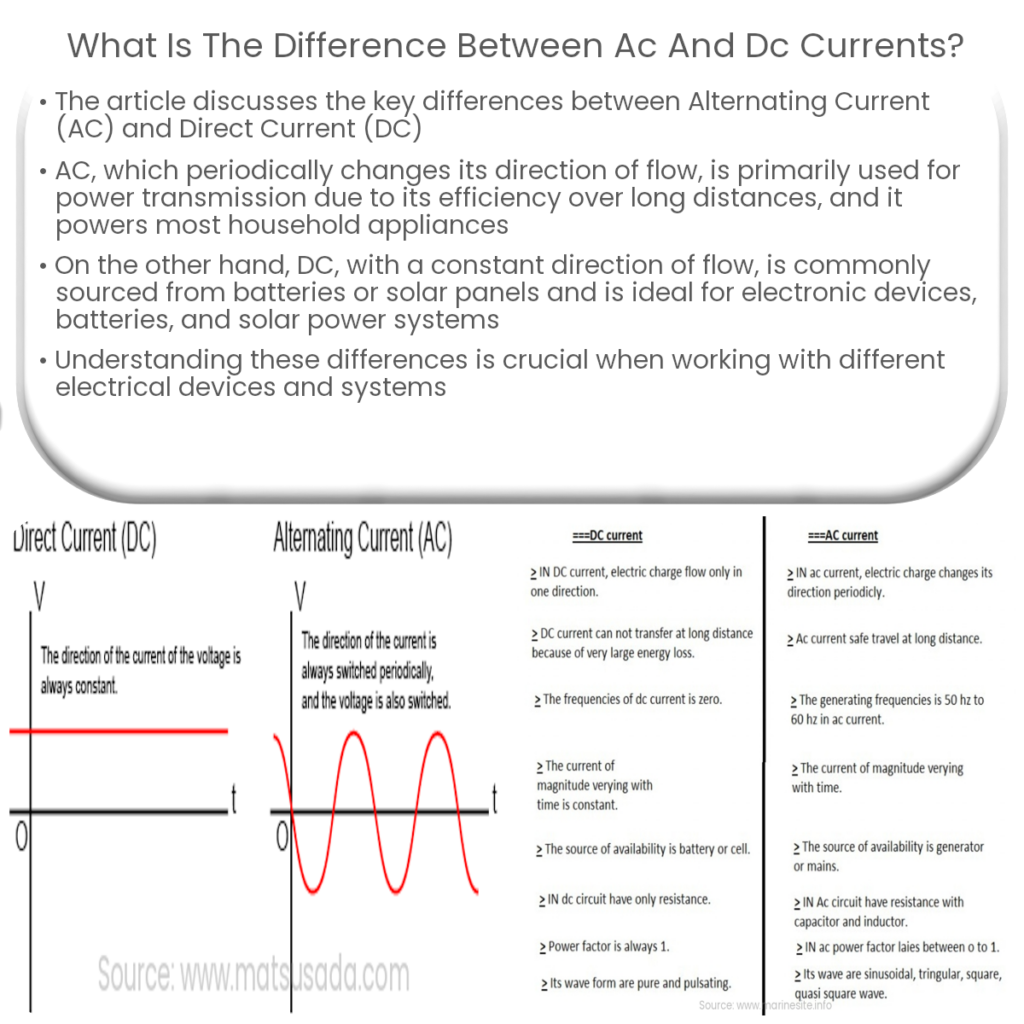
AC current periodically changes direction, while DC current flows in a single, constant direction. They have different sources and applications.

Capacitors in wireless power transfer systems enable efficient energy transmission, impedance matching, filtering noise, and voltage regulation.

Capacitors enable efficient wireless charging and energy transfer in consumer electronics, medical devices, EVs, industrial automation, renewables, and public transportation.

Capacitors in implantable medical devices provide energy storage, filter noise, maintain charge balance, and support energy harvesting and communication.

The primary purpose of this project is to help the public to learn some exciting and important information about electricity and magnetism.
Our Website follows all legal requirements to protect your privacy. Visit our Privacy Policy page.
The Cookies Statement is part of our Privacy Policy.
The information contained on this website is for general information purposes only. This website does not use any proprietary data. Visit our Editorial note.
It’s simple:
1) You may use almost everything for non-commercial and educational use.
2) You may not distribute or commercially exploit the content, especially on another website.
