
What are some common conductive materials?
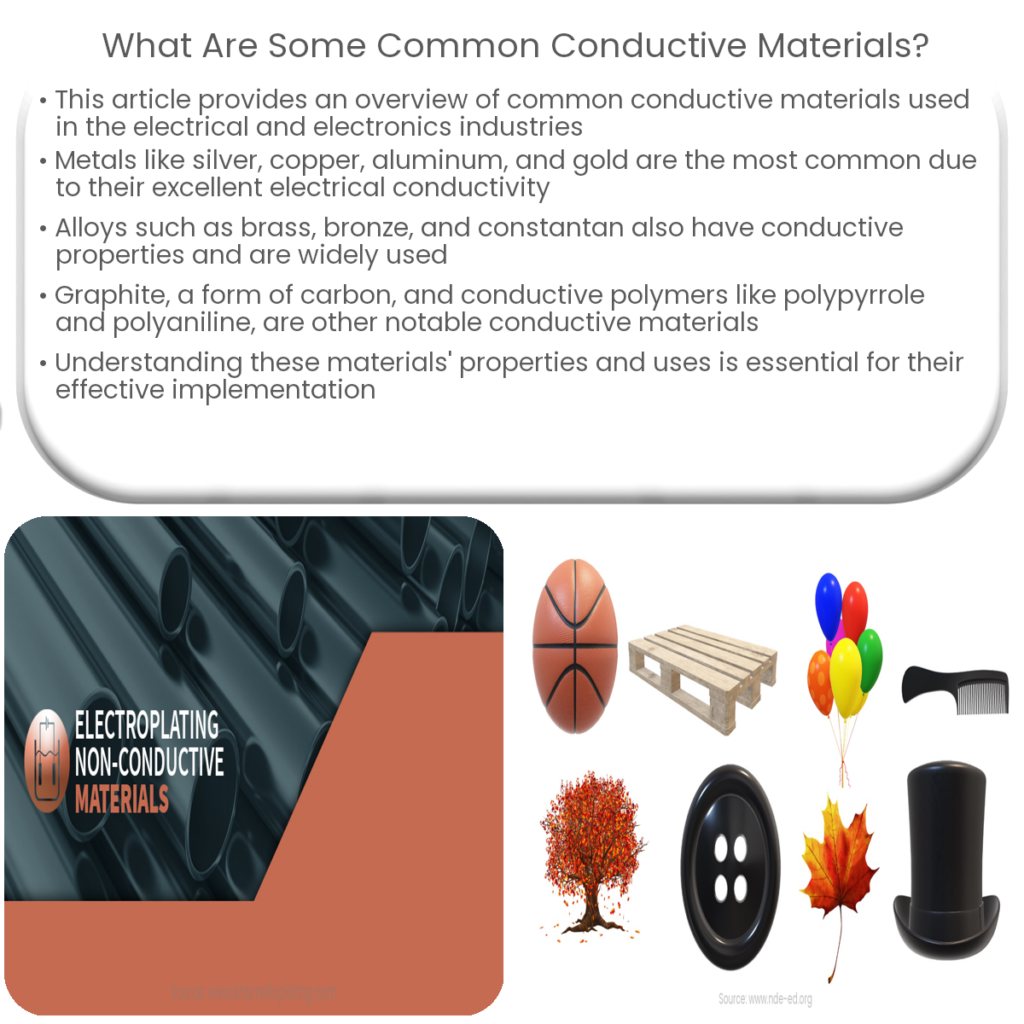
Common conductive materials include metals like silver, copper, aluminum, and gold, alloys such as brass and bronze, graphite, and conductive polymers.
Common conductive materials include metals like silver, copper, aluminum, and gold, alloys such as brass and bronze, graphite, and conductive polymers.
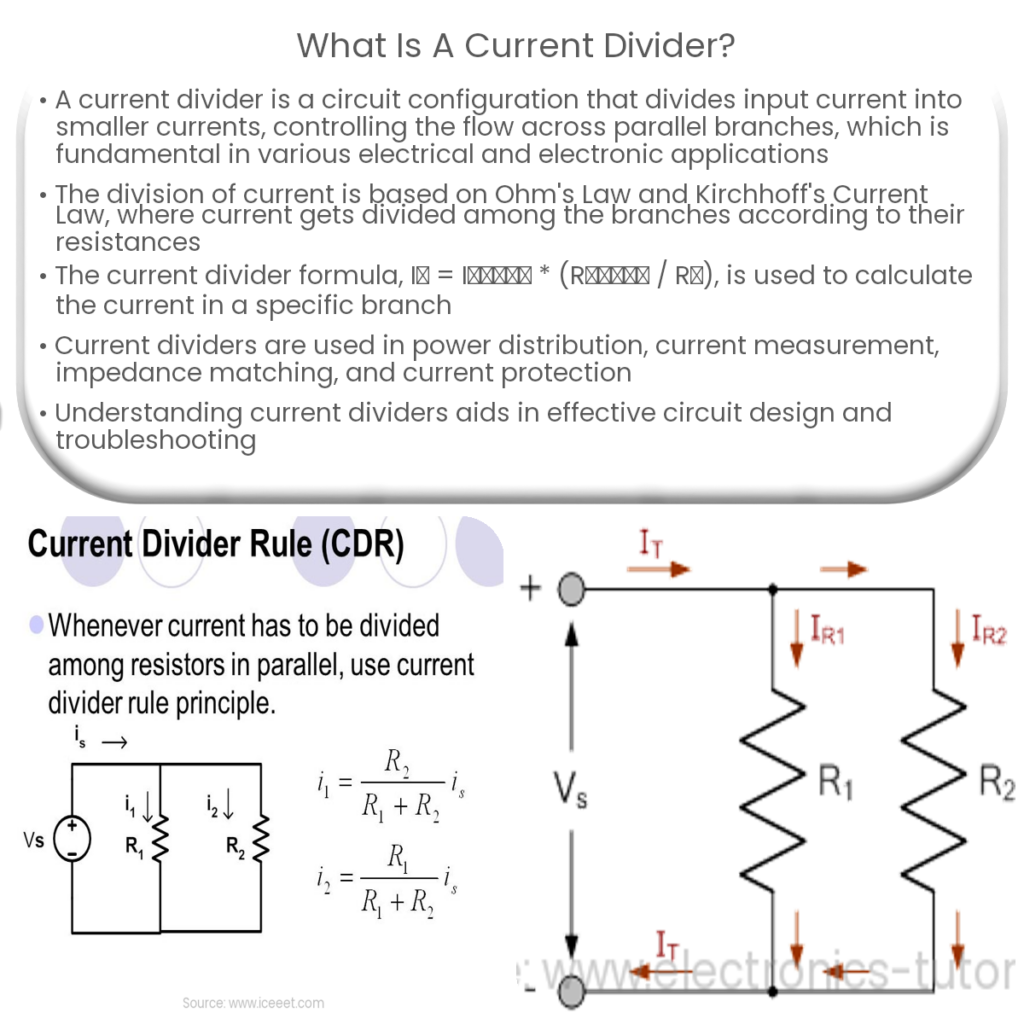
A current divider is a circuit that distributes input current among multiple branches, dividing it based on the resistances or impedances in each.
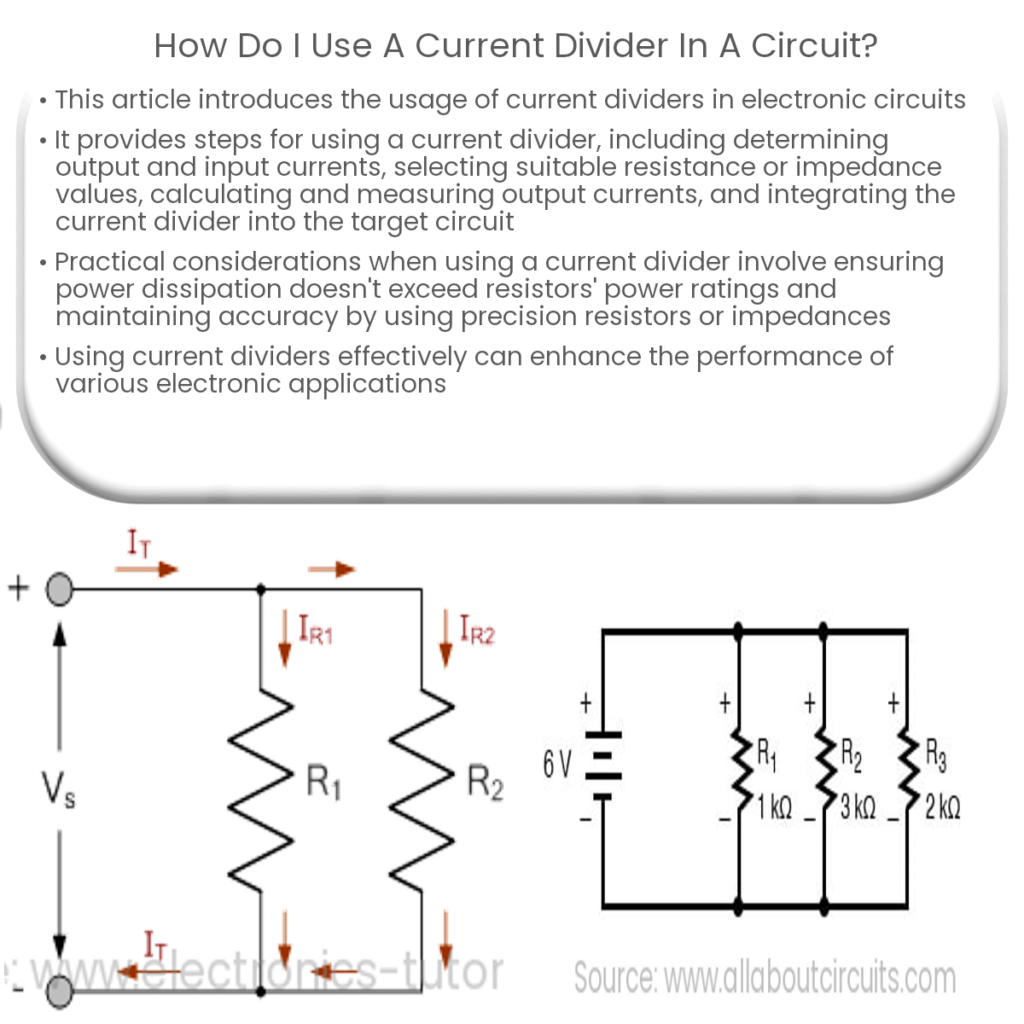
To use a current divider, select resistor values, connect them in parallel, apply input current, measure output currents, and integrate into your circuit.

A voltage divider is a circuit that divides input voltage across two or more resistors, creating a desired output voltage for various applications.
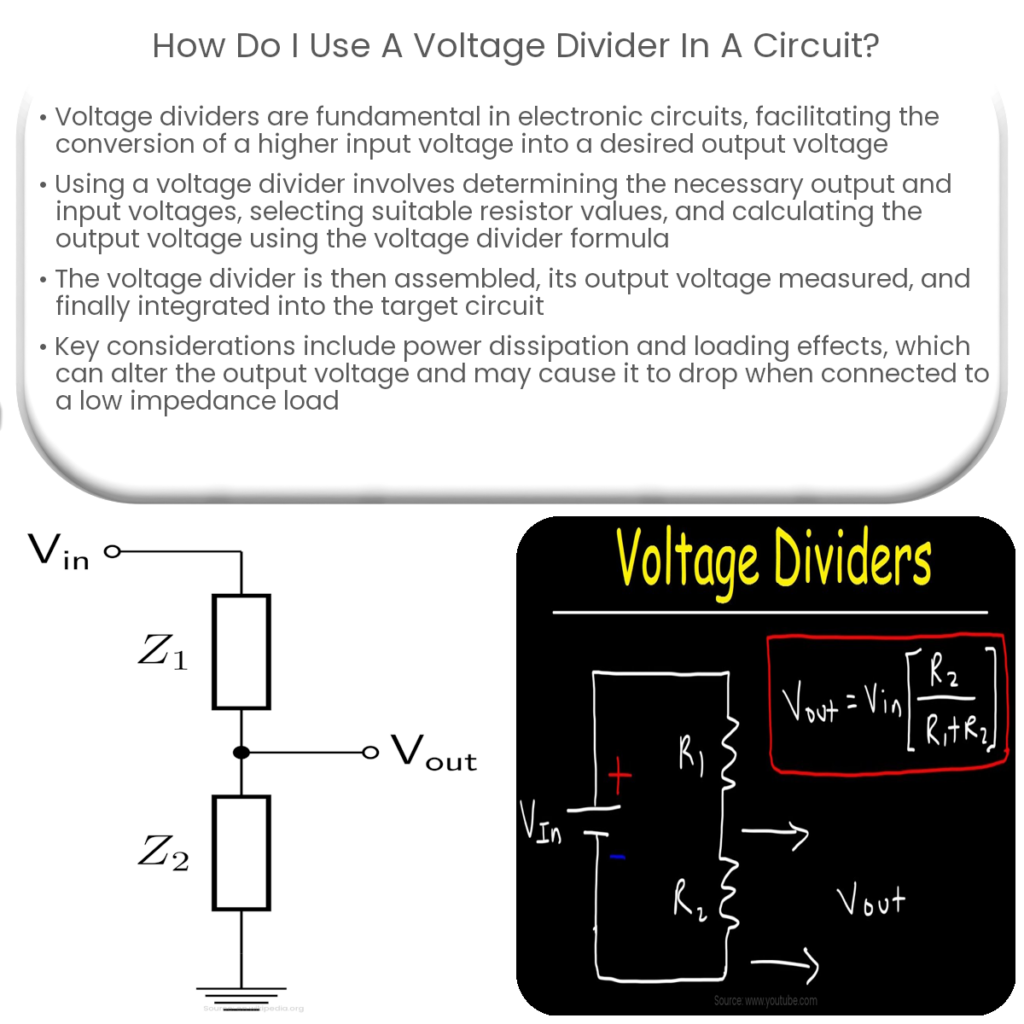
To use a voltage divider, choose resistor values, connect them in series, apply input voltage, measure output voltage, and integrate into your circuit.

To calculate total resistance in a series circuit, simply add the individual resistance values of all resistors connected in series (R₁ + R₂ + … + Rₙ).
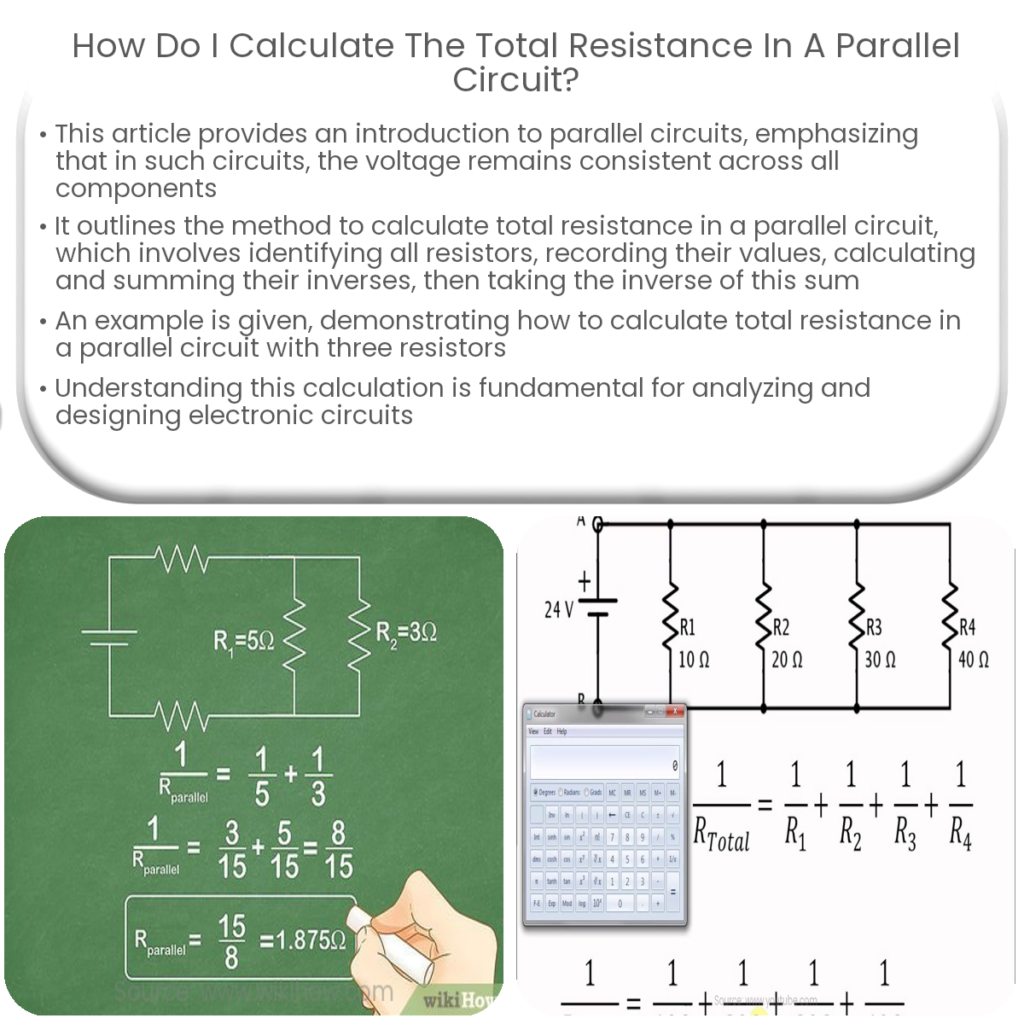
For a parallel circuit, calculate total resistance by finding the inverse of the sum of the inverses of individual resistances (Rₜ = 1/Σ(1/Rᵢ)).
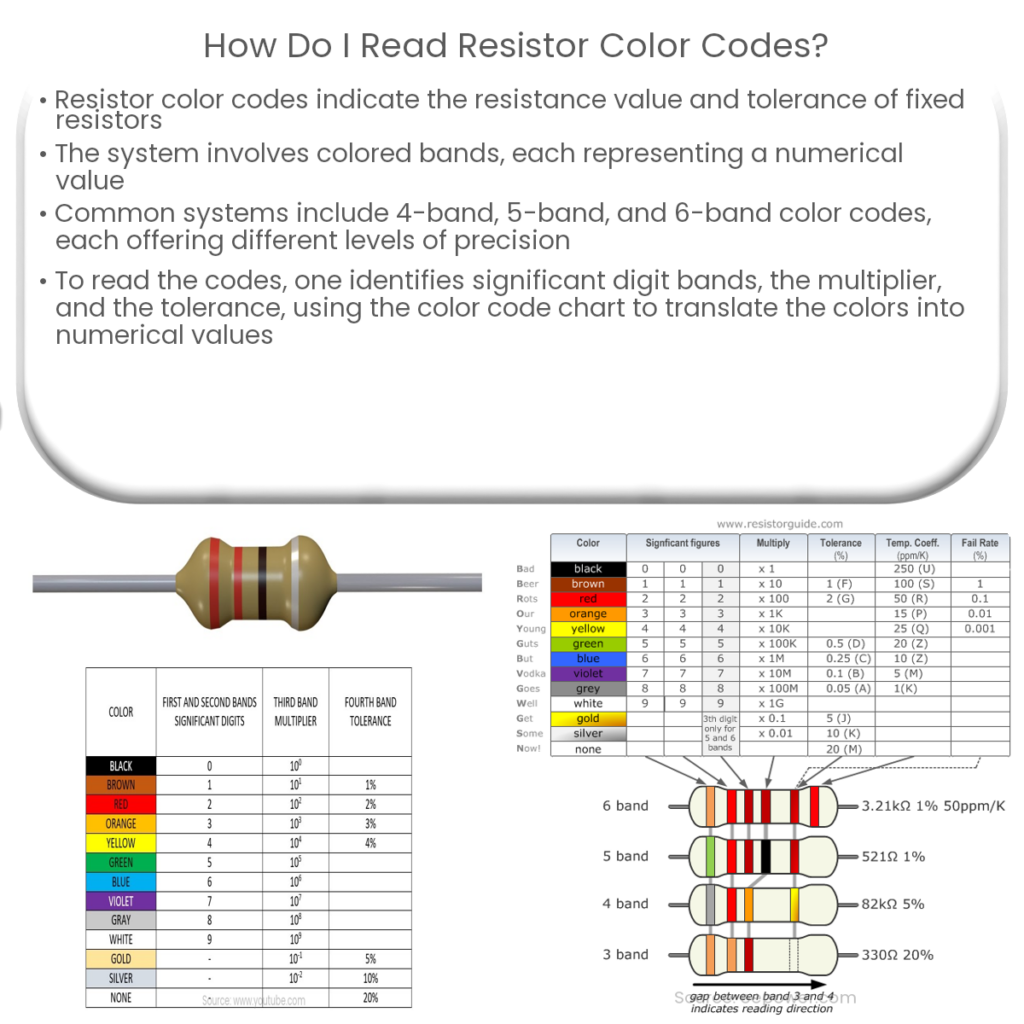
Resistor color codes use colored bands to indicate resistance value and tolerance. Read the bands in sequence and use a chart to translate the values.

Resistors in circuits control current flow, divide voltage, simulate loads, establish timing and filtering characteristics, and bias active components.
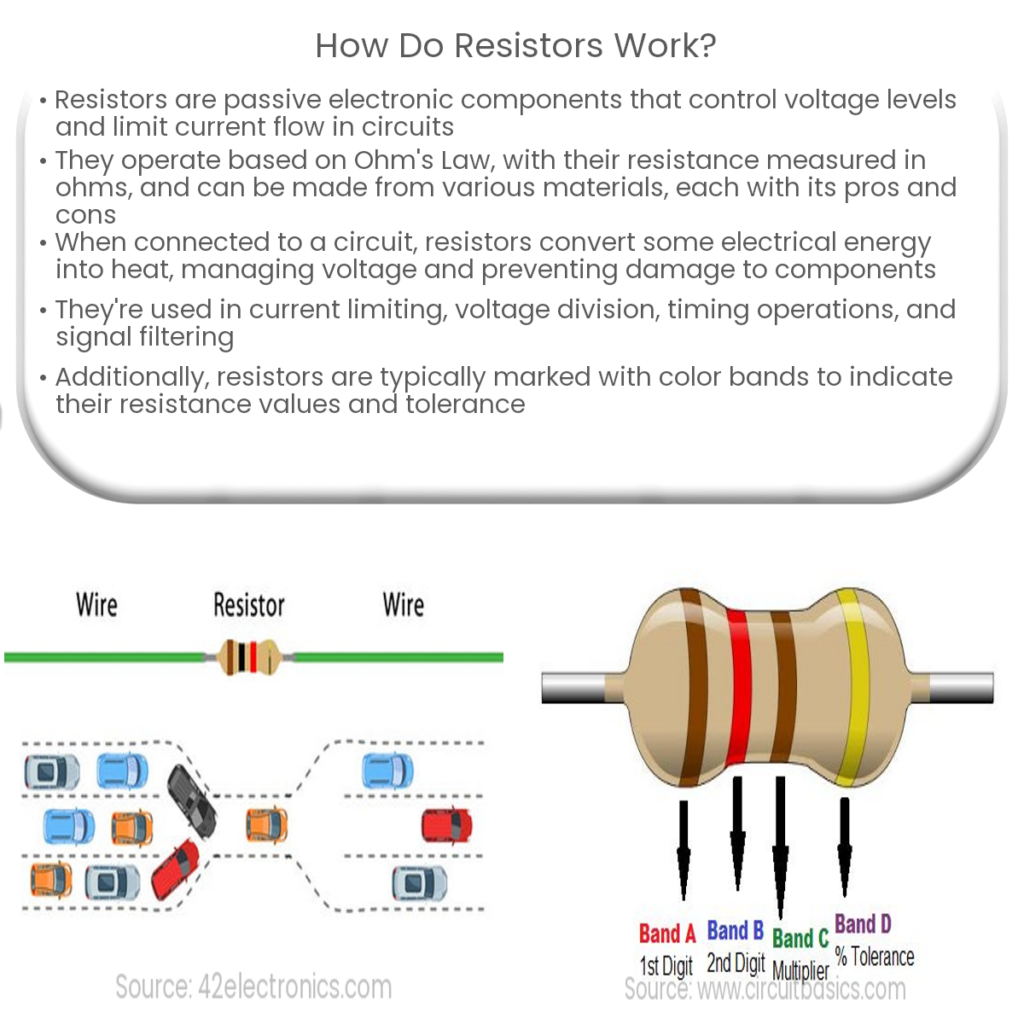
Resistors work by impeding the flow of electric current, following Ohm’s Law, and converting electrical energy into heat in various applications.

The primary purpose of this project is to help the public to learn some exciting and important information about electricity and magnetism.
Our Website follows all legal requirements to protect your privacy. Visit our Privacy Policy page.
The Cookies Statement is part of our Privacy Policy.
The information contained on this website is for general information purposes only. This website does not use any proprietary data. Visit our Editorial note.
It’s simple:
1) You may use almost everything for non-commercial and educational use.
2) You may not distribute or commercially exploit the content, especially on another website.
