
What is an Arduino?

Arduino is an open-source electronics platform with easy-to-use hardware and software, designed for creating interactive projects and prototypes.
Arduino is an open-source electronics platform with easy-to-use hardware and software, designed for creating interactive projects and prototypes.

Popular microcontroller platforms include Arduino, Raspberry Pi, STM32, ESP8266/ESP32, Microchip PIC, and Texas Instruments MSP430.

A microcontroller executes firmware, interacts with external components via peripheral interfaces, and manages data in its memory within a circuit.
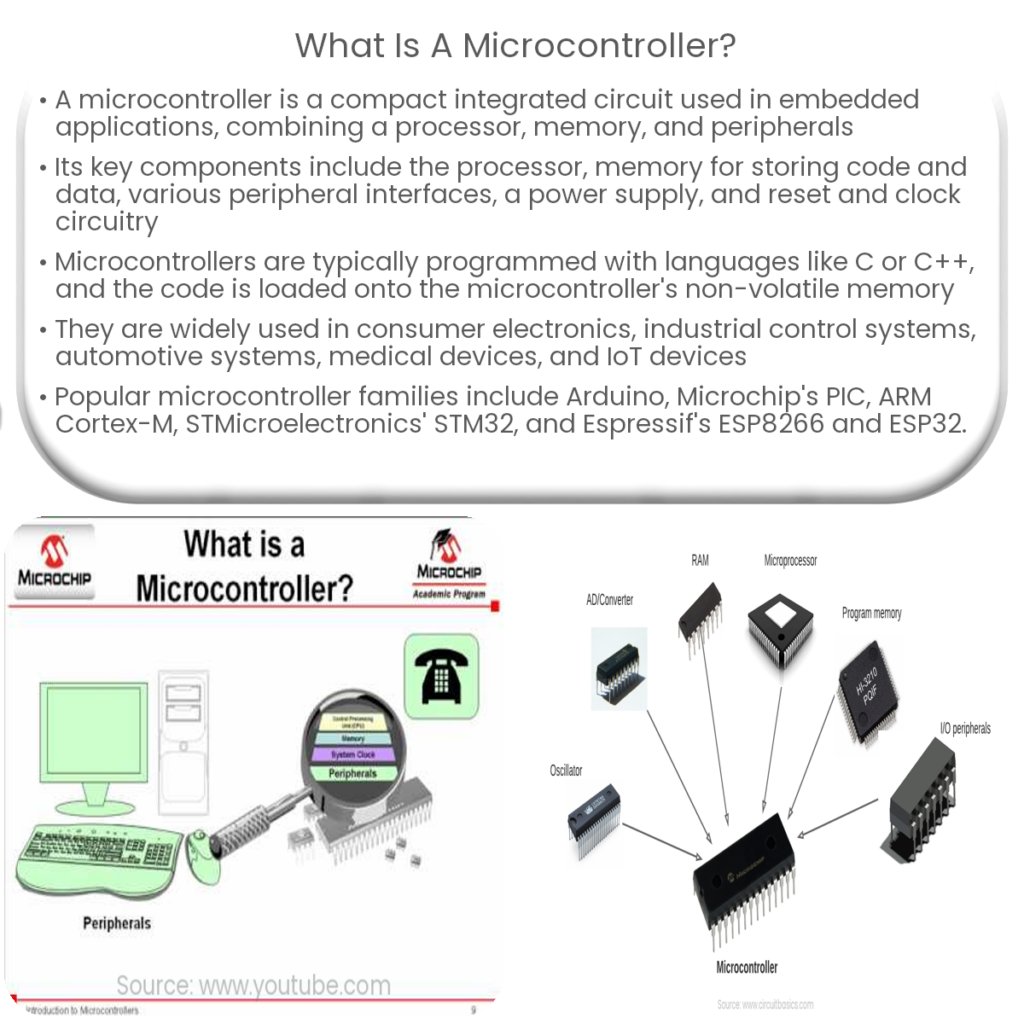
A microcontroller is a compact integrated circuit that combines a processor, memory, and peripherals to perform tasks in embedded applications.

To read an IC pinout diagram, locate pin 1, identify the package type, understand pin functions, refer to the datasheet, and verify connections.
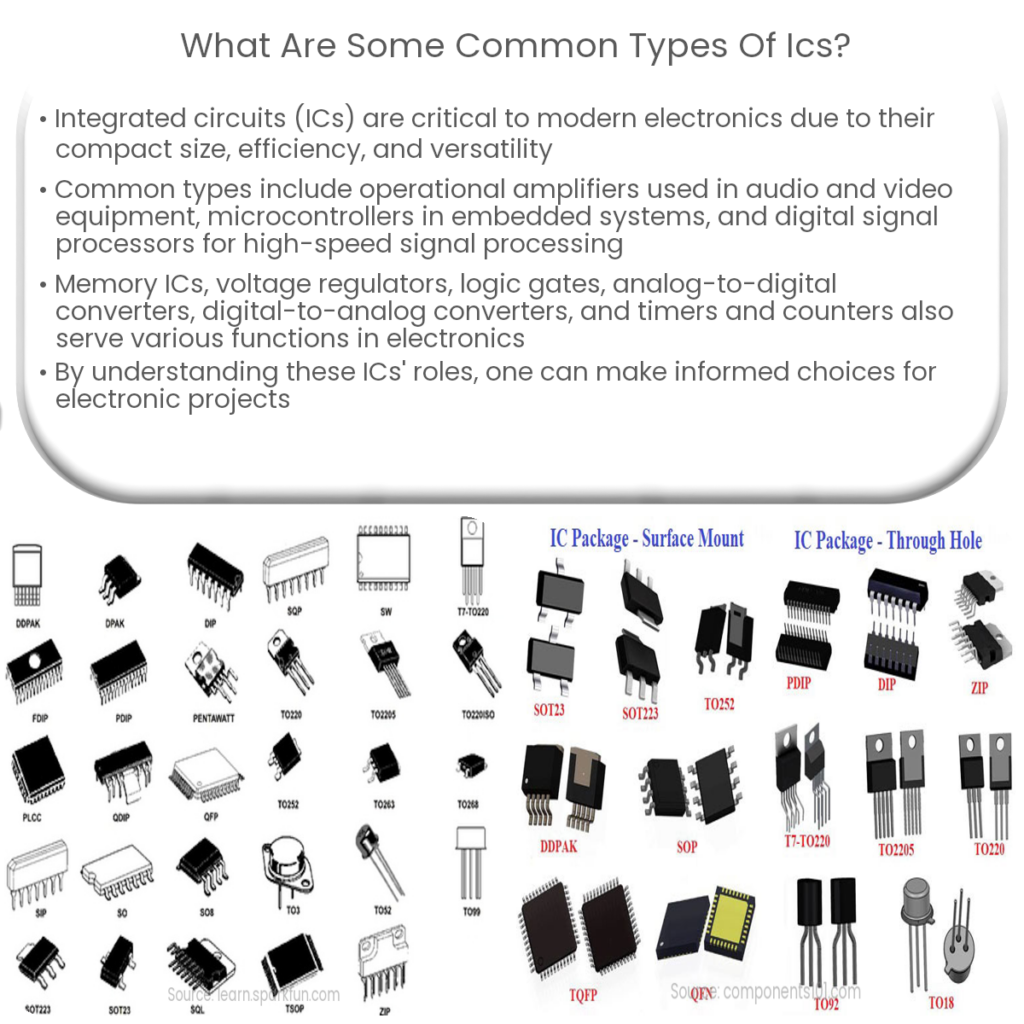
Common IC types include operational amplifiers, microcontrollers, digital signal processors, memory ICs, voltage regulators, logic gates, ADCs, DACs, and timers/counters.
An integrated circuit (IC) is a small electronic device containing interconnected components, such as transistors, resistors, and capacitors, on a semiconductor.
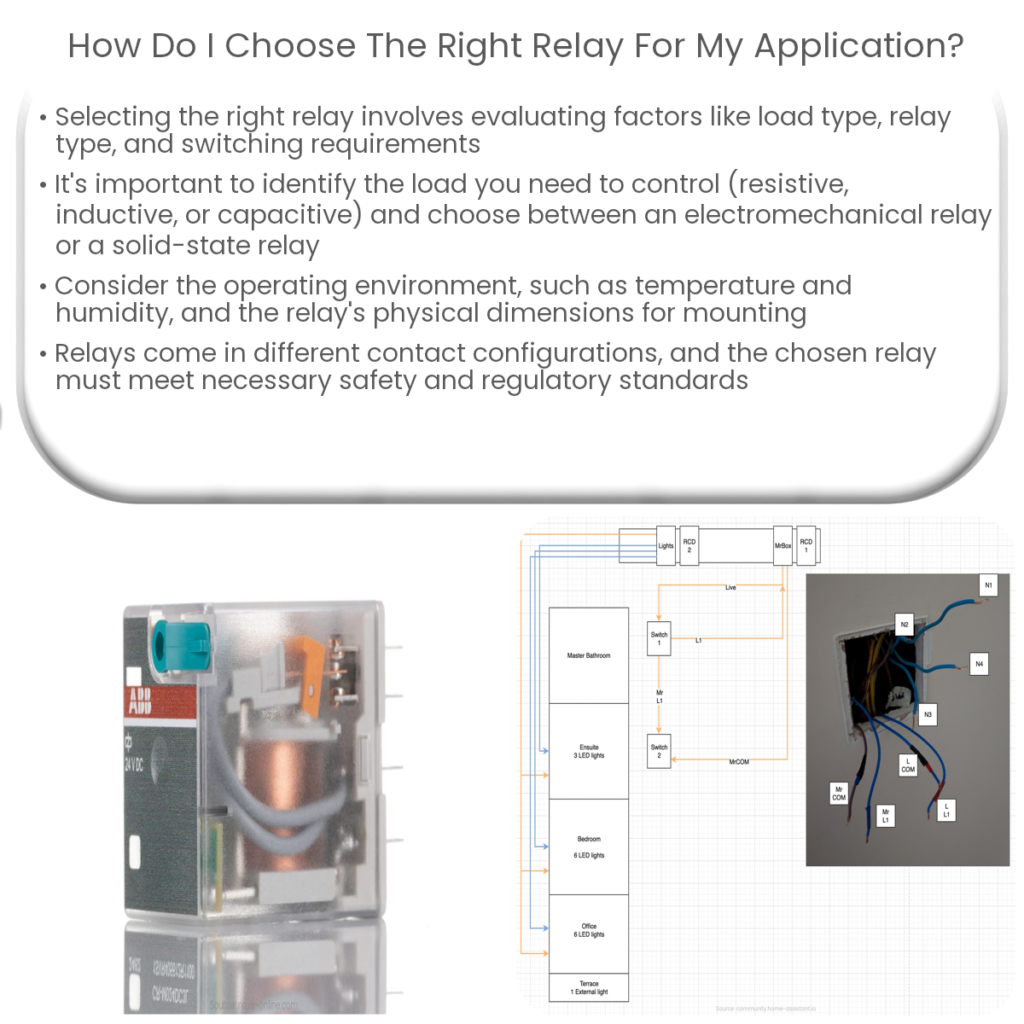
Consider load type, relay type, switching requirements, environmental conditions, mounting, contact configuration, and safety compliance.

EMRs have moving parts, slower switching, shorter life span, and generate noise. SSRs have no moving parts, faster switching, longer life, and less noise.

A solid-state relay (SSR) is an electronic switch with no moving parts, using semiconductor devices for fast, reliable, and long-lasting switching.

The primary purpose of this project is to help the public to learn some exciting and important information about electricity and magnetism.
Our Website follows all legal requirements to protect your privacy. Visit our Privacy Policy page.
The Cookies Statement is part of our Privacy Policy.
The information contained on this website is for general information purposes only. This website does not use any proprietary data. Visit our Editorial note.
It’s simple:
1) You may use almost everything for non-commercial and educational use.
2) You may not distribute or commercially exploit the content, especially on another website.


