
How does a Wheatstone bridge work?
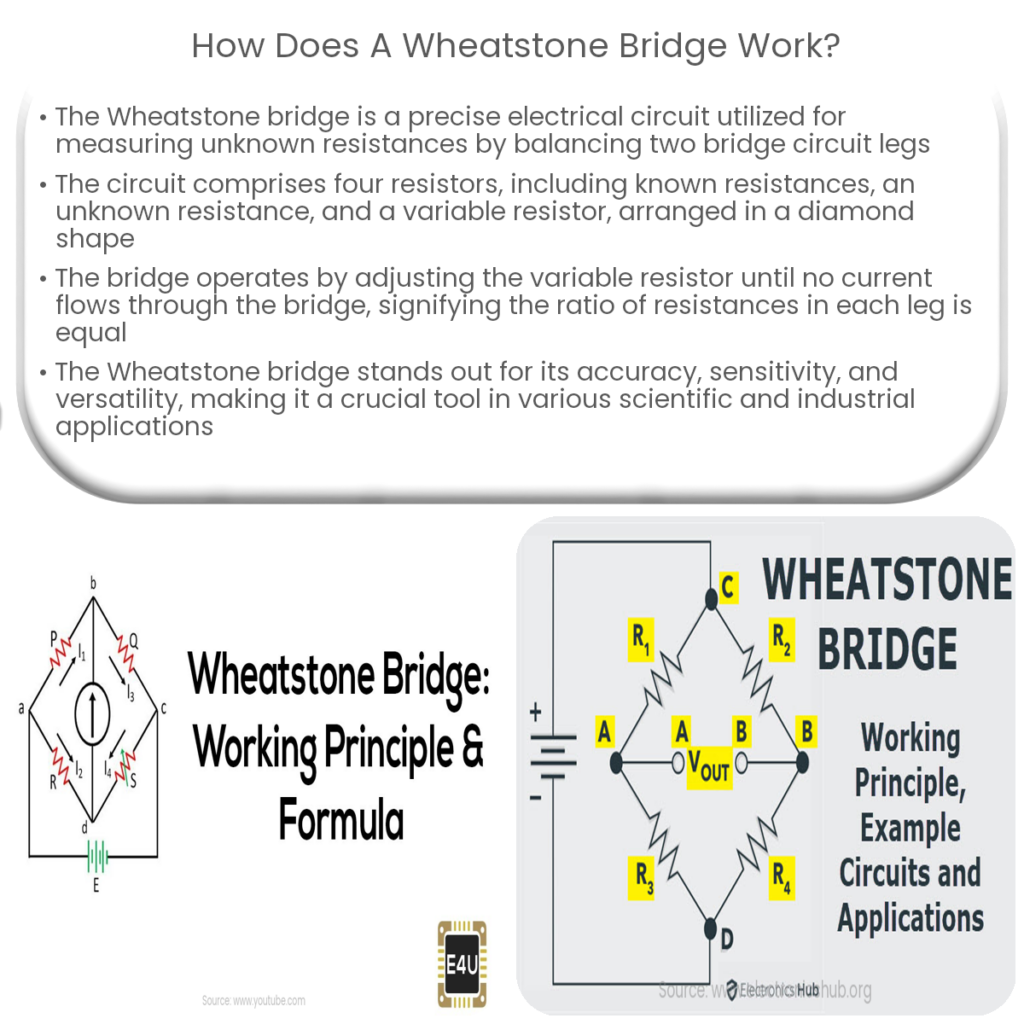
A Wheatstone bridge works by balancing two legs of a bridge circuit, comparing the ratio of resistances, and providing accurate resistance measurements.
A Wheatstone bridge works by balancing two legs of a bridge circuit, comparing the ratio of resistances, and providing accurate resistance measurements.
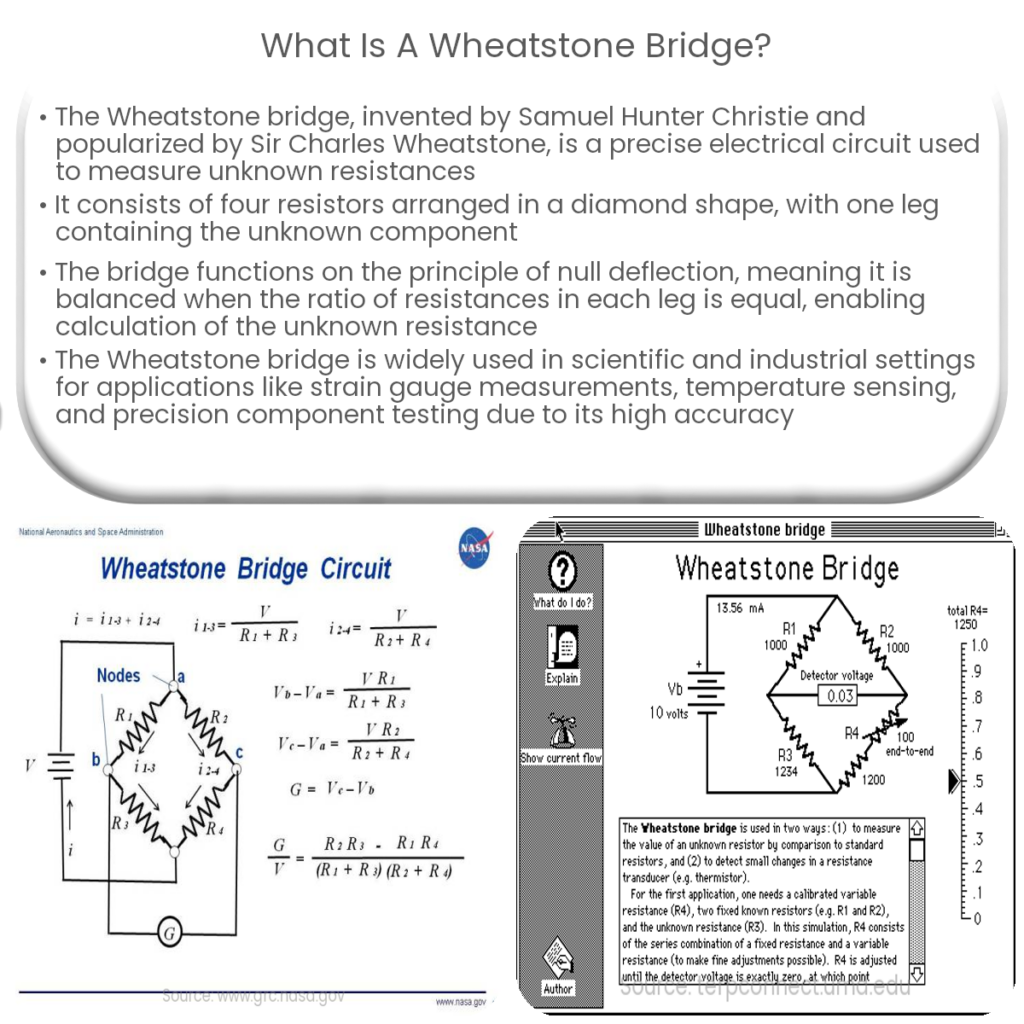
A Wheatstone bridge is a circuit used to measure unknown resistances by balancing two legs of a bridge circuit, achieving high precision results.
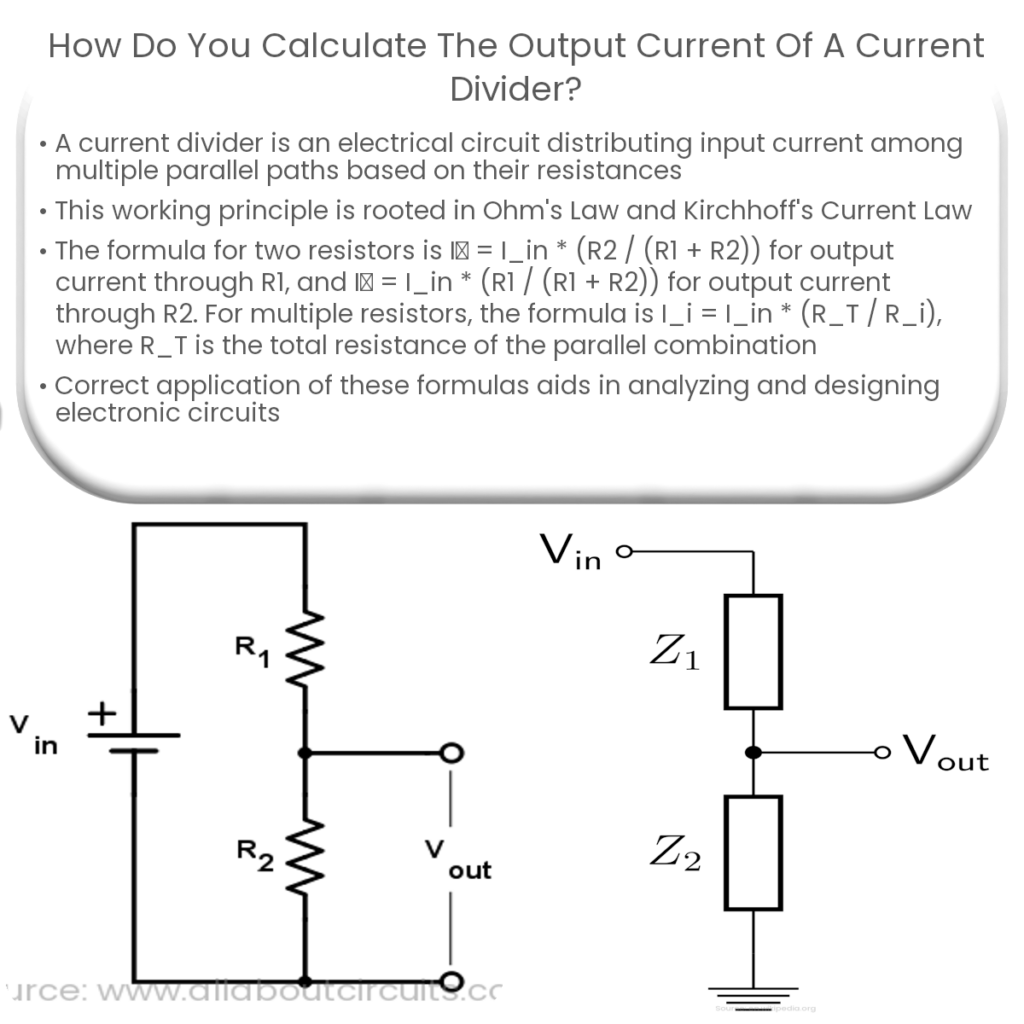
To calculate the output current in a current divider, use the formula Ii = Iin * (Rt / Ri), where Ii is the output current and Rt is total resistance.

A current divider works by distributing input current among parallel paths in proportion to the resistances or impedances of the connected components.
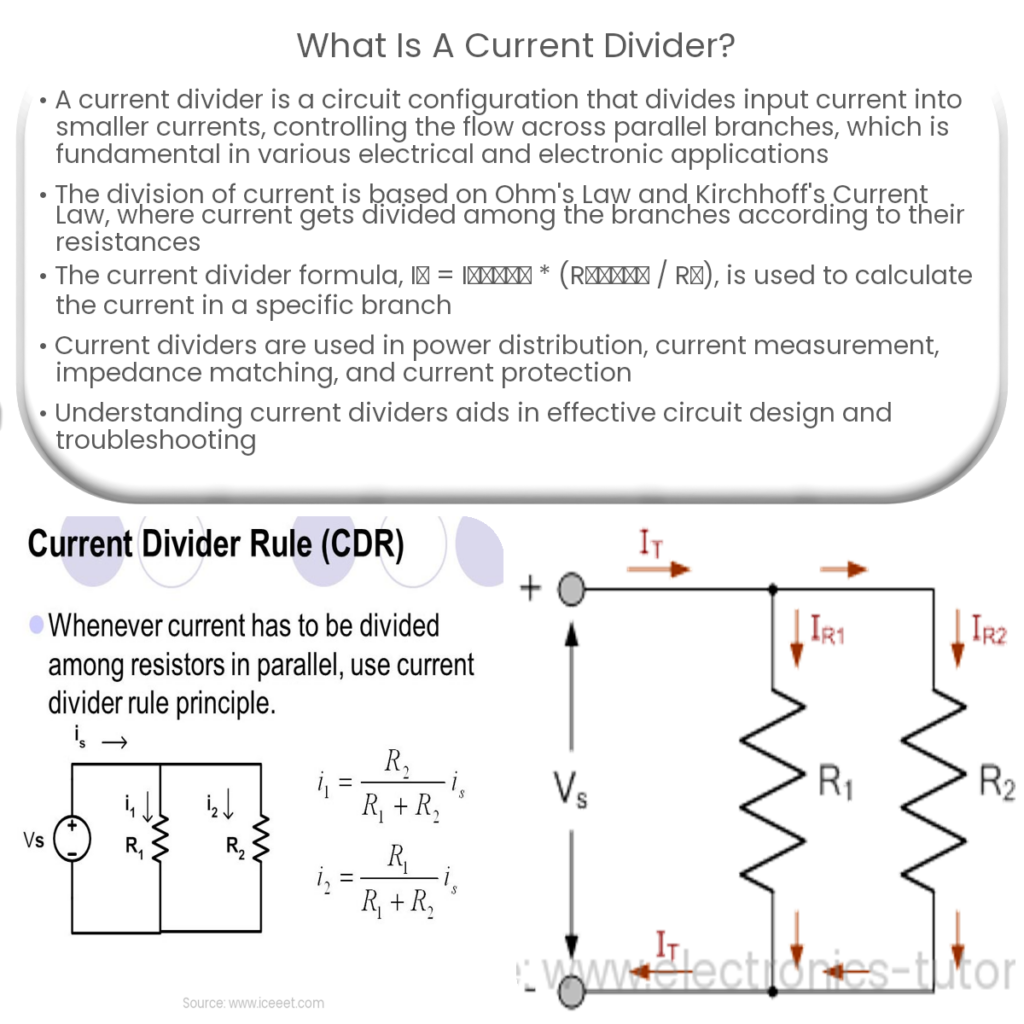
A current divider is a circuit that splits input current into multiple output currents in proportion to the resistances of the connected components.

To calculate the output voltage of a voltage divider, use the equation Vout = Vin * (R2 / (R1 + R2)), where Vin is the input voltage, and R1 and R2 are resistors.
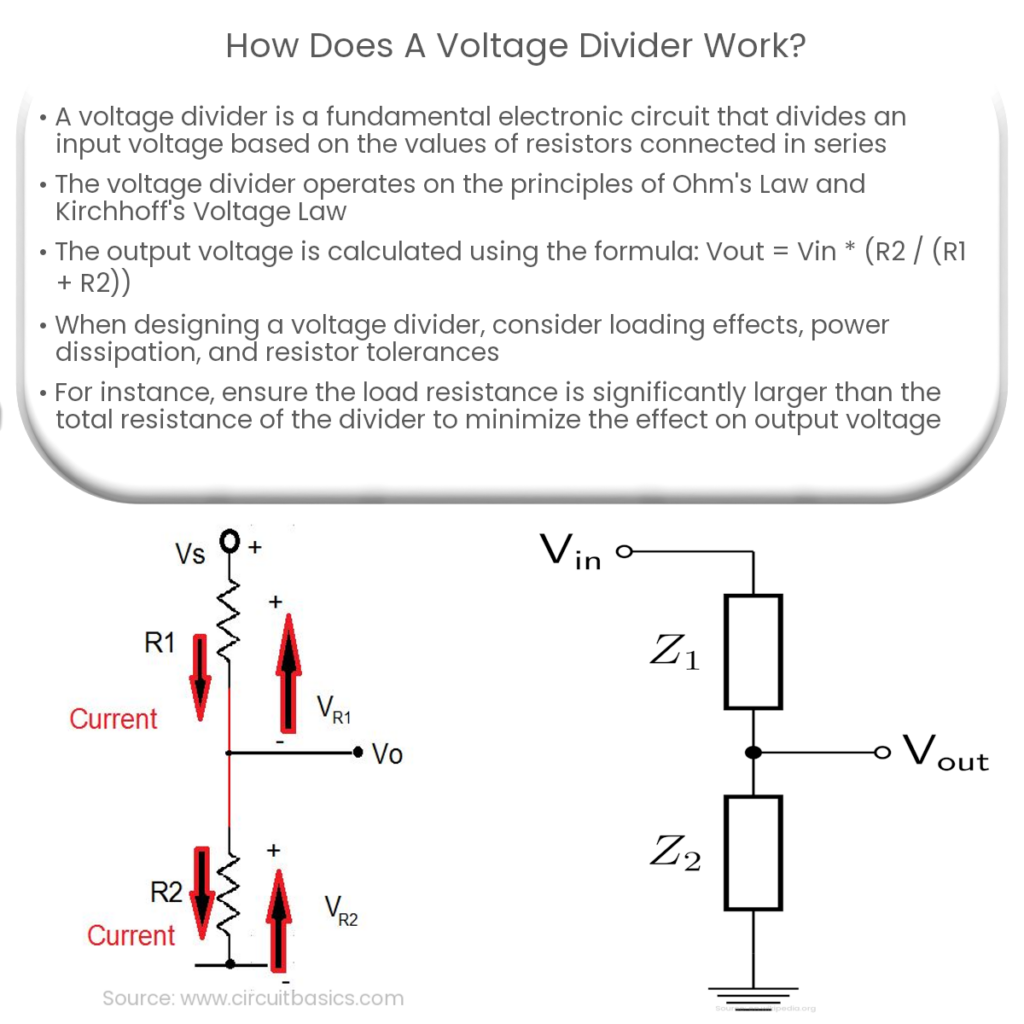
A voltage divider works by dividing an input voltage based on resistor values in series, using Ohm’s Law and Kirchhoff’s Voltage Law principles.
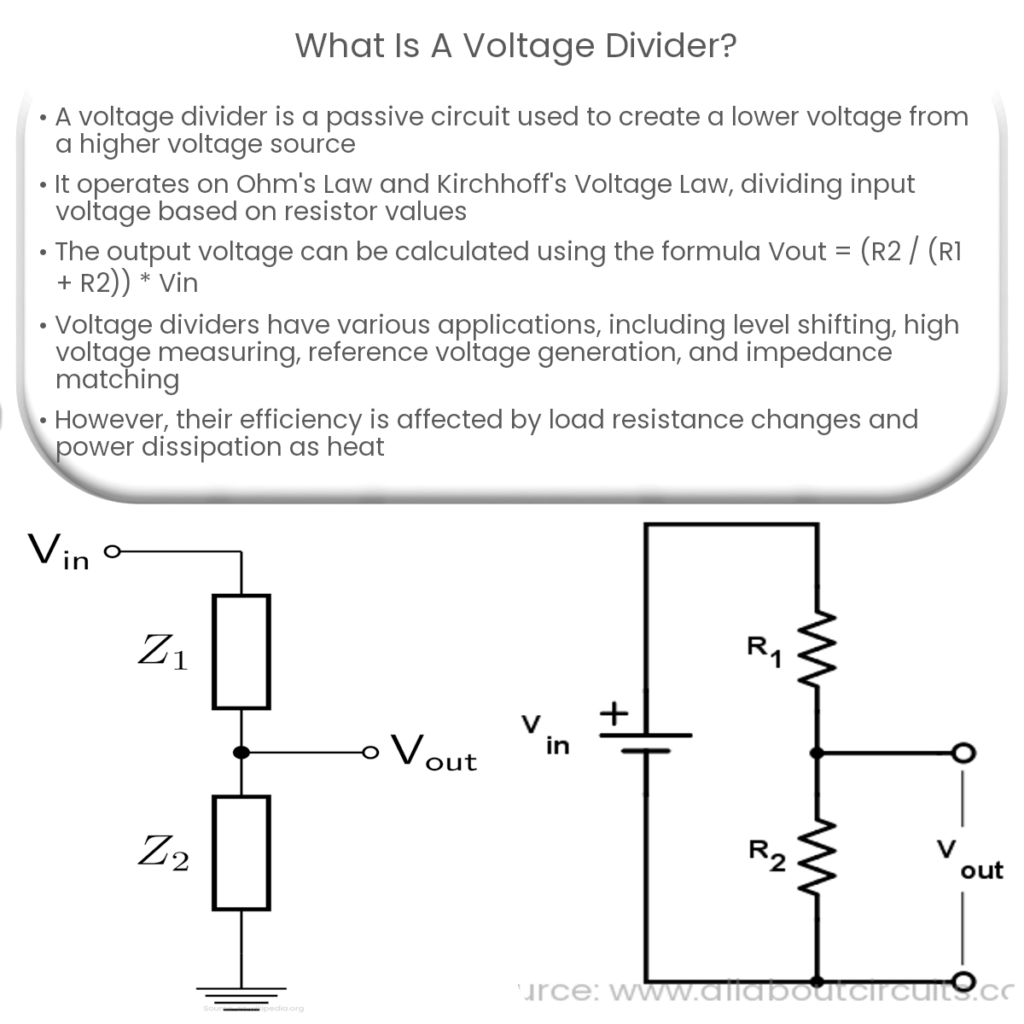
A voltage divider is a circuit that outputs a proportionate voltage based on input voltage and resistor values, used for various applications.

The type of material affects a resistor’s resistance due to differences in resistivity, electron behavior, and other intrinsic properties.
Conductors readily allow electric current flow, semiconductors have intermediate conductivity, and insulators resist current flow significantly.

The primary purpose of this project is to help the public to learn some exciting and important information about electricity and magnetism.
Our Website follows all legal requirements to protect your privacy. Visit our Privacy Policy page.
The Cookies Statement is part of our Privacy Policy.
The information contained on this website is for general information purposes only. This website does not use any proprietary data. Visit our Editorial note.
It’s simple:
1) You may use almost everything for non-commercial and educational use.
2) You may not distribute or commercially exploit the content, especially on another website.


