
How does an electric current produce a magnetic field?
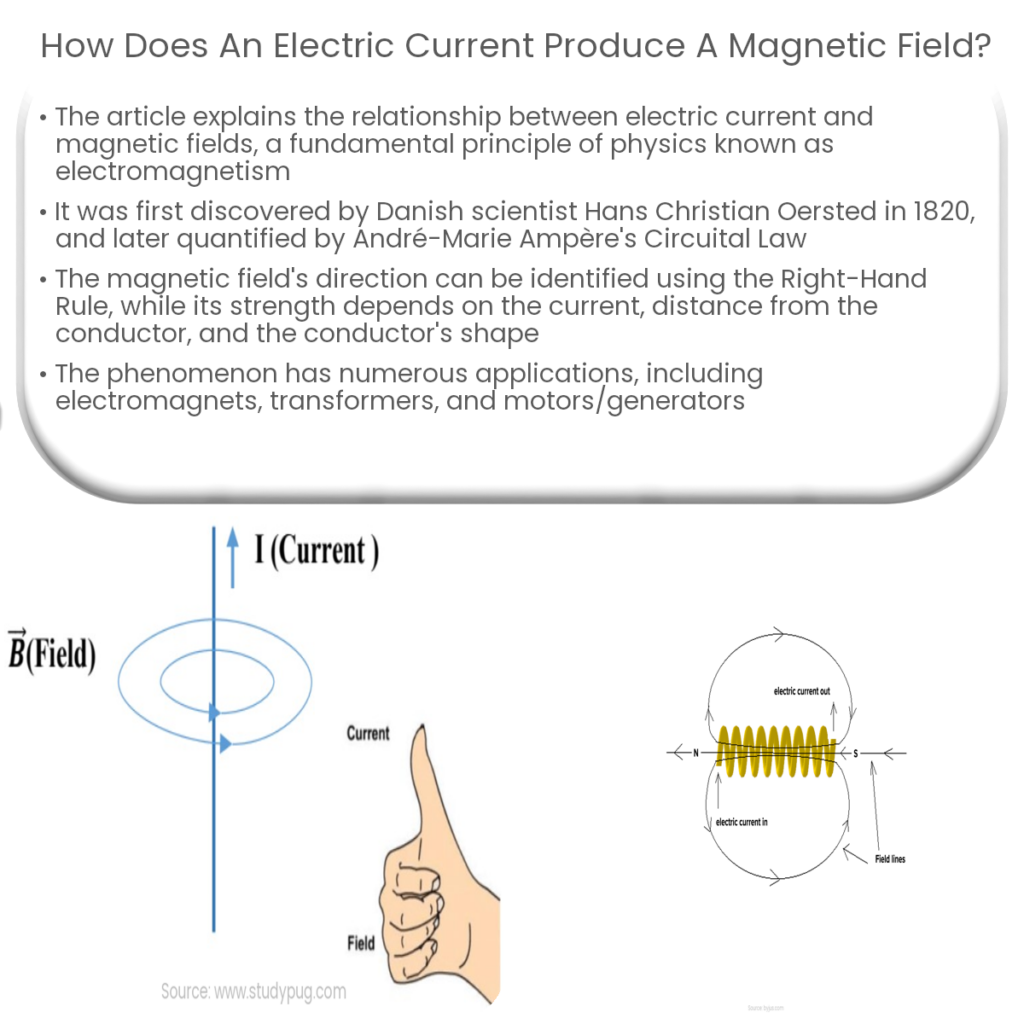
Electric currents produce magnetic fields as electrons flow through a conductor, creating a magnetic field around it, known as electromagnetism.
Electric currents produce magnetic fields as electrons flow through a conductor, creating a magnetic field around it, known as electromagnetism.
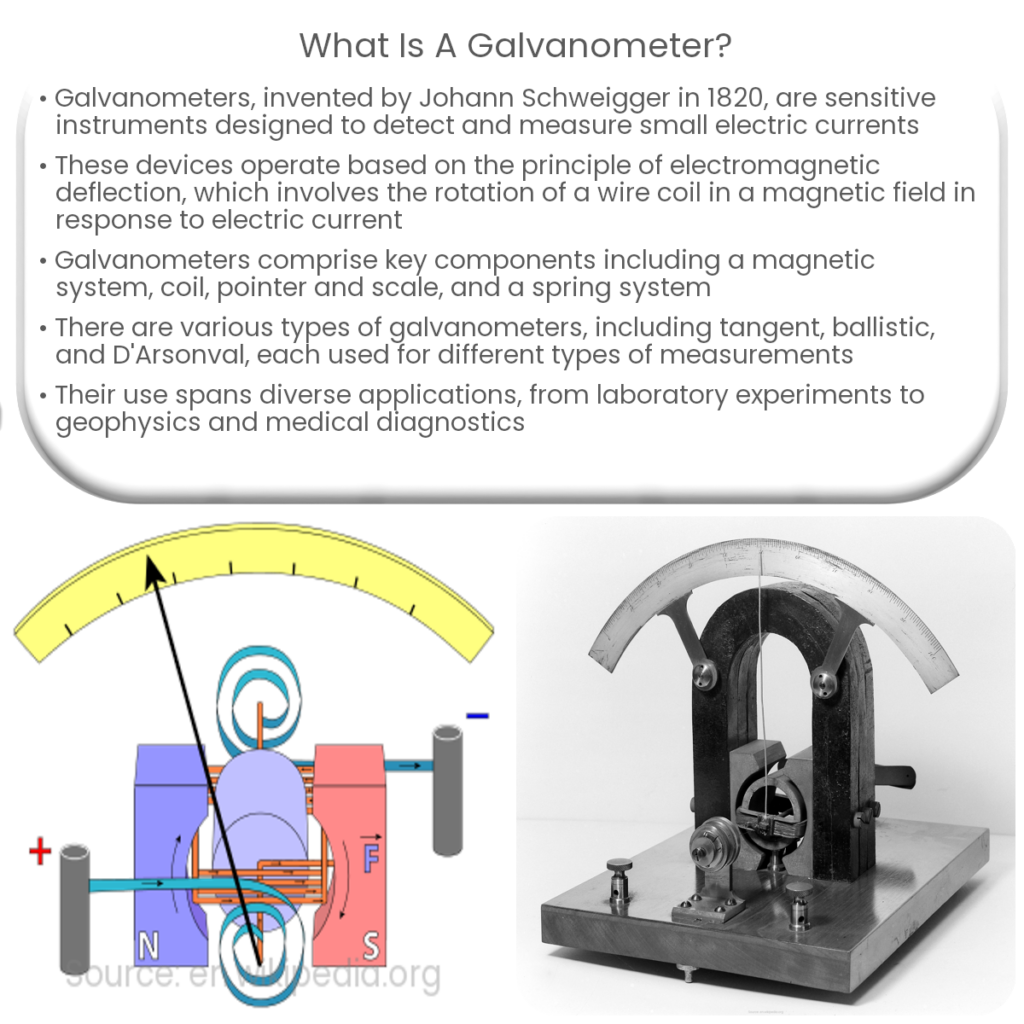
A galvanometer is a sensitive instrument used to detect and measure small electric currents by exploiting the interaction between magnetic fields and currents.
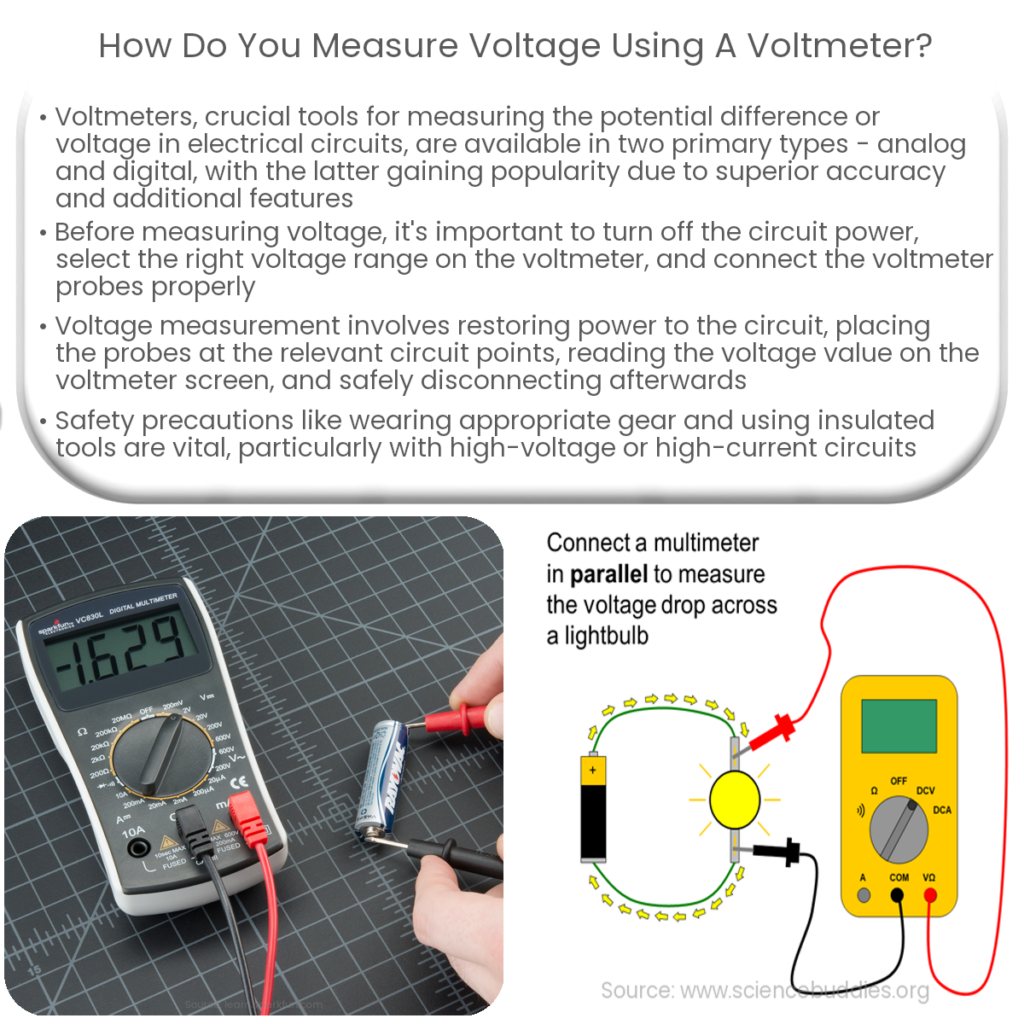
To measure voltage using a voltmeter, connect the probes to the circuit points in parallel and read the displayed value on the voltmeter screen.

To measure current using an ammeter, connect it in series with the circuit, ensuring proper probe placement, and read the displayed value.
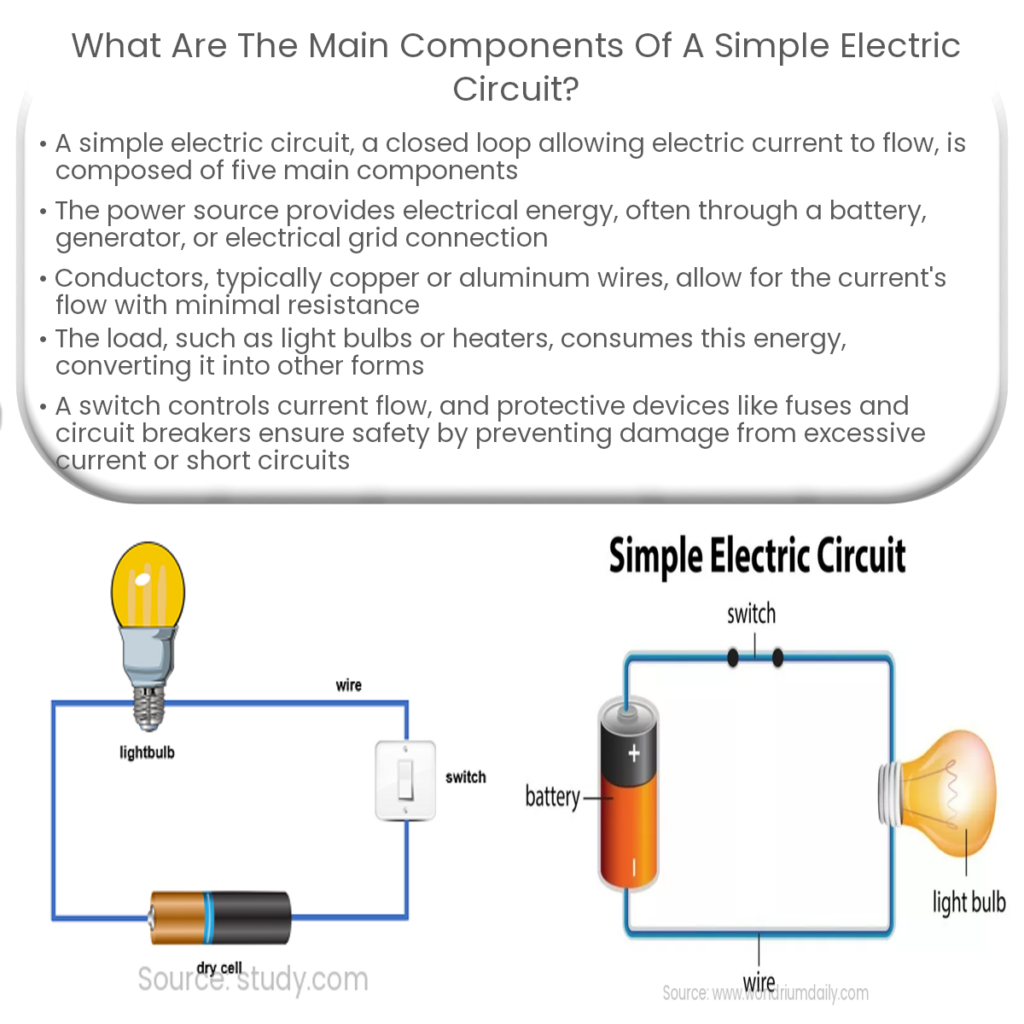
The main components of a simple electric circuit are a power source, conductors, a load, a switch, and protective devices such as fuses or breakers.
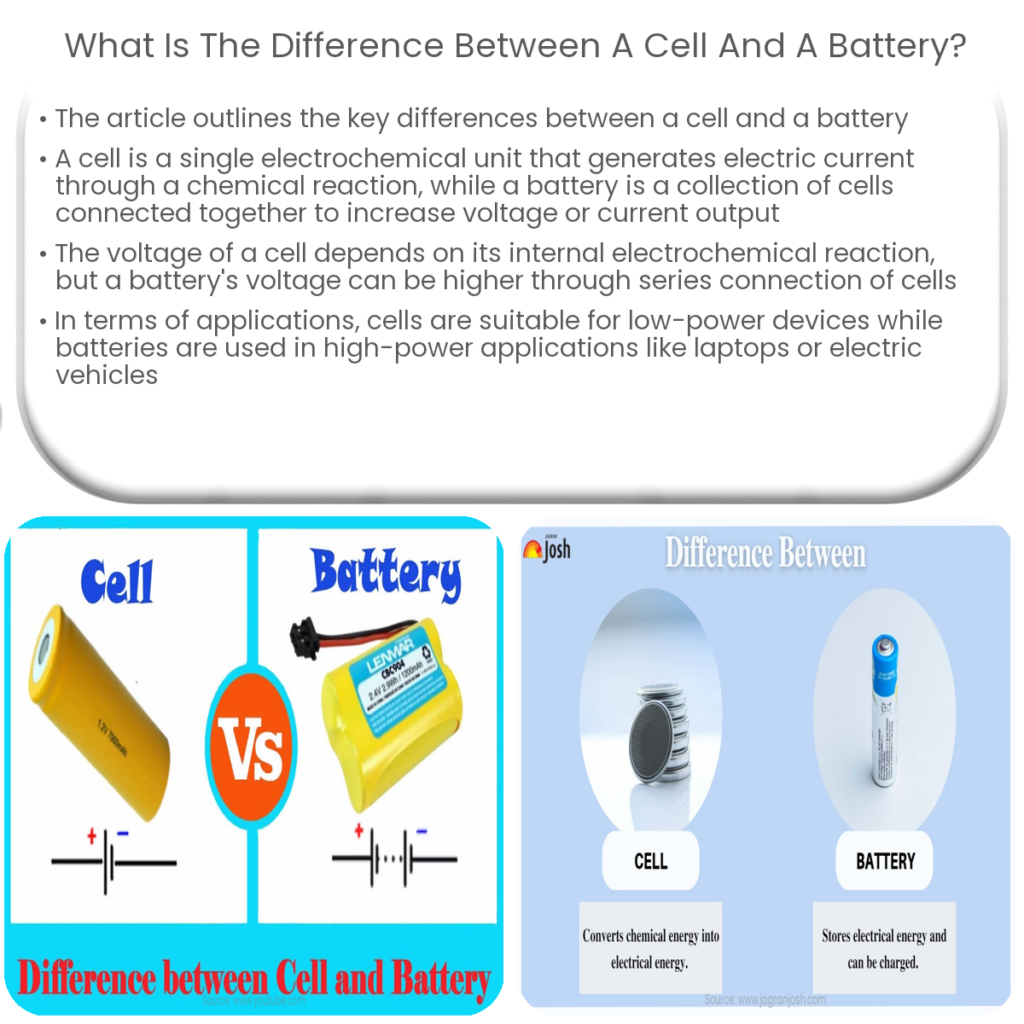
A cell is a single electrochemical unit producing electric current, while a battery is a collection of cells connected to increase voltage or current.
Thevenin’s theorem simplifies linear circuits, while batteries produce electric current through electrochemical reactions between electrodes.

To use KVL and KCL, first identify nodes, loops, and components. Then, write KCL equations for nodes and KVL equations for loops. Finally, solve the equations.
Kirchhoff’s Current Law (KCL) states that the sum of currents entering a node in a circuit equals the sum of currents leaving the node.
Kirchhoff’s Voltage Law states that the sum of voltages around any closed loop in a circuit must equal zero, based on the conservation of energy.

The primary purpose of this project is to help the public to learn some exciting and important information about electricity and magnetism.
Our Website follows all legal requirements to protect your privacy. Visit our Privacy Policy page.
The Cookies Statement is part of our Privacy Policy.
The information contained on this website is for general information purposes only. This website does not use any proprietary data. Visit our Editorial note.
It’s simple:
1) You may use almost everything for non-commercial and educational use.
2) You may not distribute or commercially exploit the content, especially on another website.


