
What is mutual inductance?

Mutual inductance occurs when a change in current in one coil induces voltage in a nearby coil through the interaction of their magnetic fields.
Mutual inductance occurs when a change in current in one coil induces voltage in a nearby coil through the interaction of their magnetic fields.

Step-up transformers increase voltage and decrease current, while step-down transformers decrease voltage and increase current in a circuit.
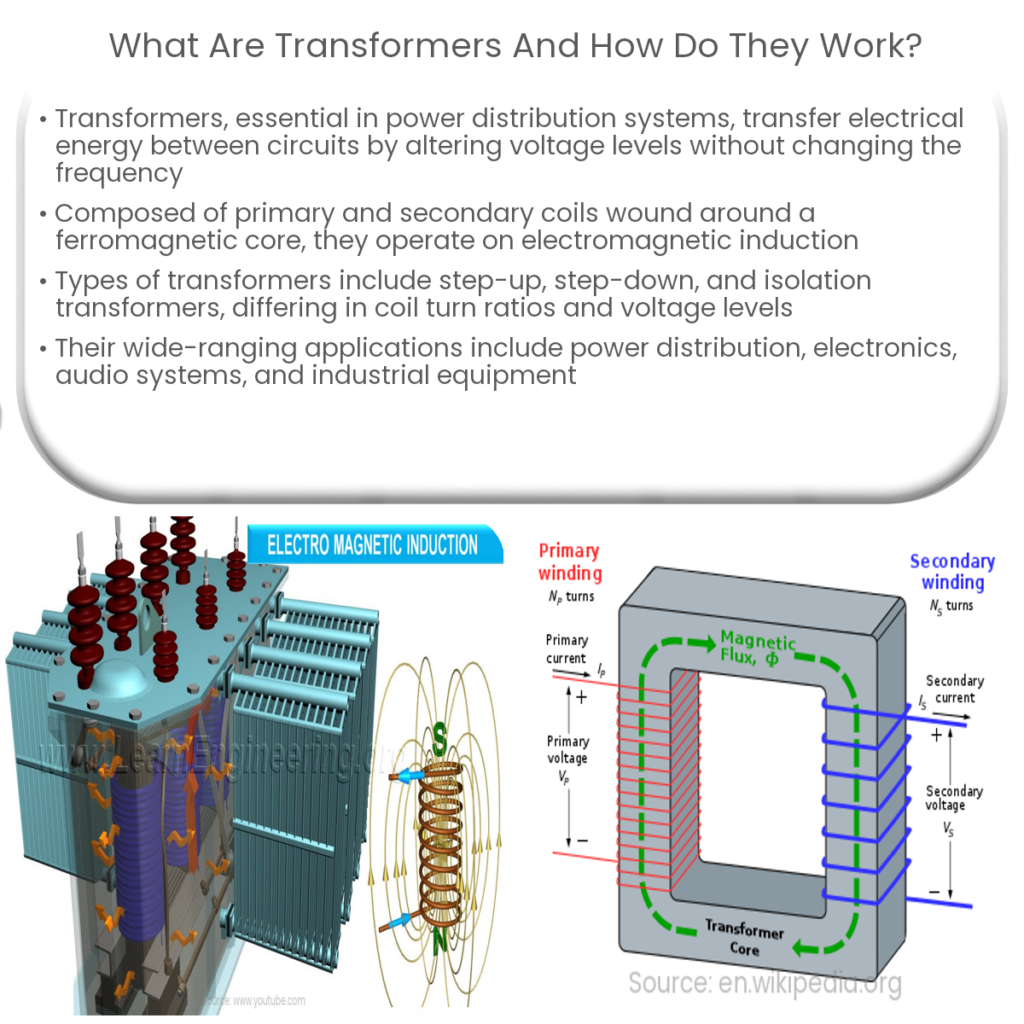
Transformers transfer electrical energy between circuits by changing voltage levels without altering frequency, using electromagnetic induction.

Electromagnetic induction is the process where a changing magnetic field generates voltage in a nearby conductor, used in generators and transformers.
Lenz’s Law states that the induced current in a conductor opposes the change in magnetic field that created it, conserving energy in the process.
Faraday’s Law states that the induced electromotive force (EMF) in a circuit is proportional to the rate of change of magnetic flux through it.

Increase an electromagnet’s strength by adding more wire turns, using a ferromagnetic core, and raising the current, while managing heat and insulation.

An electromagnet works by passing an electric current through a wire coil, creating a magnetic field that is concentrated within a ferromagnetic core.
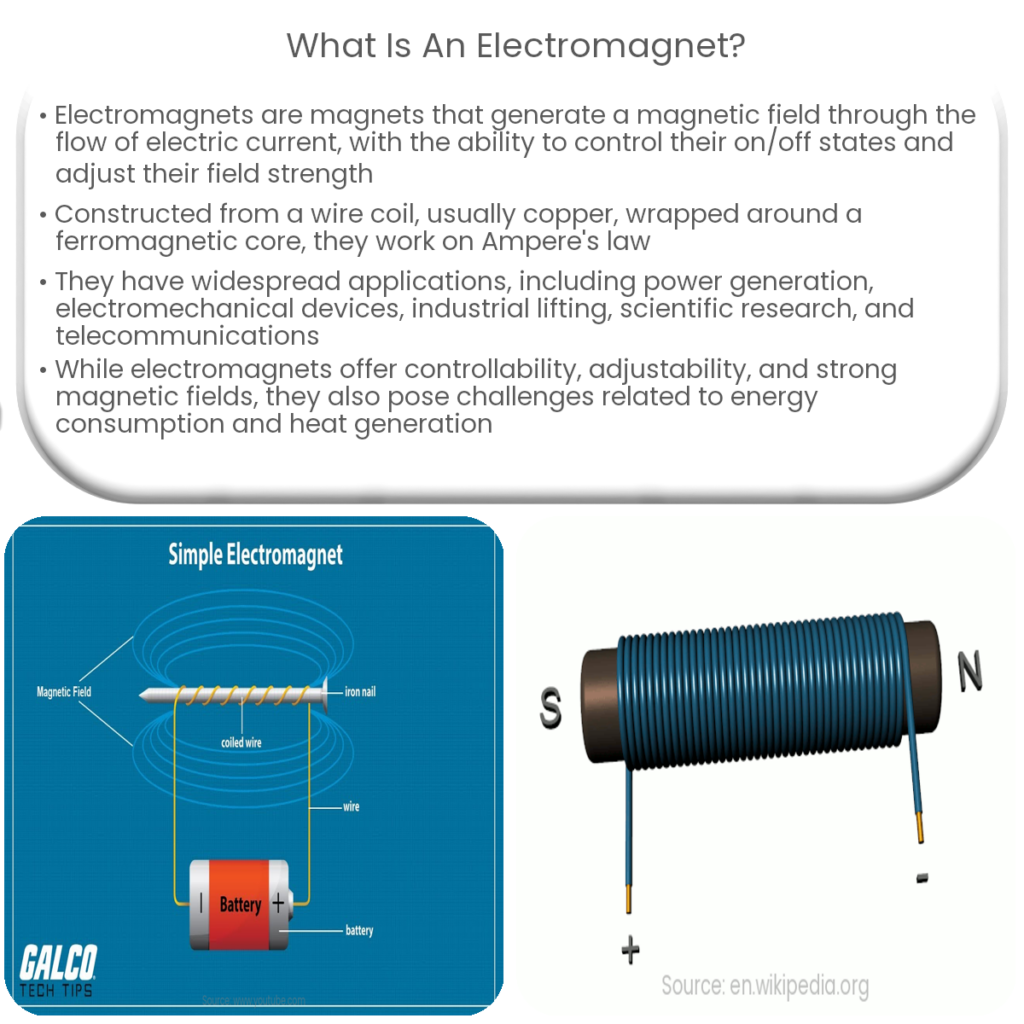
An electromagnet is a magnet that generates a magnetic field through electric current, which flows through a wire coil wrapped around a core.

The right-hand rule is a mnemonic tool for determining the direction of magnetic fields created by electric currents and the force on charged particles.

The primary purpose of this project is to help the public to learn some exciting and important information about electricity and magnetism.
Our Website follows all legal requirements to protect your privacy. Visit our Privacy Policy page.
The Cookies Statement is part of our Privacy Policy.
The information contained on this website is for general information purposes only. This website does not use any proprietary data. Visit our Editorial note.
It’s simple:
1) You may use almost everything for non-commercial and educational use.
2) You may not distribute or commercially exploit the content, especially on another website.


