
How do you calculate impedance in an RLC circuit?
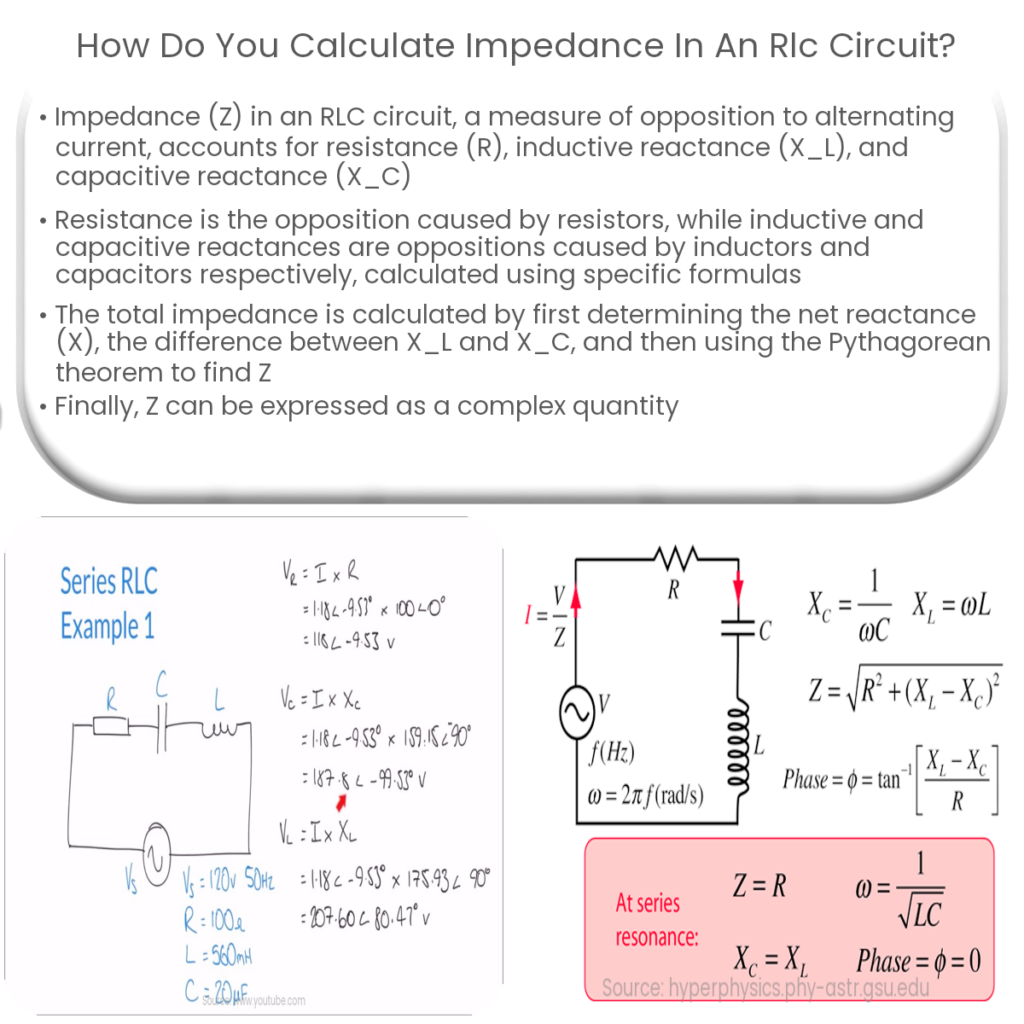
To calculate impedance in an RLC circuit, find resistance (R), inductive reactance (Xₗ), capacitive reactance (Xc), net reactance (X), and use Z = √(R² + X²).
To calculate impedance in an RLC circuit, find resistance (R), inductive reactance (Xₗ), capacitive reactance (Xc), net reactance (X), and use Z = √(R² + X²).
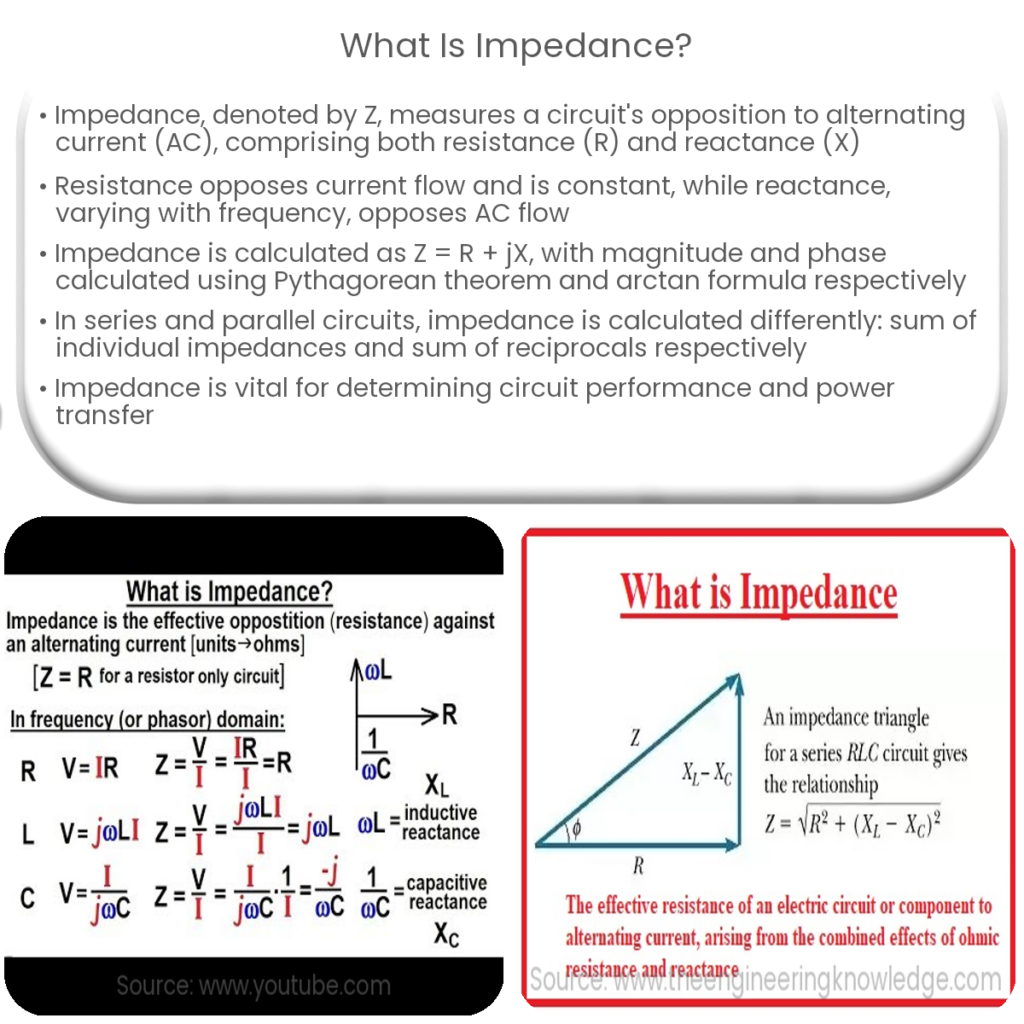
Impedance is a complex quantity that measures a circuit’s opposition to alternating current, encompassing both resistance and reactance components.
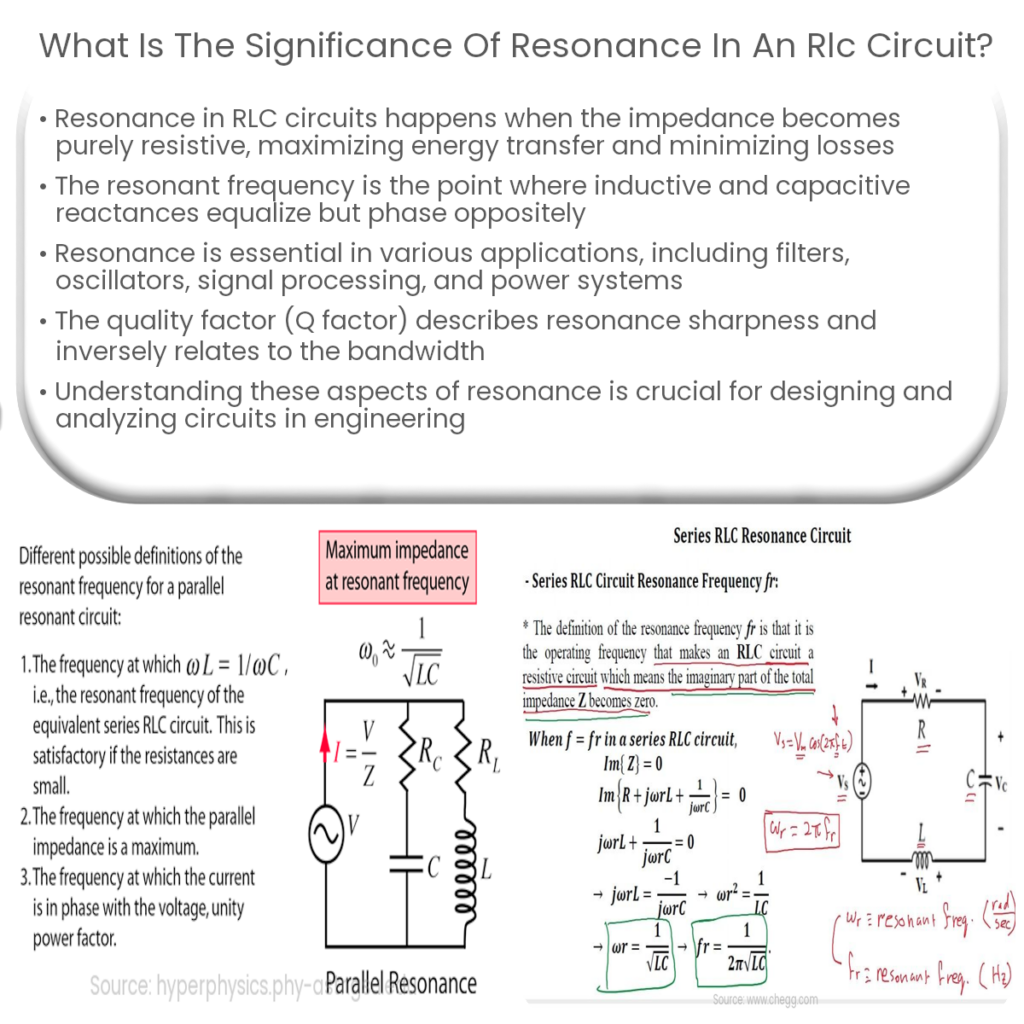
Resonance in an RLC circuit occurs when inductive and capacitive reactances cancel each other out, maximizing energy transfer and minimizing losses.
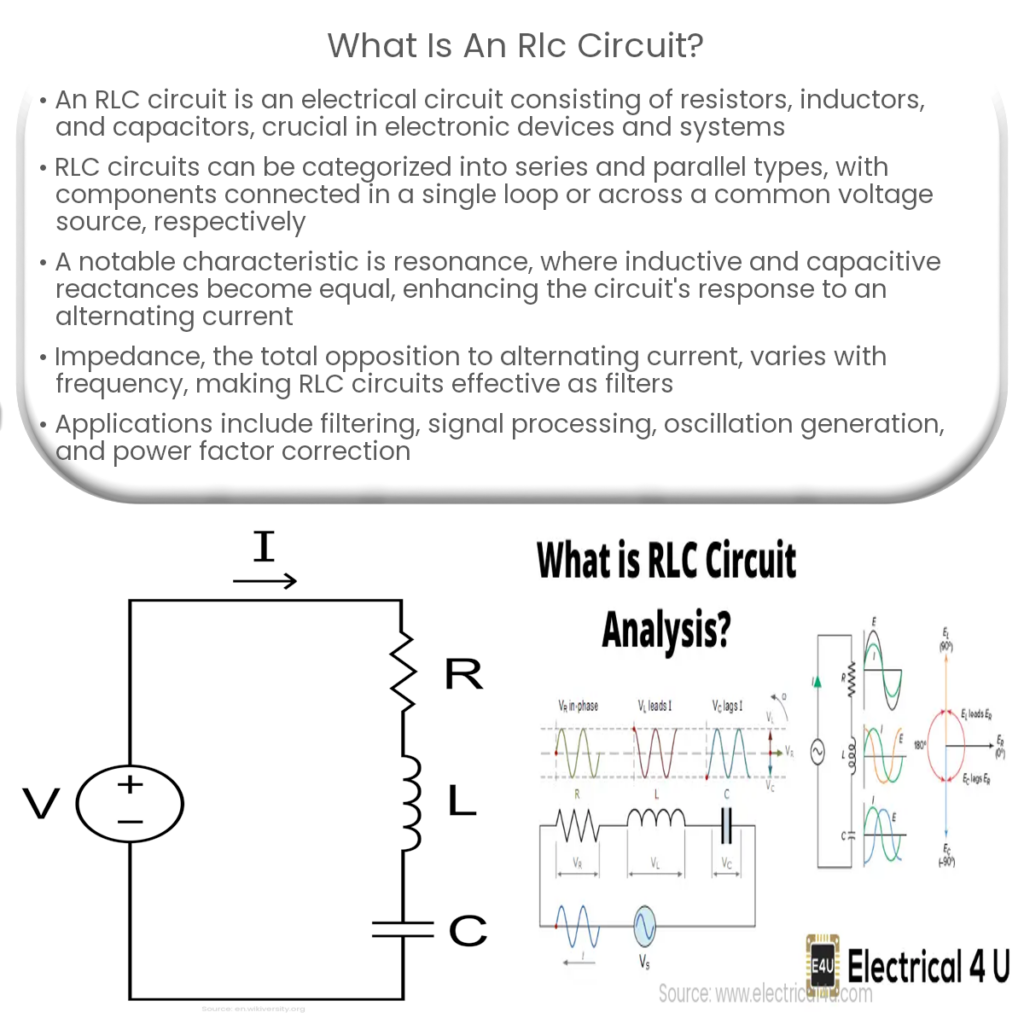
An RLC circuit is an electrical circuit containing resistors, inductors, and capacitors, used in filtering, oscillators, signal processing, and power systems.
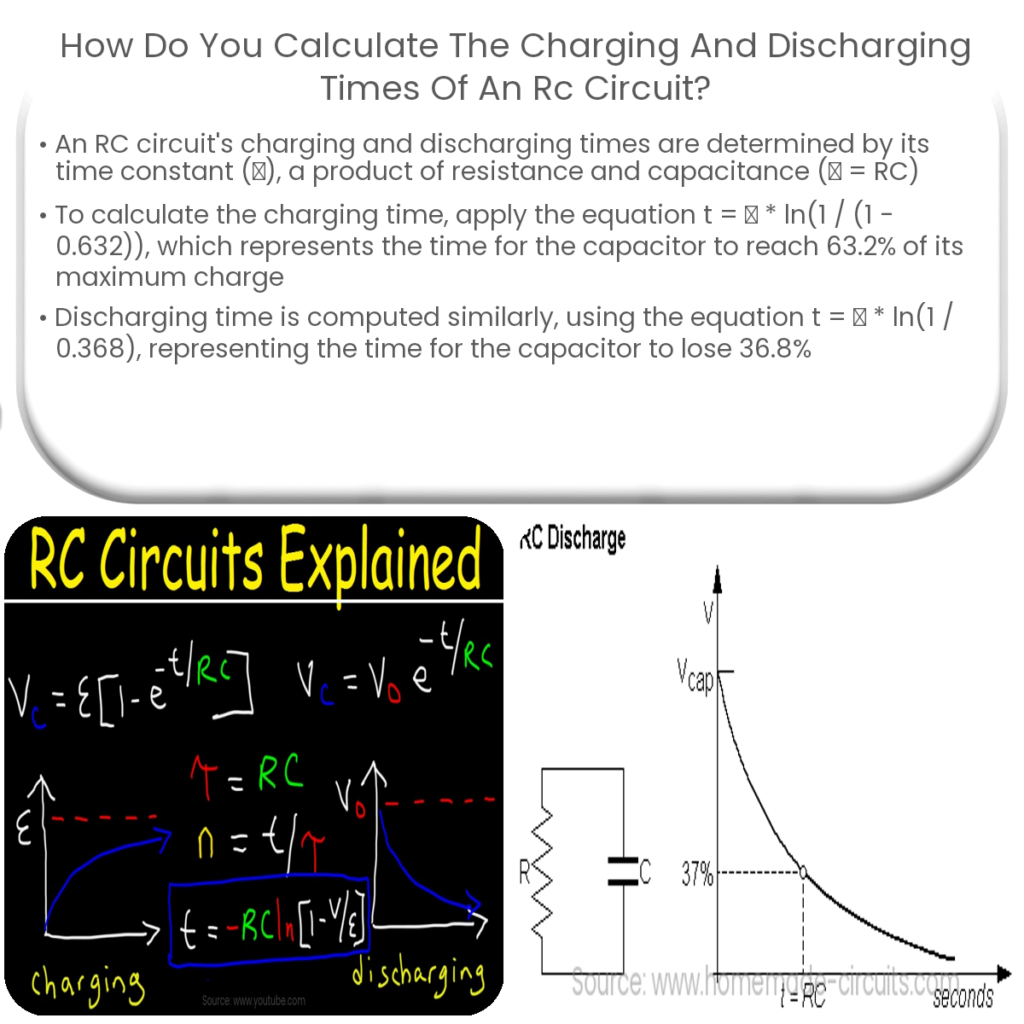
To calculate charging and discharging times of an RC circuit, determine the time constant (τ = RC) and use exponential charging and discharging equations.

The time constant of an RC circuit is calculated as the product of resistance (R) and capacitance (C), represented as τ = RC. It determines charging and discharging rates.
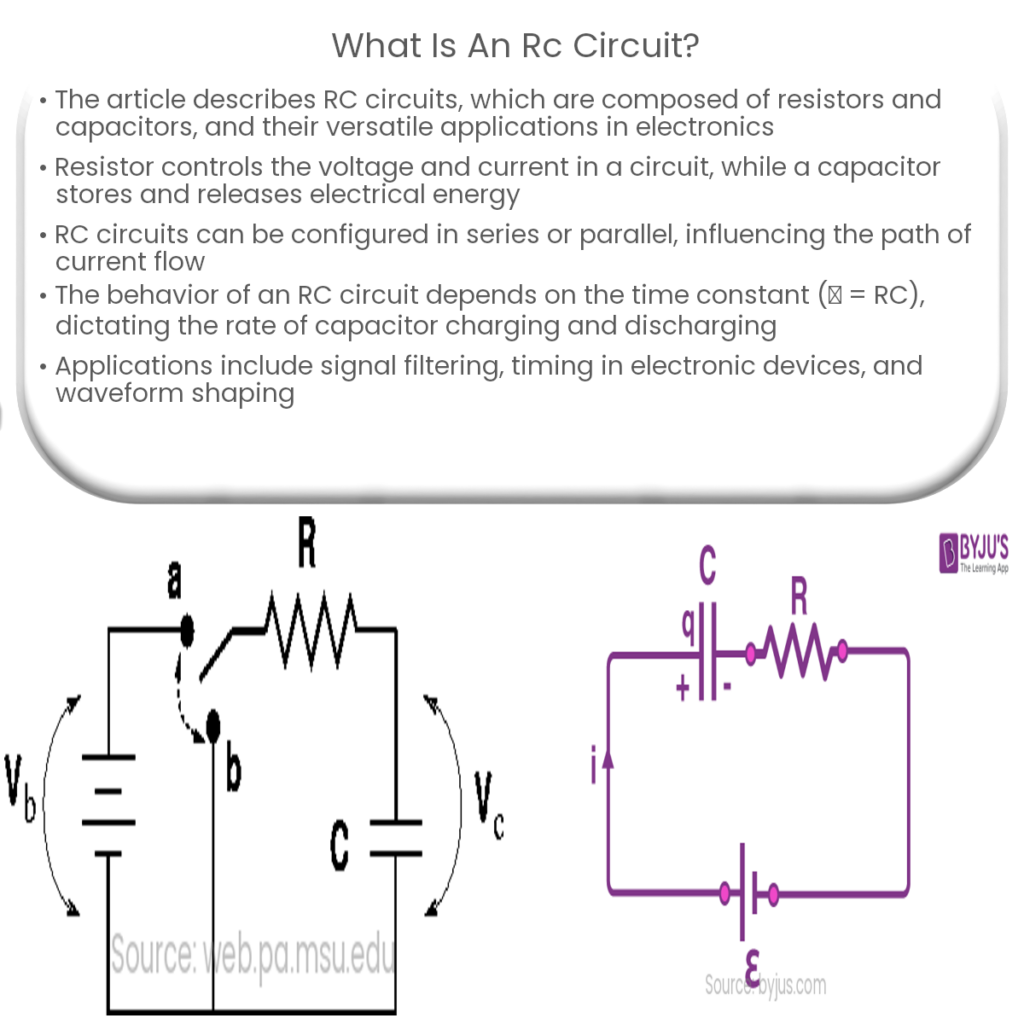
An RC circuit is an electrical circuit composed of a resistor and capacitor, used for filtering, timing, and waveform shaping in various applications.
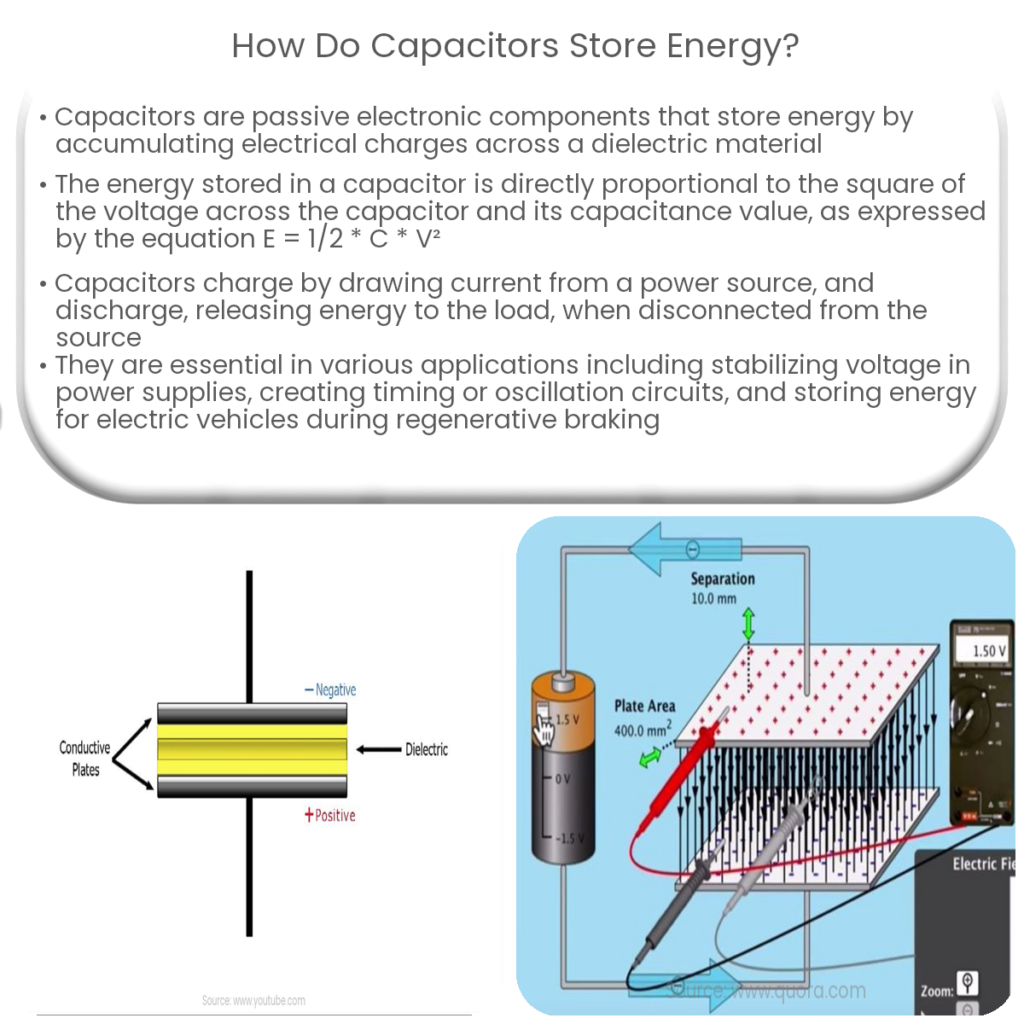
Capacitors store energy by accumulating electric charges on conductive plates separated by a dielectric, creating an electric field.

Capacitors store electrical energy, filter voltage fluctuations, couple and decouple signals, and are crucial in timing and oscillation circuits.

Inductors store energy in the form of a magnetic field when current flows through them, temporarily holding energy and releasing it when needed.

The primary purpose of this project is to help the public to learn some exciting and important information about electricity and magnetism.
Our Website follows all legal requirements to protect your privacy. Visit our Privacy Policy page.
The Cookies Statement is part of our Privacy Policy.
The information contained on this website is for general information purposes only. This website does not use any proprietary data. Visit our Editorial note.
It’s simple:
1) You may use almost everything for non-commercial and educational use.
2) You may not distribute or commercially exploit the content, especially on another website.


