
CPU heatsink
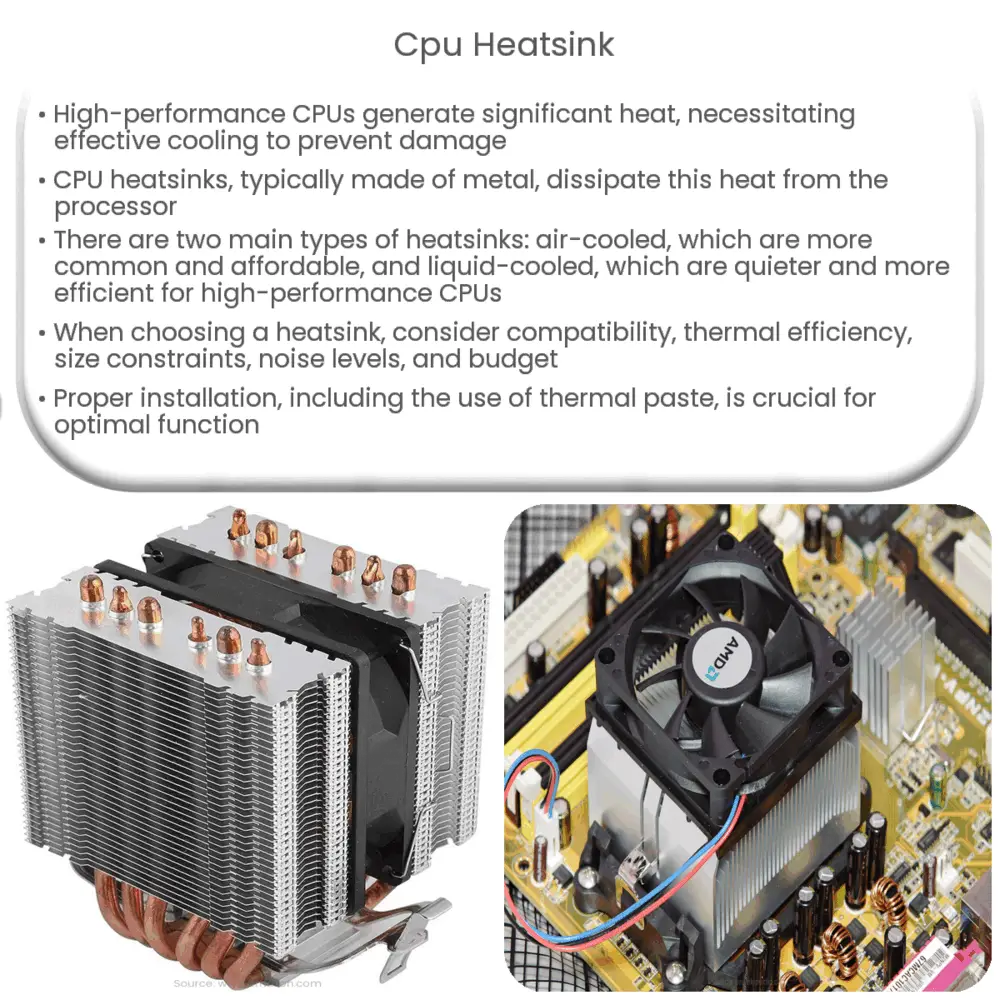
A CPU heatsink is a vital cooling component that dissipates heat from processors, maintaining optimal temperatures and preventing damage.
A CPU heatsink is a vital cooling component that dissipates heat from processors, maintaining optimal temperatures and preventing damage.

Ceramic heatsinks efficiently dissipate heat in electronics, offering high thermal conductivity, corrosion resistance, electrical insulation, and lightweight properties.

Composite material heatsinks offer lightweight, efficient cooling solutions with high thermal conductivity, corrosion resistance, and customizable properties.

Aluminum heatsinks efficiently dissipate heat in electronics, offering lightweight, cost-effective, and corrosion-resistant thermal management.
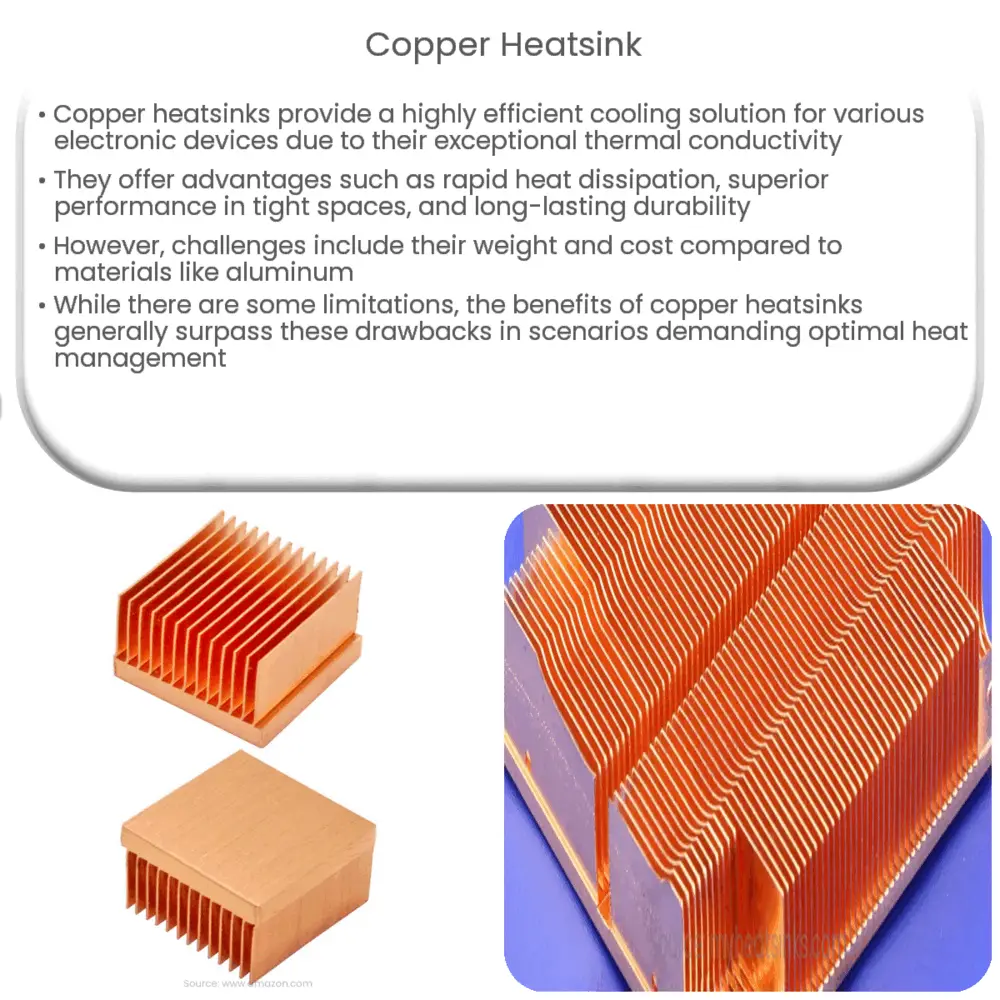
A copper heatsink is an efficient cooling solution for electronic devices, known for its high thermal conductivity, compact design, and durability.
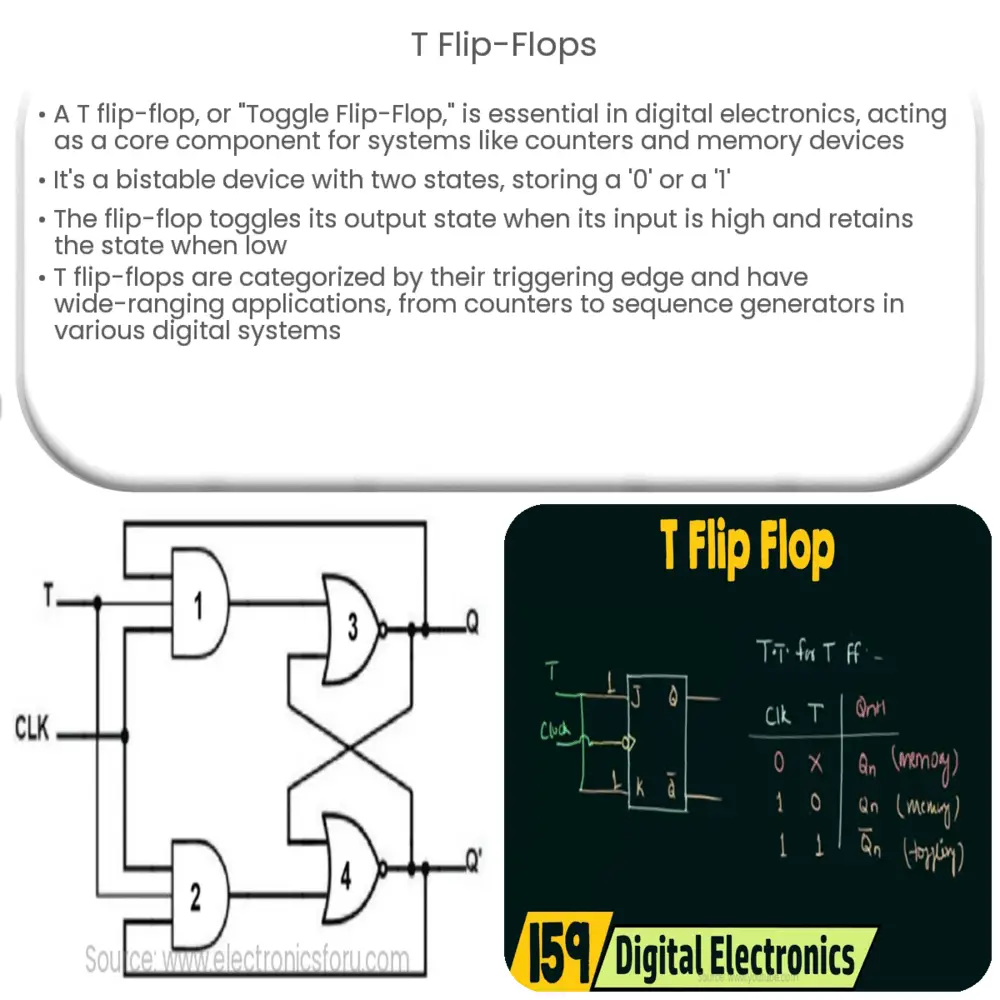
Explore the fundamentals of T Flip-Flops, their components, functioning, types, and their wide-ranging applications in digital electronics.
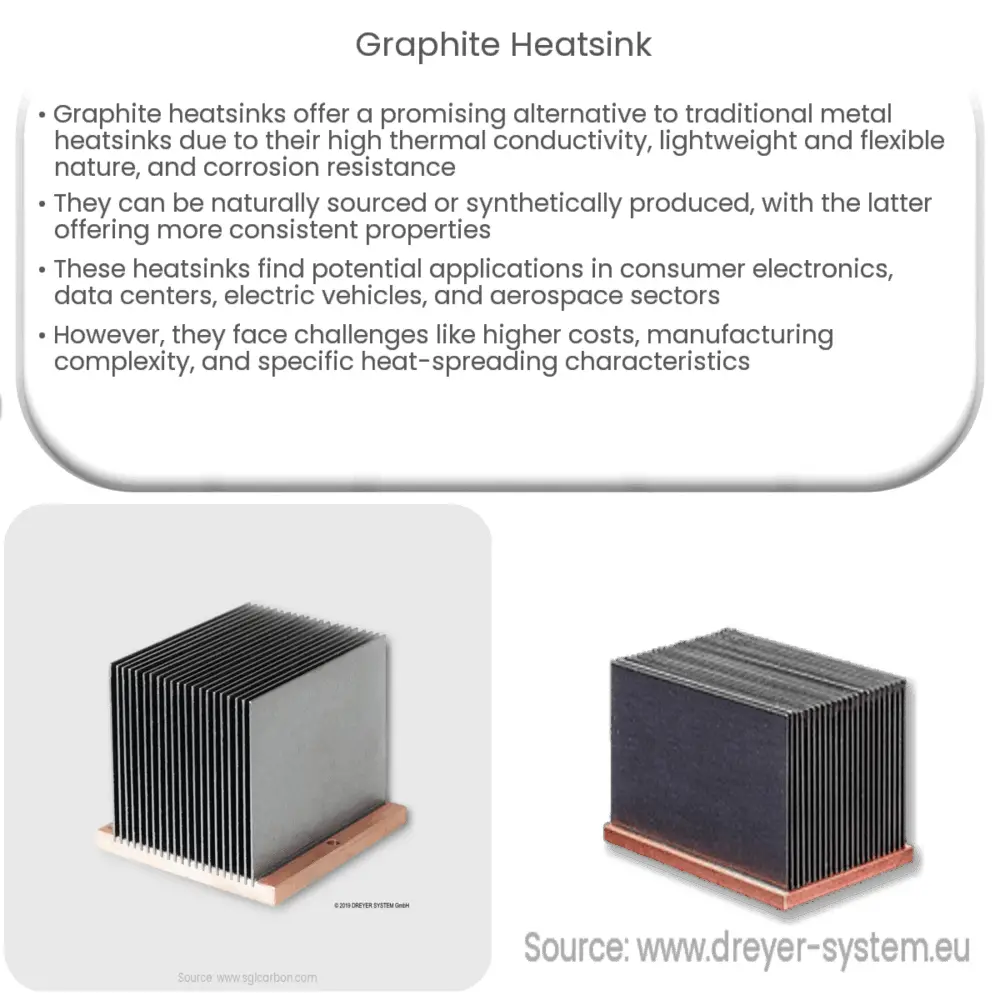
Graphite heatsinks offer efficient thermal management with high conductivity, lightweight design, flexibility, and corrosion resistance.

TEC heatsinks efficiently cool electronic devices using the Peltier effect, offering precise temperature control and high reliability.

Liquid-cooled heatsinks efficiently manage heat in high-performance systems, offering enhanced performance, reduced noise, and compact design.

A vapor chamber heatsink is an advanced cooling solution that uses evaporation and condensation to efficiently dissipate heat in electronic devices.

The primary purpose of this project is to help the public to learn some exciting and important information about electricity and magnetism.
Our Website follows all legal requirements to protect your privacy. Visit our Privacy Policy page.
The Cookies Statement is part of our Privacy Policy.
The information contained on this website is for general information purposes only. This website does not use any proprietary data. Visit our Editorial note.
It’s simple:
1) You may use almost everything for non-commercial and educational use.
2) You may not distribute or commercially exploit the content, especially on another website.


