
Impedance humidity sensor
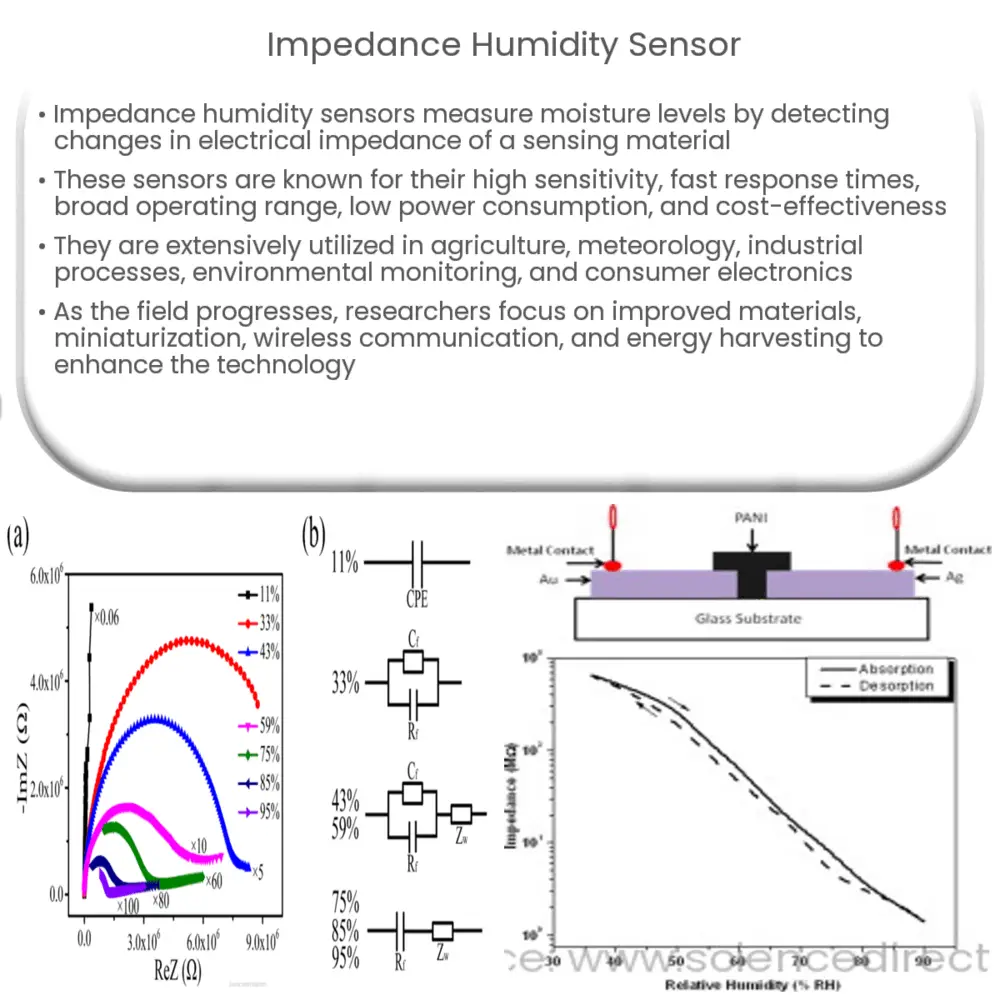
Impedance humidity sensors measure moisture levels by detecting changes in a sensing material’s electrical impedance, offering high sensitivity and fast response times.
Impedance humidity sensors measure moisture levels by detecting changes in a sensing material’s electrical impedance, offering high sensitivity and fast response times.
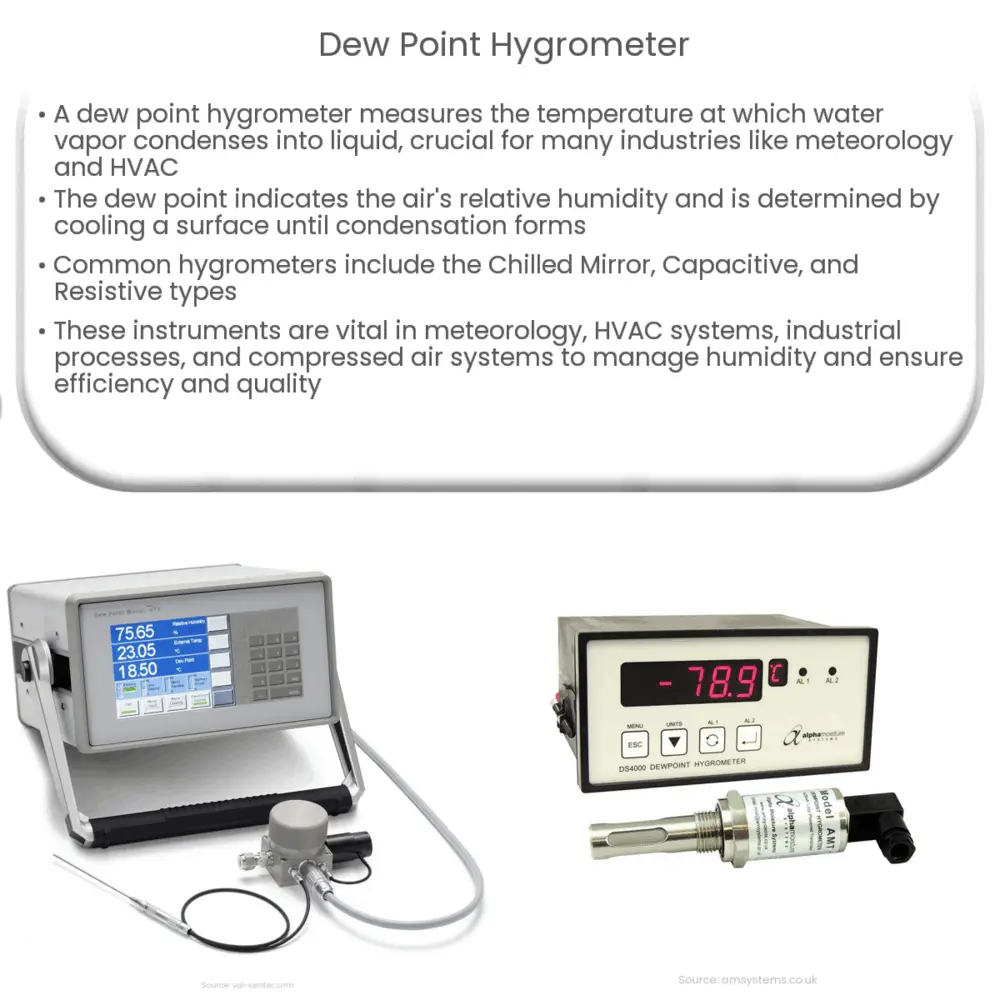
A dew point hygrometer measures the temperature at which air becomes saturated, helping control humidity in various industries and applications.

Discover the hair tension hygrometer, a simple, cost-effective instrument for measuring humidity, with a rich history and various applications.

Optical hygrometers measure humidity levels using optics, offering high accuracy, fast response time, and long-term stability for diverse applications.

Explore the world of test equipment: its types, importance, selection criteria, and the future trends shaping its evolution.

A gravimetric humidity sensor measures humidity by calculating the mass of water vapor in a known volume of air, providing accurate and stable readings.

Explore thermal conductivity humidity sensors, their working principles, advantages, limitations, and applications in various industries.

Resistive humidity sensors measure relative humidity by detecting changes in electrical resistance of a hygroscopic material, offering cost-effective and versatile solutions.
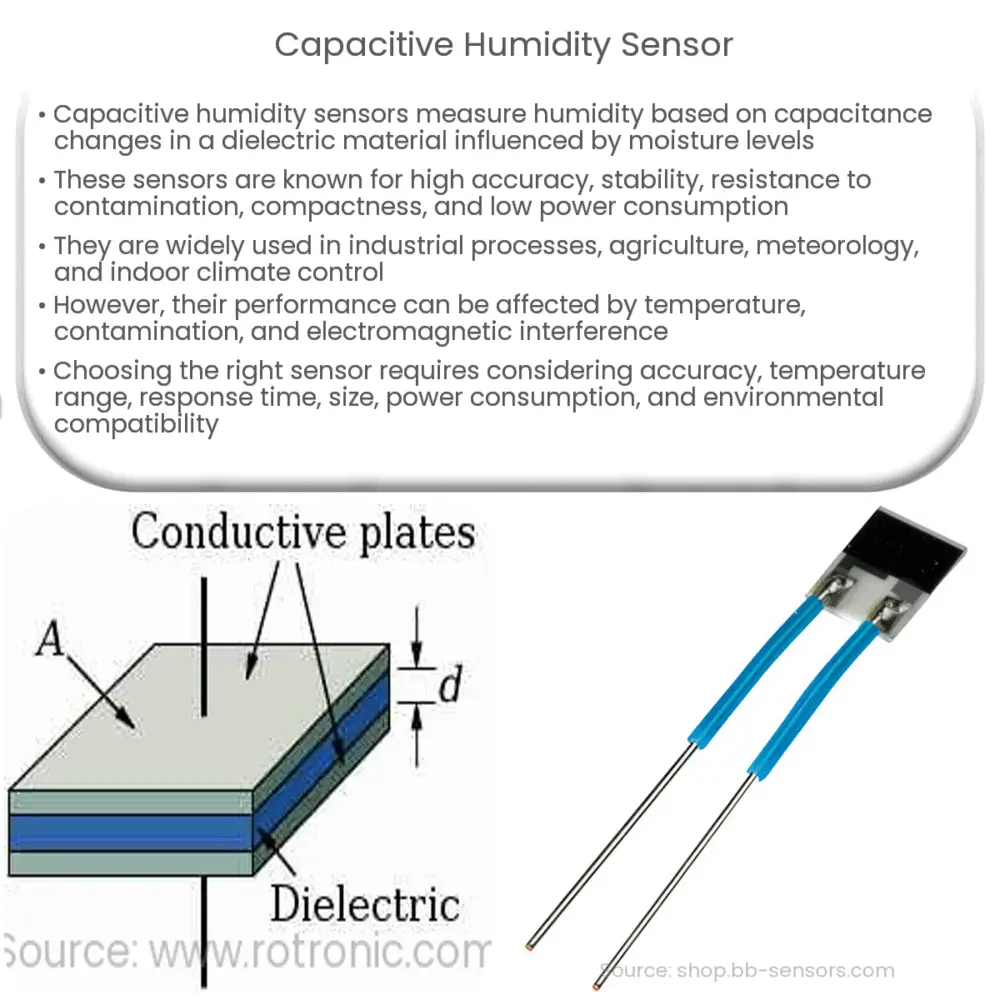
Capacitive humidity sensors provide accurate, stable, and sensitive humidity measurements for various applications, including industrial, agricultural, and meteorological sectors.
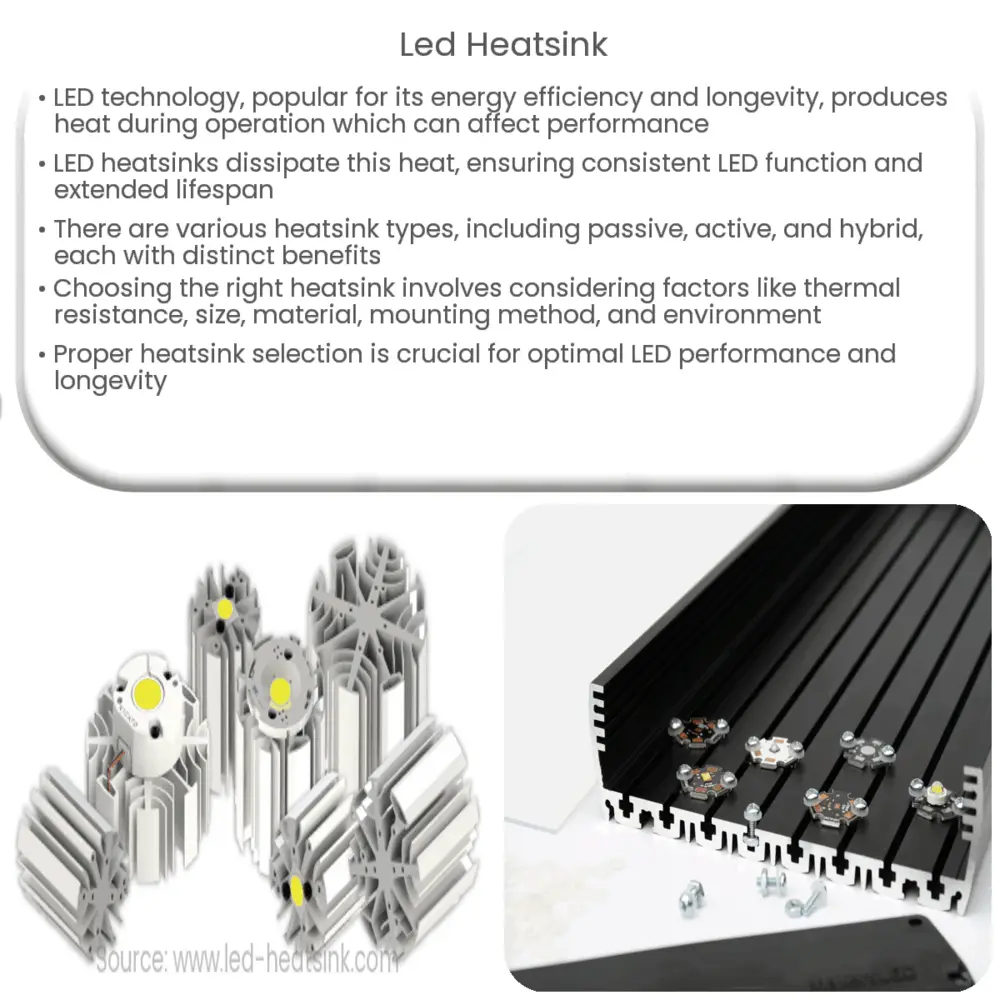
LED heatsinks dissipate excess heat from LEDs, ensuring optimal performance, extended lifespan, and increased energy efficiency.

The primary purpose of this project is to help the public to learn some exciting and important information about electricity and magnetism.
Our Website follows all legal requirements to protect your privacy. Visit our Privacy Policy page.
The Cookies Statement is part of our Privacy Policy.
The information contained on this website is for general information purposes only. This website does not use any proprietary data. Visit our Editorial note.
It’s simple:
1) You may use almost everything for non-commercial and educational use.
2) You may not distribute or commercially exploit the content, especially on another website.


