
Heat pipe heatsink

Heat pipe heatsinks efficiently manage heat in electronic devices, offering high thermal conductivity, compact size, and flexible design.
Heat pipe heatsinks efficiently manage heat in electronic devices, offering high thermal conductivity, compact size, and flexible design.

Pin fin heatsinks efficiently dissipate heat in high-performance electronics, offering a compact design, high surface area, and versatility in airflow conditions.
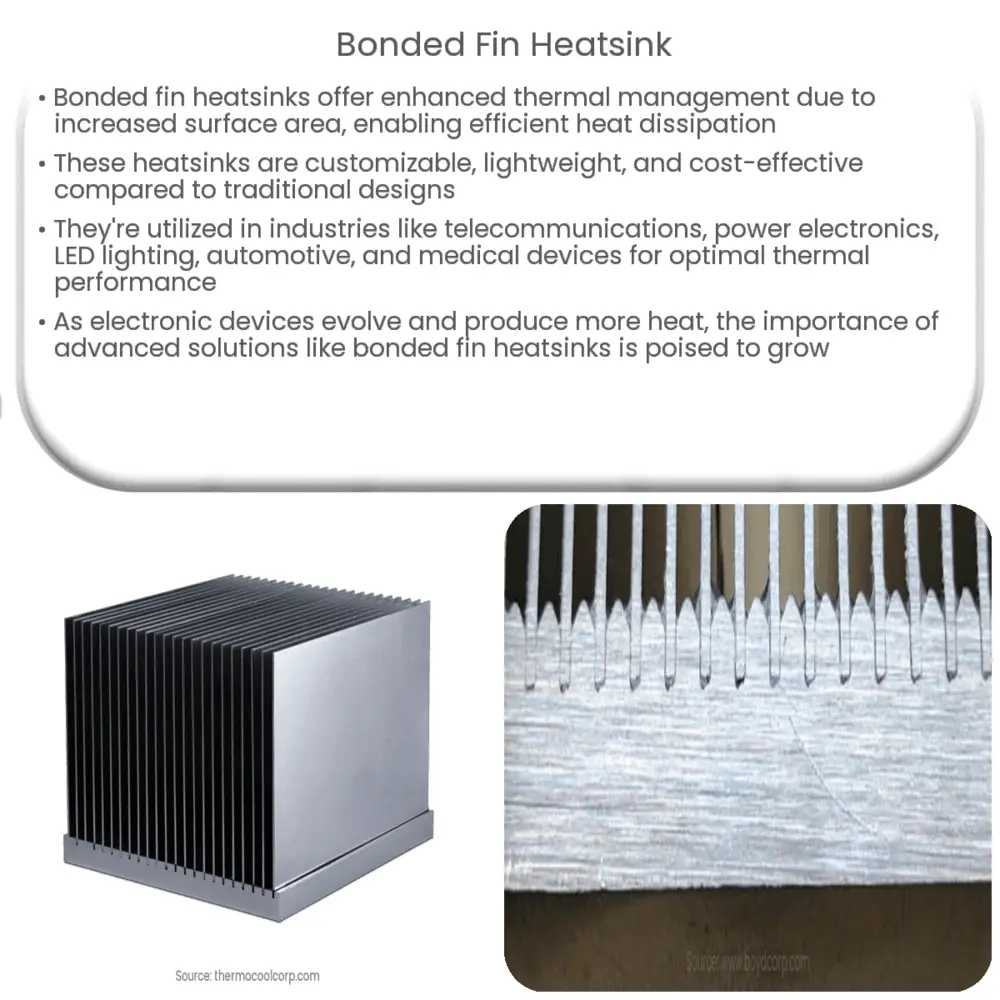
A bonded fin heatsink is an efficient thermal management solution that uses fins bonded to a baseplate, offering improved heat dissipation and customizable design for various applications.

Swaged heatsinks provide efficient thermal management for electronics with their customizable designs, high-density fins, and lightweight construction.
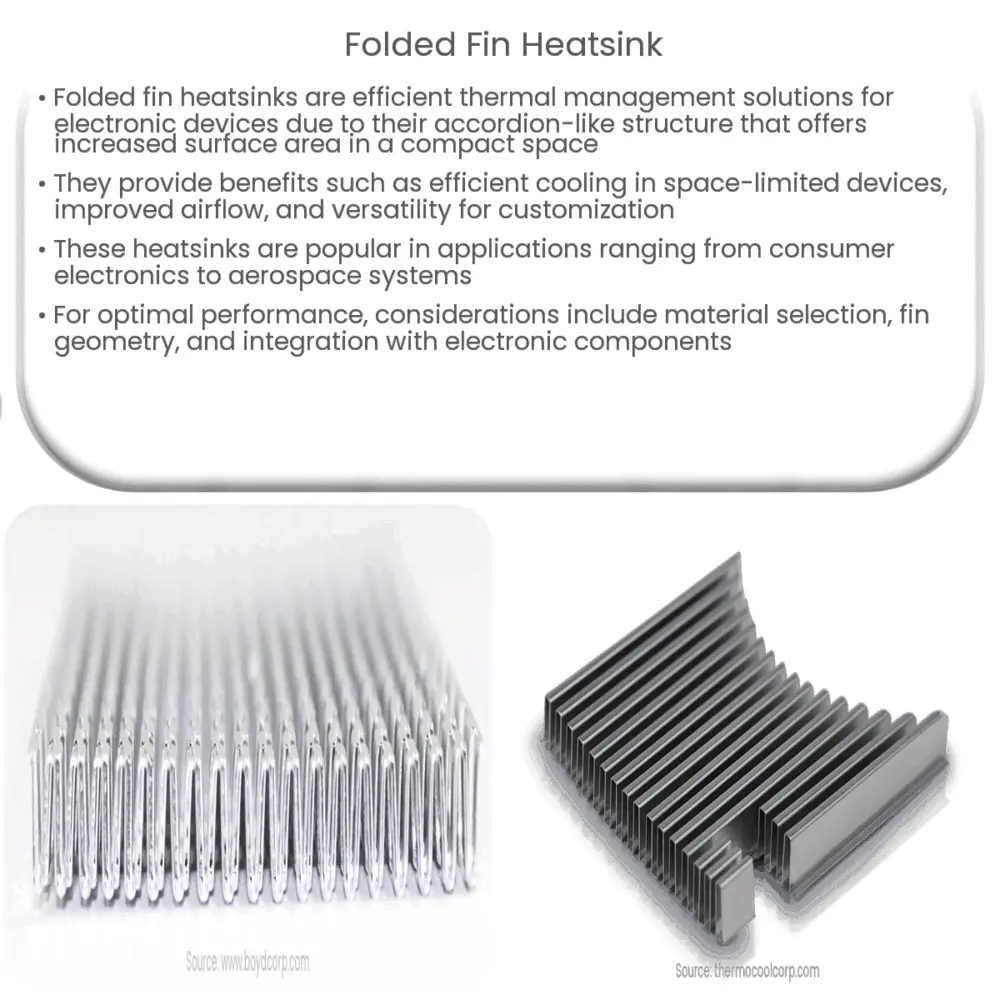
A folded fin heatsink is a compact, accordion-like structure that enhances heat dissipation in electronic devices, providing efficient cooling.

Skived fin heatsinks offer efficient cooling with high fin density, design flexibility, and optimal heat dissipation for electronics applications.

Explore the workings, advantages, and applications of Synchronous Reluctance Motors, their modern variants, and future significance.
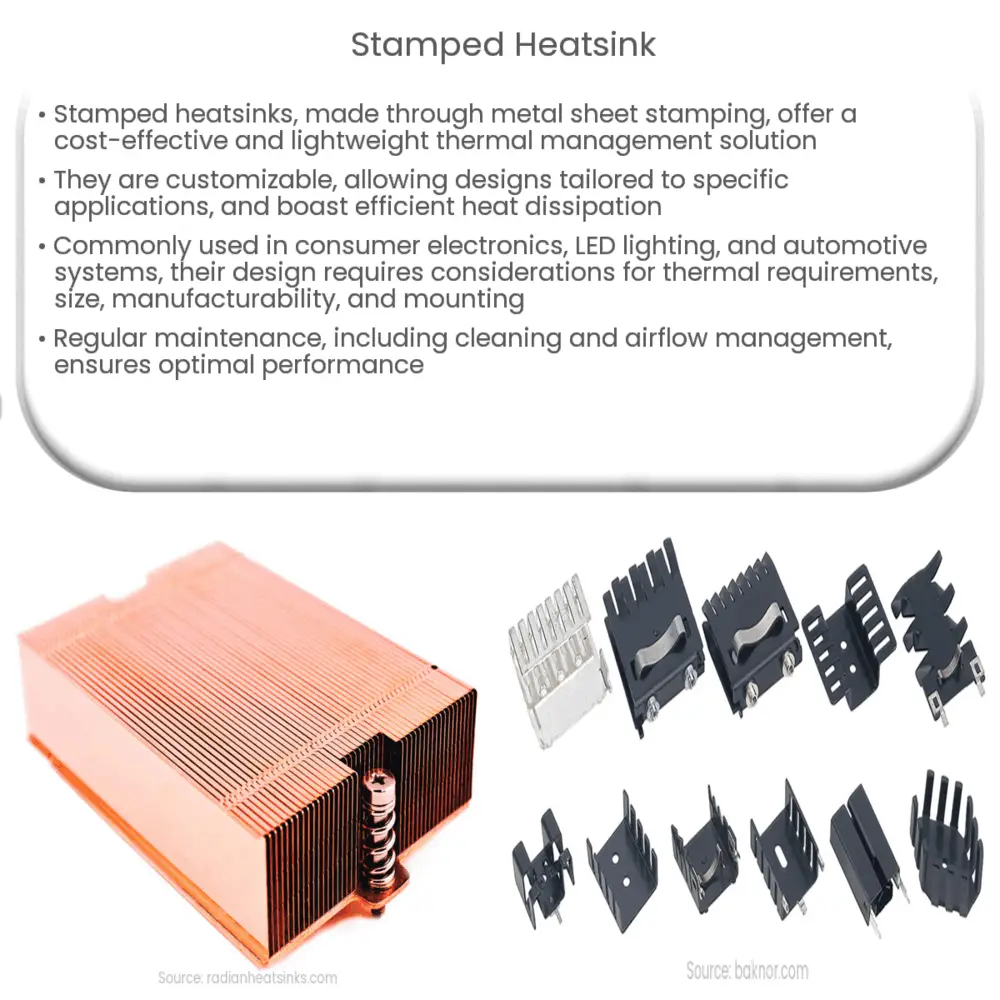
Stamped heatsinks are cost-effective, lightweight thermal solutions made by cutting and shaping metal sheets, ideal for efficient heat dissipation in various electronic devices.

Extruded aluminum heatsinks efficiently dissipate heat in electronics, offering lightweight, corrosion-resistant, and customizable cooling solutions.
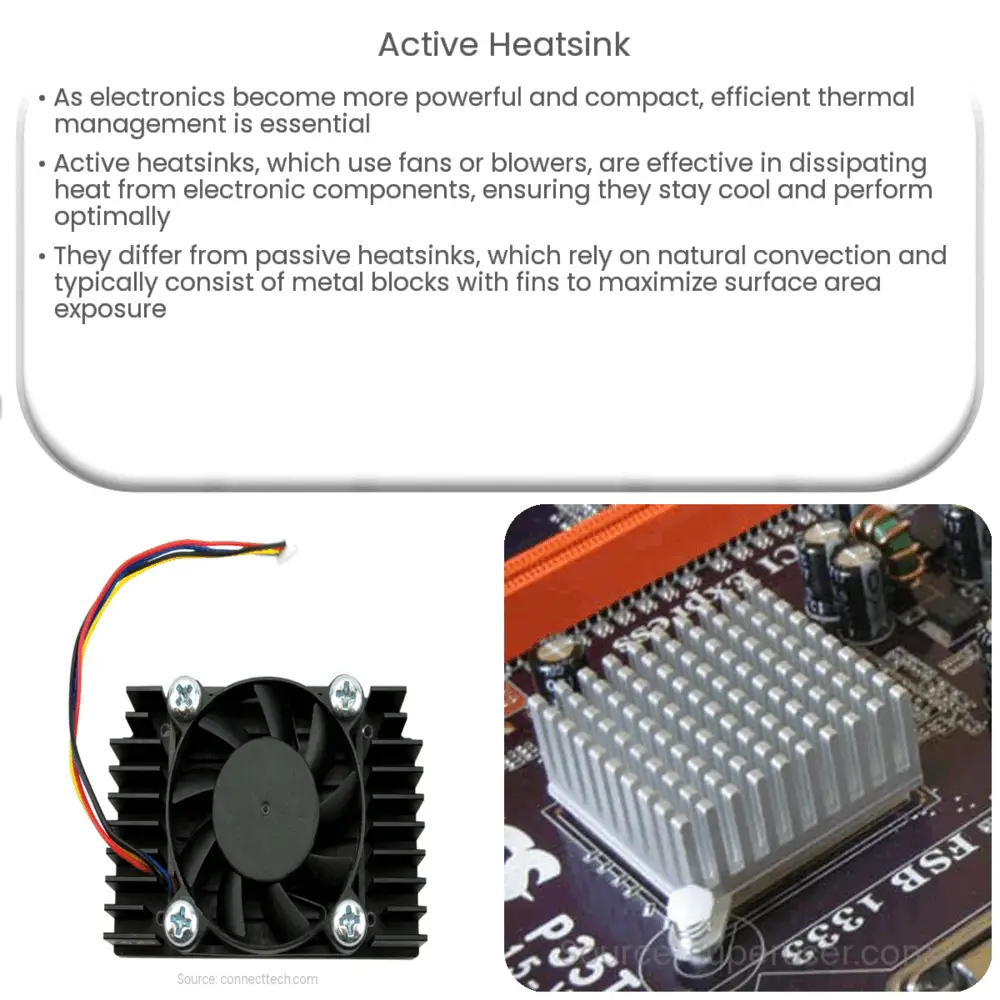
Passive heatsinks rely solely on the natural process of convection for heat dissipation. They typically consist of a solid block of metal, usually aluminum or copper, with an array of fins or other structures designed to maximize the surface area exposed to the surrounding air. The heat generated by the component is conducted through the metal and eventually radiated into the environment. Passive heatsinks do not require any additional power source, making them quiet and energy-efficient. However, their cooling capacity is limited by the ambient air temperature and airflow in the system.

The primary purpose of this project is to help the public to learn some exciting and important information about electricity and magnetism.
Our Website follows all legal requirements to protect your privacy. Visit our Privacy Policy page.
The Cookies Statement is part of our Privacy Policy.
The information contained on this website is for general information purposes only. This website does not use any proprietary data. Visit our Editorial note.
It’s simple:
1) You may use almost everything for non-commercial and educational use.
2) You may not distribute or commercially exploit the content, especially on another website.


