
Electromagnetic Pressure Sensor
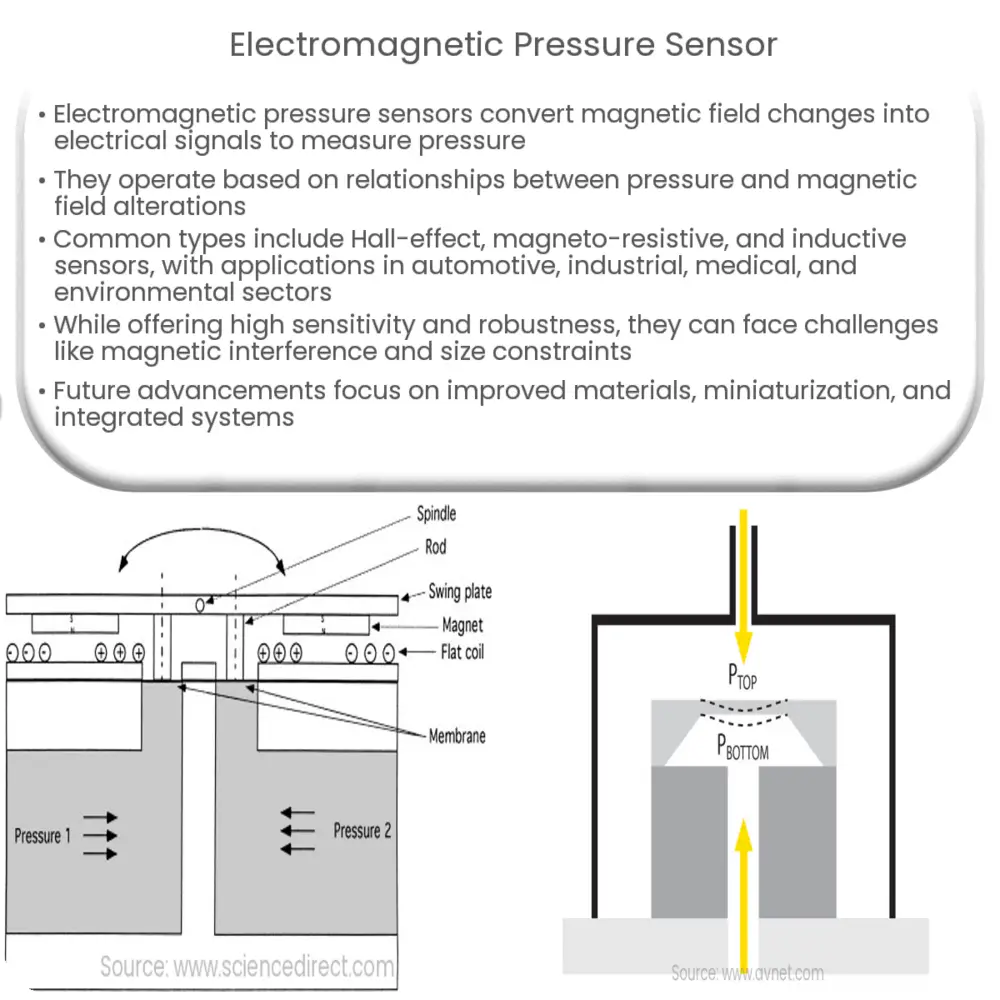
An electromagnetic pressure sensor measures pressure by converting magnetic field changes into electrical signals, offering high sensitivity and accuracy.
An electromagnetic pressure sensor measures pressure by converting magnetic field changes into electrical signals, offering high sensitivity and accuracy.
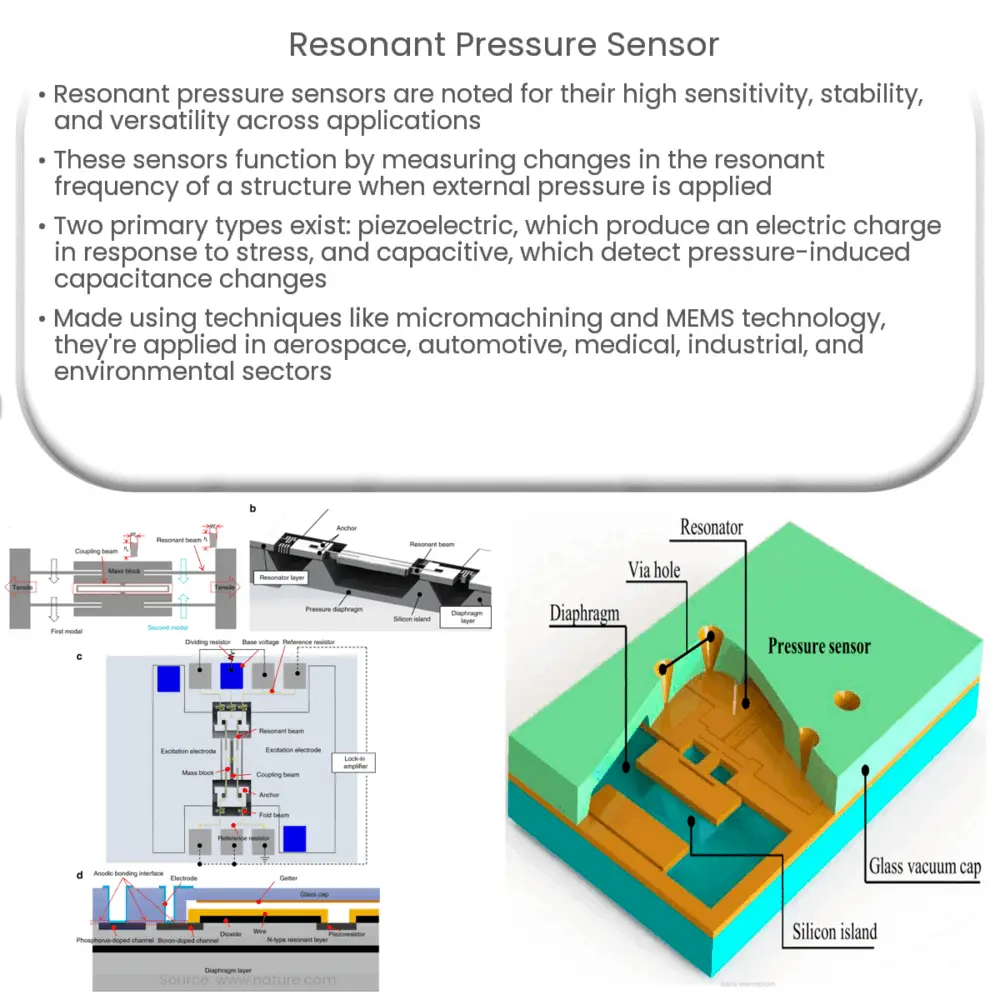
Resonant pressure sensors detect pressure changes by measuring shifts in resonant frequency, offering high sensitivity and stability for diverse applications.
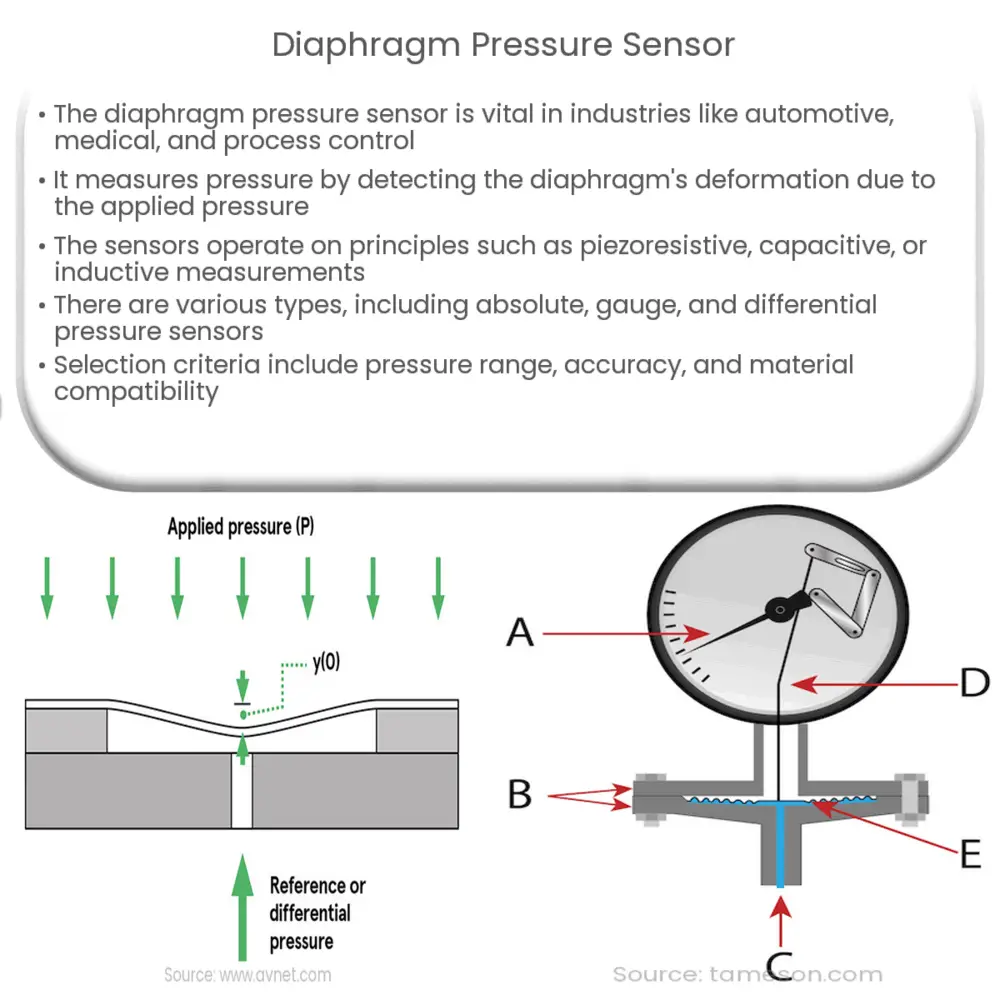
A diaphragm pressure sensor measures pressure by detecting diaphragm deformation, ensuring accurate readings in various industries.
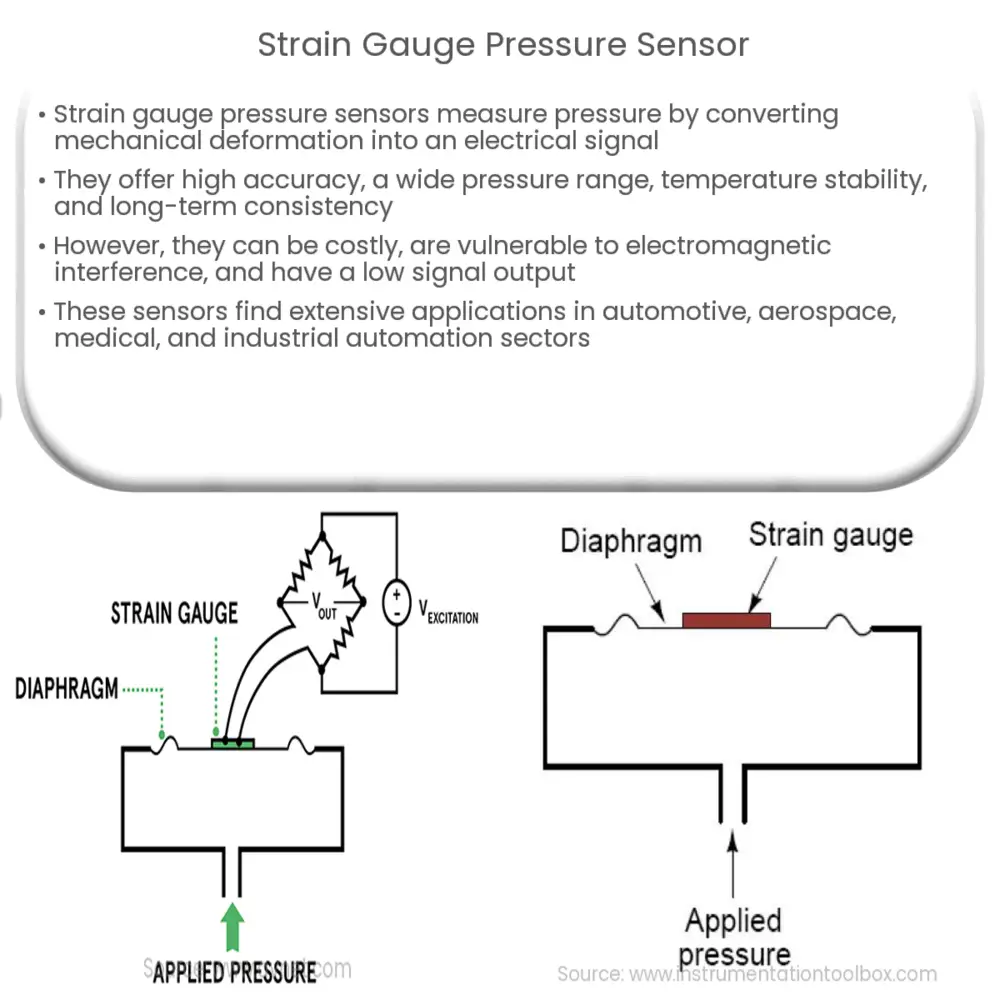
Strain gauge pressure sensors measure pressure by converting mechanical deformation into an electrical signal, offering high accuracy and versatility.

Optical pressure sensors use light waves to measure pressure, offering high sensitivity, accuracy, and resistance to environmental factors.

Capacitive pressure sensors measure pressure changes by detecting capacitance variations, offering high sensitivity and stability for diverse applications.

Piezoresistive pressure sensors are highly sensitive devices used to measure pressure across various industries, offering accuracy and a wide measurement range.
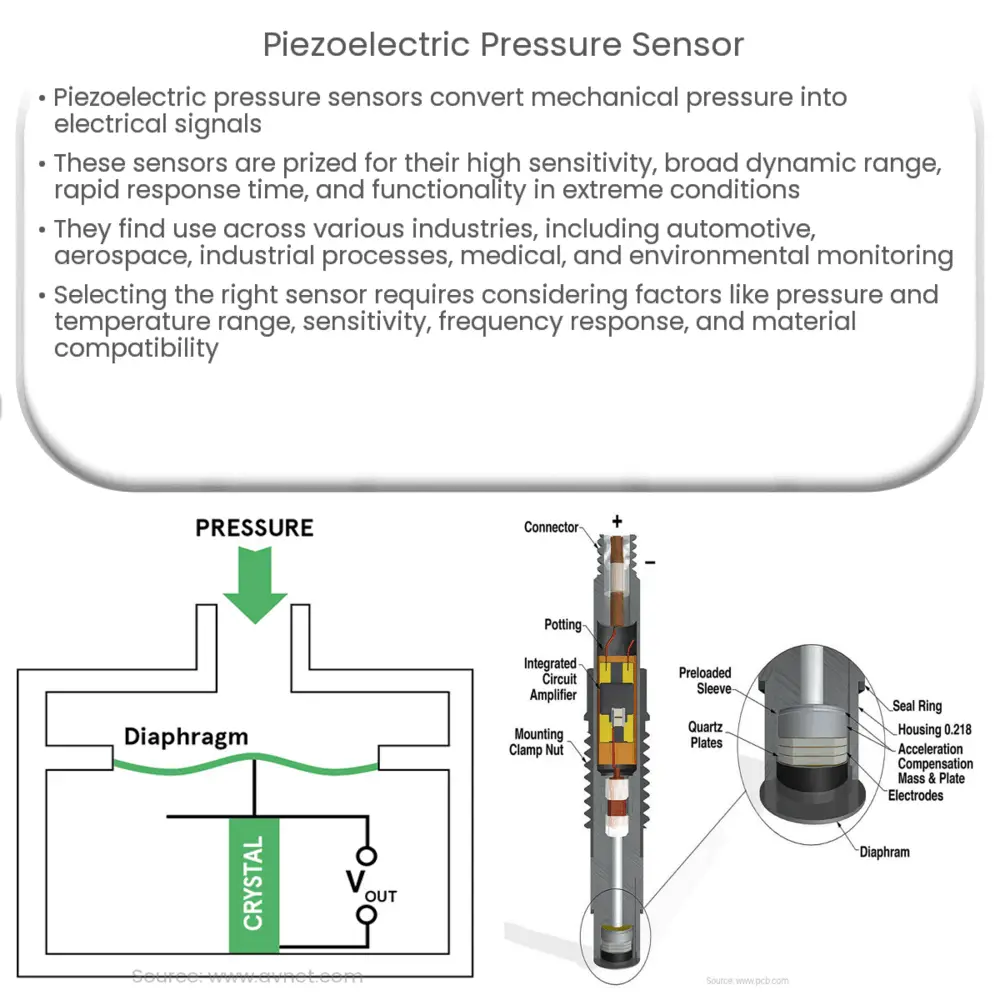
Piezoelectric pressure sensors convert mechanical pressure into electrical signals, offering high sensitivity, wide range, and durability for diverse applications.

Explore the essential role of baluns in radio technology, their various types, and applications in our comprehensive guide.

A magnetic potentiometer is a non-contact sensor that measures linear or angular displacements using magnetoresistive technology, offering high accuracy, robustness, and a long lifespan.

The primary purpose of this project is to help the public to learn some exciting and important information about electricity and magnetism.
Our Website follows all legal requirements to protect your privacy. Visit our Privacy Policy page.
The Cookies Statement is part of our Privacy Policy.
The information contained on this website is for general information purposes only. This website does not use any proprietary data. Visit our Editorial note.
It’s simple:
1) You may use almost everything for non-commercial and educational use.
2) You may not distribute or commercially exploit the content, especially on another website.


