
Electronic Speed Controllers (ESC)
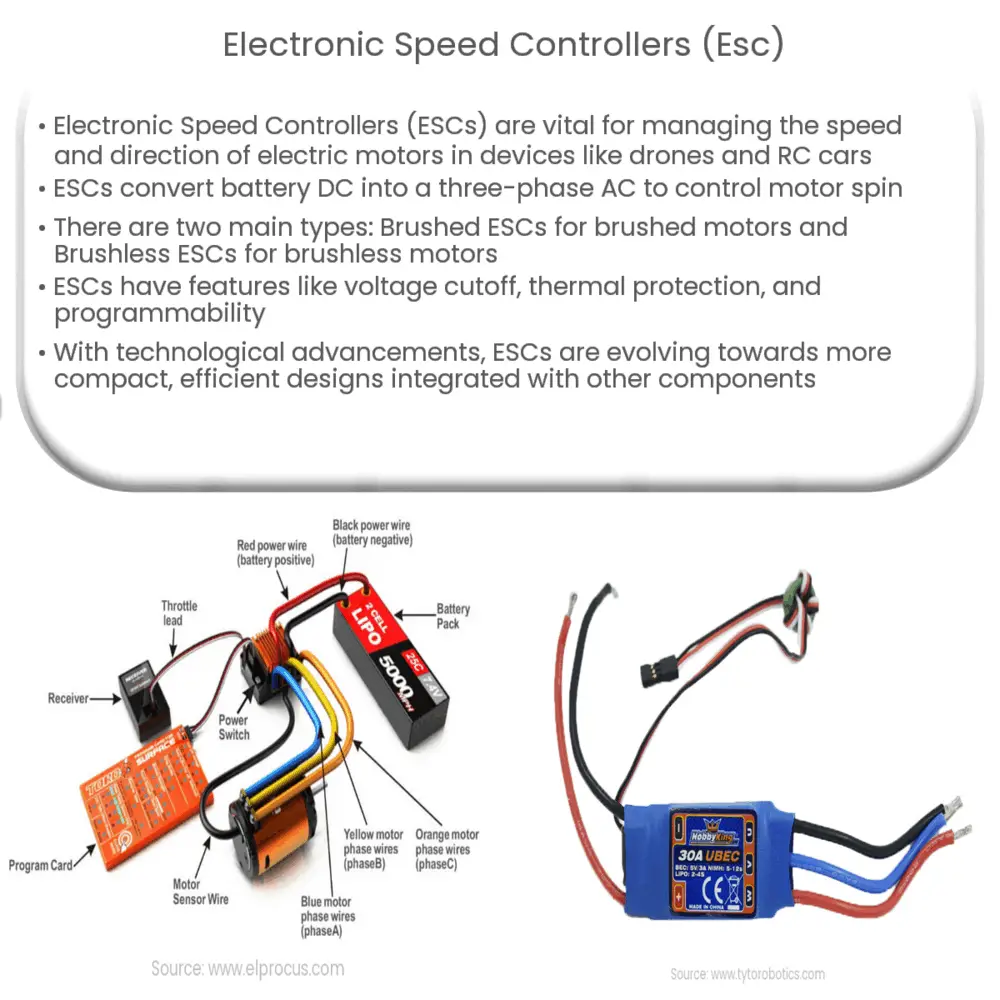
Explore the role, workings, types, and future trends of Electronic Speed Controllers (ESC), a critical component in electric motor control.
Explore the role, workings, types, and future trends of Electronic Speed Controllers (ESC), a critical component in electric motor control.

Explore the mechanics, advantages, limitations, and future prospects of Surface Acoustic Wave (SAW) touch sensor technology.

Explore the functions, applications, advantages, limitations, and future prospects of infrared touch sensors in our comprehensive guide.
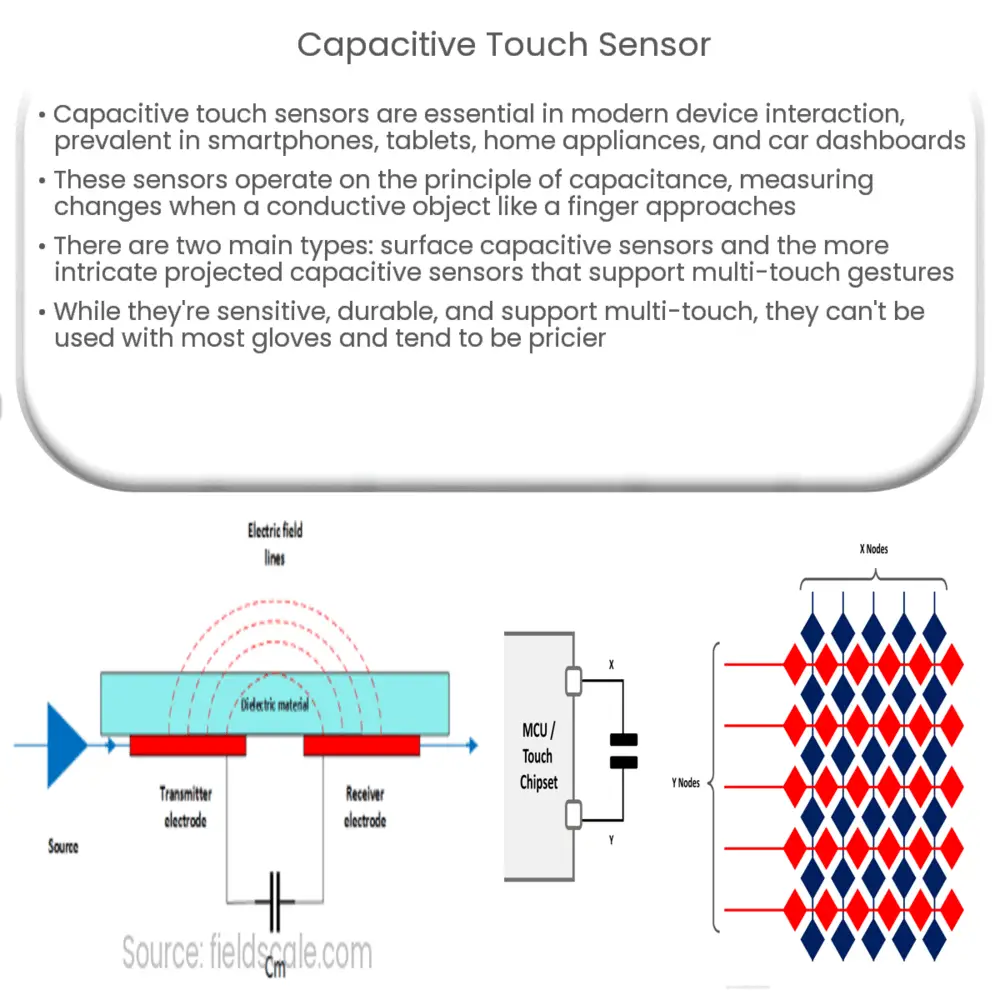
Explore the mechanics, applications, and pros & cons of capacitive touch sensors, the technology that’s reshaping our interaction with devices.

Explore the workings, pros, and cons of resistive touch sensors, their applications in various industries, and their place in touch-sensing technology.

Explore the world of photothyristors – their types, working principle, applications, and benefits in modern electronics.

Explore the advancements in power electronics with the Distributed Buffer Gate-Turn-Off Thyristor (DB-GTO), its structure, benefits, and applications.

Explore the Emitter Turn-Off Thyristor (ETO), its operation, key features, and wide-ranging applications in power electronics and EVs.

Explore the world of power electronics with our comprehensive article on Static Induction Thyristors (SITh), their operation, advantages, and applications.

Explore the Mos-Controlled Thyristor (MCT), its structure, operation, benefits, challenges, and future prospects in power electronics.

The primary purpose of this project is to help the public to learn some exciting and important information about electricity and magnetism.
Our Website follows all legal requirements to protect your privacy. Visit our Privacy Policy page.
The Cookies Statement is part of our Privacy Policy.
The information contained on this website is for general information purposes only. This website does not use any proprietary data. Visit our Editorial note.
It’s simple:
1) You may use almost everything for non-commercial and educational use.
2) You may not distribute or commercially exploit the content, especially on another website.


