
What are the different types of electromagnetic interference (EMI)?
EMI types include natural, man-made intentional, unintentional, and inter-system EMI, originating from various sources like lightning, devices, and systems.
EMI types include natural, man-made intentional, unintentional, and inter-system EMI, originating from various sources like lightning, devices, and systems.
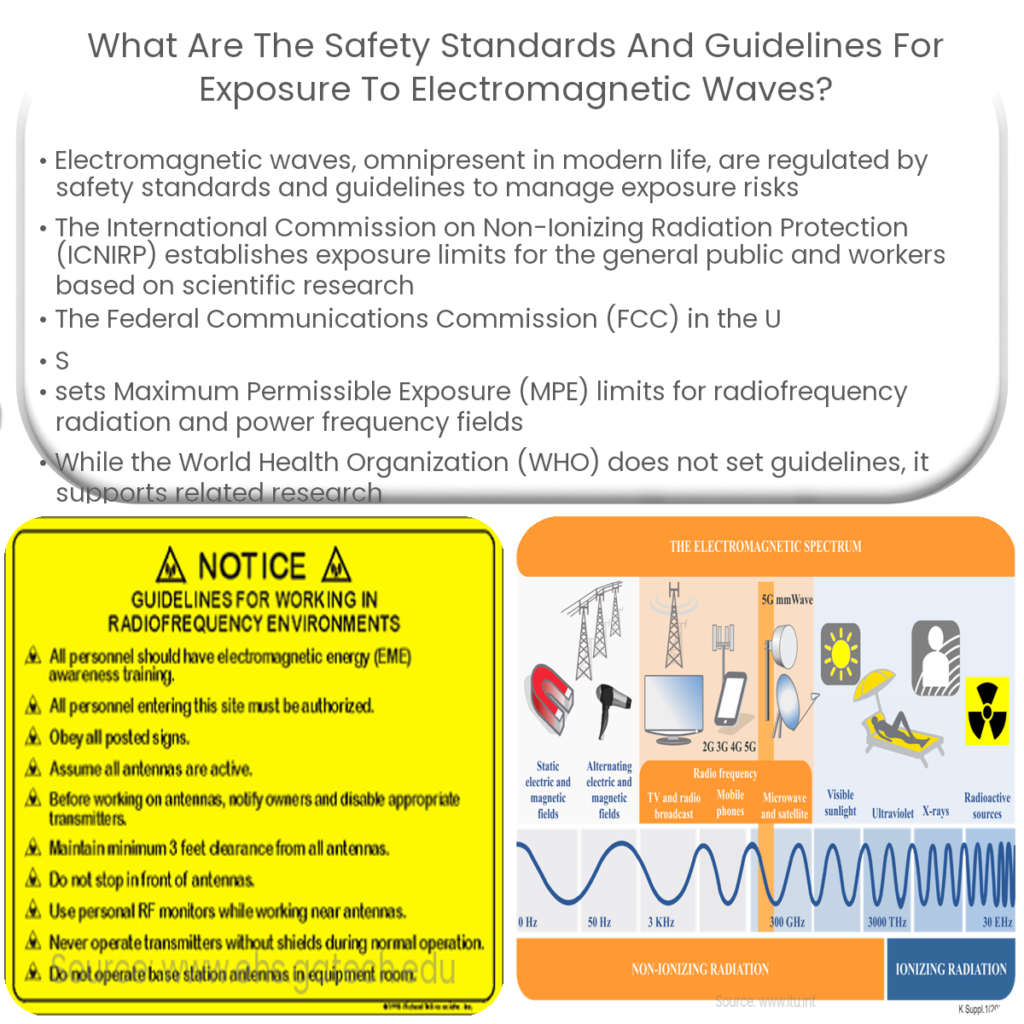
Electromagnetic waves, which are emitted by various devices and technologies, have become an integral part of modern life. As their presence increases, it is crucial to understand the safety standards and guidelines that regulate exposure to these waves.
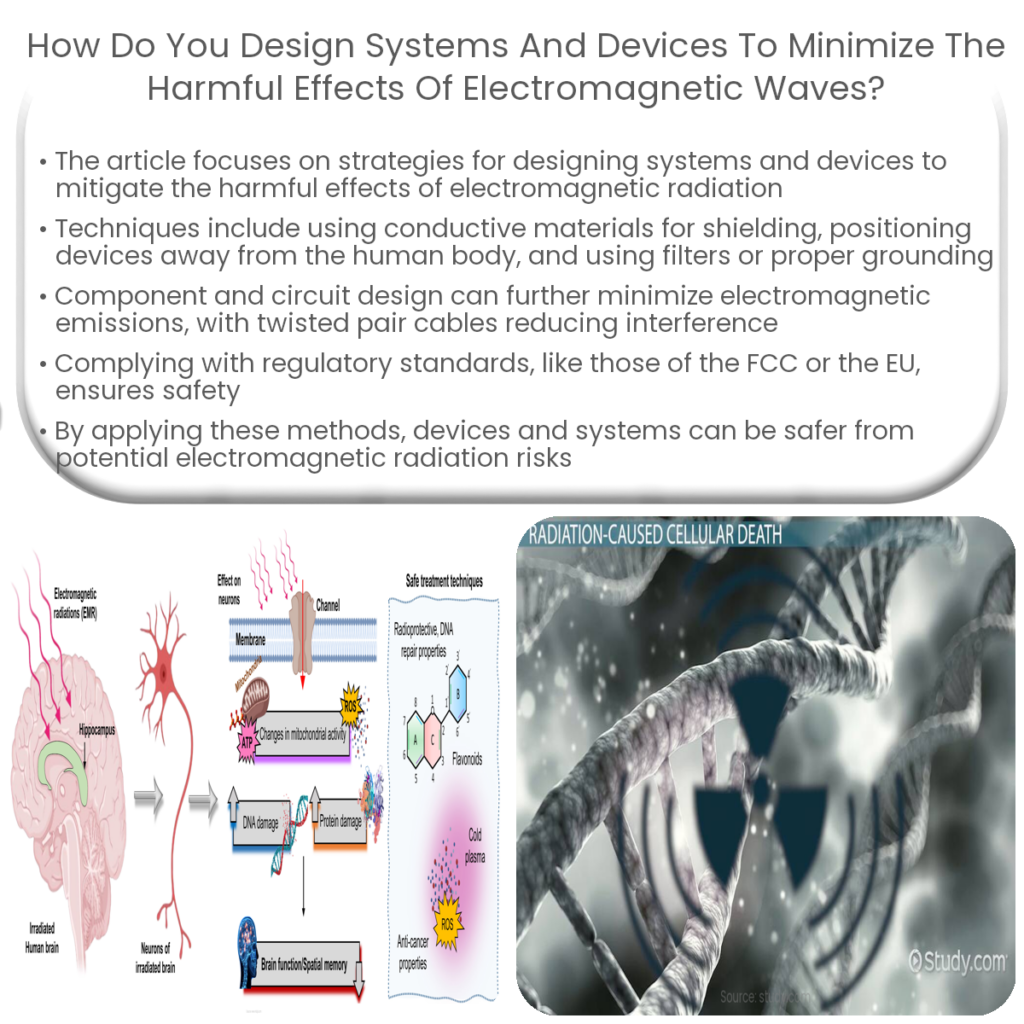
To minimize harmful electromagnetic waves, use shielding, maintain distance, apply filters, optimize circuit design, and adhere to regulations.
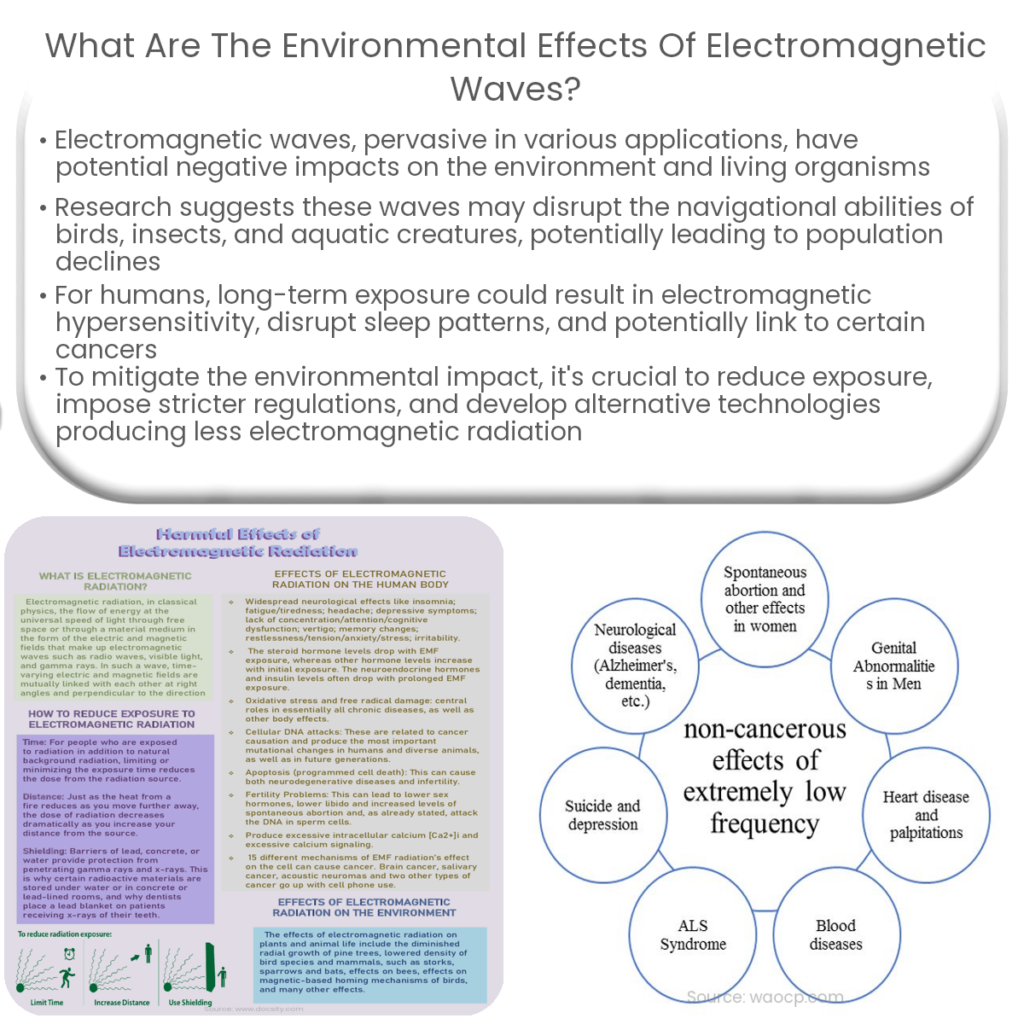
Electromagnetic waves can disrupt navigation in birds and insects, impact aquatic life, and pose potential health risks to humans.
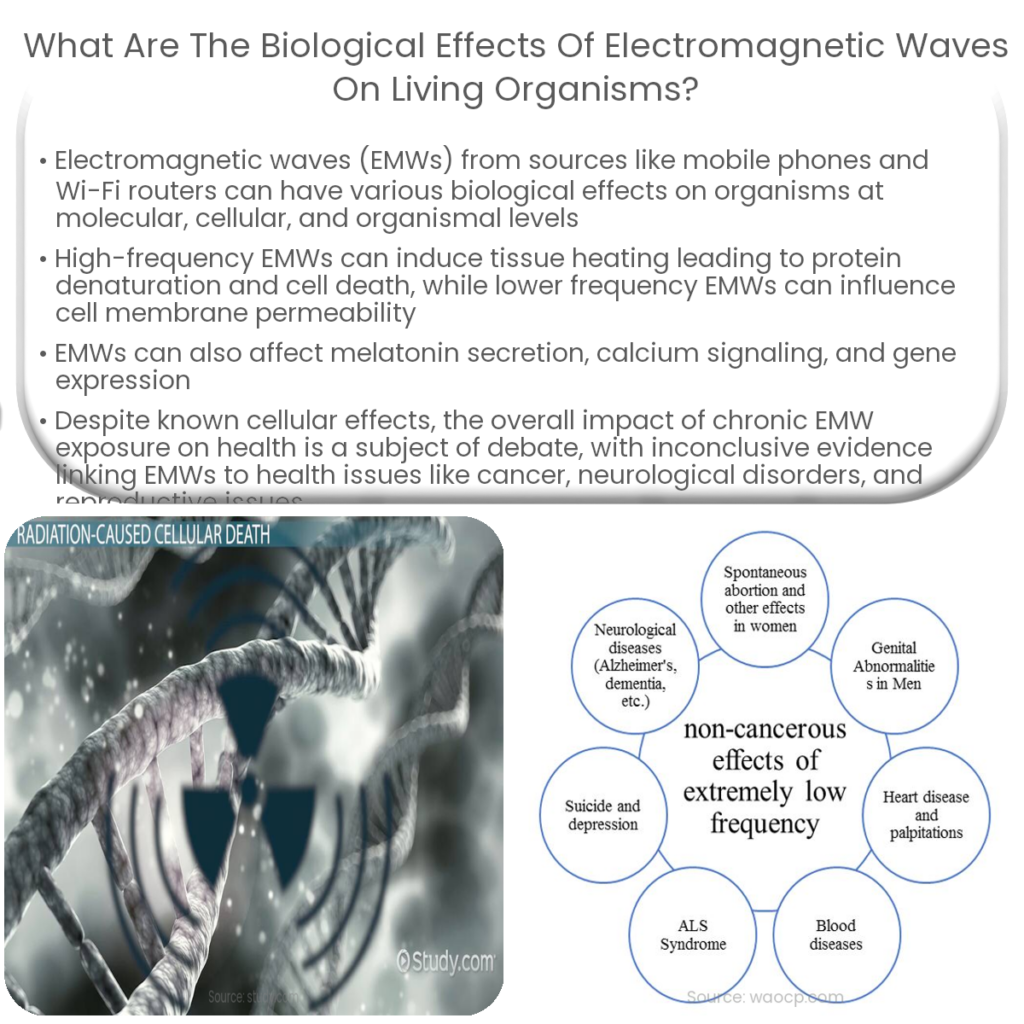
EMWs can cause thermal and non-thermal cellular effects, generate free radicals, and impact melatonin secretion, calcium signaling, and gene expression.

Electromagnetic waves facilitate data transfer in satellite communication and enable positioning in navigation systems like GPS, GLONASS, and Galileo.

Electromagnetic waves aid in studying celestial objects, revealing their composition, temperature, and motion across various wavelengths.
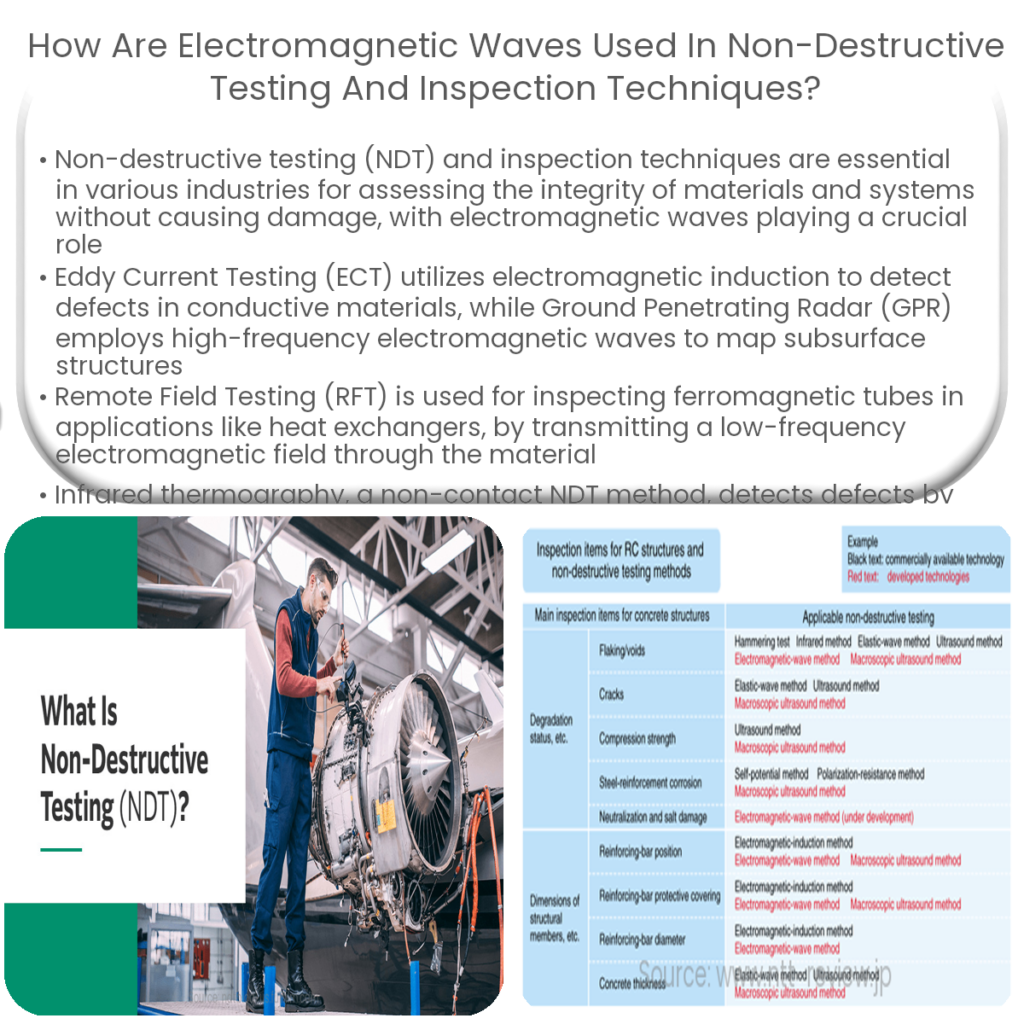
Electromagnetic waves are used in non-destructive testing techniques like Eddy Current Testing, Ground Penetrating Radar, Remote Field Testing, and Thermography to detect defects.
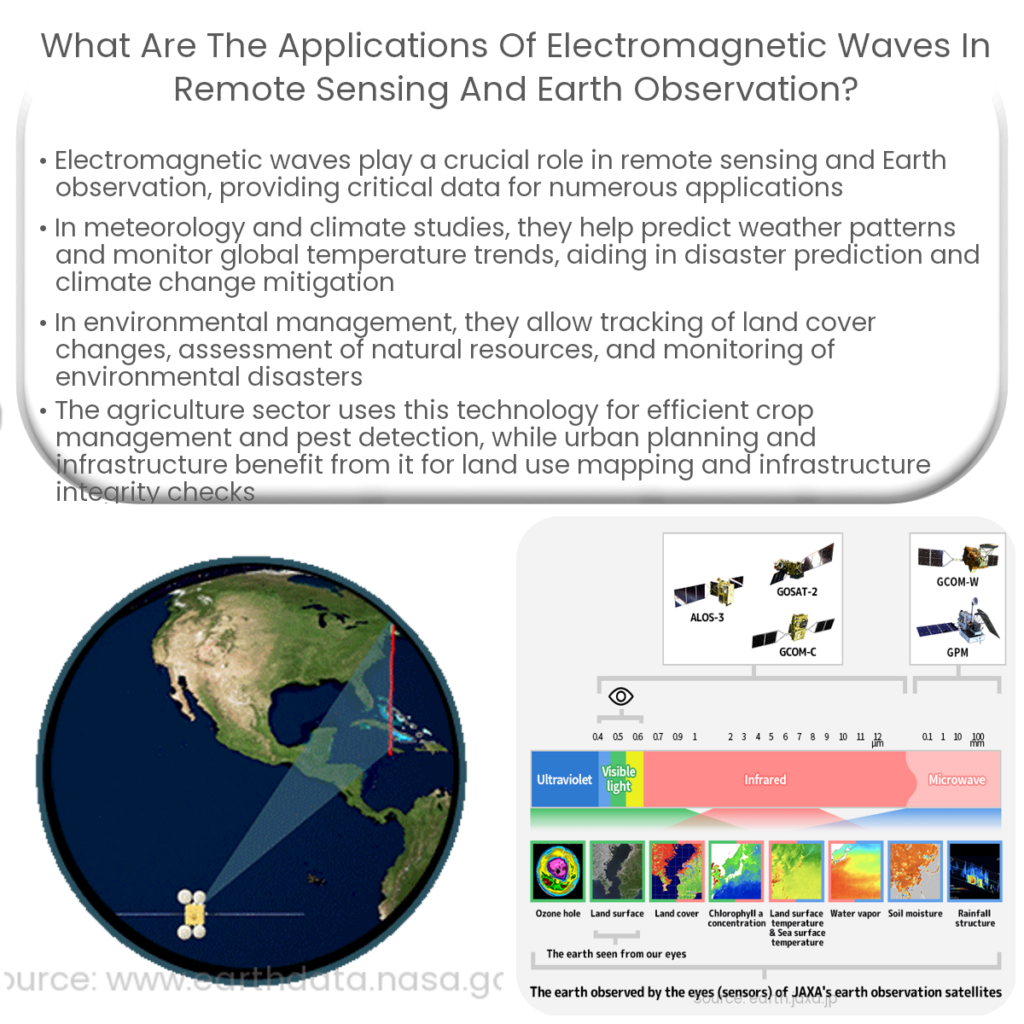
Electromagnetic waves in remote sensing are used for meteorology, environmental monitoring, agriculture, forestry, and urban planning.
Electromagnetic waves do not play a role in ultrasonography; instead, it uses high-frequency mechanical sound waves for imaging purposes.

The primary purpose of this project is to help the public to learn some exciting and important information about electricity and magnetism.
Our Website follows all legal requirements to protect your privacy. Visit our Privacy Policy page.
The Cookies Statement is part of our Privacy Policy.
The information contained on this website is for general information purposes only. This website does not use any proprietary data. Visit our Editorial note.
It’s simple:
1) You may use almost everything for non-commercial and educational use.
2) You may not distribute or commercially exploit the content, especially on another website.
