What are the different methods of energy management and optimization in electrical systems?
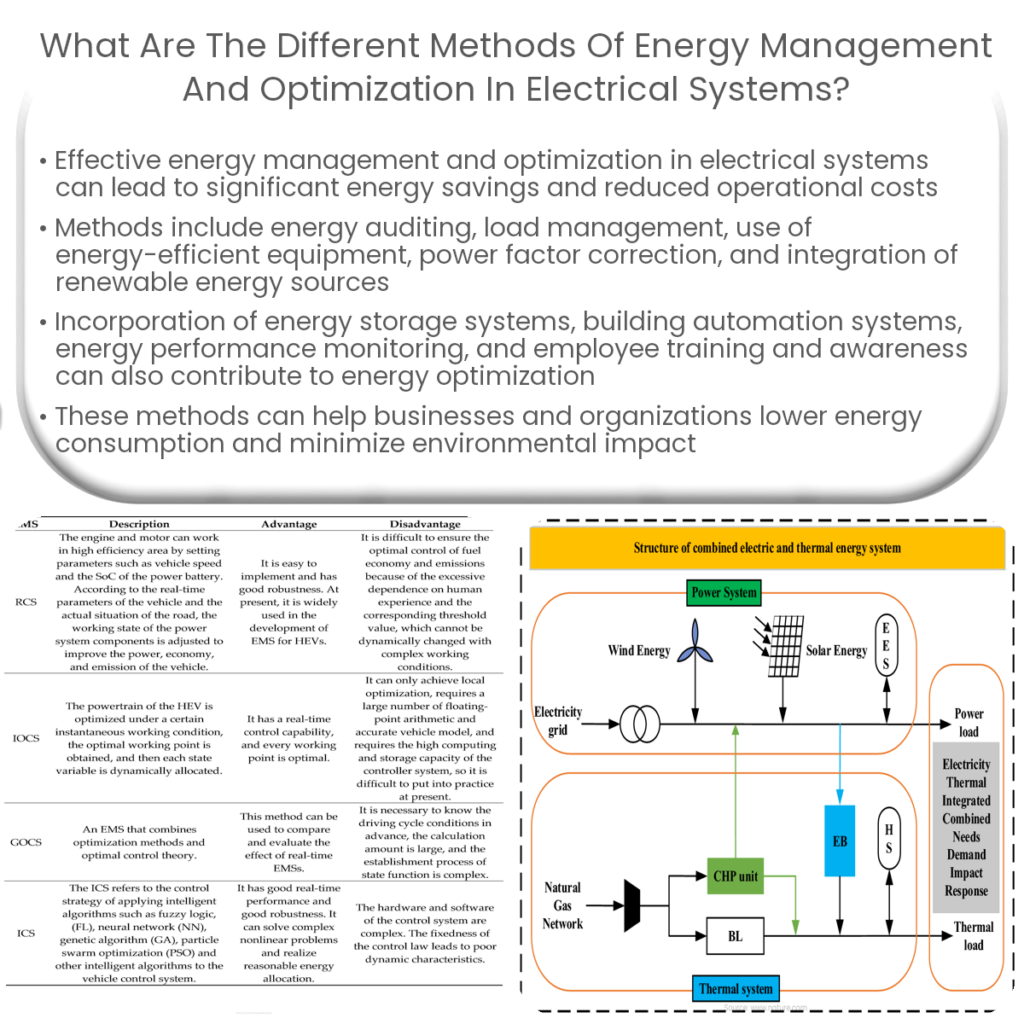
Energy management methods include energy auditing, load management, using energy-efficient equipment, power factor correction, and renewable integration.
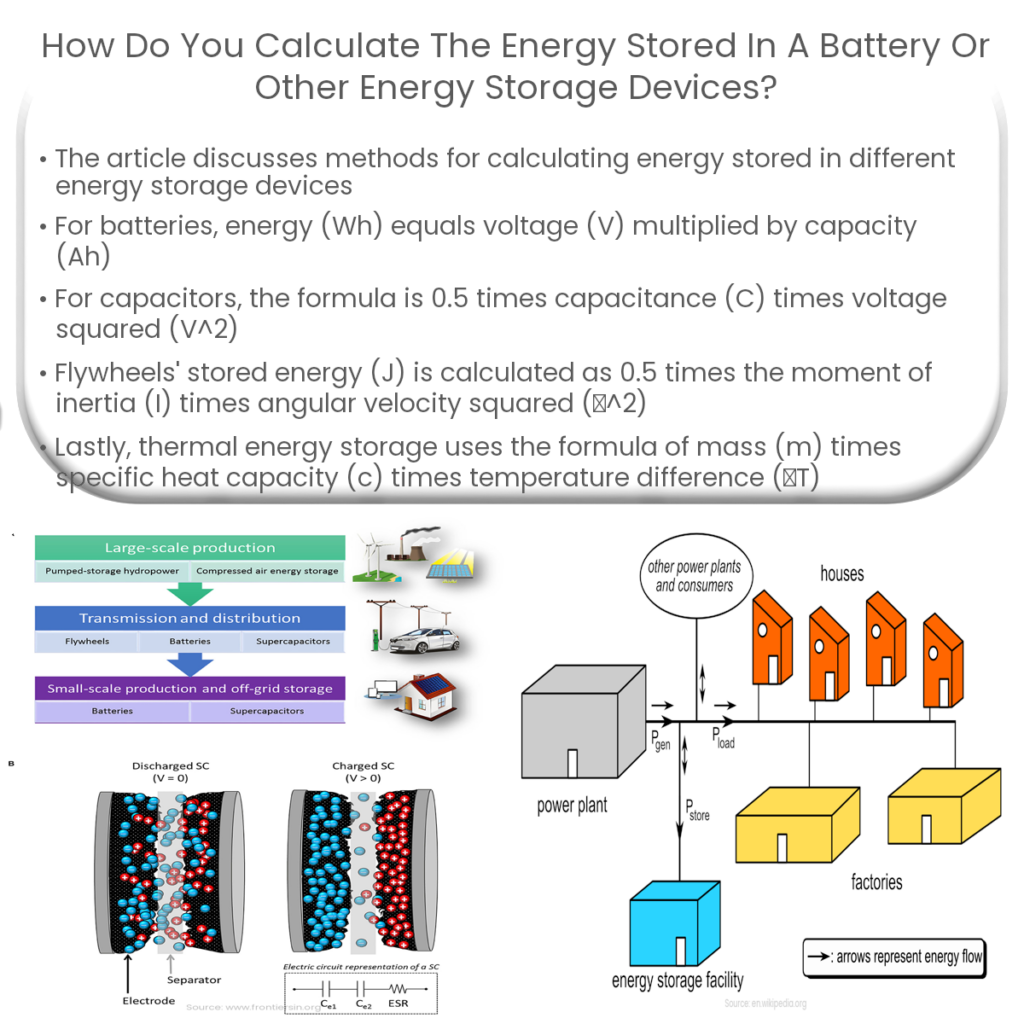
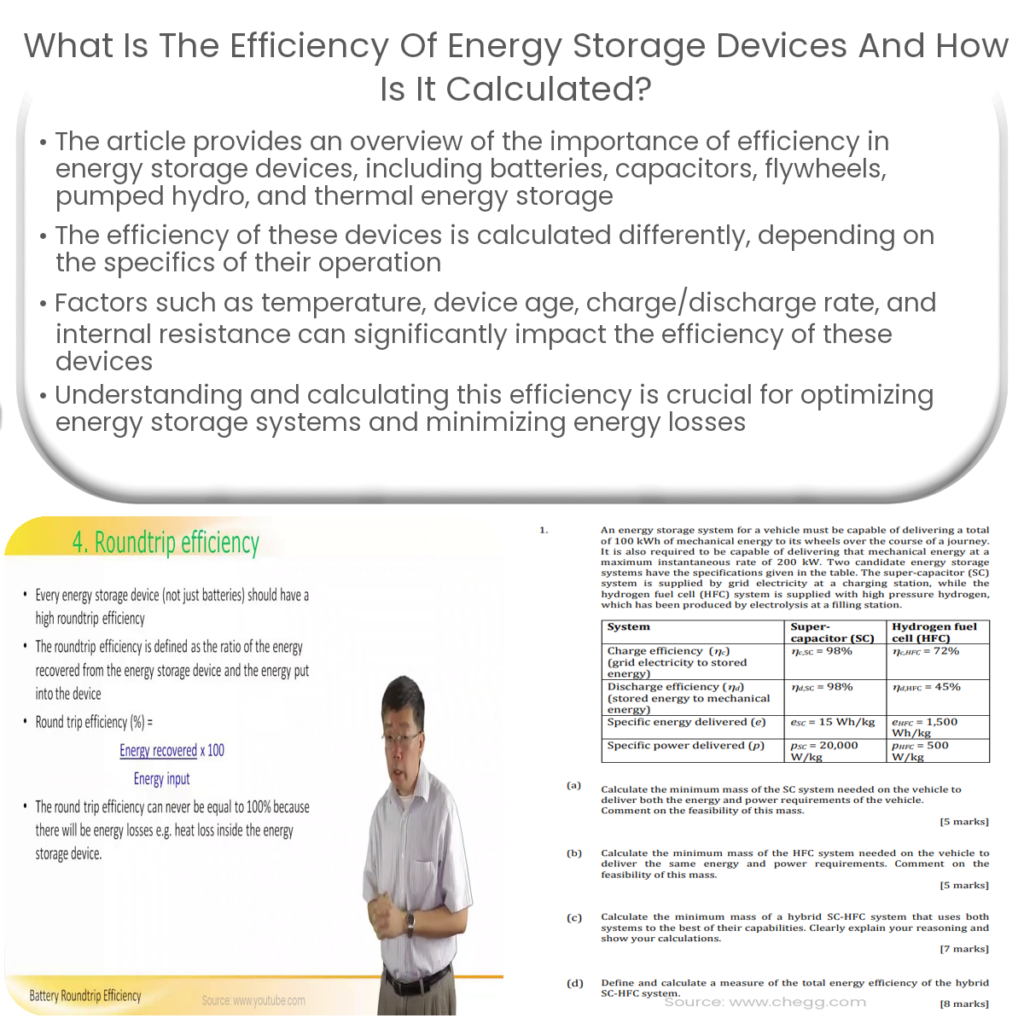
Energy stored can be calculated using specific formulas for batteries, capacitors, flywheels, and thermal storage systems based on their properties.
Efficiency of energy storage devices is calculated as the ratio of energy output to energy input, and varies depending on the specific device type.
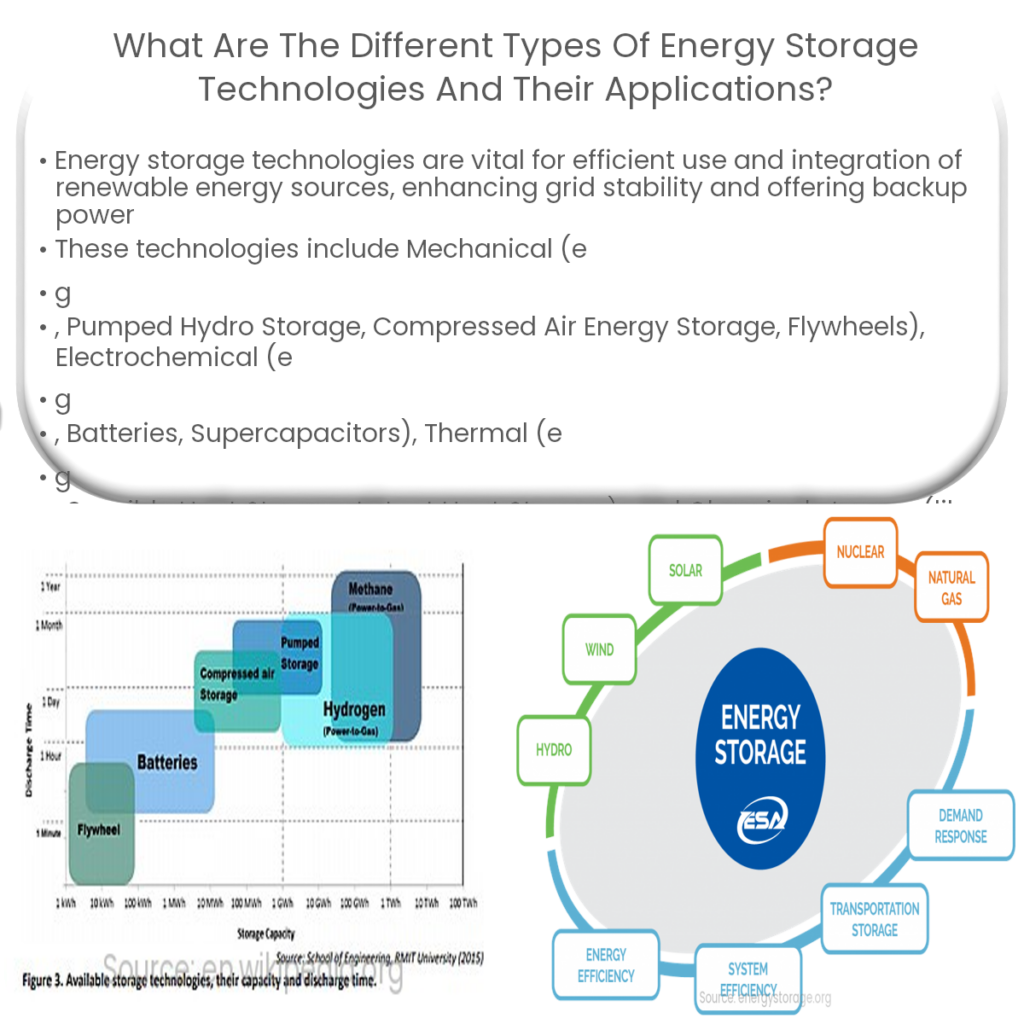
Energy storage is vital in renewable energy systems for ensuring reliable power supply, balancing grid stability, and addressing intermittent generation.
Energy storage technologies include pumped hydro storage, compressed air, flywheels, batteries, supercapacitors, thermal storage, and hydrogen storage.
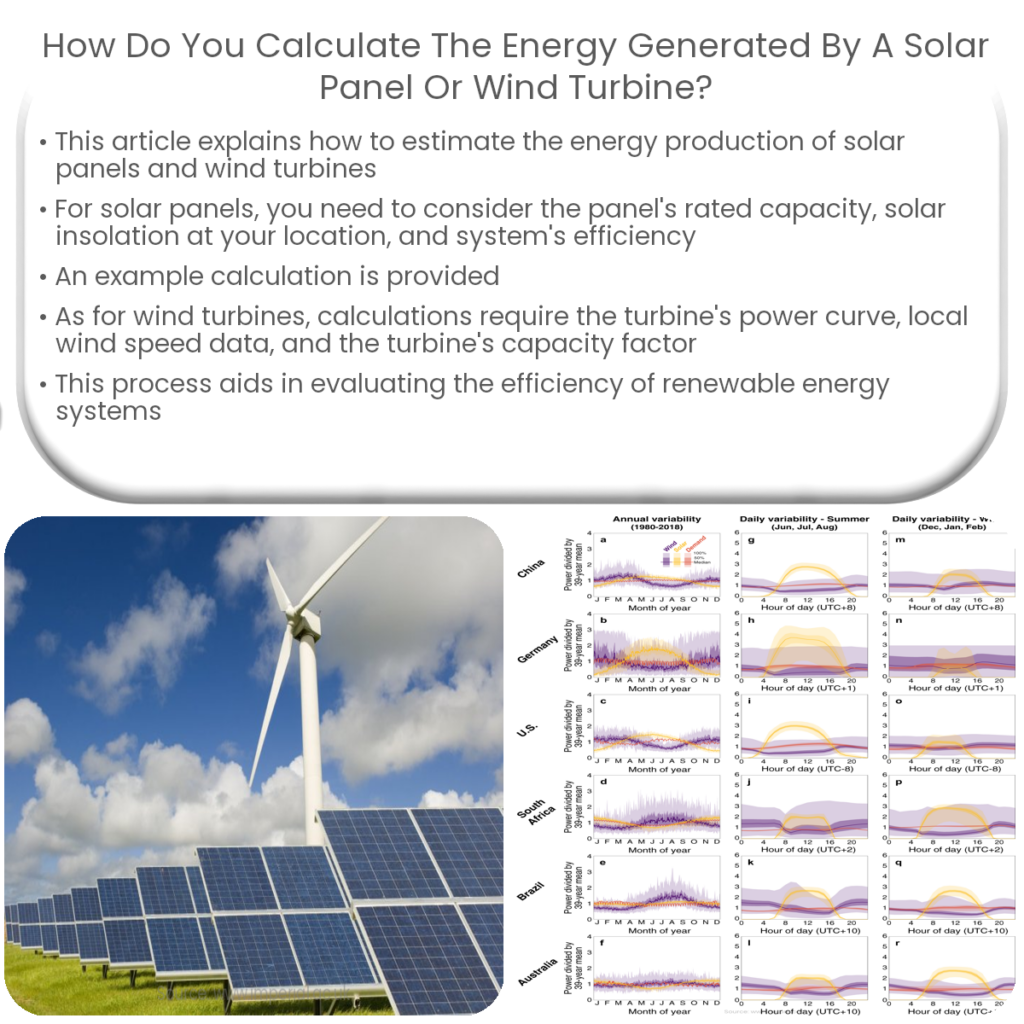
For solar panels, multiply capacity, insolation, and efficiency. For wind turbines, multiply rated capacity, capacity factor, and hours in a day.
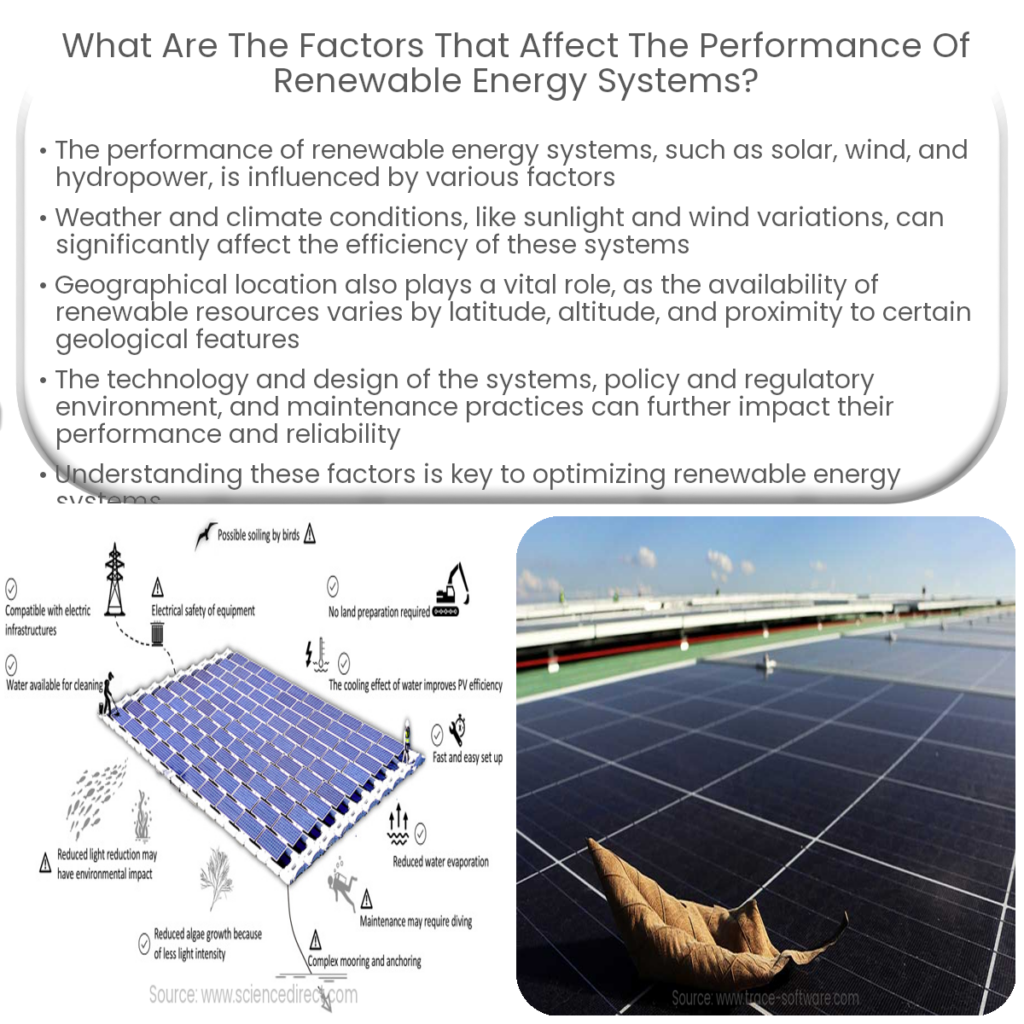
Performance factors for renewables include sunlight intensity, panel angle, temperature, wind speed, wind direction, turbine height, air density, and turbulence.
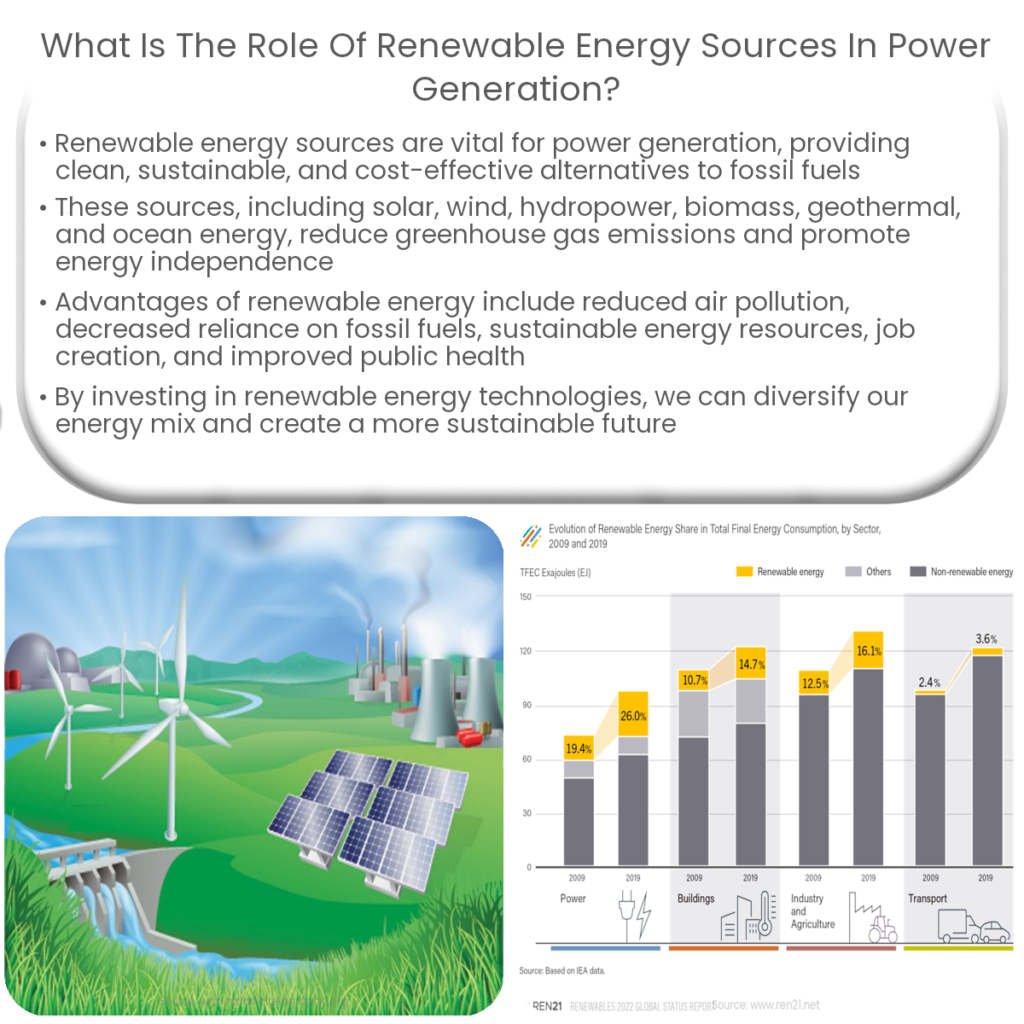
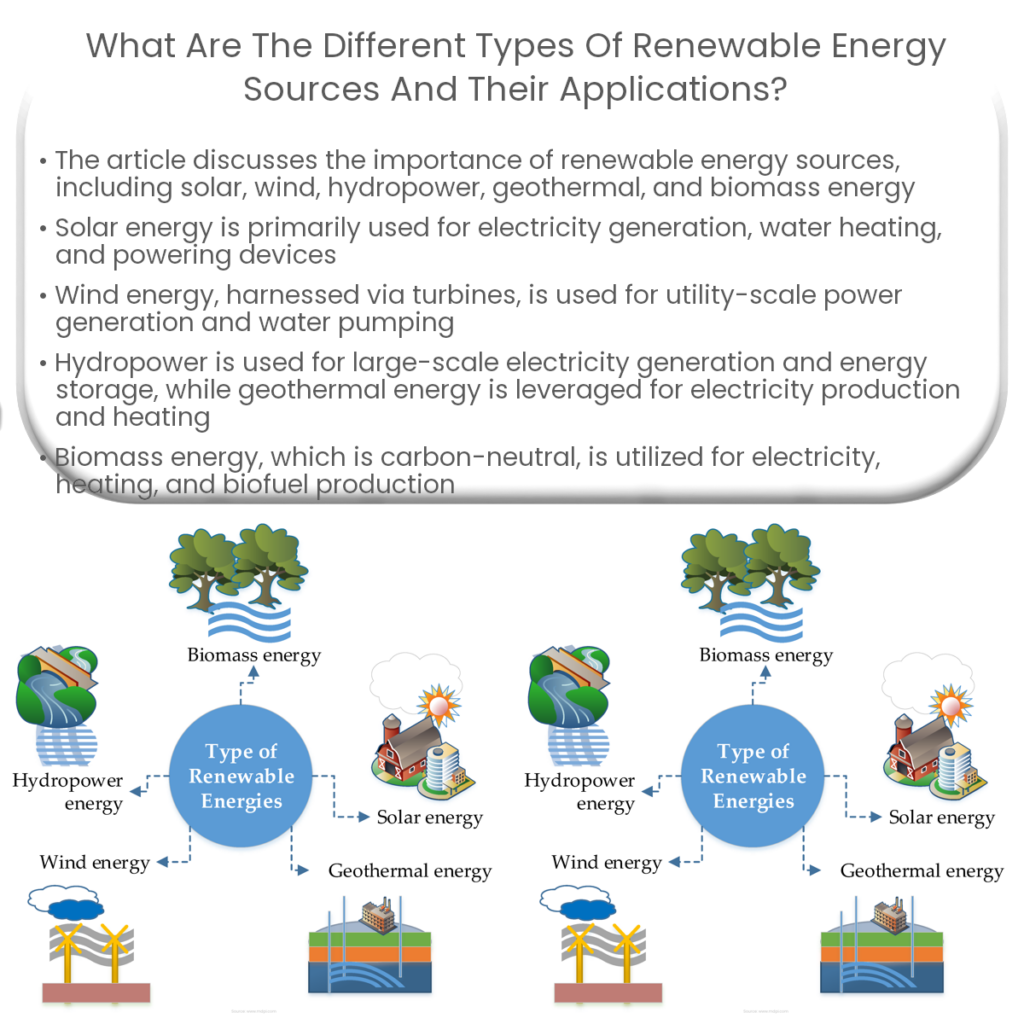
Renewable energy sources play a key role in power generation by providing clean, sustainable alternatives to fossil fuels, reducing emissions and promoting energy independence.
Renewable energy sources include solar, wind, hydropower, geothermal, biomass, and ocean energy, each with various applications in power generation.
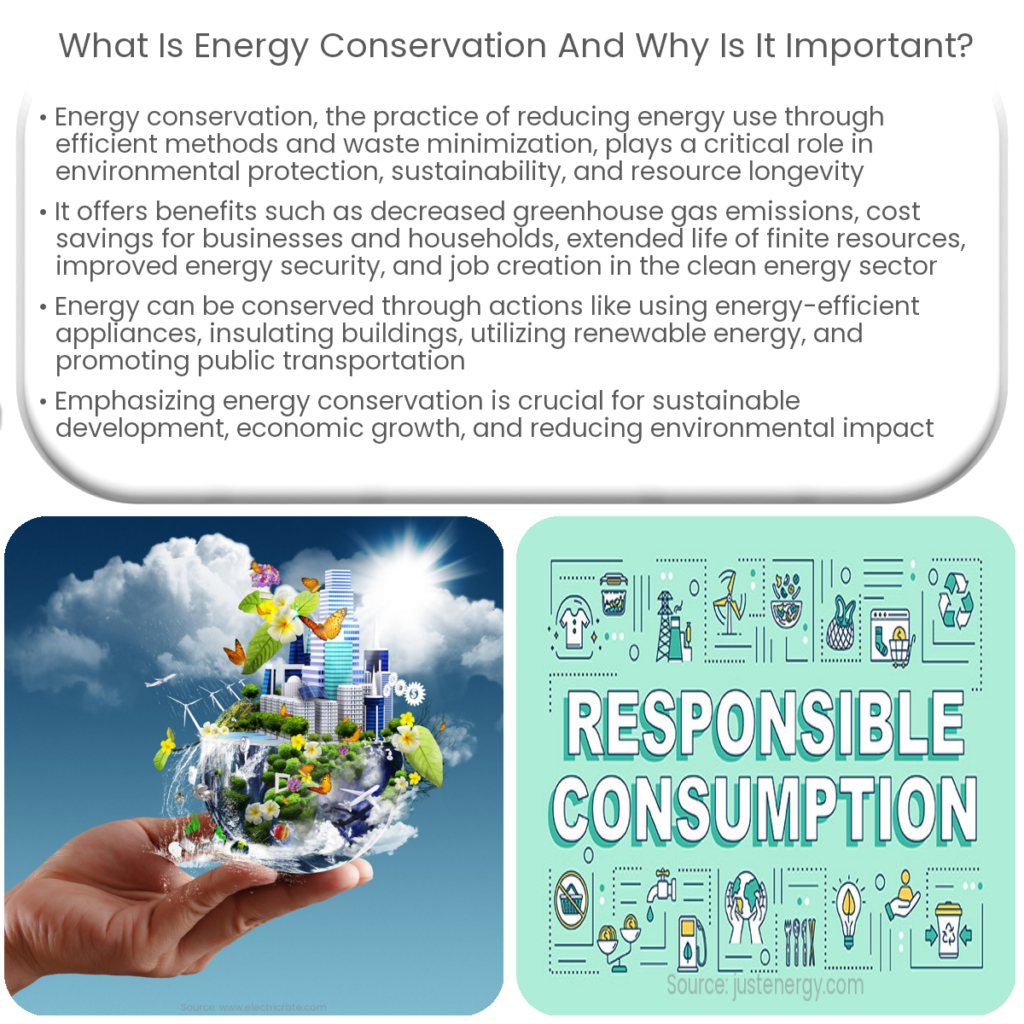
Energy conservation is the practice of reducing energy use, which helps protect the environment, save money, preserve resources, and create jobs.

The primary purpose of this project is to help the public to learn some exciting and important information about electricity and magnetism.
Our Website follows all legal requirements to protect your privacy. Visit our Privacy Policy page.
The Cookies Statement is part of our Privacy Policy.
The information contained on this website is for general information purposes only. This website does not use any proprietary data. Visit our Editorial note.
It’s simple:
1) You may use almost everything for non-commercial and educational use.
2) You may not distribute or commercially exploit the content, especially on another website.