
Isolated DC-DC converter
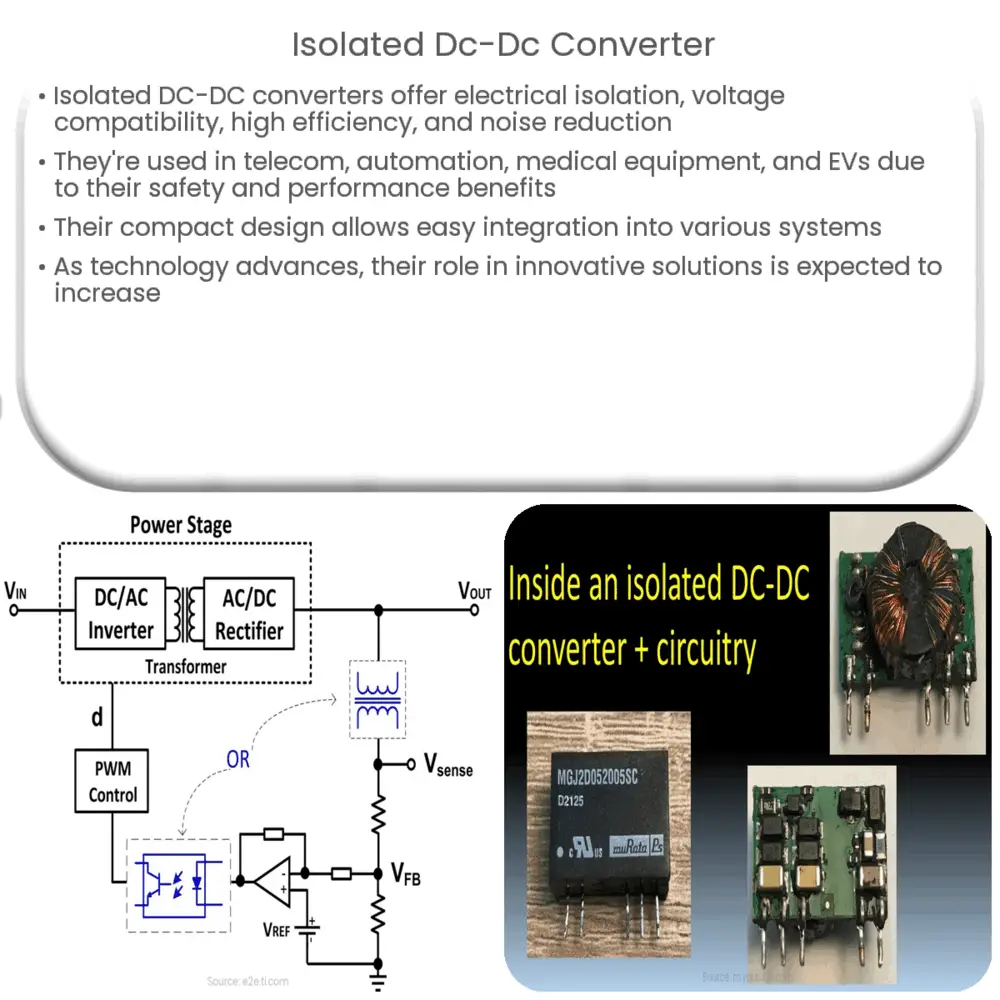
An isolated DC-DC converter transfers energy between electrical systems, providing voltage conversion, electrical isolation, and safety in various applications.
An isolated DC-DC converter transfers energy between electrical systems, providing voltage conversion, electrical isolation, and safety in various applications.

Non-isolated DC-DC converters efficiently regulate voltage in electronic systems, offering compact design, high efficiency, and cost-effectiveness.
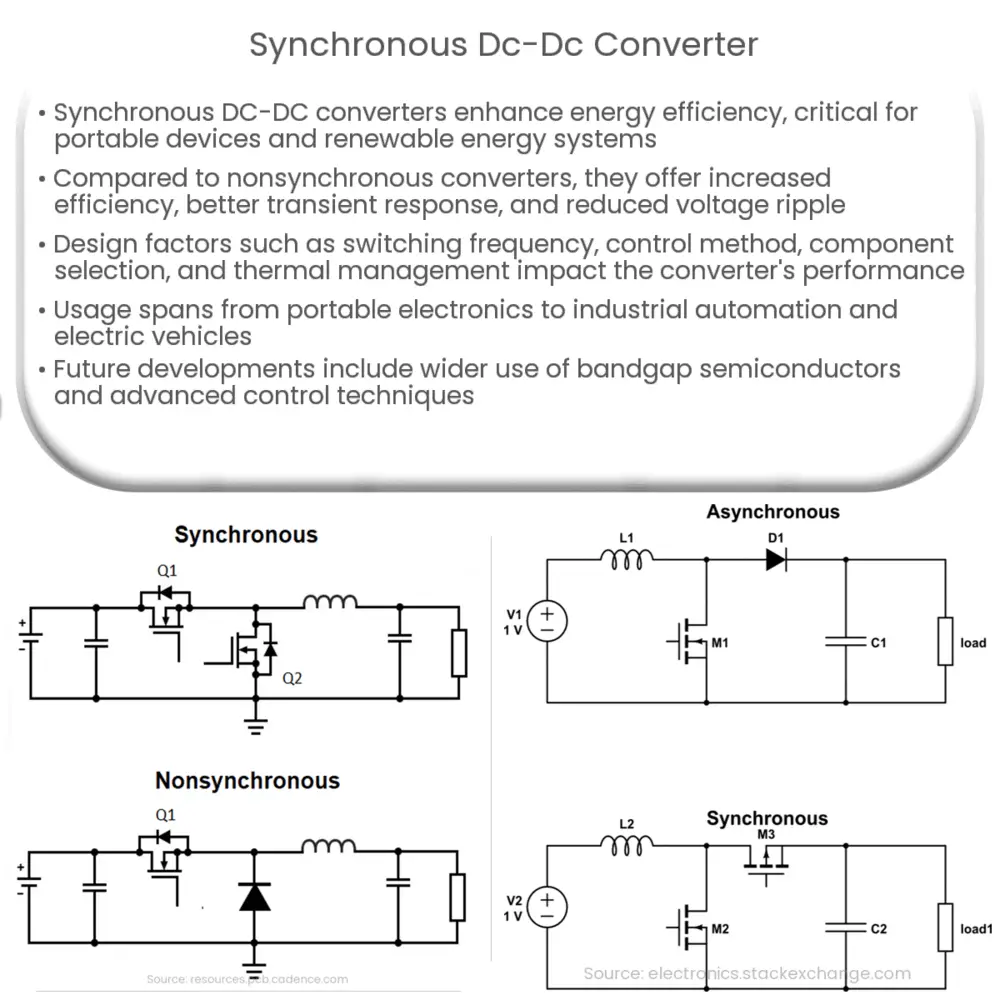
A synchronous DC-DC converter is an efficient power management component that offers stable voltage conversion, reduced ripple, and better transient response.
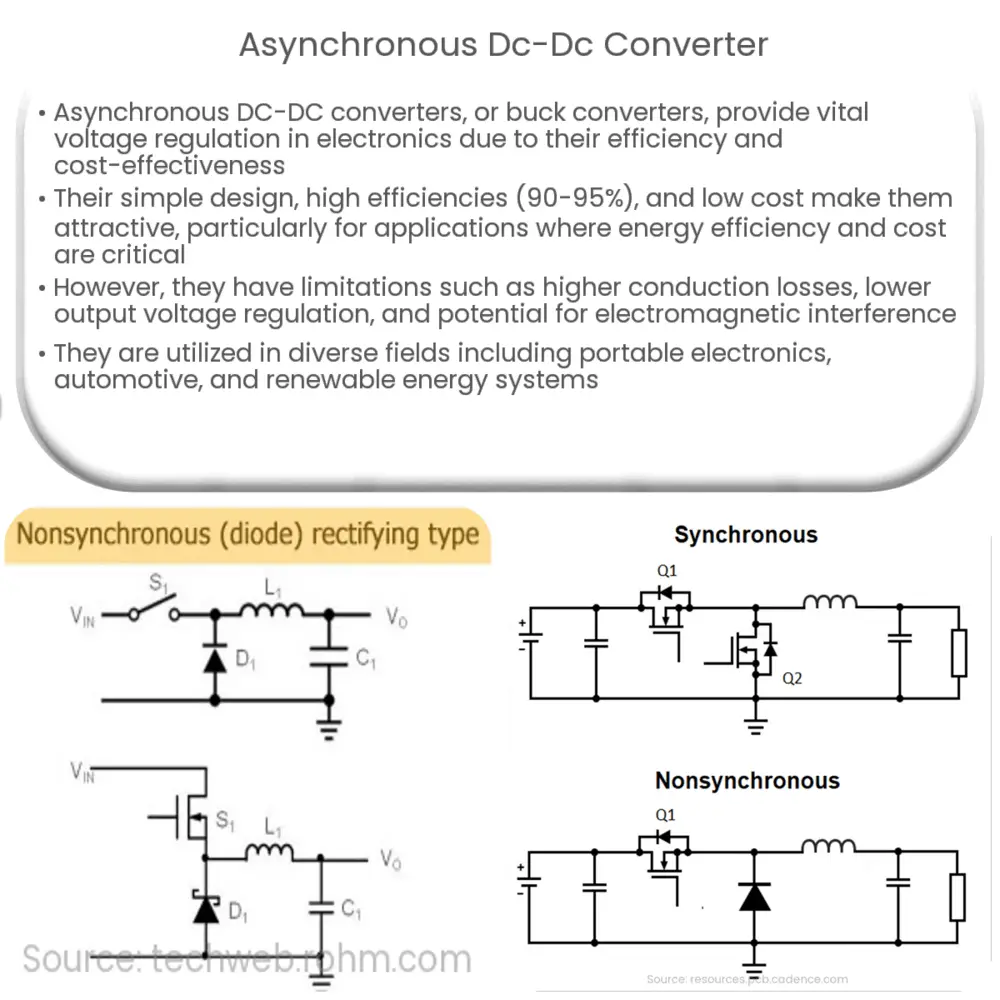
Asynchronous DC-DC converters are efficient, cost-effective voltage regulators, used in electronics like portable devices, power supplies, and renewable energy systems.

Transistor-based current regulators maintain consistent current flow in electronic circuits, ensuring stability and protecting components.

An op-amp current regulator maintains constant current in a circuit, offering stability, accuracy, and efficiency in various applications.

An LDO current regulator is a low-cost, low-noise linear voltage regulator that maintains stable output voltage with minimal input-to-output difference.

A charge pump current regulator is a compact, efficient voltage converter that manages electrical currents in electronic systems without using inductors.

An integrated current regulator is a vital electronic component that controls current flow, ensuring circuit stability and preventing component damage.

Explore the intricacies of axial flux motors, their applications, advantages, challenges, and future outlook in our comprehensive guide.

The primary purpose of this project is to help the public to learn some exciting and important information about electricity and magnetism.
Our Website follows all legal requirements to protect your privacy. Visit our Privacy Policy page.
The Cookies Statement is part of our Privacy Policy.
The information contained on this website is for general information purposes only. This website does not use any proprietary data. Visit our Editorial note.
It’s simple:
1) You may use almost everything for non-commercial and educational use.
2) You may not distribute or commercially exploit the content, especially on another website.
