
Diaphragm Pressure Sensor
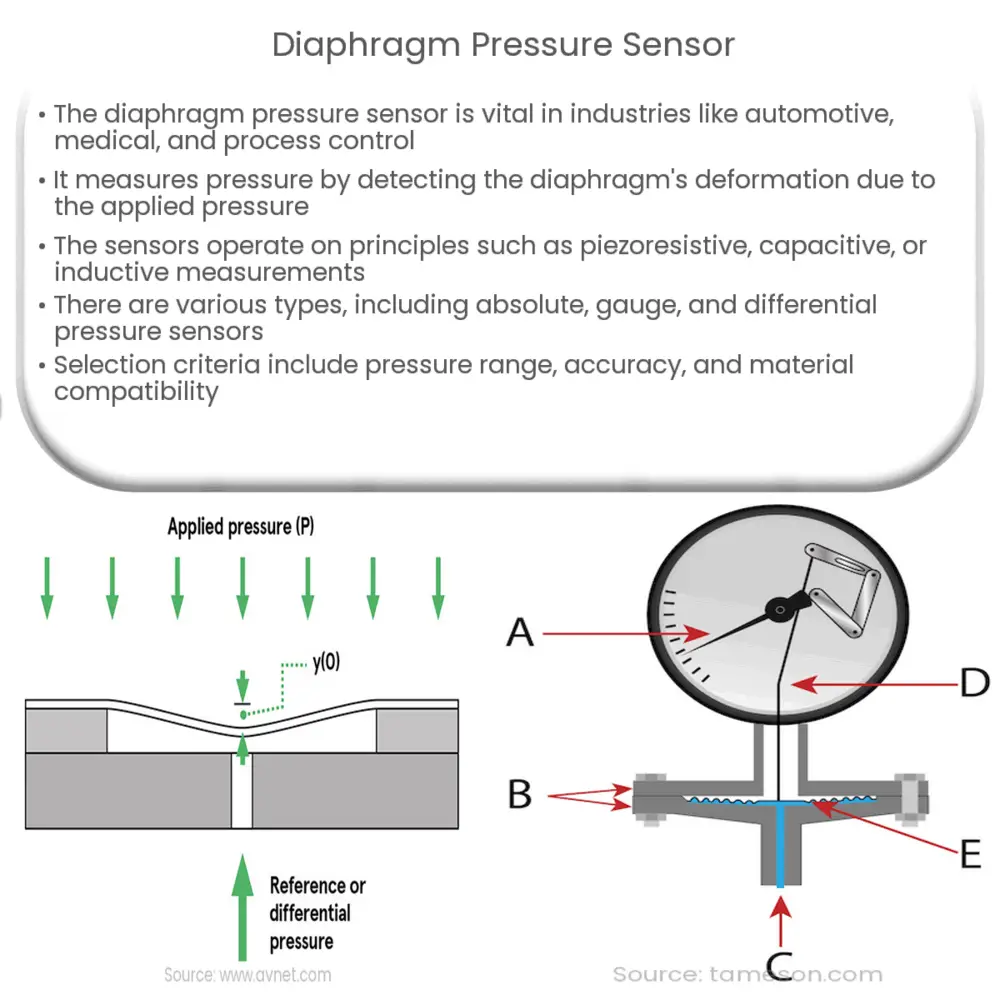
A diaphragm pressure sensor measures pressure by detecting diaphragm deformation, ensuring accurate readings in various industries.
A diaphragm pressure sensor measures pressure by detecting diaphragm deformation, ensuring accurate readings in various industries.
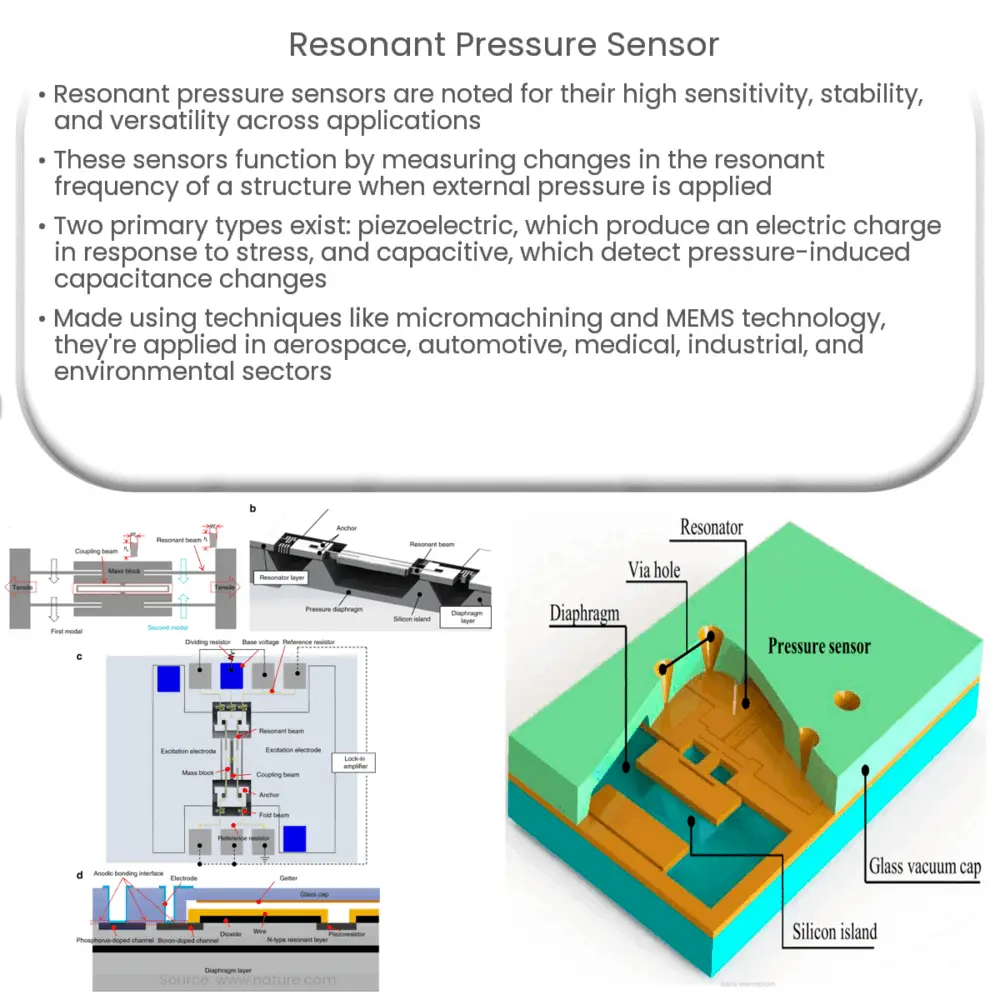
Resonant pressure sensors detect pressure changes by measuring shifts in resonant frequency, offering high sensitivity and stability for diverse applications.
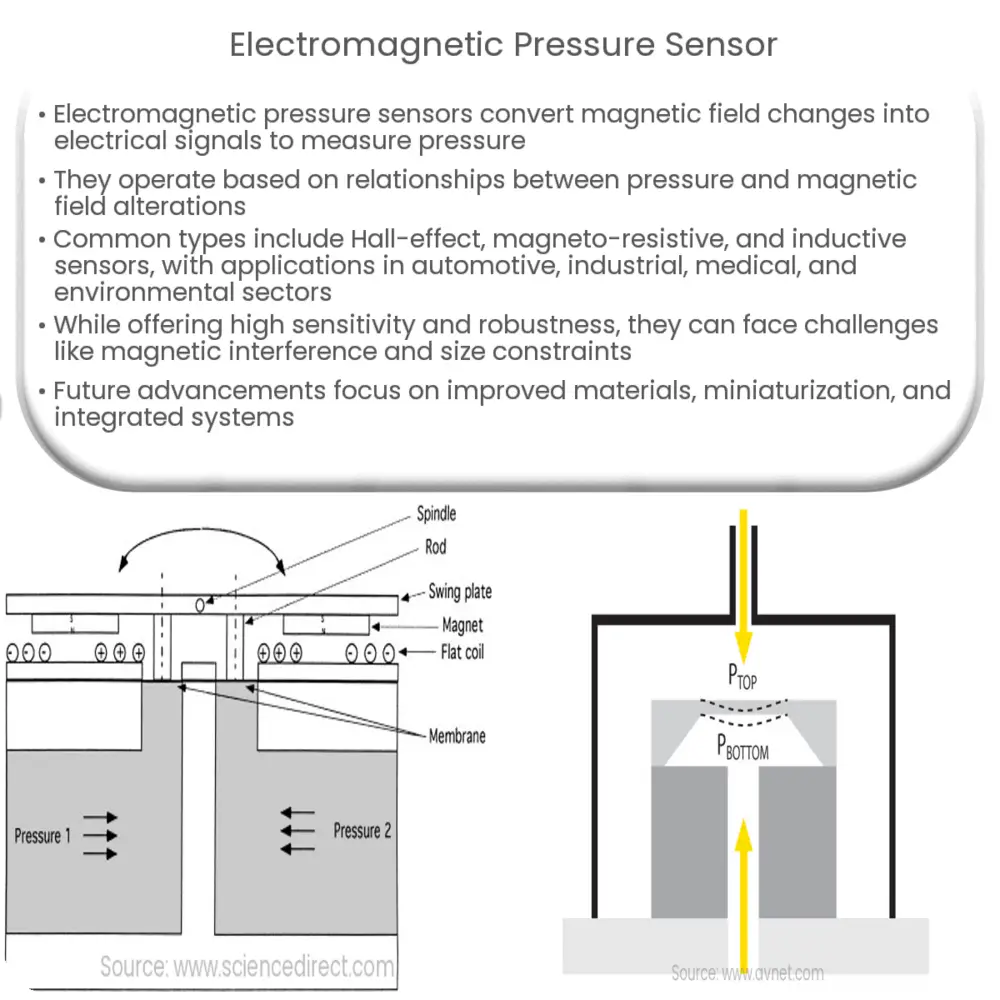
An electromagnetic pressure sensor measures pressure by converting magnetic field changes into electrical signals, offering high sensitivity and accuracy.

Explore the concept of attenuators in electronics, their types, applications, key features, and design parameters for optimal signal control.
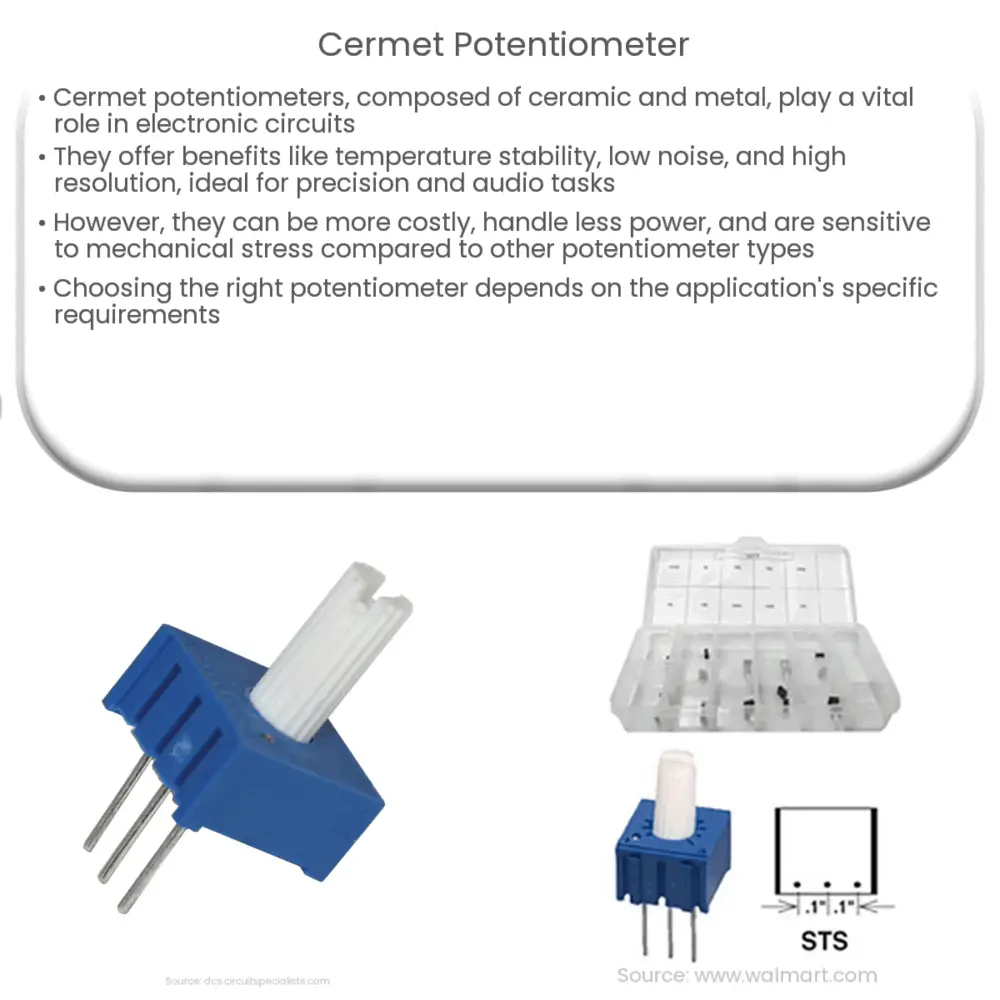
A cermet potentiometer is a variable resistor made of ceramic-metal composite, offering low noise, stability, and precision in various electronic applications.
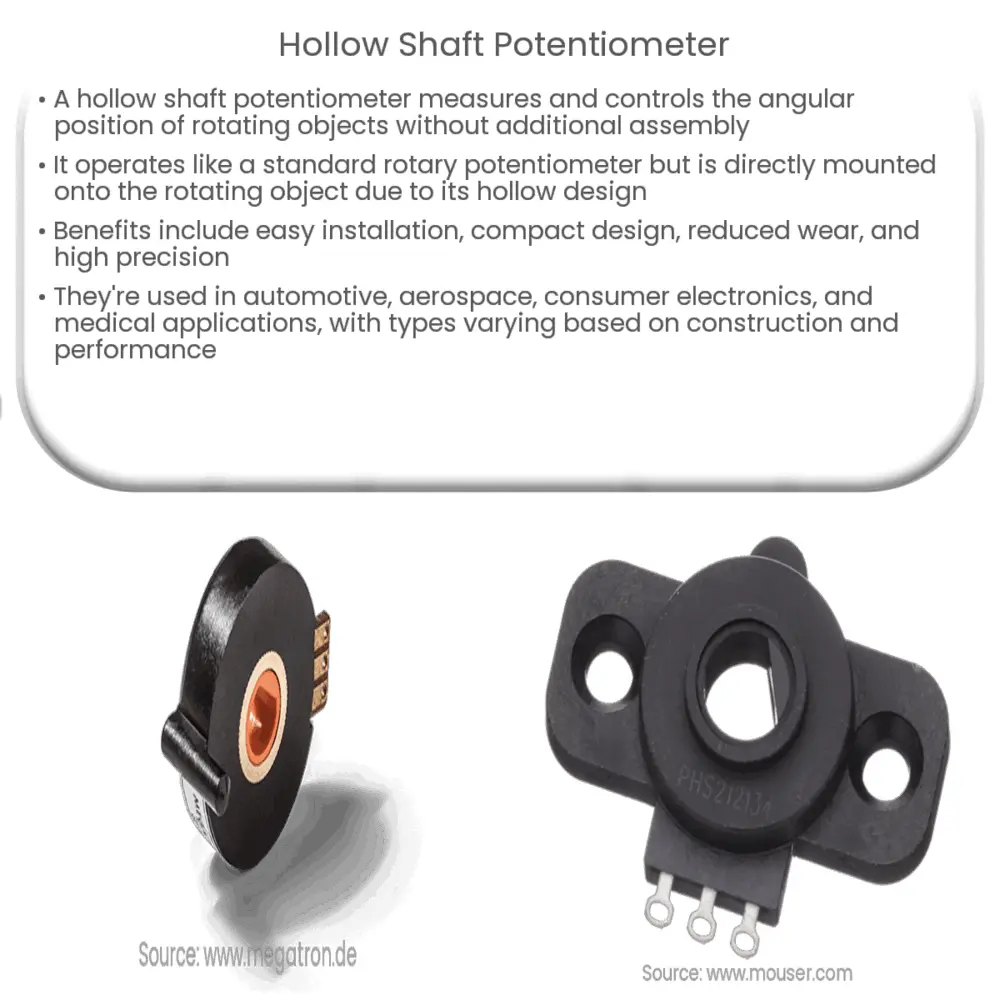
A hollow shaft potentiometer is a compact variable resistor for precise angular position measurement and control in various applications.
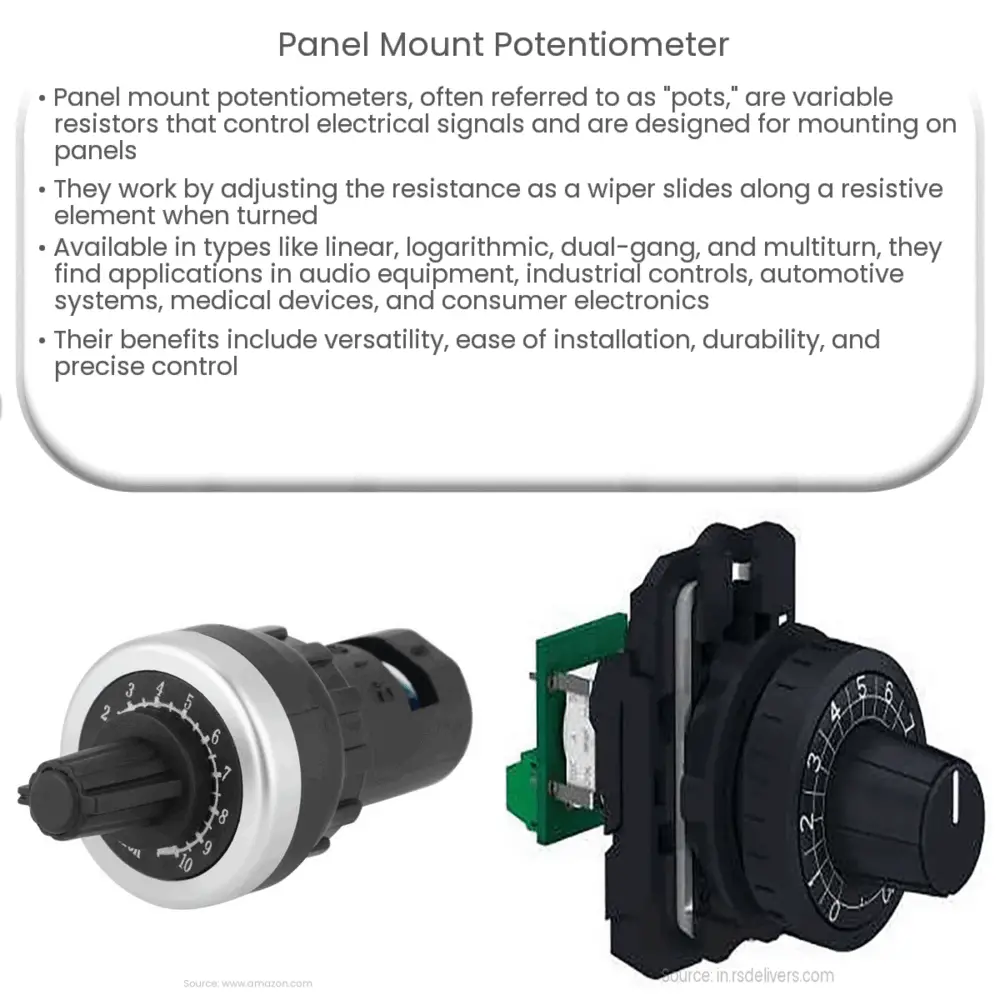
A panel mount potentiometer is a versatile variable resistor, designed for easy installation on panels, offering precise control in various applications across numerous industries.
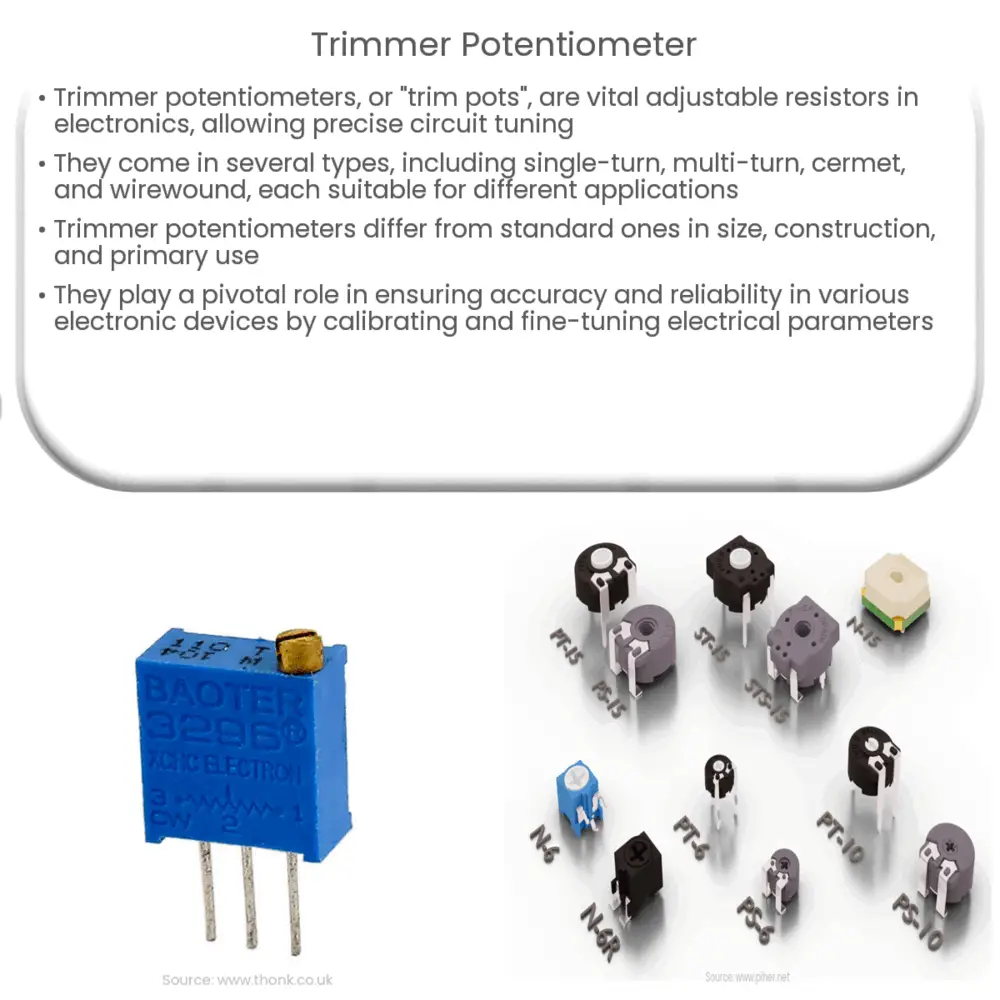
A trimmer potentiometer is a compact, adjustable resistor used for precise tuning of electronic circuit parameters, such as voltage or resistance.

A membrane potentiometer is a thin, flexible position sensor that uses a membrane wiper on a printed resistive element to provide precise linear or rotary feedback.

Digital potentiometers offer precise analog signal control, with advantages like improved accuracy, reduced size, and lower power consumption.

The primary purpose of this project is to help the public to learn some exciting and important information about electricity and magnetism.
Our Website follows all legal requirements to protect your privacy. Visit our Privacy Policy page.
The Cookies Statement is part of our Privacy Policy.
The information contained on this website is for general information purposes only. This website does not use any proprietary data. Visit our Editorial note.
It’s simple:
1) You may use almost everything for non-commercial and educational use.
2) You may not distribute or commercially exploit the content, especially on another website.
